.webp&w=384&q=75)

Loading, please wait...
Loading, please wait...
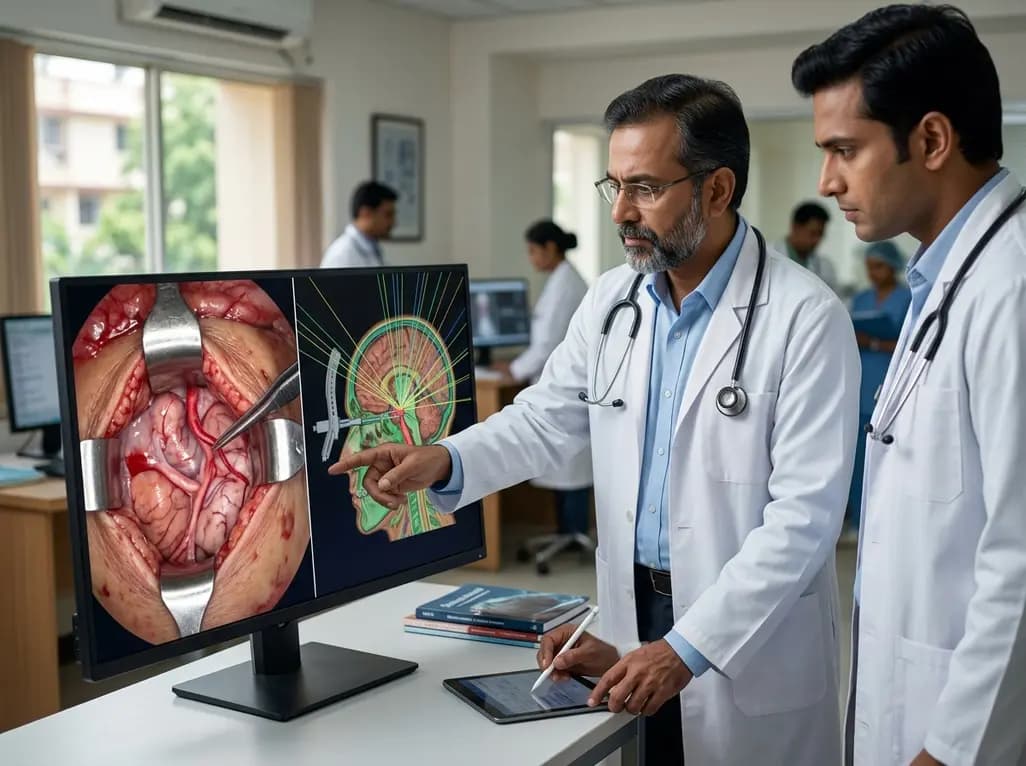
Trigeminal neuralgia remains one of the most debilitating facial pain syndromes encountered in clinical practice. Characterized by sudden, severe, and episodic paroxysms of pain in the distribution of the trigeminal nerve, it significantly impairs quality of life. While initial management typically involves pharmacological interventions such as carbamazepine or oxcarbazepine, many patients eventually experience treatment failure or intolerable side effects. Consequently, surgical intervention becomes necessary to provide lasting relief. Among the various surgical modalities available, Microvascular Decompression vs Gamma Knife surgery represents the primary debate for neurosurgeons and pain specialists. Choosing the right procedure requires a deep understanding of the comparative efficacy and safety profiles of each approach. Therefore, clinicians must carefully evaluate recent meta-analytic data to guide patient-centered decision-making in the Indian clinical context.
Recent evidence highlights the complexity of managing this condition through diverse surgical techniques. Microvascular decompression is an invasive procedure that addresses the underlying cause of classic trigeminal neuralgia, which is usually vascular compression at the nerve root entry zone. In contrast, Gamma Knife surgery is a non-invasive stereotactic radiosurgical technique that delivers targeted radiation to the trigeminal nerve to interrupt pain signals. Both methods have distinct advantages and drawbacks. Recent systematic reviews aim to clarify which patients benefit most from each procedure by analyzing outcomes like pain relief, recurrence rates, and postoperative complications. By examining data from over 8,400 patients, researchers provide a clearer picture of the therapeutic landscape for trigeminal neuralgia.
When evaluating the efficacy of Microvascular Decompression vs Gamma Knife, the primary metric of success is the degree of pain relief achieved. The recent meta-analysis demonstrates that patients undergoing microvascular decompression (MVD) experience significantly higher rates of immediate and long-term pain relief compared to those receiving Gamma Knife surgery (GKS). Specifically, the risk ratio for pain relief was found to be 1.87, indicating a clear superiority for the decompression approach. This disparity is likely due to the mechanical nature of MVD, which physically separates the offending vessel from the nerve. Furthermore, the results indicate that MVD leads to more durable outcomes. Patients who chose the invasive route reported a much lower risk of pain recurrence, with a risk ratio of 0.36, highlighting the longevity of the relief provided by direct surgical decompression.
However, it is important to consider that while GKS may have lower initial success rates, it remains a viable option for many. The delayed onset of action in radiosurgery means that pain relief is not always immediate, which can be a significant factor for patients in acute distress. Additionally, the meta-analysis showed that MVD was more effective in preventing late-stage failures, often categorized as BNI scores of IV or V. These findings suggest that for relatively healthy patients who prioritize a permanent cure and immediate cessation of pain, microvascular decompression is the preferred surgical intervention. Nevertheless, the decision must be balanced against the patient's individual risk profile and surgical fitness, especially in the geriatric population where surgical risks are inherently higher.
The safety profile of any neurosurgical procedure is as critical as its efficacy. The meta-analysis revealed that microvascular decompression is associated with a higher incidence of overall complications compared to Gamma Knife surgery. This finding is unsurprising given that MVD involves a craniotomy and manipulation of neurovascular structures. Specifically, the risk ratio for overall complications was 1.48, favoring the less invasive radiosurgical approach. Furthermore, postoperative facial numbness was significantly more frequent in the MVD group, with a risk ratio of 1.45. This side effect is often a trade-off for the higher success rate in pain elimination. Consequently, patients must be thoroughly counseled on the potential for sensory changes following an invasive surgical procedure.
Moreover, the invasive nature of MVD carries risks inherent to general anesthesia and open surgery, such as cerebrospinal fluid leaks, infection, or cerebellar injury. While these events are rare in the hands of experienced neurosurgeons, they are practically non-existent in Gamma Knife procedures. Gamma Knife surgery, being a focused radiation treatment, avoids the immediate risks of surgery but introduces its own set of long-term considerations, such as radiation-induced nerve damage or delayed sensory changes. Therefore, clinicians must weigh the higher risk of immediate but manageable surgical complications against the lower efficacy and potential for late-onset radiosurgical side effects. For many patients, the avoidance of a major operation makes GKS an attractive alternative, despite the lower probability of complete pain resolution.
Choosing between Microvascular Decompression vs Gamma Knife requires a nuanced approach that considers both clinical data and patient preferences. For younger, healthier patients, the data strongly supports microvascular decompression as the gold standard due to its superior efficacy and lower recurrence rates. These patients are generally better able to tolerate the risks associated with a craniotomy and are often more concerned with achieving a definitive cure. Conversely, for elderly patients or those with significant medical comorbidities, Gamma Knife surgery offers a safer pathway. Since TN often affects older individuals who may have cardiovascular or respiratory issues, the non-invasive nature of stereotactic radiosurgery cannot be overlooked. It provides a meaningful reduction in pain with minimal immediate risk to the patient's systemic health.
Additionally, the anatomical findings on high-resolution MRI play a vital role in the decision-making process. If a clear vascular contact or compression is visible at the trigeminal nerve root, the physiological rationale for MVD is strengthened. However, in cases where no vascular compression is evident, or if the patient has previously failed MVD, Gamma Knife surgery or other ablative procedures may be more appropriate. Furthermore, the psychological impact of the procedures should be discussed. Some patients may fear the idea of brain surgery and prefer the controlled, outpatient nature of radiosurgery. Therefore, the multidisciplinary team, including neurologists, neurosurgeons, and pain management specialists, should provide a balanced view of the trade-offs involved in each treatment modality to ensure the best possible outcome.
In the context of the Indian healthcare system, factors such as cost, accessibility, and follow-up capabilities also influence the choice of treatment. While MVD requires a specialized neurosurgical center and an inpatient stay, GKS requires specialized radiosurgical equipment that may only be available in major metropolitan hubs. Consequently, the availability of local expertise often dictates the initial surgical recommendation. Moreover, the long-term cost-effectiveness of a single definitive procedure like MVD may outweigh the initial lower cost of less effective treatments if recurrence leads to multiple subsequent interventions. Therefore, a thorough economic and clinical evaluation is necessary for each case to ensure that patients receive the most efficient care possible.
Furthermore, the meta-analysis results emphasize the importance of high-volume centers for performing MVD to minimize the associated complication rates. As the study indicated a higher risk of numbness and complications with MVD, technical proficiency is paramount. Additionally, post-procedure monitoring is essential regardless of the chosen method. Patients undergoing MVD need careful postoperative care to manage potential surgical complications, while those receiving GKS require long-term follow-up to monitor for delayed pain recurrence or radiation effects. Ultimately, the integration of these meta-analytic findings into local practice guidelines will help standardize care and improve the overall prognosis for patients suffering from this agonizing condition. By focusing on both the quantitative data and the qualitative patient experience, clinicians can optimize the management of trigeminal neuralgia.
Microvascular decompression (MVD) is statistically superior for long-term pain relief. According to the latest meta-analysis, MVD has a significantly higher success rate and a much lower risk of pain recurrence compared to Gamma Knife surgery. It remains the preferred choice for patients seeking a more permanent surgical solution for their trigeminal neuralgia.
MVD carries risks typical of open neurosurgery, including a higher incidence of facial numbness and overall complications compared to non-invasive methods. Potential risks include cerebrospinal fluid leaks, infection, and rare neurological deficits. However, these risks are generally manageable in specialized centers, though they are more frequent than in Gamma Knife surgery.
Gamma Knife surgery is an excellent option for patients who are elderly, have multiple medical comorbidities, or prefer a non-invasive treatment. It avoids the risks of general anesthesia and craniotomy. While it has lower long-term efficacy than MVD, it provides a safer alternative for those who are poor surgical candidates.
Disclaimer: This content is for informational and educational purposes only. It does not constitute professional medical advice, diagnosis, or treatment. Always seek the advice of your physician or other qualified healthcare provider with any questions you may have regarding a medical condition. Refer to the latest local and national guidelines for clinical practice.
References
Fonseca PEO et al. Efficacy and safety of microvascular decompression versus gamma knife surgery in patients with trigeminal neuralgia: an updated meta-analysis. Neurosurg Rev. 2026 Jul 08. doi: 10.1007/s10143-026-04373-z. PMID: 42414789.
Gronseth GS, et al. Practice parameter: the diagnostic evaluation and treatment of trigeminal neuralgia (an evidence-based review): report of the Quality Standards Subcommittee of the American Academy of Neurology and the European Federation of Neurological Societies. Neurology. 2008;71(15):1183-90.
Bendtsen L, et al. European Academy of Neurology guideline on trigeminal neuralgia. Eur J Neurol. 2019;26(6):831-849.

Read summarized clinical updates, watch expert medical content, and earn CME certifications right from your smartphone.
Open your smartphone camera to scan and install.





A new meta-analysis comparing Microvascular Decompression (MVD) and Gamma Knife Surgery (GKS) for trigeminal neuralgia reveals that MVD offers superior pain relief and lower recurrence rates, though it carries a higher risk of complications and numbness compared to the less invasive GKS approach.
Last week
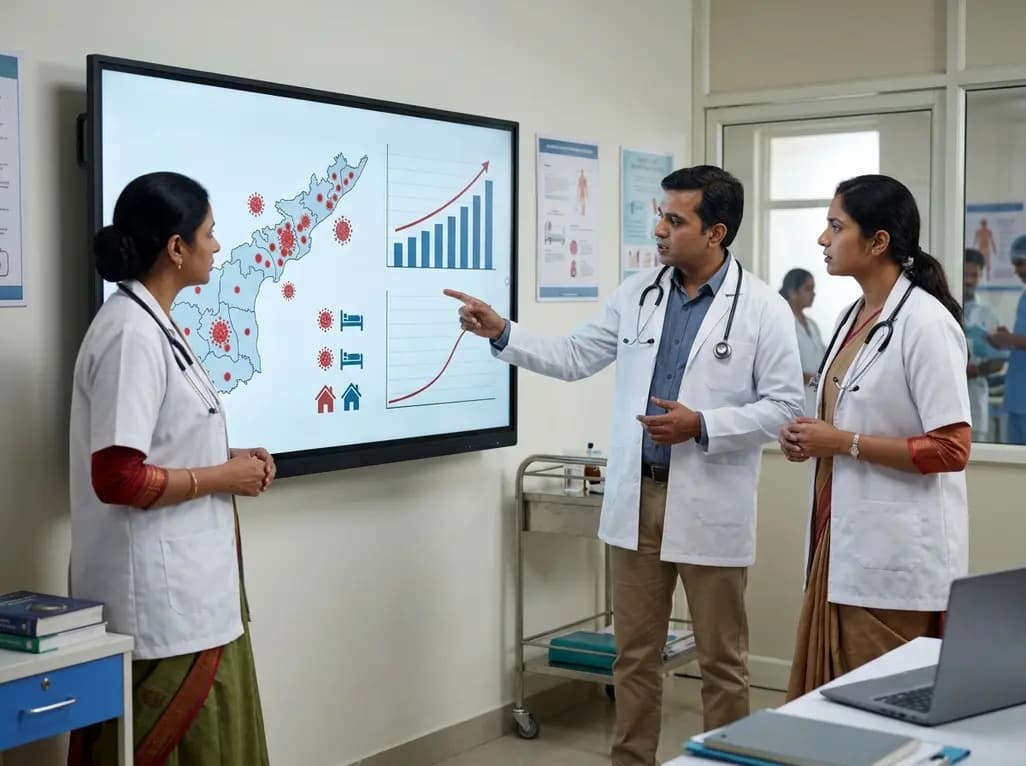
Andhra Pradesh reported 10 new Covid-19 cases, taking the state tally to 49 while deaths remain at four. With 24 patients hospitalized and 16 under home isolation, the Health Department has intensified monitoring. Medical professionals should review regional distribution, diagnostic protocols, and management plans.
Today

An 11-year Swedish registry study of 618 uterine sarcoma patients found that minimally invasive surgery yielded survival comparable to open surgery in early stages. However, adjuvant chemotherapy conferred no survival benefit in localized or advanced disease, highlighting stage and histology as key outcomes.
3 days back

A cross-sectional study evaluates post-intensive care syndrome in cardiac patients 2-4 weeks post-ICU discharge, highlighting cognitive, psychological, and functional impairments and the need for structured multidisciplinary rehabilitation.
3 days back
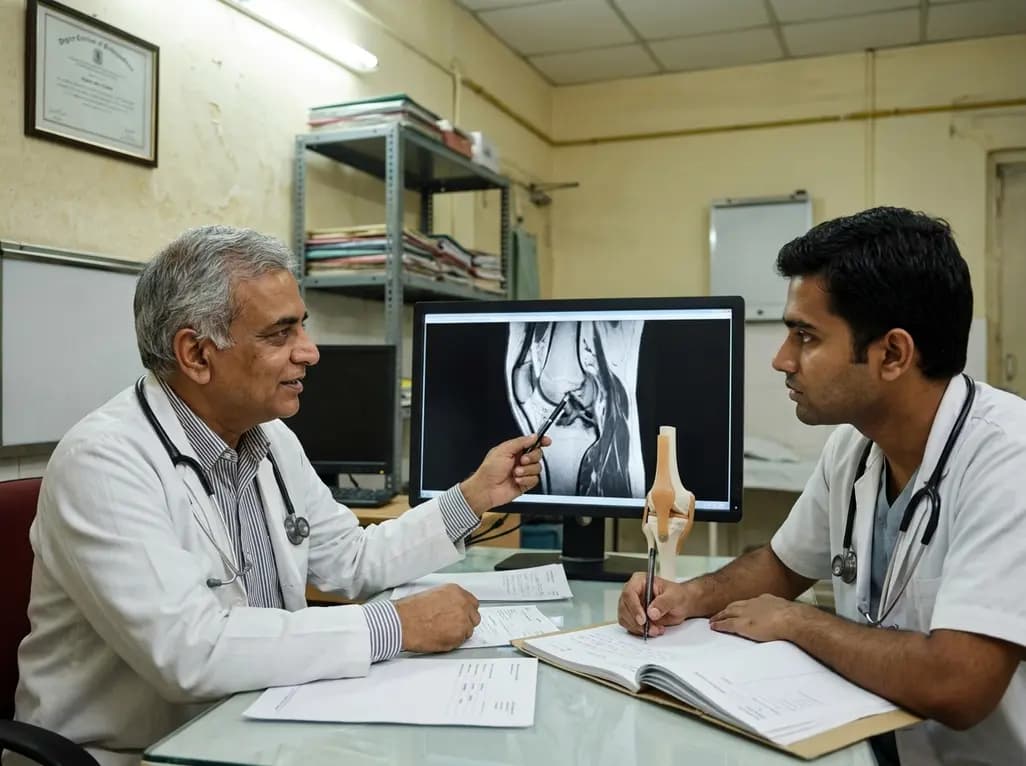
Anterior cruciate ligament reconstruction failure lacks uniform definition. A narrative review proposes an integrative framework incorporating objective and subjective instability, persistent pain, restricted motion, graft rupture, and secondary meniscal injury to standardize clinical reporting.
3 days back

With World Obesity Atlas data warning that over 41 million Indian children are overweight or obese, ICMR and NIN have unveiled a 10-point policy roadmap. The initiative calls for mandatory front-of-pack labeling, HFSS taxes, strict marketing bans, and healthier school environments to curb non-communicable diseases.
Today
