.webp&w=384&q=75)

Loading, please wait...
Loading, please wait...

Microbiome citizen science offers a transformative approach to contemporary medical research. By engaging the public, scientists can collect rich, context-specific data from diverse environments and human populations. This collaboration significantly expands the scope of traditional clinical studies. However, successful projects require careful planning and transdisciplinary teams to navigate complex logistical hurdles. Researchers must integrate scientific discovery with community health and well-being to achieve meaningful results.
Effective projects begin with clearly defined objectives and standardized self-sampling protocols. Moreover, researchers must prioritize capacity building within the community to ensure that participants understand the scientific process. Consequently, data quality improves when community members are well-informed and engaged. Furthermore, clear communication of results to both participants and policymakers fosters long-term trust and environmental sustainability. Implementing robust data management practices is also essential to protect participant privacy.
Community engagement may reduce sampling bias, but it does not automatically guarantee participant diversity. Therefore, researchers must employ intentional inclusion strategies. These include culturally sensitive outreach and tailored recruitment approaches that support underrepresented populations. Notably, projects in Belgium, Peru, and Cameroon demonstrate the importance of adapting methodologies to local cultural contexts. Ultimately, meaningful collaboration supports research equity and helps scientists understand the global landscape of microbial diversity.
Protecting participant privacy is a critical ethical consideration in community-engaged research. Therefore, research teams must implement secure data management practices that uphold data sovereignty. These practices ensure that participants retain control over their personal information and biological data. In addition, ethical guidelines must evolve to address the unique challenges of sharing microbial genomic data across borders. This approach ensures that scientific progress does not compromise individual or community rights.
It allows researchers to access samples from geographically diverse and underrepresented populations at a lower cost than traditional clinical trials. This creates a more comprehensive and accurate map of human and environmental microbiomes.
Primary concerns include data privacy, informed consent, and data sovereignty. Researchers must ensure that participants fully understand how their samples will be used and who will maintain ownership of the resulting scientific data.
Disclaimer: This content is for informational and educational purposes only. It does not constitute professional medical advice, diagnosis, or treatment. Always seek the advice of your physician or other qualified healthcare provider with any questions regarding a medical condition. Refer to the latest local and national guidelines for clinical practice.
References
1. Ahannach S et al. Considerations for the design of impactful citizen-science projects in microbiome research. Nat Protoc. 2026 Apr 20. doi: 10.1038/s41596-026-01346-w. PMID: 42010351.
2. The Scientist. Citizen Scientists Help Geneticists and Microbiologists Tackle Large-Scale Challenges. 2025.
3. Australian Human Microbiome Biobank (AHMB). Citizen science: Empowering our community to drive meaningful health discoveries. 2025.

Read summarized clinical updates, watch expert medical content, and earn CME certifications right from your smartphone.
Open your smartphone camera to scan and install.





A summary of guidelines for designing impactful microbiome citizen-science projects through community engagement, ethical data management, and research equi...
6 months ago

Following regulatory scrutiny from FSSAI regarding promotional representations and lean muscle preservation claims, Dr. Reddy's Laboratories and Nestlé Health Science are currently reviewing the branding and marketing strategy for their joint nutritional supplement Celevida GLP+.
Today
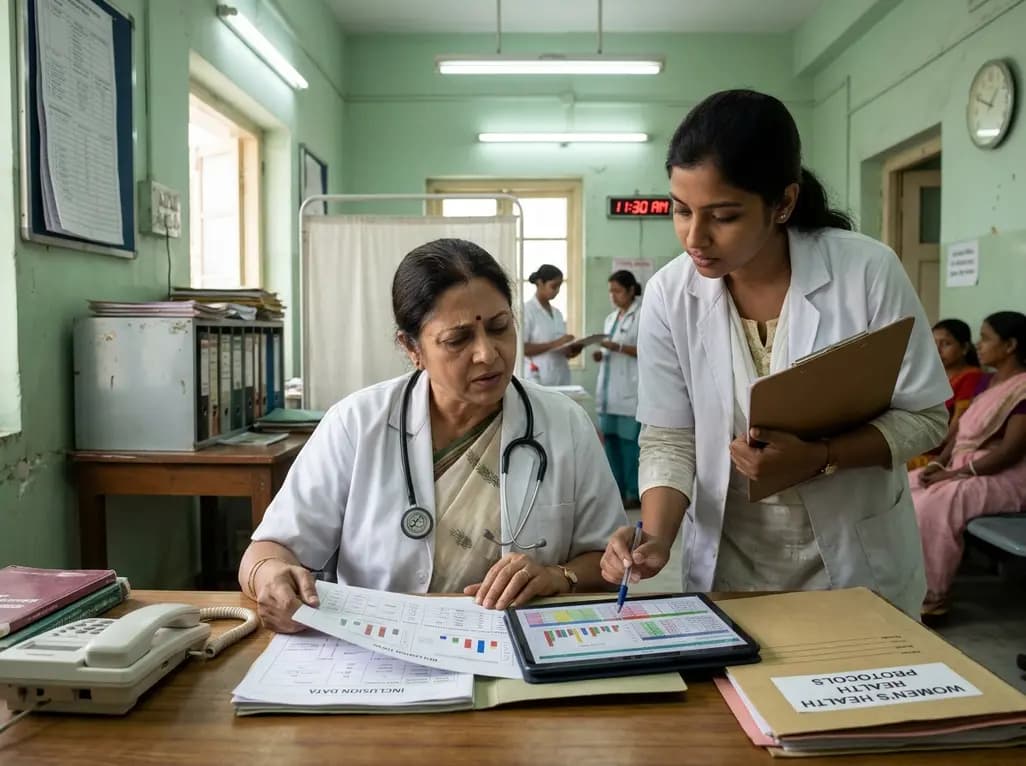
Demanding exhaustive hormonal profiling can inadvertently discourage clinical studies involving females. Methodological standards must align with the specific scientific question to expand, not restrict, equitable evidence for women.
Today

The Directorate General of Health Services directs Indian states to halt the hazardous reuse and reprocessing of single-use medical devices. Discover regulatory implications under the Drugs and Cosmetics Act, critical infection risks, legal liabilities, and operational changes required across clinical specialties.
Today
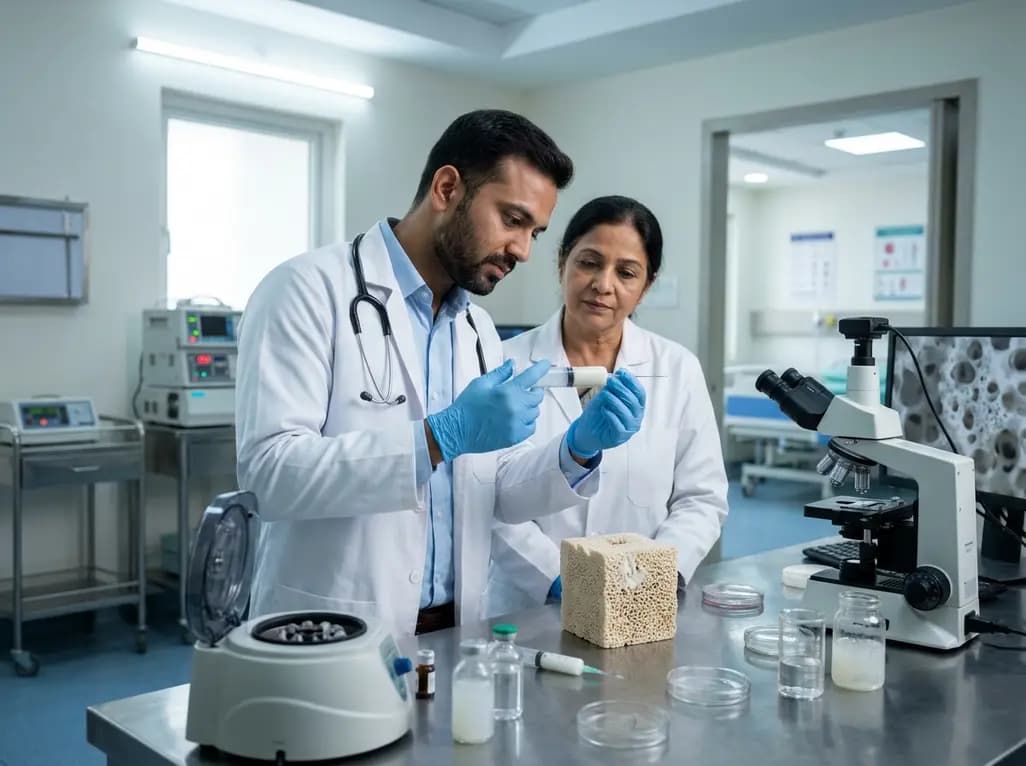
A novel calcium polyphosphate coacervate enables injectable bone implants with in situ hierarchical porosity via phase separation and gas foaming, significantly enhancing cell proliferation, energy metabolism, and osteogenic differentiation for minimally invasive bone defect repair.
Today

India is advancing preventive healthcare by integrating genomics, artificial intelligence, and quantum technologies. With the SANGAM programme sequencing one million Indian genomes, clinicians can unlock personalized therapies, detect cardiometabolic risks early, and curb the burden of diabetes and heart disease.
Today
