.webp&w=384&q=75)

Loading, please wait...
Loading, please wait...
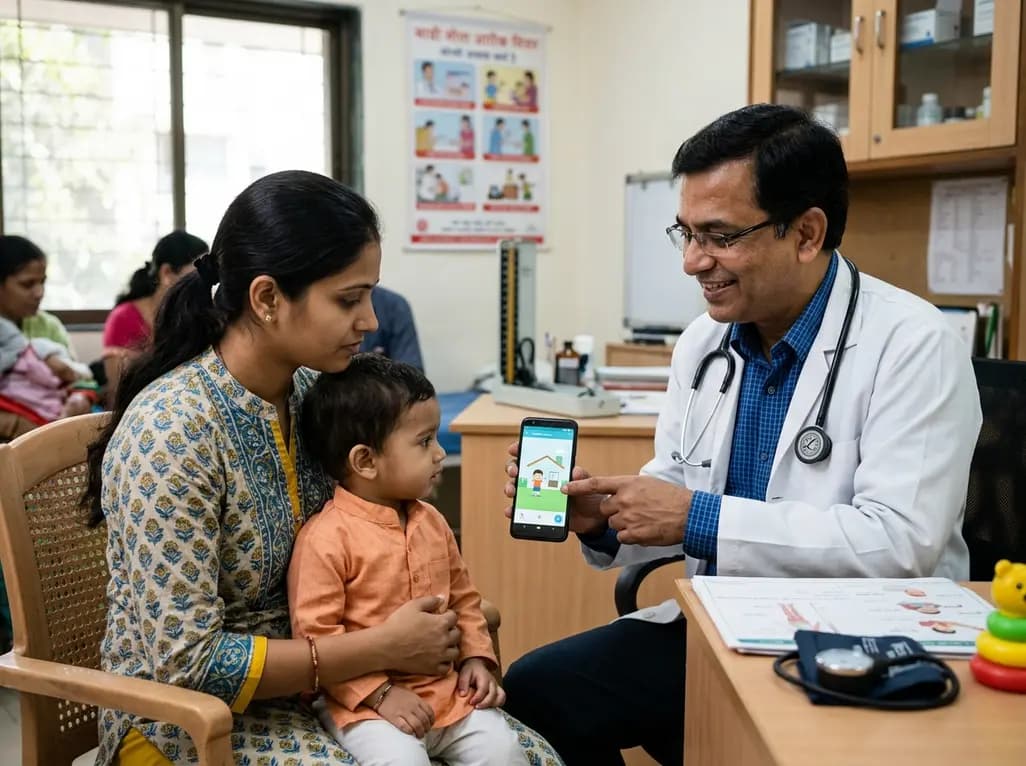
Unintentional injuries constitute a leading cause of preventable morbidity and mortality among pediatric populations globally. As children progress through critical developmental stages, their environmental risks and behavioral vulnerabilities evolve rapidly. Consequently, traditional safety counseling delivered during intermittent clinical visits often fails to address emerging hazards in real time. Mobile health (mHealth) interventions have emerged as transformative tools to bridge this clinical gap. By offering continuous, scalable, and dynamic guidance, digital platforms revolutionize childhood injury prevention across diverse socioeconomic settings. A landmark scoping review systematically analyzed the current landscape of mHealth modalities designed for pediatric unintentional injury mitigation. This comprehensive investigation evaluated sixteen primary studies across five global databases, encompassing randomized controlled trials, quasi-experimental designs, and mixed-methods research. The findings demonstrate that digital interventions significantly enhance parental safety knowledge, promote proactive supervisory behaviors, and reduce pediatric injury rates. Furthermore, mobile platforms provide an innovative mechanism for clinicians to extend anticipatory guidance directly into domestic environments. As smartphone penetration expands across low- and middle-income nations, understanding the specific mechanisms and clinical utility of these digital systems becomes essential for healthcare professionals seeking to optimize child safety protocols.
Contemporary mHealth platforms leverage diverse digital architectures to engage caregivers and reduce pediatric trauma risks. Specifically, researchers have evaluated standalone mobile smartphone applications, instant messaging platforms such as WeChat, mobile-based e-learning modules, and immersive virtual reality environments paired with wearable sensors. Smartphone applications represent the most versatile format, offering structured multimedia libraries and interactive domestic audit tools. In addition, social messaging channels provide accessible, low-barrier conduits for community-wide dissemination of safety alerts and educational content. Virtual reality simulations combined with wearable physiological monitors offer realistic hazard recognition training for older children and adolescents. For instance, these interactive environments train young pedestrians to navigate complex traffic intersections safely. Similarly, wearable devices assist caregivers by monitoring real-time activity patterns and alerting them to high-risk physical behaviors. Consequently, these multifaceted technologies transform passive safety education into highly engaging, experiential learning opportunities. By catering to varied developmental stages and caregiver literacy levels, modern digital modalities provide flexible frameworks for injury mitigation across diverse clinical and domestic environments.
Effective digital injury interventions integrate multiple functional components to influence parental behavior and environmental safety. Primarily, these platforms deliver structured health education modules covering common pediatric hazards, including burns, falls, accidental poisonings, and road traffic incidents. Furthermore, interactive communication features allow caregivers to query health professionals or automated conversational agents regarding home safety modifications. Many applications incorporate automated monitoring and push notifications, which prompt caregivers to install safety gates, secure electrical outlets, or safely store domestic chemicals. In addition, digital questionnaires and self-reported hazard checklists enable parents to systematically assess their living spaces and track ongoing safety improvements over time. Behavioral training modules utilize gamification and simulation techniques to reinforce proper supervision habits and teach age-appropriate risk assessment skills. Crucially, several platforms include dedicated emergency response features that supply step-by-step first-aid protocols for acute poisoning, choking, and severe burns. Thus, by combining proactive prevention tools with reactive emergency management guidance, mHealth architectures offer comprehensive support that protects children across everyday scenarios.
The clinical evidence gathered across global investigations demonstrates positive outcomes following the deployment of pediatric mHealth interventions. Most notably, several randomized controlled trials confirmed meaningful reductions in the incidence of unintentional childhood injuries among intervention cohorts. Furthermore, these digital programs consistently enhanced parental knowledge regarding domestic safety hazards and appropriate emergency response protocols. Caregivers exhibited significant improvements in safety-related attitudes, self-efficacy, and active supervision practices. For example, parents receiving digital prompts demonstrated higher adherence rates for securing furniture, maintaining safe hot water temperatures, and properly installing child passenger restraints. Beyond direct physical outcomes, studies noted favorable shifts in parental psychological well-being, including reduced anxiety regarding household accidents and increased confidence in managing acute injuries. Usability assessments revealed that caregivers found mobile interfaces intuitive, culturally acceptable, and convenient for daily use. Therefore, digital interventions serve as potent tools for reinforcing preventive clinical counseling, successfully translating medical recommendations into sustained domestic safety habits that preserve pediatric health.
Despite compelling clinical evidence supporting digital interventions, significant translation and scalability barriers persist in real-world practice. Notably, out of numerous platforms evaluated across clinical trials, only two mobile applications currently remain accessible to the public on commercial digital storefronts. Many academic initiatives terminate abruptly once research funding concludes, creating a substantial void between evidence generation and sustained public health delivery. Furthermore, digital literacy disparities and unequal smartphone access can exacerbate healthcare inequalities, particularly among economically disadvantaged families who face the highest baseline injury risks. Language barriers, inadequate localization, and rigid user interfaces also hinder long-term caregiver retention. In addition, data privacy concerns regarding the collection of domestic images and family health information present notable regulatory hurdles. Consequently, developers and healthcare researchers must design sustainable financing models, maintain technical updates, and prioritize user-centered designs. Addressing these operational deficiencies remains essential to ensure that validated mHealth interventions transition from temporary research projects into enduring, universally accessible clinical resources.
In India, unintentional childhood injuries represent a substantial yet frequently overlooked contributor to pediatric morbidity, trauma admissions, and preventable mortality. Rapid urbanization, crowded domestic settings, and widespread road hazards create unique environmental challenges across Indian households. However, widespread smartphone connectivity and robust digital public infrastructure offer an unprecedented opportunity to implement scalable preventive interventions. Pediatricians, general practitioners, and family physicians in India must actively advocate for evidence-based digital injury prevention resources during routine clinical consultations and vaccination visits. Integrating regional language options, audio-visual formats, and culturally contextualized safety tips can maximize engagement across diverse literacy levels. Furthermore, integrating mHealth modules into community health worker training programs and public health initiatives could dramatically amplify reach in rural and peri-urban regions. Clinicians should encourage parents to utilize validated mobile safety checklists and emergency first-aid guides. Ultimately, bridging digital health innovation with routine primary care delivery will play a pivotal role in curbing pediatric injuries and safeguarding child health throughout India.
Mobile applications enhance childhood injury prevention by providing customized hazard checklists, timely developmental notifications, and interactive instructional modules for caregivers. Consequently, parents can systematically evaluate their domestic environments for hazards such as unsecured furniture, open water sources, or toxic ingestants. Furthermore, digital tools deliver immediate first-aid instructions during acute emergencies, thereby enabling caregivers to respond promptly and effectively before formal emergency medical services arrive at the scene.
Primary care physicians play a pivotal role by recommending validated mobile health applications during routine pediatric well-child examinations. By actively endorsing evidence-based platforms, clinicians reinforce anticipatory safety guidance and encourage continuous parental engagement. Moreover, physicians can review digital risk assessments completed by parents to identify specific domestic safety hazards, thereby providing tailored clinical advice that directly addresses the unique developmental vulnerabilities and environmental risks of each young child.
Developmentally tailored messaging is vital because injury risks change dynamically as a child grows, acquires new motor abilities, and explores unfamiliar surroundings. For instance, infants require strict safeguards against suffocation and falls, whereas curious toddlers need protection against accidental poisonings, scalds, and drowning. Consequently, delivering age-appropriate reminders ensures that caregivers implement proactive safety modifications at home before the child reaches specific developmental milestones that expose them to new hazards.
Disclaimer: This content is for informational and educational purposes only, and does not constitute medical advice, diagnosis, or treatment. It is intended to support, not replace, the relationship between a patient and their healthcare provider. Always consult a qualified healthcare professional regarding any medical condition or treatment decisions. Refer to the latest local and national guidelines for clinical practice.
References
1. Wang H et al. Application of Mobile Health Technologies to Prevent Unintentional Childhood Injuries: Scoping Review. JMIR Mhealth Uhealth. 2026 Aug 14. doi: 10.2196/94038. PMID: 42600154.
2. Tupetz A, Friedman K, Zhao D, et al. Prevention of childhood unintentional injuries in low- and middle-income countries: A systematic review. PLoS One. 2020;15(12):e0243464.
3. McKenzie L, Roberts KJ, Clark R, et al. A randomized controlled trial to evaluate the Make Safe Happen® app-a mobile technology-based safety behavior change intervention for increasing parents' safety knowledge and actions. Inj Epidemiol. 2018;5(1):5.
4. Perrin EM, Flower KB, Sanders LM, et al. The Injury Prevention Program to Reduce Early Childhood Injuries: A Cluster Randomized Trial. Pediatrics. 2024;153(5):e2023062835.

Read summarized clinical updates, watch expert medical content, and earn CME certifications right from your smartphone.
Open your smartphone camera to scan and install.





A scoping review reveals how mHealth technologies reduce unintentional childhood injuries, enhance caregiver safety behaviors, and support pediatric clinical care.
last month
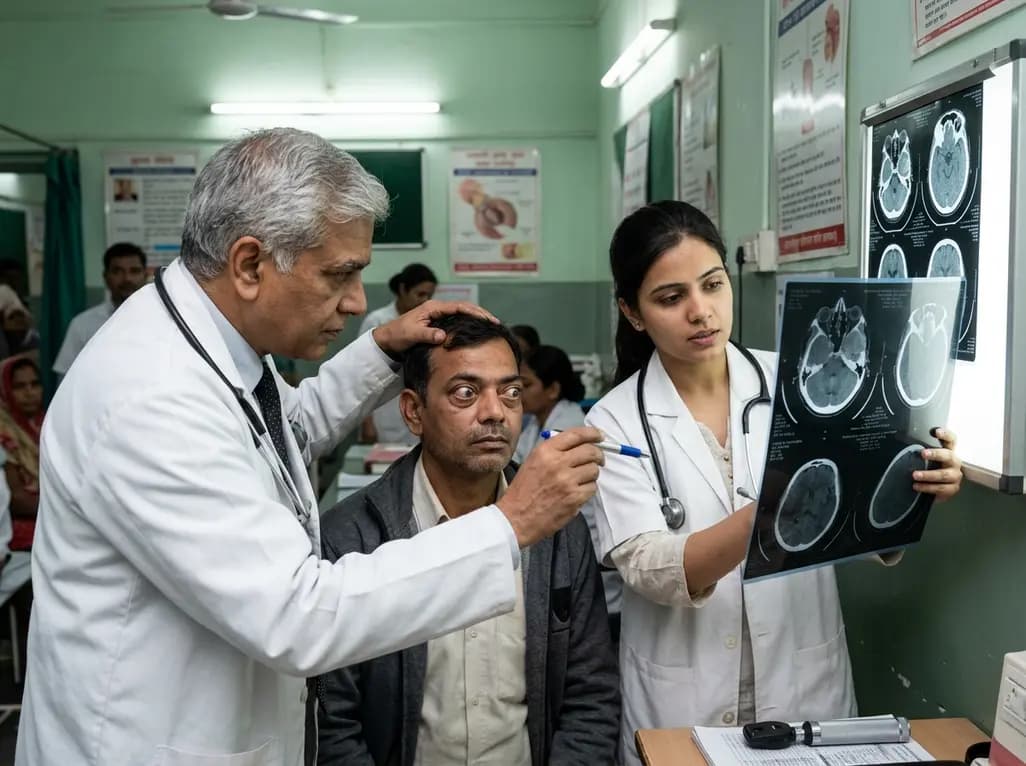
A recent clinical report details an atypical presentation of bilateral proptosis as the primary manifestation of aggressive multiple myeloma. Explore the diagnostic pathway, imaging findings, and critical multidisciplinary management strategies essential for handling extramedullary plasma cell dyscrasias.
Today
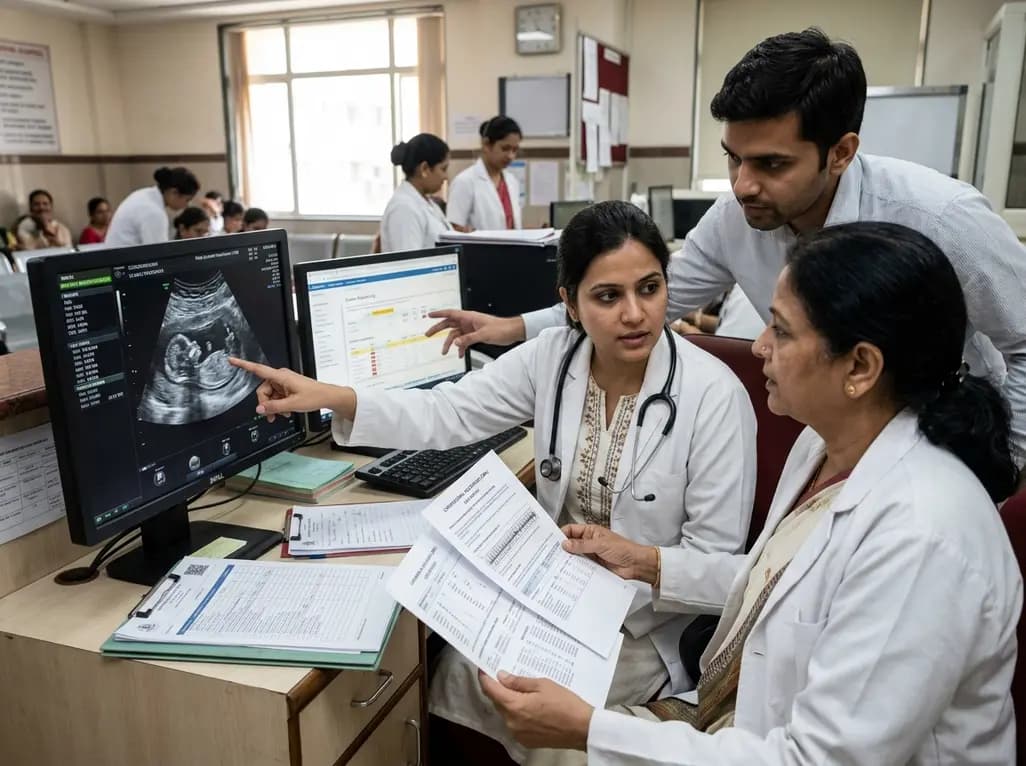
Prenatal evaluation of fetal growth restriction requires an integrated diagnostic approach. While chromosomal microarray remains fundamental, exome sequencing offers significant diagnostic yield in isolated and syndromic cases, especially when ultrasound shows skeletal anomalies or normal placental function.
Today
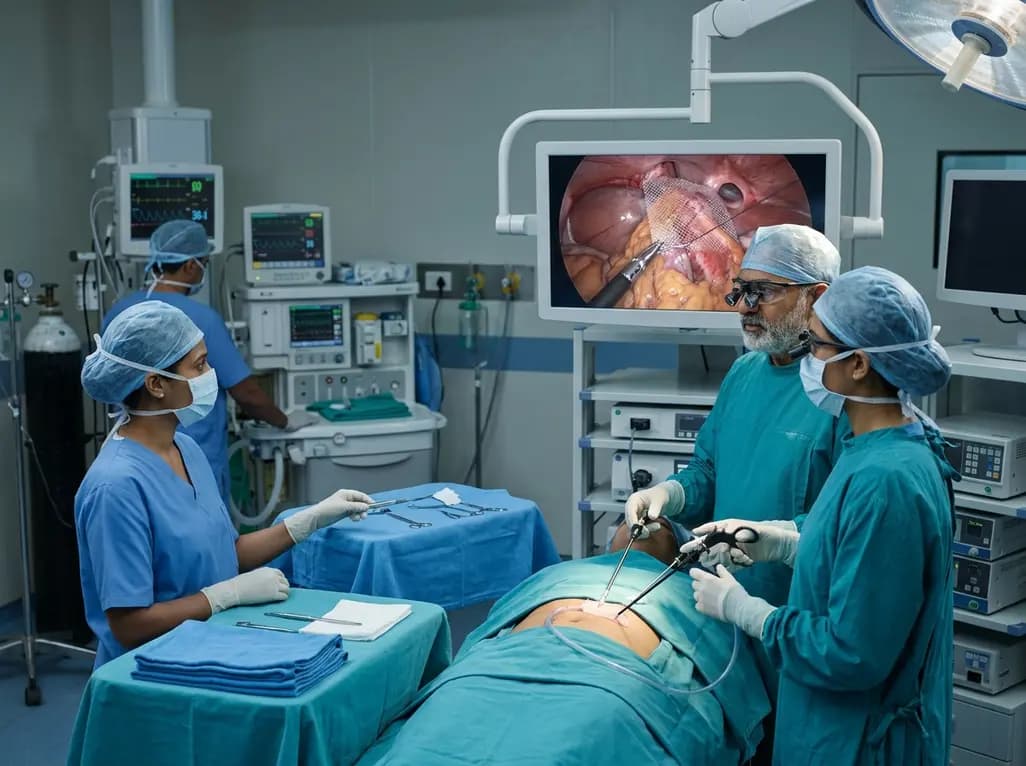
Discover a novel laparoscopic approach for iatrogenic diaphragmatic hernia repair following pedicled omentoplasty. This modified Sugarbaker technique integrates dorsal pedicle lateralization and round ligament reinforcement to secure the diaphragmatic defect while preserving vital omental vascularity.
Today

High-grade trochlear dysplasia disrupts patellofemoral stability. Although the patellotrochlear index measures cartilage overlap on MRI, cartilage contact does not ensure osseous containment. Relying solely on two-dimensional metrics may lead surgeons to overlook necessary tibial tubercle osteotomy procedures.
Today
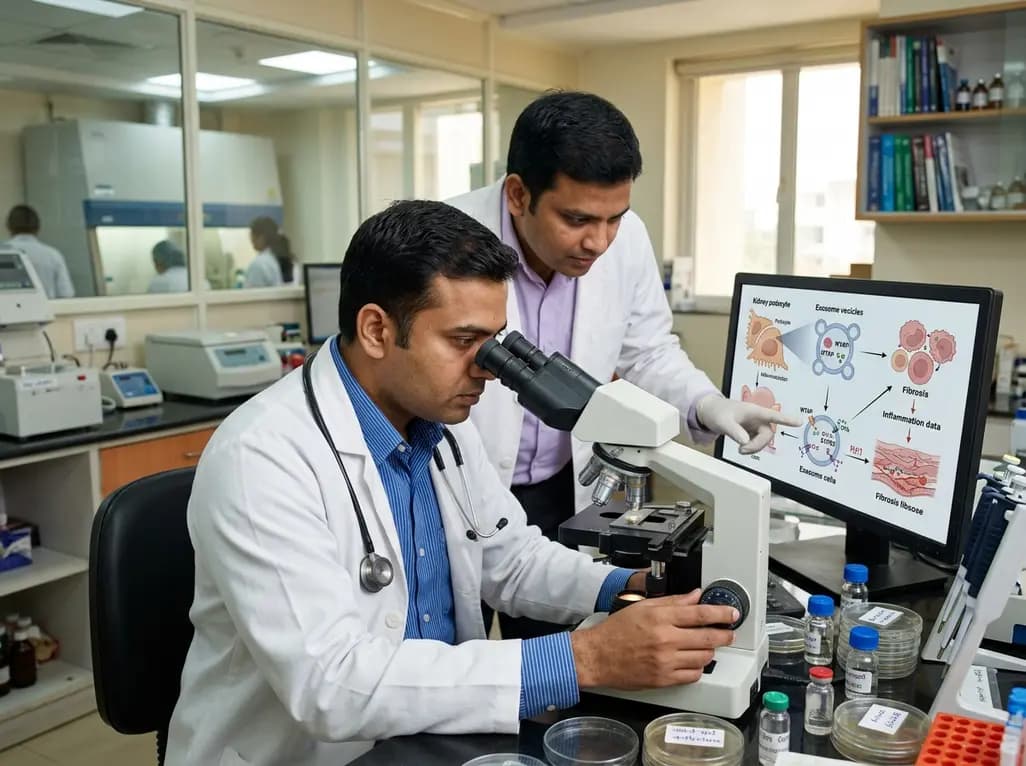
New research reveals that M1 macrophage-derived exosomes aggravate diabetic nephropathy by transferring WTAP to stabilize S1PR2 mRNA. Silencing WTAP in these vesicles attenuates endothelial injury and renal fibrosis, pointing toward innovative nanomedicine therapies.
Today
