.webp&w=384&q=75)

Loading, please wait...
Loading, please wait...

Human spaceflight exposes astronauts to environmental stressors that alter physiological homeostasis and immune function. Recent multi-omic investigations reveal that microgravity and cosmic radiation induce sustained MHC class I suppression across diverse mission durations. This dysregulation affects short orbital flights like Inspiration4 as well as extended International Space Station stays. Major Histocompatibility Complex class I molecules present endogenous peptides to cytotoxic T lymphocytes, enabling surveillance against pathogens and mutated cells. Therefore, persistent downregulation of these receptors compromises systemic immunosurveillance, placing spacefarers at heightened vulnerability during and after missions. Furthermore, epigenetic alterations and stress pathways contribute to this suppression. Consequently, understanding impaired antigen presentation is vital for space exploration. Additionally, these findings offer insights into terrestrial diseases where immune evasion occurs. Ultimately, protecting astronaut health requires multidisciplinary strategies bridging space medicine, immunology, and therapeutic development.
Understanding the molecular cascades driving downregulation of surface antigen presentation requires analyzing multi-omic data from astronauts. Microgravity and ionizing radiation alter transcriptomic profiles within peripheral blood mononuclear cells. Specifically, analyses demonstrate promoter hypermethylation and suppressed transcription of key histocompatibility genes. Moreover, cellular stress pathways, including elevated reactive oxygen species and altered glucocorticoid signaling, disrupt normal peptide processing and loading within the endoplasmic reticulum. Consequently, intracellular proteins fail to bind effectively, decreasing surface display of major histocompatibility complex molecules. Additionally, spaceflight shifts T-lymphocyte differentiation toward regulatory T-cell phenotypes while repressing interleukin-2 pathways. As a result, cytotoxic CD8+ T cells exhibit diminished activation and impaired target recognition. Furthermore, microgravity disrupts cytoskeletal architecture, hindering immunological synapse formation between antigen-presenting cells and lymphocytes. Therefore, identifying these transcriptomic targets provides a roadmap for pharmacological interventions designed to restore normal antigen processing during spaceflight.
The persistent reduction of cell-surface antigen presentation creates significant clinical vulnerabilities during extended space missions. Downregulation of major histocompatibility complexes mirrors immune evasion strategies utilized by oncogenic viruses and aggressive tumors on Earth. Consequently, spacefarers experience frequent reactivation of latent viral pathogens, such as Epstein-Barr virus, varicella-zoster virus, and cytomegalovirus. Additionally, impaired antigen presentation reduces natural killer cell co-stimulation and cytotoxic T-cell clearance, allowing subclinical viral replication to progress. Furthermore, long-duration cosmic radiation exposure increases somatic mutations, elevating baseline oncogenic risk. Because effective immunosurveillance relies on intact histocompatibility pathways to eliminate transformed cells, sustained suppression impairs anti-tumor defense systems. As a result, neoplastic clones may escape detection, potentially accelerating tumor initiation during multi-year planetary missions. Therefore, long-term post-mission surveillance is essential to detect latent infectious complications or late-onset malignant transformations, ensuring long-term crew safety.
Research into spaceflight-induced immunosuppression offers valuable translational knowledge for terrestrial clinical practice. Pathogens and malignant cells downregulate antigen-presenting molecules to escape host immune detection, mimicking physiological adaptations seen in astronauts. For example, chronic viral infections like hepatitis C utilize similar transcriptomic repression mechanisms to evade cytotoxic T cells. Similarly, solid tumors like melanoma frequently silence histocompatibility genes to establish an immunosuppressive tumor microenvironment. Therefore, studying reversible epigenetic pathways in spaceflight helps oncologists and immunologists design novel therapeutic approaches. Additionally, terrestrial conditions characterized by chronic stress or prolonged bed rest exhibit comparable immune dysfunction. By investigating how microgravity disrupts cytokine networks, researchers identify shared biomarkers for early immune exhaustion. Consequently, space medicine research directly enhances clinical strategies for cancer immunotherapy, chronic infection management, and age-related immunosenescence.
Addressing persistent antigen presentation defects requires innovative therapeutic countermeasures adaptable to extreme environments. Pharmacological agents that reverse histone modification and promoter methylation represent a promising strategy for restoring gene expression. Specifically, low-dose histone deacetylase inhibitors and demethylating agents can re-establish histocompatibility gene transcription without inducing systemic toxicity. Furthermore, targeted cytokine therapies, such as recombinant interferon-gamma, can upregulate antigen processing pathways and reactivate cytotoxic effector cells. In addition to pharmacological options, individualized nutritional interventions and targeted exercise regimens mitigate systemic oxidative stress and glucocorticoid surges. Moreover, advance pharmacogenomic profiling enables flight surgeons to tailor immunomodulatory regimens based on baseline genomic profiles. Additionally, periodic monitoring of cell-free RNA and single-cell immune profiling allows real-time assessment of immune health. Consequently, clinicians can intervene before clinical viral reactivation or malignant escape occurs, ensuring robust immune surveillance during extended space exploration.
Expanding human exploration to the Moon and Mars necessitates comprehensive research into long-term immune resilience. Current spaceflight datasets focus primarily on short-duration missions, highlighting the need for longitudinal studies during deep-space exploration. Specifically, future investigations must characterize synergistic effects of galactic cosmic rays, microgravity, and psychological stress on immune memory. Furthermore, researchers should utilize organ-on-a-chip technology aboard spacecraft to study real-time antigen presentation kinetics under simulated gravity. In addition, clinical trials evaluating preventative immunomodulators must validate safety profiles in terrestrial analogs before deployment on space missions. Collaborations between space agencies, academic institutions, and medical centers will drive the development of novel targeted biologicals. Consequently, these advancements will refine countermeasures for spaceflight while expanding therapeutic options for oncology and infectious disease care globally. Ultimately, unraveling histocompatibility modulation in extreme environments will protect future spacefarers and transform clinical immunology practices across Earth.
MHC class I suppression in astronauts refers to the sustained downregulation of major histocompatibility complex class I genes caused by microgravity and cosmic radiation during spaceflight. These crucial surface molecules present intracellular antigen peptides to cytotoxic T lymphocytes. Consequently, when their expression is reduced, immune cells cannot effectively identify or destroy pathogen-infected or mutated neoplastic cells, increasing the overall risk of opportunistic infections, viral reactivation, and cellular transformation.
Spaceflight-induced immune evasion closely mirrors mechanisms observed in terrestrial viral infections and solid tumors that downregulate histocompatibility molecules to escape host immunity. Investigating these spaceflight pathways helps Earth-based researchers identify epigenetic regulatory mechanisms, novel biomarkers, and therapeutic targets. Consequently, this translational research advances cancer immunotherapies, enhances antiviral treatments, and informs clinical management of chronic immune dysfunction and stress-induced immunosenescence in terrestrial clinical practice.
Therapeutic strategies include targeted epigenetic drugs like low-dose histone deacetylase inhibitors, cytokine therapies such as interferon-gamma, and personalized nutritional and pharmacogenomic interventions. Additionally, structured physical exercise protocols and real-time multi-omic monitoring help preserve immune homeostasis. These combined strategies aim to restore normal antigen processing and presentation, maintaining robust cytotoxic T-cell surveillance during long-duration space missions and improving targeted immunotherapies for patients on Earth.
Disclaimer: This content is for informational and educational purposes only and does not constitute professional medical advice, diagnosis, or treatment. Always seek the advice of your physician or other qualified health provider with any questions you may have regarding a medical condition. Refer to the latest local and national guidelines for clinical practice.
References
1. LeRoy E et al. Long-term major histocompatibility complex class I suppression in astronauts and clinical implications. Commun Biol. 2026 Aug 06. doi: undefined. PMID: 42562863.
2. Tierney BT et al. Single-cell multi-ome and immune profiles of the Inspiration4 crew reveal conserved, cell-type, and sex-specific responses to spaceflight. Nat Commun. 2024 Jun 11;15(1):4919.
3. Garcia-Medina SJ et al. Multi-omics profiling reveals immune suppression and antigen presentation deficits following human spaceflight. Prec Clin Med. 2024;7(1):pbae001.

Read summarized clinical updates, watch expert medical content, and earn CME certifications right from your smartphone.
Open your smartphone camera to scan and install.





Spaceflight induces long-term major histocompatibility complex (MHC) class I suppression in astronauts, compromising immune surveillance. This insight highlights increased risks for viral reactivation and cancer while informing novel translational immunotherapies for terrestrial health conditions.
4 weeks back

A large NHANES cohort study reveals that higher Healthy Eating Index scores significantly reduce all-cause mortality risk in CKD patients by 45%. This analysis highlights the importance of comprehensive diet quality and medical nutrition therapy in renal care to optimize long-term clinical survival.
Today

A prospective cohort study demonstrates that poor adolescent sleep quality, especially long sleep latency and reduced efficiency, increases dysmenorrhea severity in young adulthood. Addressing adolescent rest patterns offers a critical preventive avenue for clinicians.
Today
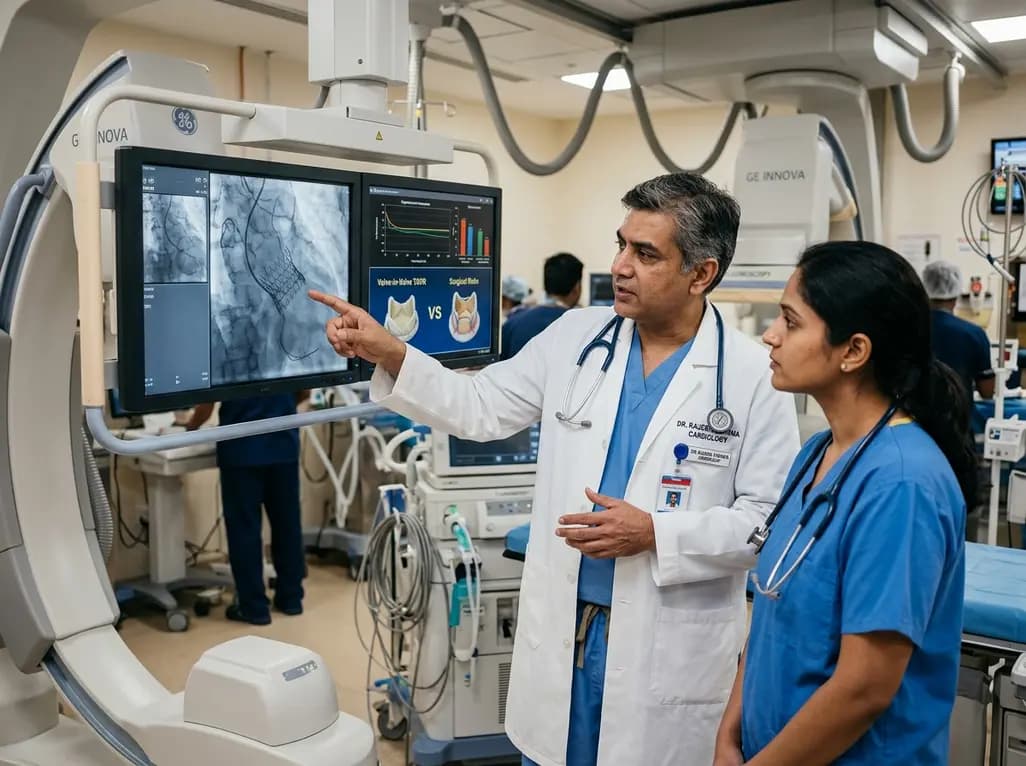
A meta-analysis of 13 propensity score-matched studies shows ViV-TAVR delivers lower early mortality and reduced bleeding compared to redo-SAVR for degenerated bioprosthetic aortic valves, though long-term hemodynamics warrant careful anatomical and patient-centered evaluation.
Today
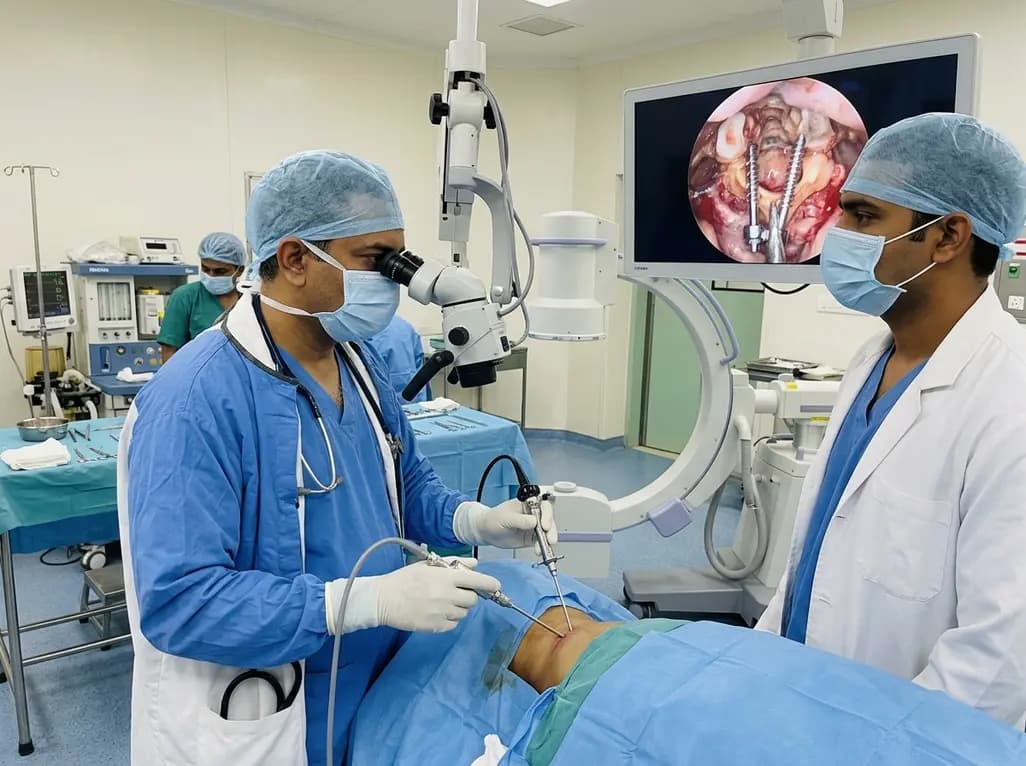
Endoscopic posterior cervical fusion combines minimally invasive decompression, joint preparation, and rigid screw-rod fixation for atlantoaxial pathologies. Early clinical findings demonstrate solid bony union, excellent symptom relief, and minimal soft-tissue morbidity without significant vascular compromise.
Today
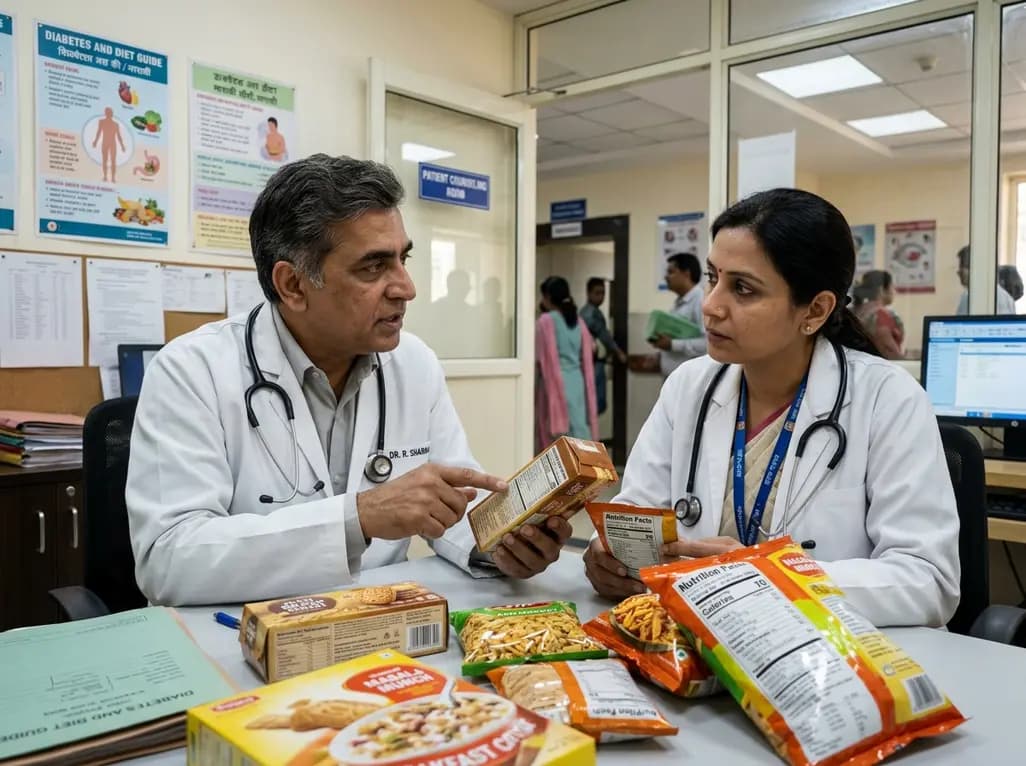
The All-India Food Processors' Association has approached the Supreme Court to oppose FSSAI's proposed per-100g benchmark for front-of-pack warning labels, advocating instead for a per-serving threshold. We explore the regulatory showdown, nutritional evidence, and implications for clinical lifestyle counseling.
Today
