.webp&w=384&q=75)

Loading, please wait...
Loading, please wait...
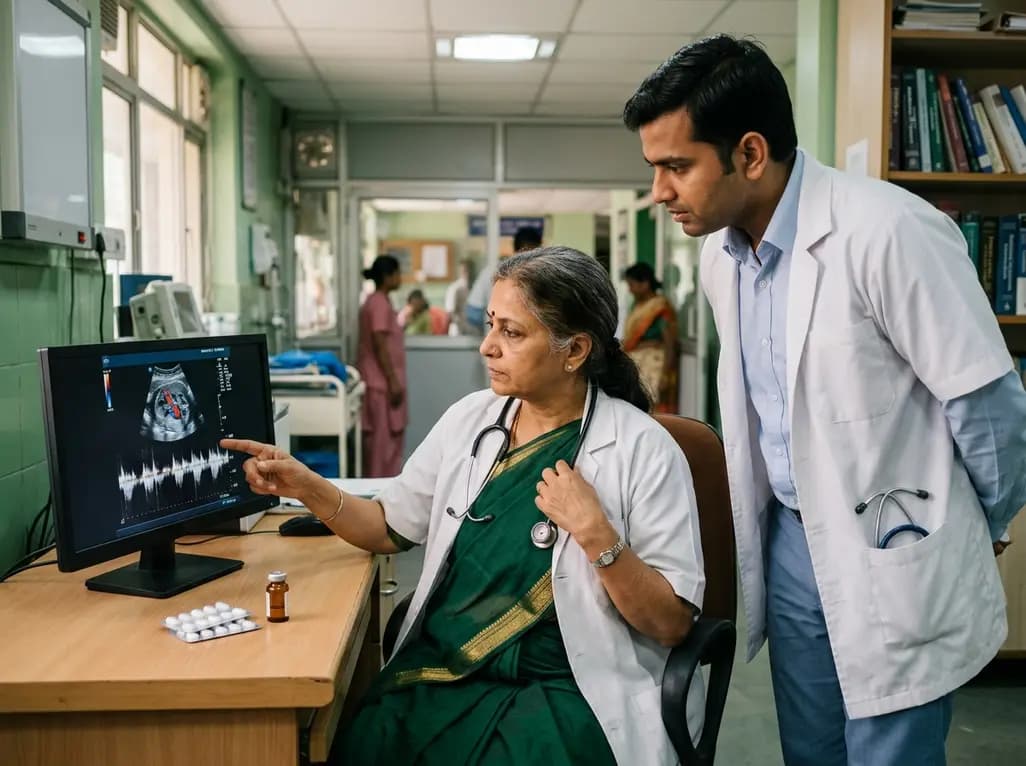
Valproic Acid (VPA) is a primary treatment for epilepsy and bipolar disorder. However, prenatal exposure is linked to serious developmental risks, particularly cardiotoxicity. Recent research highlights how metformin cardiotoxicity protection might offer a solution by restoring cellular health through the AMPK/PGC-1α axis.
The study found that VPA suppresses critical pathways responsible for mitochondrial energy and redox balance. Specifically, it reduces the activity of the AMPK/PGC-1α axis. This suppression leads to oxidative stress, evidenced by increased malondialdehyde (MDA) and decreased glutathione (GSH) levels. Consequently, embryos exposed to VPA exhibit bradycardia and reduced cardiac output.
Metformin, a well-known AMPK activator, effectively reverses these damages. Furthermore, it restores the expression of cardiac genes such as amhc and vmhc. By re-establishing mitochondrial homeostasis, metformin preserves cardiac function and structural integrity during early development.
Restoring redox balance is essential for embryonic heart health. Metformin exposure significantly boosted superoxide dismutase (SOD) activity and normalized nitric oxide levels. In addition, it enhanced the expression of mitochondrial genes. Therefore, researchers believe metformin’s pleiotropic effects provide a robust defense against VPA-induced oxidative insults. This protection is critical, especially since no targeted pharmacological countermeasure currently exists for VPA-induced developmental toxicity.
VPA inhibits the AMPK/PGC-1α axis, which leads to mitochondrial dysfunction and oxidative stress. This results in cardiac edema, bradycardia, and decreased ventricular ejection fraction in developing embryos.
In zebrafish models, Metformin successfully prevented structural and functional heart damage. It achieved this by activating the AMPK pathway, which restored energy production and balanced the antioxidant defense system.
Disclaimer: This content is for informational and educational purposes only and does not constitute medical advice or a professional recommendation. Refer to the latest local and national guidelines for clinical practice.
References

Read summarized clinical updates, watch expert medical content, and earn CME certifications right from your smartphone.
Open your smartphone camera to scan and install.





Research reveals Metformin protects against Valproic Acid-induced developmental cardiotoxicity by activating the AMPK/PGC-1α pathway and restoring redox bal...
4 months ago
Explore vital recurrent stroke predictors in lacunar stroke patients managed with intensive blood pressure lowering. This analysis examines trial findings from SPS3 to uncover residual vascular risks, metabolic factors, and targeted secondary prevention strategies for high-risk neurological patients.
Today
A comprehensive scoping review synthesises evidence linking prenatal maternal mental health to long-term offspring neurodevelopment, evaluating neuroendocrine, inflammatory, and epigenetic pathways while highlighting clinical screening and future research priorities.
Today

The Directorate General of Health Services directs Indian states to halt the hazardous reuse and reprocessing of single-use medical devices. Discover regulatory implications under the Drugs and Cosmetics Act, critical infection risks, legal liabilities, and operational changes required across clinical specialties.
Today
Mitochondria-targeted nanoparticles self-assembled from EGCG and L-glutamic acid effectively restore mitochondrial homeostasis, suppress synovial inflammation, and attenuate chondrocyte senescence in osteoarthritis, offering a promising disease-modifying nanotherapy.
Today

India is advancing preventive healthcare by integrating genomics, artificial intelligence, and quantum technologies. With the SANGAM programme sequencing one million Indian genomes, clinicians can unlock personalized therapies, detect cardiometabolic risks early, and curb the burden of diabetes and heart disease.
Today
