.webp&w=384&q=75)

Loading, please wait...
Loading, please wait...
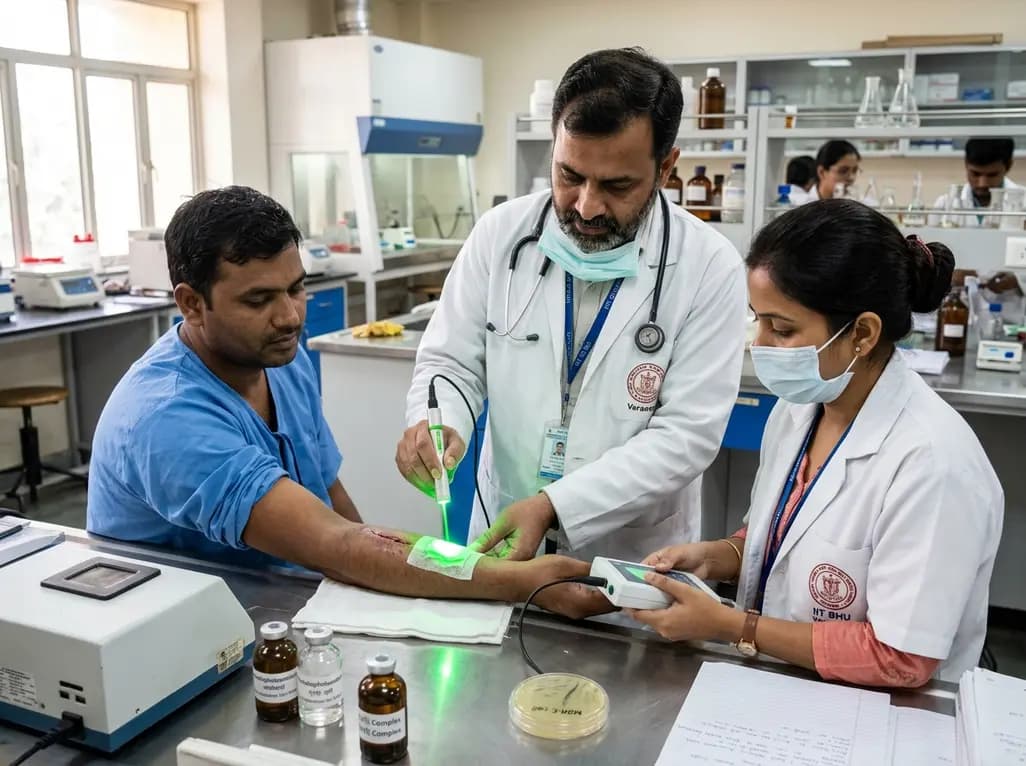
Pathogenic bacteria increasingly evade conventional antimicrobials through robust physiological shields and genetic adaptations. Consequently, clinicians worldwide confront dwindling therapeutic options for complicated tissue and implant infections. To address this crisis, researchers at the Indian Institute of Technology (BHU), Varanasi, introduced an innovative class of light-activated compounds called metallophotoantibiotics. Their breakthrough study, published in the Nature Portfolio journal Communications Chemistry, details how green-light-activatable osmium complexes dismantle tenacious bacterial defenses. Furthermore, this photochemical technology achieves dual actions by eradicating resilient pathogens and accelerating infected wound closure in laboratory models. As antimicrobial resistance surges across clinical settings, these bioinorganic formulations present an inspiring therapeutic paradigm.
Modern healthcare systems face severe hurdles from multidrug-resistant pathogens. Clinicians routinely manage surgical site infections that fail standard antimicrobial regimens. In particular, bacterial biofilms create substantial barriers against both systemic antibiotics and host immunological defenses. These structured microbial communities synthesize a dense extracellular polymeric matrix. As a result, standard pharmaceuticals cannot penetrate deep into the bacterial architecture.
Furthermore, bacteria within biofilms enter a metabolically dormant state known as the persister phenotype. Conventional antibiotics depend heavily on active cellular metabolism to exert bactericidal effects. Consequently, traditional drugs fail to eradicate these slow-growing subpopulations. Medical devices such as orthopedic implants, urinary catheters, and prosthetic grafts frequently harbor persistent biofilms. When colonizing these foreign surfaces, bacteria trigger recurrent local inflammation and chronic tissue destruction.
Additionally, systemic antibiotic escalation often yields dose-limiting toxicities without clearing the local nidus. This treatment failure necessitates invasive surgical debridement or device removal. Therefore, researchers must devise novel non-antibiotic strategies that bypass classic resistance pathways. Targeted physical or photodynamic modalities represent an essential clinical frontier for recalcitrant wound management.
To surmount these bioinorganic obstacles, the interdisciplinary team at IIT BHU designed specialized osmium-based metallophotoantibiotics. The research brought together investigators from chemistry, biomedical engineering, and pharmaceutical sciences. Specifically, the team synthesized three distinct coordination complexes termed Os1, Os2, and Os3. These compounds remain biologically inert in dark environments, which minimizes off-target cytotoxicity.
However, precise irradiation with green light rapidly activates these osmium molecules. Many classical photodynamic agents rely on high-energy ultraviolet or blue light. Unfortunately, high-energy wavelengths cause substantial phototoxicity in healthy host tissues. Moreover, shorter wavelengths exhibit poor tissue penetration depth. In contrast, green light provides safer tissue interaction while penetrating deeper into superficial dermal beds.
Among the tested candidates, the Os1 complex exhibited superior photophysical properties and stability. Notably, the coordination geometry of osmium facilitates long-lived excited electronic states upon light absorption. This molecular configuration enhances energy and electron transfer to adjacent molecular oxygen. Consequently, the activated metallophore triggers localized cytotoxic cascades exclusively within the illuminated infection field. This localized activation gives clinicians tight spatial control over antimicrobial activity.
The primary bactericidal action of these novel compounds stems from the rapid generation of reactive oxygen species (ROS). Upon targeted green-light irradiation, the photoexcited osmium complex transfers energy to surrounding oxygen molecules. Consequently, this process produces singlet oxygen and potent hydroxyl free radicals. These short-lived oxidative agents exert multifaceted, indiscriminate cellular damage against microbial targets.
Specifically, the generated reactive oxygen species attack bacterial cell membranes, causing lipid peroxidation and rapid loss of membrane integrity. Furthermore, these oxidative surges degrade vital functional proteins and induce catastrophic genomic DNA cleavage. Because the reactive species strike multiple intracellular targets simultaneously, bacteria cannot easily develop defensive mutations. This multi-target mechanism fundamentally differentiates photodynamic destruction from single-pathway antibiotic mechanisms.
Additionally, the generated radicals successfully infiltrate the protective extracellular polymeric matrix of established biofilms. In laboratory assessments against Gram-negative Escherichia coli and Gram-positive Bacillus subtilis, the Os1 complex achieved approximately 85 percent biofilm inhibition under green light. Moreover, the formulation demonstrated potent bactericidal activity against Staphylococcus aureus. Thus, the platform neutralizes both free-floating planktonic cells and entrenched bacterial colonies effectively.
Beyond microbial eradication in culture plates, the researchers demonstrated compelling in vivo outcomes using rodent wound models. Infected cutaneous injuries frequently stall in a protracted inflammatory phase. Persistent bacterial colonization and ongoing tissue destruction delay normal wound bed closure. However, topical application of Os1 combined with green-light irradiation rapidly resolved active wound infections in rats.
Remarkably, the treatment accelerated dermal tissue regeneration and wound contraction. Histological examinations revealed reduced local inflammatory infiltrates and marked increases in healthy granulation tissue. Furthermore, the localized photochemical therapy stimulated early fibroblast proliferation and organized collagen deposition. As a result, the treated animal subjects achieved accelerated epithelialization without systemic adverse effects.
Similarly, these light-triggered agents hold immense clinical potential for medical device preservation. Biofilms on indwelling catheters and percutaneous access devices represent a ubiquitous hospital-acquired hazard. Applying a photodynamic coating or local light treatment could potentially sanitize biomaterial surfaces in situ. Consequently, this technique might avert catastrophic implant removals and prolong device lifespans. Future clinical trials must confirm whether these animal observations translate reliably into human skin and soft tissue pathologies.
India bears a staggering burden of antimicrobial resistance and chronic wound morbidity. Diabetic foot ulcers, post-surgical complications, and burn trauma frequently harbor multidrug-resistant pathogens. Therefore, accessible and targeted light-activated modalities could transform bedside management in outpatient clinics and tertiary hospitals. The localized application of light limits systemic drug exposure, thereby protecting delicate renal and hepatic function.
Furthermore, utilizing green-light-emitting diodes (LEDs) offers significant economic advantages. LED systems are affordable, portable, and easily integrated into bedside wound-care routines. Consequently, primary healthcare facilities across diverse geographic settings could adopt this technology without prohibitive infrastructure costs. This indigenous technological innovation underscores the vital contribution of premier Indian academic institutions to global healthcare solutions.
Nevertheless, translating laboratory discoveries into clinical practice requires meticulous regulatory and pharmacological evaluation. Investigators must systematically evaluate long-term tissue clearance, osmium excretion kinetics, and potential heavy-metal accumulation. Additionally, standardized clinical protocols must define exact light dosimetry, pulse frequencies, and compound concentrations for human skin. Once researchers optimize these parameters, metallophotoantibiotic therapy could become a reliable weapon against resistant surgical infections.
Q1: What are metallophotoantibiotics and how do they function?
Metallophotoantibiotics are metal-coordinated chemical complexes that remain harmless until activated by specific light wavelengths. When exposed to green light, the osmium-based complex absorbs photons and transfers energy to surrounding oxygen. This photochemical activation produces reactive oxygen species that rapidly damage bacterial membranes, proteins, and DNA. Consequently, the therapy destroys multidrug-resistant bacteria and disrupts protective biofilm matrices without driving genetic resistance.
Q2: Why is green light preferred over ultraviolet or blue light in photodynamic therapy?
Ultraviolet and blue light possess higher photon energy, which frequently damages mammalian cellular DNA and causes local host tissue toxicity. Furthermore, these shorter wavelengths scatter rapidly and exhibit poor penetration into deeper dermal layers. In contrast, green light offers a much safer therapeutic profile. It penetrates biological tissue more effectively while delivering sufficient energy to activate photosensitizers without harming surrounding healthy human cells.
Q3: What preclinical evidence supports the use of osmium-based compounds for wound healing?
In preclinical rodent studies conducted by IIT BHU researchers, the lead osmium compound Os1 achieved roughly 85 percent biofilm inhibition against key pathogens. Under green-light exposure, the compound eradicated bacterial infections in open wounds while significantly accelerating tissue contraction and closure. Histological assessments demonstrated enhanced fibroblast activity, organized collagen remodeling, and rapid re-epithelialization without observable systemic toxicities in the animal models.
Disclaimer: This content is for informational and educational purposes only. It does not constitute medical advice or replace professional judgment. Refer to the latest local and national guidelines for clinical practice.
References

Read summarized clinical updates, watch expert medical content, and earn CME certifications right from your smartphone.
Open your smartphone camera to scan and install.





Researchers at IIT BHU have developed novel osmium-based metallophotoantibiotics activated by green light to combat multidrug-resistant bacterial infections and biofilms. Preclinical models demonstrated significant pathogen eradication, 85% biofilm inhibition, and accelerated healing of infected surgical wounds.
Today
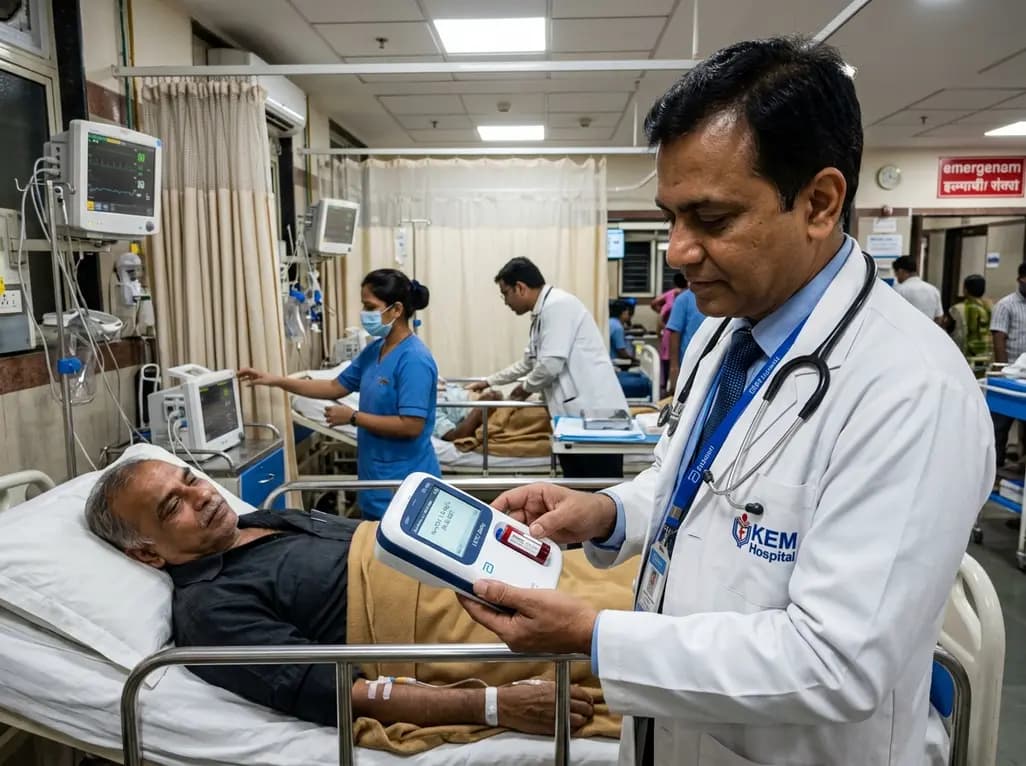
A real-world emergency department evaluation demonstrates that the Abbott i-STAT Alinity point-of-care high-sensitivity troponin I assay achieves excellent analytical precision and safely rules out myocardial infarction without false negatives, offering rapid bedside results to decongest acute care pathways.
Today
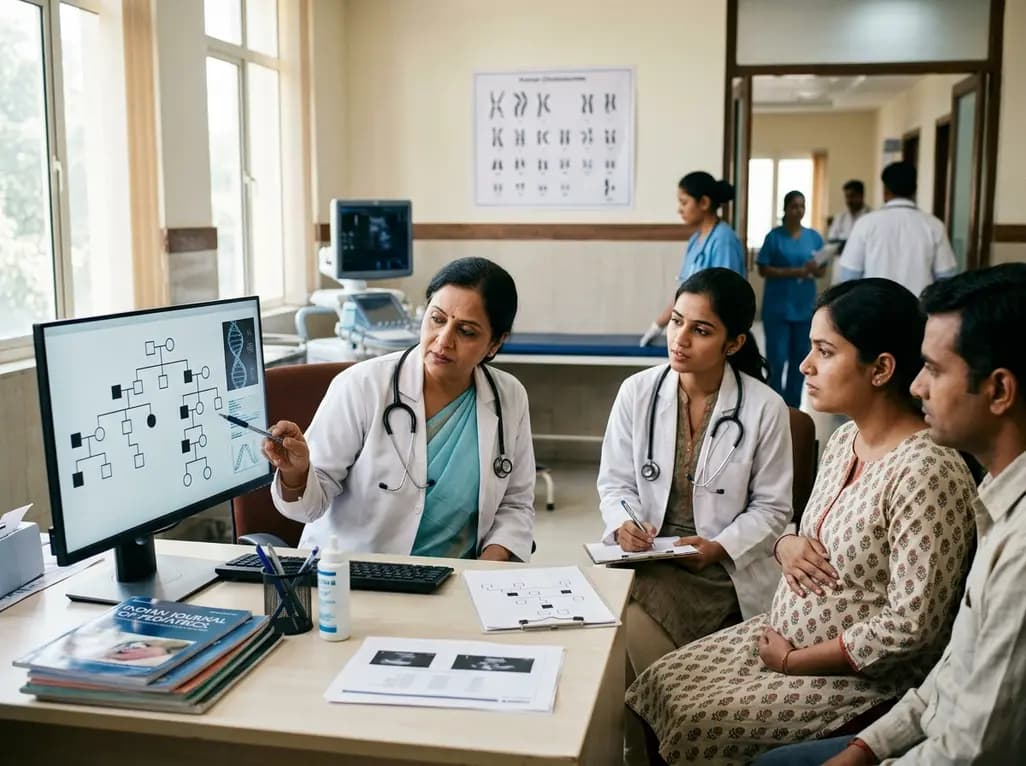
Integrating adult genetic services into reproductive and pregnancy care substantially alters clinical management. A study reveals that diagnostic genetic evaluations directly inform maternal, fetal, and neonatal care in nearly 57% of tested patients, highlighting the value of preconception and antenatal genomics.
Today
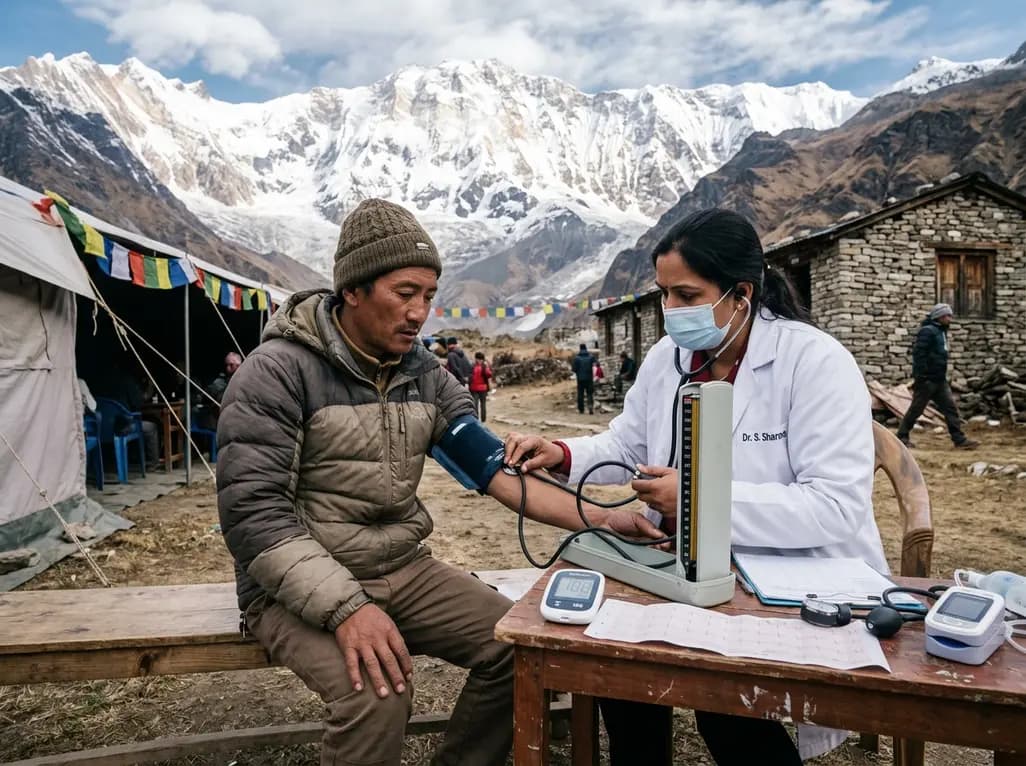
A cross-sectional study in Nepal evaluates cardiovascular risk factors among adults working above 4,000 meters. The findings reveal unexpected rates of diabetes, hypertension, and mountain sickness, underscoring the urgent need for targeted cardiometabolic screening in high-altitude occupational cohorts.
Today
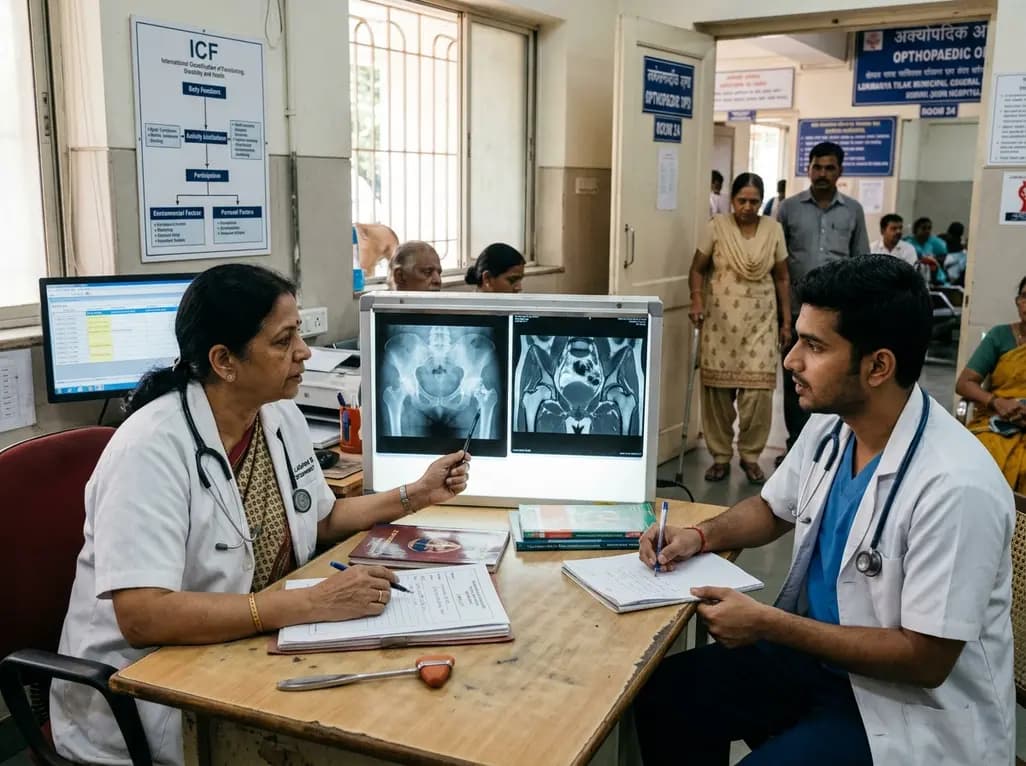
A recent scoping review highlights the value of using the ICF framework to assess chronic hip pain. While most clinical research focuses on anatomical damage, integrating activity limitations, participation restrictions, and environmental barriers enables more comprehensive, patient-centered musculoskeletal care.
Today
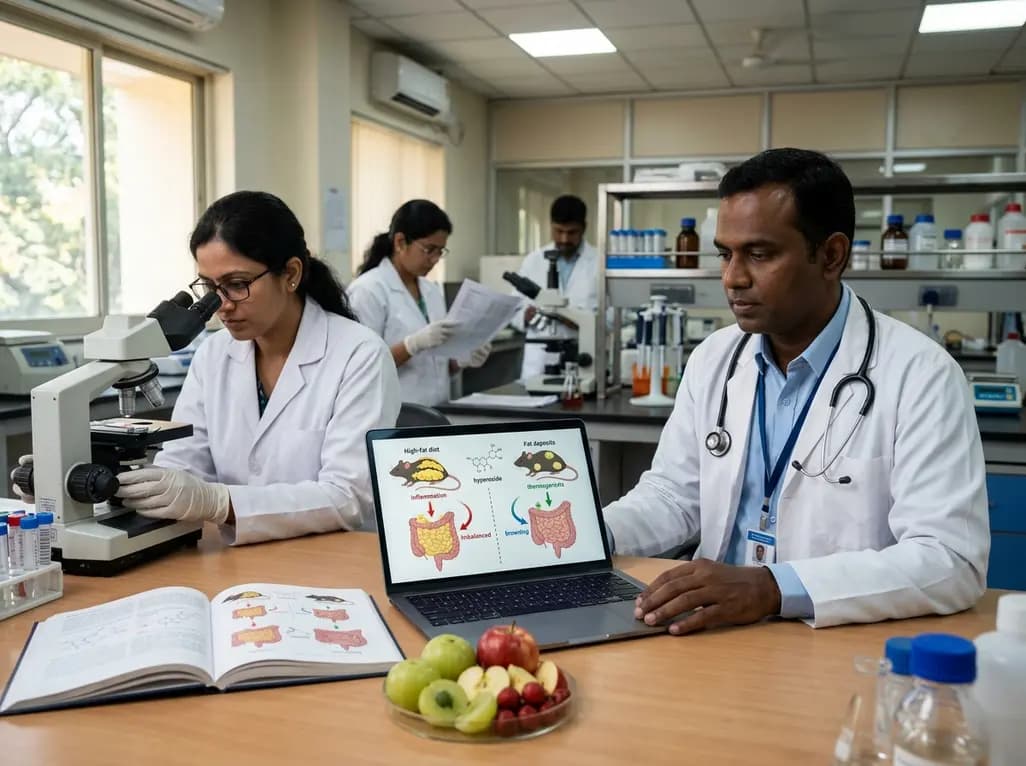
Preclinical findings demonstrate that dietary flavonoid hyperoside ameliorates high-fat diet-induced type 2 diabetes by stimulating brown adipose tissue thermogenesis, promoting white fat browning, dampening adipose macrophage inflammation, and restoring gut microbiota homeostasis.
Today
