.webp&w=384&q=75)

Loading, please wait...
Loading, please wait...

Pathologists and clinicians often face significant challenges when differentiating benign conditions from aggressive malignancies. Mesothelial cell inclusions in lymph nodes represent a particularly deceptive diagnostic pitfall. Although these inclusions are rare, they can closely mimic metastatic malignant mesothelioma or adenocarcinoma during cytologic evaluations. A recent case involving a 19-year-old man illustrates how these benign proliferations can lead to initial concerns for malignancy and the subsequent importance of precise diagnostic protocols.
A young man presented with bilateral chylothorax, mediastinal lymphadenopathy, and extensive venous thrombosis. In clinical practice, these symptoms often signal underlying malignancies. Consequently, the medical team initially prioritized ruling out metastatic disease. Fine-needle aspiration (FNA) of an inframammary lymph node demonstrated numerous mesothelial cells. Such a finding frequently complicates the diagnostic process because mesothelial cells appearing in nodal sites usually suggest metastasis or advanced malignancy.
To confirm the nature of these cells, clinicians must consider mesothelial cell inclusions within their differential diagnosis. In this specific case, histopathologic evaluation and immunohistochemistry (IHC) played a pivotal role in the final diagnosis. Pathologists utilized markers such as calretinin, D2-40, and WT-1 to identify the mesothelial origin. Furthermore, fluorescence in situ hybridization (FISH) can detect chromosomal deletions, such as CDKN2A (p16), which are common in malignant mesothelioma. Here, ancillary studies successfully confirmed a benign reactive mesothelial proliferation rather than a lethal cancer.
Recognizing these inclusions is essential to avoid diagnostic errors and inappropriate aggressive treatments. Moreover, clinicopathologic correlation remains the gold standard for management. Practitioners should consider the patient's history of serosal inflammation or effusions, as these factors may facilitate the migration of mesothelial cells into the lymphatic system. Therefore, the judicious use of ancillary studies ensures that patients receive accurate diagnoses without unnecessary physical or psychological trauma.
They are benign mesothelial cells located within the sinuses of lymph nodes. They typically appear following episodes of serosal inflammation, surgery, or chronic effusions.
These cells can morphologically resemble metastatic mesothelioma or adenocarcinoma. This similarity may lead to misdiagnosis and unnecessary oncological treatments if not properly identified.
Clinicians use a combination of IHC markers and FISH. While IHC confirms the mesothelial lineage, the absence of cytologic atypia and the lack of specific genetic deletions (like p16) point toward a benign process.
Disclaimer: This content is for informational and educational purposes only. It does not constitute medical advice, diagnosis, or treatment. Always seek the advice of a qualified healthcare provider regarding any medical condition. Refer to the latest local and national guidelines for clinical practice.
References

Read summarized clinical updates, watch expert medical content, and earn CME certifications right from your smartphone.
Open your smartphone camera to scan and install.





A 19-year-old's case reveals how benign mesothelial cell inclusions in lymph nodes can mimic metastatic mesothelioma, requiring careful IHC and FISH analysi...
6 months ago

Recent epidemiological data reveals a dramatic surge in summer heat mortality driven by human-induced climate warming. This analysis explores the pathophysiological impacts on cardiac and renal systems, diagnostic dilemmas in death certification, and essential emergency cooling protocols for acute clinical care.
Today
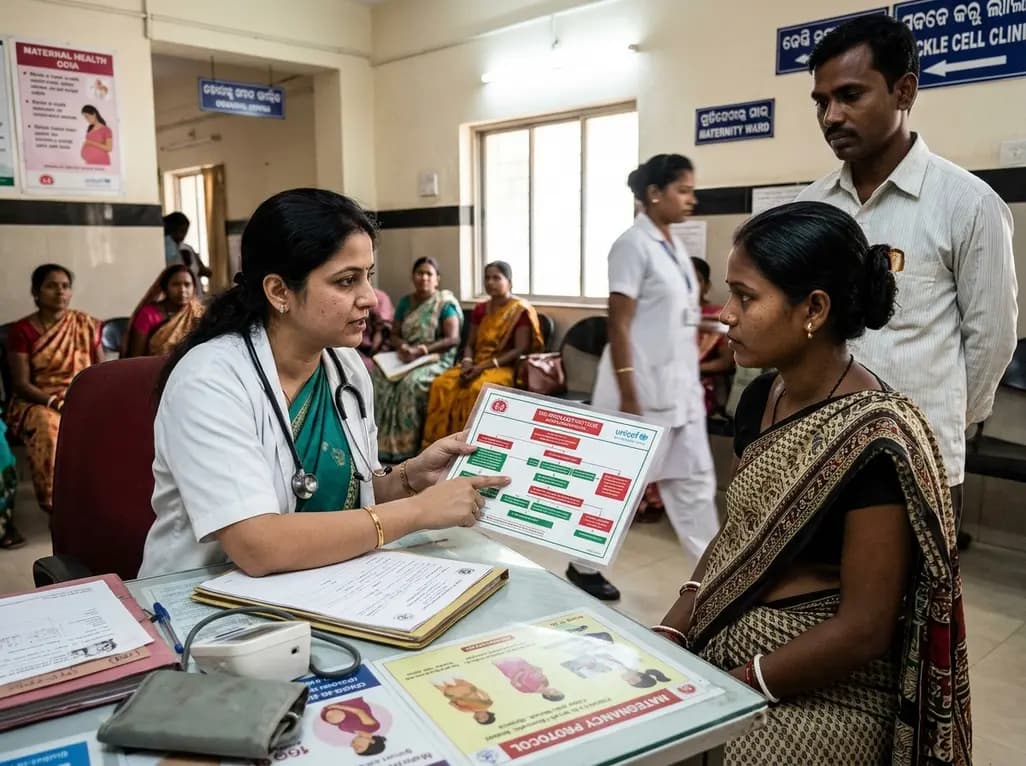
Odisha has established India's first state-level clinical protocol specifically tailored for pregnant women with sickle cell disease. Developed with NHM and UNICEF, the framework provides structured antenatal screening, crisis mitigation, standardized referral pathways, and specialized interdisciplinary care.
Today

India is advancing preventive healthcare by integrating genomics, artificial intelligence, and quantum technologies. With the SANGAM programme sequencing one million Indian genomes, clinicians can unlock personalized therapies, detect cardiometabolic risks early, and curb the burden of diabetes and heart disease.
Today
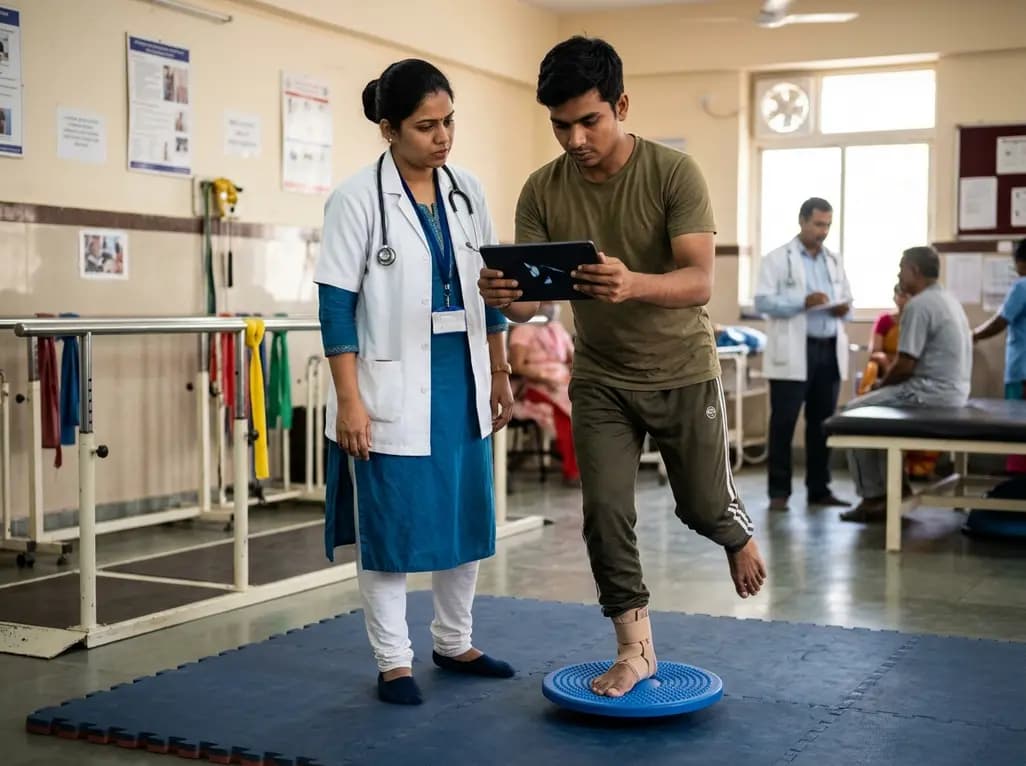
A randomized controlled trial demonstrates that an eight-week dual-task training intervention significantly improves static and dynamic postural control over standard balance exercises in individuals with chronic ankle instability, addressing critical neurocognitive deficits during athletic and daily activities.
Today

A retrospective cohort study of 7,716 ICU patients from the MIMIC-IV database demonstrates that Gradient Boosting Decision Trees significantly outperform traditional SOFA scores in predicting in-hospital mortality among patients with sepsis and diabetes, with SHAP analysis providing clinical interpretability.
Today
