

Loading, please wait...
Loading, please wait...
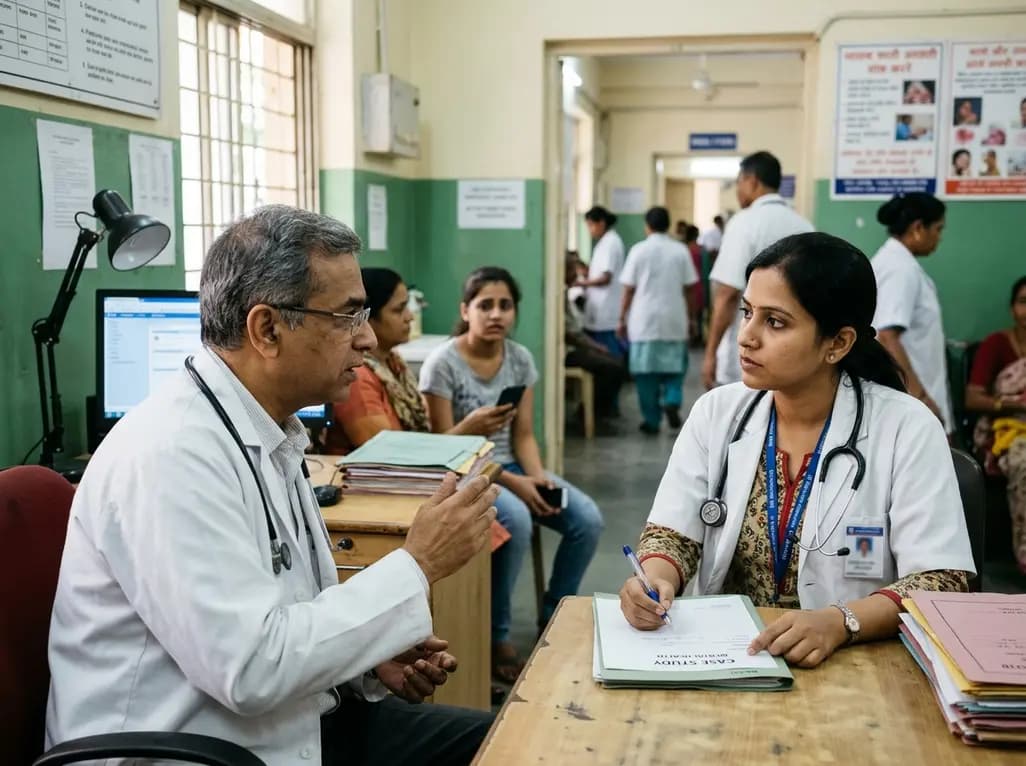
Digital platforms now host intimate personal disclosures regarding psychiatric illness, emotional distress, and therapeutic recovery. For young people navigating affective disorders, active mental health content creation serves as a prominent avenue for self-expression. A groundbreaking qualitative study published in the Journal of Medical Internet Research explored this phenomenon among youth diagnosed with conditions such as major depressive disorder and bipolar disorder. Clinicians must understand how digital sharing alters illness perception, therapeutic adherence, and psychosocial safety. Consequently, healthcare providers in India must adapt their clinical interviews to navigate these evolving digital behaviors.
Young creators frequently turn to social networks to fulfill essential emotional and psychological needs. Specifically, documenting daily psychiatric struggles allows youth to transform distressing symptoms into meaningful personal narratives. Instead of enduring distress in isolation, creators construct cohesive stories that validate their lived experiences. Furthermore, this deliberate storytelling generates an empowering sense of agency over stigmatizing clinical diagnoses.
Many individuals also post to foster mutual support among peers facing similar psychiatric challenges. By discussing medication side effects, counseling hurdles, and depressive episodes, they build virtual networks of solidarity. In addition, creators report experiencing catharsis when they share unvarnished reflections about distress. Consequently, this medium provides young individuals with an immediate outlet that traditional offline environments often fail to provide.
However, repeated self-disclosure involves substantial emotional labor. Although initial posts often provide immense relief, sustaining an online presence demands continuous cognitive engagement. Creators often feel an unspoken obligation to produce regular updates about their recovery trajectory. Therefore, what begins as an authentic therapeutic outlet can gradually shift into an exhausting communicative demand. Clinicians should recognize that digital expression simultaneously offers validation and imposes significant emotional strain.
Audience feedback serves as a decisive catalyst that actively shapes subsequent online behavior. When followers leave empathetic comments, creators experience profound psychological validation and reduced loneliness. Positive reinforcement confirms that their personal suffering possesses genuine social utility. Consequently, creators frequently feel inspired to advocate for destigmatization and share constructive coping strategies.
Nevertheless, public reactions remain notoriously volatile across high-traffic digital platforms. Negative comments, unsolicited medical advice, and dismissive remarks frequently trigger severe emotional distress. Moreover, algorithmic amplification often pushes intimate disclosures far beyond intended, supportive audiences. As a result, creators unexpectedly face harsh criticism from strangers who misunderstand psychiatric illness.
Furthermore, creators frequently internalize the emotional burdens of their followers. Audience members often treat content creators as informal counselors, sending desperate messages regarding active crises or self-harm. Because young creators lack professional training, handling vicarious trauma induces overwhelming moral panic and anxiety. Therefore, reciprocal digital interactions frequently complicate the boundaries between genuine mutual support and harmful psychological overextension. Clinicians must evaluate how these external pressures subtly influence a patient's ongoing psychiatric stability.
Repeated online sharing eventually creates complicated dilemmas regarding privacy and offline identity. Although many creators seek anonymous expression, platform surveillance and social algorithms often breach digital partitions. Consequently, friends, university peers, employers, and family members may unexpectedly discover deeply personal disclosures. This boundary dissolution frequently causes significant interpersonal conflict and relational friction.
Offline exposure brings acute distress, particularly within communities harboring pervasive psychiatric stigma. Individuals often face awkward confrontations, unwanted sympathy, or outright social discrimination from colleagues and acquaintances. Moreover, malicious users sometimes weaponize these public admissions, subjecting creators to targeted cyberbullying and offline harassment. Thus, the perceived safety of an online community can rapidly dissolve into pervasive real-world vulnerability.
To survive these hazards, young creators must actively develop complex risk-mitigation strategies. They frequently manage multiple secondary accounts, purge historical archives, and restrict direct messaging privileges. Nevertheless, maintaining these defensive boundaries requires substantial vigilance and emotional resilience. Over time, the chronic apprehension of being unmasked or harassed can worsen underlying anxiety and depressive states. Medical practitioners must remain vigilant regarding how privacy breaches might precipitate acute clinical decompensation.
The findings from this qualitative research offer urgent lessons for healthcare practitioners across India. Indian youth currently represent the largest demographic of active digital media consumers worldwide. Concurrently, public stigma surrounding depressive disorders, bipolar disorder, and suicidal ideation remains widespread in Indian society. Young individuals increasingly bypass conservative offline environments to seek solace, validation, and community on social platforms.
However, rapid digital self-disclosure presents unique cultural risks within Indian family structures. Indian youth often encounter intense familial surveillance and severe social reprimands if relatives discover public mental health disclosures. Furthermore, popular platforms frequently host unregulated commercial therapy services, unscientific wellness fads, and unqualified peer influencers. Consequently, vulnerable young patients may adopt inappropriate diagnostic labels or abandon evidence-based pharmacotherapy in favor of anecdotal online guidance.
Therefore, Indian psychiatrists and family physicians cannot afford to treat social media habits as irrelevant trivialities. Clinicians must actively examine whether patient disclosures reflect unmet psychological needs, social alienation, or genuine cries for help. In addition, healthcare providers should evaluate how digital peer interactions intersect with domestic social support and academic pressures. By proactively investigating these dynamics, clinicians can provide grounded, culturally sensitive care that directly acknowledges the realities of digital life.
Healthcare professionals must incorporate structured digital history assessments into regular psychiatric evaluations. When treating young patients with mood disorders, clinicians should routinely ask about online content creation habits. Specifically, doctors should determine why patients post, what feedback they receive, and whether online interactions provoke distress. Inquiring about digital activity in an open, nonjudgmental manner fosters therapeutic trust and mutual respect.
Furthermore, physicians should guide young patients toward establishing healthy boundaries around online self-disclosure. Clinicians can explain how digital exposure creates irreversible public records that might impact future employment and relationships. Similarly, practitioners must educate patients on managing parasocial relationships and resisting vicarious trauma from desperate followers. Encouraging young people to curate private, moderated support networks significantly reduces the threat of predatory harassment.
Finally, clinicians should reinforce the vital distinction between social media catharsis and structured psychotherapy. Although peer communities provide temporary relief, they cannot replace formal cognitive interventions or evidence-based psychiatric treatment. Clinicians must actively direct patients toward professional resources, such as national helplines like Tele-MANAS and accredited mental health professionals. Ultimately, empowering young individuals to navigate digital spaces responsibly safeguards both their online identity and psychological well-being.
Young patients primarily share their psychiatric struggles online to satisfy unmet emotional needs and find supportive communities. Transforming raw psychological pain into creative digital narratives gives creators a meaningful sense of agency and purpose. Furthermore, public posting fosters peer solidarity, facilitates cathartic release, and combats feelings of profound isolation. However, this repeated self-disclosure often demands significant emotional labor, as creators feel compelled to continually document their recovery for curious digital followers.
Public self-disclosure exposes vulnerable patients to hostile trolling, cyberbullying, and unwanted offline recognition by acquaintances or employers. Furthermore, algorithmic amplification often broadcasts deeply intimate symptoms to broad audiences who hold stigmatizing views. In addition, creators frequently experience vicarious trauma when distressed followers treat them as emergency counselors. Consequently, the chronic stress of managing invasive comments, boundary breaches, and privacy disruptions can severely exacerbate underlying depressive and anxiety symptoms.
Clinicians should incorporate nonjudgmental questions about digital habits into routine psychiatric assessments. Inquiring about posting motivations, audience feedback, and emotional responses helps providers identify hidden psychosocial stressors. Furthermore, physicians must provide targeted psychoeducation regarding online privacy, digital footprint permanence, and boundary management. Most importantly, clinicians should validate the patient's desire for peer connection while reinforcing the irreplaceable value of formal, evidence-based psychiatric care and crisis support resources.
Disclaimer: This content is for informational and educational purposes only. It is not intended to replace professional medical advice, diagnosis, or treatment. Refer to the latest local and national guidelines for clinical practice.
References

Read summarized clinical updates, watch expert medical content, and earn CME certifications right from your smartphone.
Open your smartphone camera to scan and install.





A qualitative study in JMIR evaluates why young people repeatedly post psychiatric experiences on social media. While content creation provides validation and community, it exposes youth to boundary breaches and emotional strain. Discover clinical insights for Indian healthcare providers.
Today

A new study demonstrates how explainable AI guides transparent fall risk prediction models in older adults. By pairing random survival forests and SHAP with Cox regression, researchers achieved superior accuracy and eliminated unneeded variables, enhancing clinical decision-making and patient safety.
Today

Ascertainment bias in cancer case-control studies inflates odds ratios and penetrance estimates when cases are drawn from high-risk clinics. A landmark modeling study demonstrates substantial bias ranging up to 23.72, highlighting the critical need for ascertainment adjustment in genetic risk counseling.
Today

Researchers demonstrate that central induction of synthetic torpor in non-hibernating rats provides striking cardioprotection, reducing myocardial infarct size by ~40% during ischaemia-reperfusion injury through endogenous survival signaling, independent of hypothermia.
Today
A prospective study evaluates DeepSeek for knee osteoarthritis outcomes. While the model excels at baseline diagnosis and clinical scoring, its six-month prognostic predictions fall short of clinicians and simple persistence models, demonstrating high run-to-run variability.
Today

A novel fluorine-functionalized near-infrared copper fluorescent probe selectively illuminates lung tissue, revealing critical links between hyperglycemia, ER stress, and pulmonary malignancy for improved early diagnosis.
Today
