.webp&w=384&q=75)

Loading, please wait...
Loading, please wait...
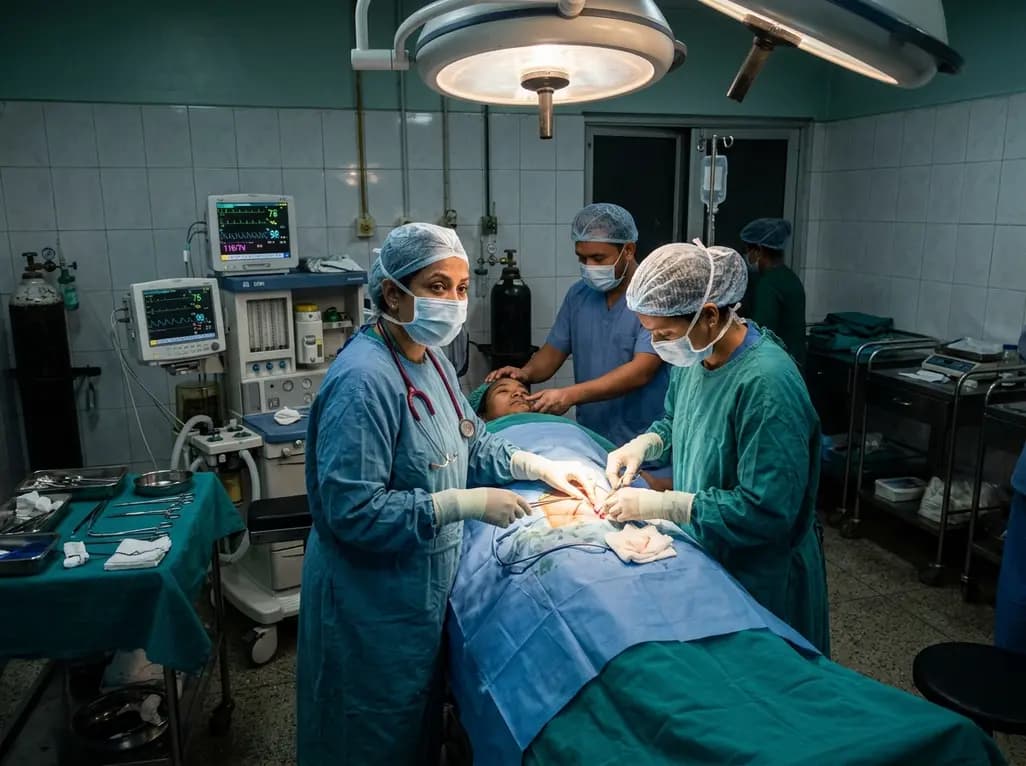
Maternal healthcare systems across India are undergoing rapid modernization, yet clinicians face evolving obstetric challenges. Recently, the Meghalaya government announced a formal comprehensive study to investigate the notable rise in caesarean deliveries across public and private health facilities in the state. Health Minister Wailadmiki Shylla confirmed this strategic assessment during an Assembly session following legislative inquiries regarding delivery patterns. Although Meghalaya currently maintains surgical delivery rates below the national average, the increasing frequency of operative interventions warrants rigorous clinical investigation. Consequently, the state health department aims to evaluate the underlying medical, demographic, and socioeconomic drivers behind this trend to preserve optimal obstetric practices.
Legislative discussions highlighted significant shifts in maternal birthing choices across rural and urban districts. Leader of Opposition Mukul Sangma prompted this inquiry by contrasting historical home delivery practices with recent clinical trends. Specifically, policymakers expressed apprehension regarding the gradual shift away from spontaneous vaginal births toward scheduled or emergency surgical interventions. In response, health officials emphasized that public sector facilities adhere strictly to medical necessity rather than convenience. Furthermore, the health department clarified that institutional protocols actively discourage unindicated operative interventions whenever physiological birth remains clinically viable.
Nevertheless, state leadership acknowledged that public health surveillance must remain vigilant against unnecessary interventions. The administration initiated a detailed assessment process to gather disaggregated facility-level delivery data. Consequently, this upcoming study will analyze variations across districts, institutional tiers, and patient demographics. By identifying localized factors contributing to surgical births, public health authorities plan to implement targeted clinical guidelines. Therefore, this data-driven initiative aims to uphold patient safety while supporting maternal autonomy and physiological labor whenever safely possible.
Modern obstetric epidemiology reveals multifaceted factors that influence decision-making during labor management. Health authorities noted that evolving fertility patterns, maternal age, and maternal physical conditioning significantly alter delivery dynamics. In addition, chronic maternal comorbidities such as nutritional deficiencies, severe anemia, and gestational hypertension frequently increase intrapartum risks. When secondary complications arise during active labor, obstetricians often perform surgical deliveries to prevent fetal hypoxia or maternal morbidity. Thus, rising intervention rates may partially reflect enhanced clinical vigilance in managing high-risk pregnancies that previously went undetected.
Moreover, clinicians recognize that maternal preference and cultural perceptions of pain influence delivery choices. However, excessive surgical delivery rates without clinical indication can elevate risks of postpartum hemorrhage, surgical site infections, and abnormal placentation in subsequent pregnancies. The World Health Organization continues to caution that caesarean section rates exceeding 10 to 15 percent at a population level do not correlate with further reductions in maternal or neonatal mortality. Accordingly, the state investigation will evaluate whether clinical thresholds for labor dystocia and fetal distress are being applied consistently across diverse care settings.
The state government highlighted substantial investments in health system capacity alongside the planned delivery study. Over the past five years, Meghalaya invested approximately 750 crore rupees into strengthening state healthcare infrastructure. This sustained financial commitment expanded institutional capacity by more than 1,000 hospital beds statewide. As a direct result, patient footfall surged from 17 lakh individuals in 2017-18 to 25 lakh in 2025-26, demonstrating growing community trust. Furthermore, maternal healthcare investments totaled 170 crore rupees when combining state allocations, central contributions, and universal health insurance spending.
Consequently, these targeted investments yielded unprecedented public health achievements across the state. Meghalaya achieved a historic 56 percent reduction in maternal mortality compared to baseline records from 2021. In addition, infant mortality declined by 40 percent during the same developmental period. Expanding the Meghalaya Health Insurance Scheme into a fully cashless model further increased beneficiary enrollment by 60 percent. Therefore, expanding tertiary facilities and upgrading rural clinics has significantly enhanced emergency obstetric preparedness across hard-to-reach geographical regions.
Geographical terrain and logistical barriers historically hindered institutional access for expectant mothers in remote tribal hamlets. To overcome these critical challenges, the state implemented the Chief Minister's Safe Motherhood Scheme with notable operational success. The program now provides unlimited free transportation for antenatal, natal, and postnatal visits, facilitating over one lakh trips annually. Moreover, administrators established specialized transit homes where high-risk pregnant women can stay near clinical facilities prior to their expected delivery dates. These dedicated shelters also accommodate older siblings, effectively eliminating domestic childcare burdens that previously caused maternal hesitation.
Furthermore, digital health tools have revolutionized frontline antenatal tracking across difficult mountainous blocks. The proprietary Mother App enables real-time monitoring of every pregnant woman down to the village level. Grassroots frontline workers, including Accredited Social Health Activists and traditional birth attendants, receive financial incentives of 1,000 rupees per completed institutional delivery. Community engagement also involves village councils and faith-based leaders to identify pregnancy danger signs early. Consequently, early identification of obstetric complications allows timely referral before emergency surgical intervention becomes inevitable.
Sustaining quality maternal healthcare requires a robust pipeline of skilled clinical personnel and specialized physicians. To bridge severe specialist deficits, the Meghalaya Medical Services Recruitment Board recently recruited 400 medical officers in a single drive. Additionally, authorities appointed more than 300 contractual nursing professionals and augmented ancillary support staff across district hospitals. Crucially, the government sponsored 115 medical officers to complete six-month certificate courses in maternal and child health in Tamil Nadu. This strategic upskilling equips primary physicians with advanced competencies to manage complex deliveries independently.
By March 2027, the state network will encompass 121 primary health centres, 35 community health centres, and 700 sub-centres. Notably, grassroots village councils have independently constructed over 100 sub-centres, with 150 additional facilities currently under development. Meghalaya now maintains the highest density of First Referral Units in the region. By integrating expanded physical infrastructure with trained healthcare professionals, the state aims to establish a balanced obstetric model. Ultimately, these structural reforms support physiological childbearing while maintaining rapid surgical capabilities for critical emergencies.
Q1: Why is the Meghalaya government conducting a study on surgical delivery rates?
The state government initiated this study to evaluate the underlying clinical, demographic, and socioeconomic factors driving the rising frequency of operative births. Although Meghalaya's surgical rate remains below the national average, health authorities want to ensure that caesarean sections are performed solely for clear medical indications rather than non-clinical reasons, thereby protecting maternal and neonatal wellbeing across all districts.
Q2: How has Meghalaya achieved a 56 percent reduction in maternal mortality?
Meghalaya achieved this milestone through targeted interventions under the Chief Minister's Safe Motherhood Scheme, expanded physical infrastructure, and the digital Mother App for tracking high-risk pregnancies. Additionally, providing unlimited free patient transport, establishing transit homes near delivery centers, incentivizing frontline workers, and upskilling medical officers have collectively ensured timely emergency obstetric care for remote populations.
Q3: What role do transit homes play in maternal healthcare delivery?
Transit homes provide safe temporary lodging and nutritional support near health facilities for pregnant women living in remote or hard-to-reach areas. By allowing expectant mothers to relocate close to medical facilities one to two weeks before their delivery dates, these facilities eliminate transport delays during labor emergencies while accommodating childcare needs for accompanying siblings.
Disclaimer: This content is for informational and educational purposes only. It does not constitute medical advice or replace professional judgment. Refer to the latest local and national guidelines for clinical practice.
References

Read summarized clinical updates, watch expert medical content, and earn CME certifications right from your smartphone.
Open your smartphone camera to scan and install.





The Meghalaya government has announced a comprehensive assessment to investigate the rising rates of caesarean sections statewide. Despite achieving a 56 percent reduction in maternal mortality and scaling rural health infrastructure, authorities aim to curb non-indicated surgical deliveries and support natural birth.
Today
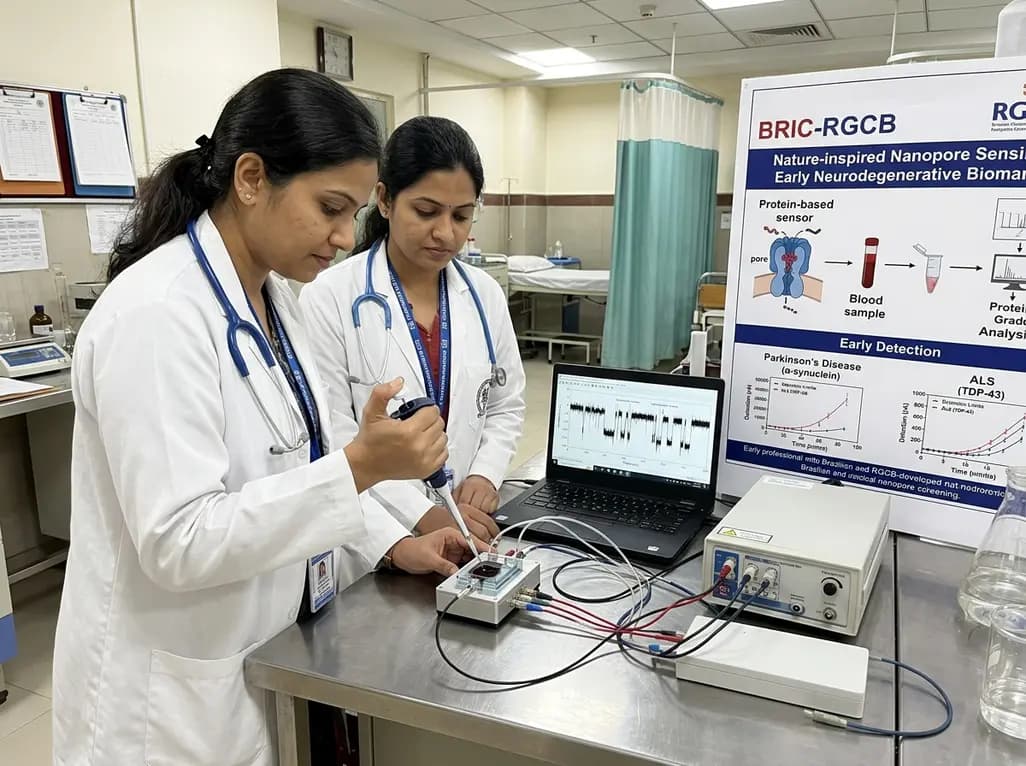
Researchers at BRIC-RGCB have pioneered a nature-inspired nanopore sensing technology capable of detecting ultra-low concentrations of biomarkers for Parkinson’s disease and ALS. This breakthrough offers new promise for early point-of-care neurodegenerative screening.
Today
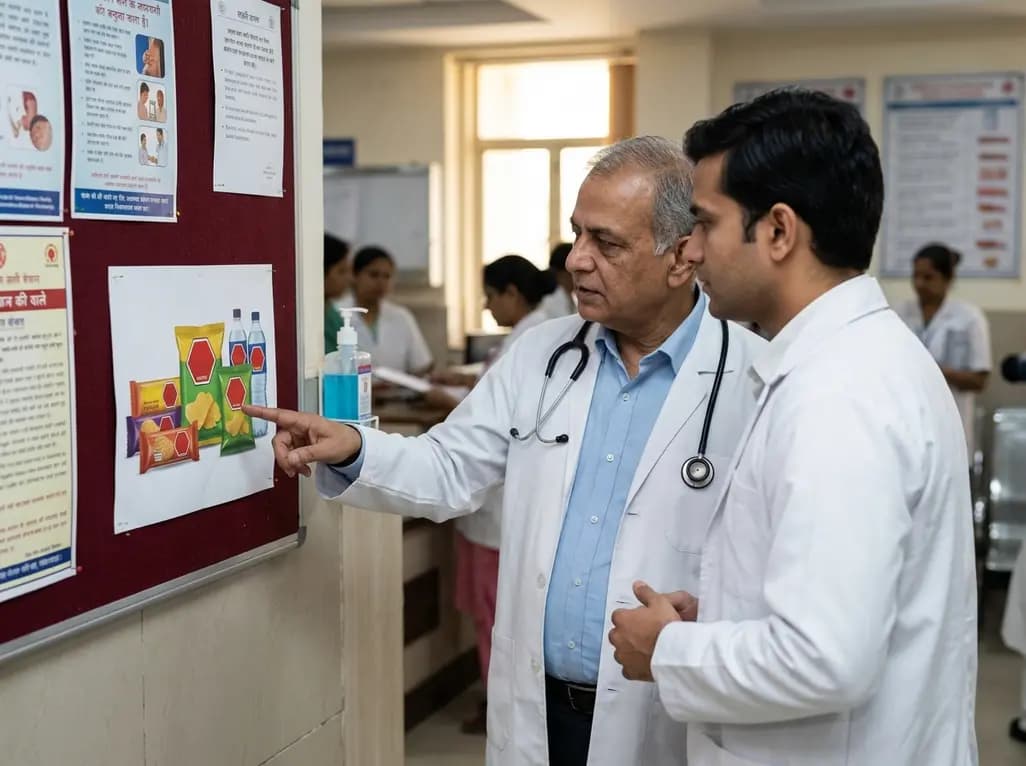
The Food Safety and Standards Authority of India has proposed front-of-pack warning labels with a red hexagonal graphic for packaged items high in sugar, fat, or salt. This critical public health initiative aims to combat non-communicable diseases and empower consumers across the country.
Today
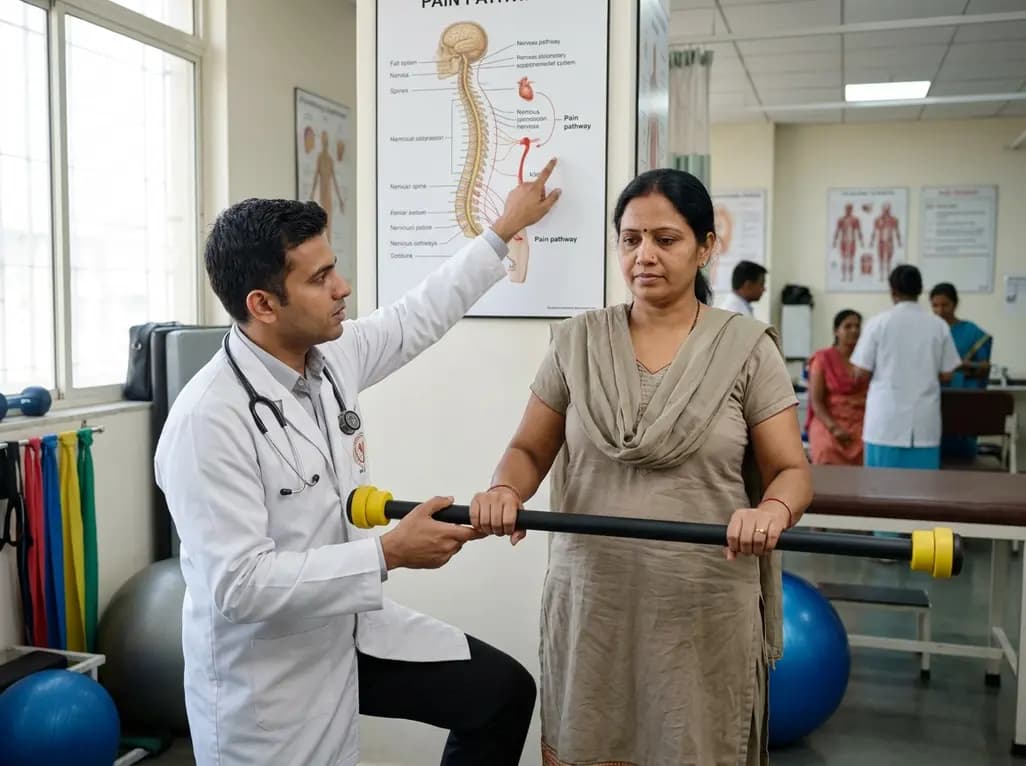
A randomized trial demonstrates that combining pain neuroscience education with Flexi-Bar stabilization significantly reduces pain intensity and functional disability while optimizing trunk muscle architecture in chronic non-specific low back pain.
Today

A clinical pharmacology review of how endogenous and exogenous androgens affect drug-metabolizing enzymes and membrane transport in individuals assigned female at birth, including PCOS and gender-affirming testosterone therapy.
Today
