.webp&w=384&q=75)

Loading, please wait...
Loading, please wait...
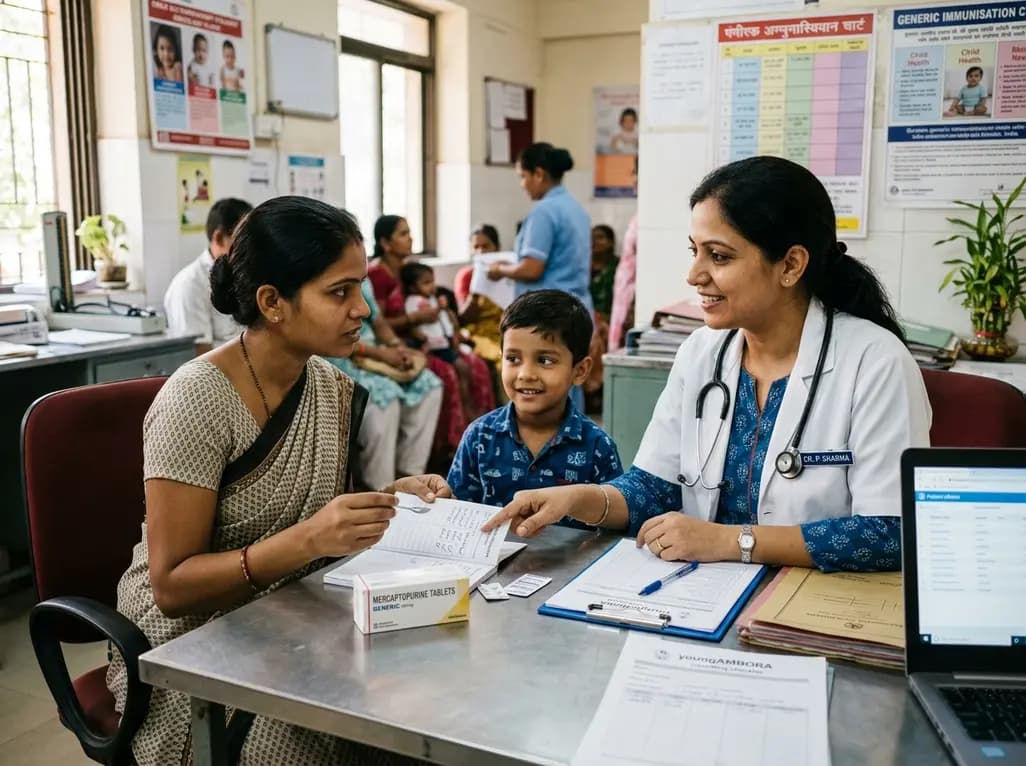
Paediatric oncology has experienced a major paradigm shift towards oral antitumour therapy in recent years. Clinicians increasingly prescribe oral antineoplastic agents to manage haematological malignancies and solid tumours in ambulatory settings. This treatment modality offers substantial convenience because young patients receive chemotherapy at home rather than during prolonged hospitalisations. Consequently, families enjoy improved quality of life and reduced disruption to schooling routines. However, shifting medication administration from experienced hospital nurses to family caregivers introduces notable clinical vulnerabilities. Complex multi-agent protocols demand precise dosing schedules, careful dietary timing, and meticulous handling procedures. Furthermore, young children frequently experience difficulties with swallowing tablets or tolerating unpalatable liquid formulations. When parents misunderstand treatment instructions, therapeutic efficacy declines and toxicity risks escalate sharply. Because home treatments lack continuous professional oversight, oncology teams require robust strategies to safeguard treatment fidelity. Structured multidisciplinary care models offer a reliable pathway to support families through these challenges. Therefore, specialised clinical pharmacologists and hospital pharmacists must collaborate closely with paediatric oncologists to guide medication management.
Administering cytotoxic medications at home exposes vulnerable children to critical safety hazards. Specifically, parents often navigate complex regimens without immediate clinical guidance when side effects emerge. Investigators frequently identify medication errors during home administration, including incorrect dosage calculations, missed doses, and inappropriate tablet manipulation. For example, caregivers occasionally split non-scored cytotoxic tablets or dissolve capsules in unsuitable liquids, altering drug bioavailability. Additionally, pharmacokinetic interactions with everyday foods or supportive medications present serious under-recognised hazards. Dairy products, for instance, significantly reduce the oral absorption of 6-mercaptopurine, a cornerstone maintenance therapy for acute lymphoblastic leukaemia. Similarly, concurrent administration of over-the-counter antiemetics or acid-suppressive agents can modify drug exposure unpredictably. Moreover, caregivers frequently struggle to differentiate expected side effects from severe adverse reactions. Consequently, treatment interruptions occur without oncology team approval, jeopardising long-term remission rates. Therefore, healthcare systems must acknowledge that home chemotherapy demands rigorous educational reinforcement. Proactive clinical surveillance effectively mitigates these administration errors before they compromise child survival.
To address administration vulnerabilities, German researchers adapted the proven adult AMBORA care model into the paediatric youngAMBORA programme. This innovative initiative established structured pharmacological and pharmaceutical consultations for paediatric oncology patients and their caregivers. Specifically, the protocol provides three to four scheduled consultation sessions starting at treatment initiation and continuing across early critical weeks. During these encounters, clinical pharmacists utilise standardised, child-friendly educational materials tailored to the child's developmental stage. Furthermore, the clinical team systematically conducts advanced medication reviews during every encounter to scrutinise all prescribed, over-the-counter, and complementary compounds. Healthcare professionals classify identified drug-related problems using validated taxonomies like the Pharmaceutical Care Network Europe system. Additionally, the team provides explicit guidance on safe drug handling and techniques for administering unpalatable formulations. By combining direct patient engagement with rigorous technical scrutiny, the youngAMBORA model creates an essential safety buffer. Consequently, this collaborative framework bridges the precarious transition between inpatient initiation and outpatient maintenance therapy.
The youngAMBORA evaluation enrolled fifty-four paediatric patients receiving sixty-one oral antitumour regimens, demonstrating remarkable clinical improvements. Most notably, patient and caregiver medication literacy increased rapidly following structured clinical pharmacy consultations. Investigators measured information satisfaction using the validated Satisfaction with Information about Medicines Scale. Baseline scores before counselling averaged 8.1 points, reflecting substantial knowledge deficits and caregiver uncertainty regarding treatment risks. In contrast, after just one week of targeted education, scores surged dramatically to 15.8 points out of eighteen. This statistically significant gain highlights how quickly families assimilate complex pharmacology when educators present information systematically. Furthermore, the trial incorporated the paediatric PRO-CTCAE tool, enabling children and parents to report subjective toxicities directly. Patients frequently identified adverse effects that routine clinical charts had overlooked, including dry skin, subtle taste alterations, and oral intake resistance. As a result, early detection allowed clinicians to initiate timely supportive interventions before toxicities disrupted therapeutic compliance.
Beyond enhancing patient knowledge, the youngAMBORA care programme demonstrated exceptional clinical efficacy in detecting and resolving dangerous medication errors. Advanced medication reviews uncovered numerous medication-related problems across both classic cytotoxic agents and modern targeted kinase inhibitors. Specifically, 6-mercaptopurine accounted for nearly one-quarter of all managed oral therapies, presenting frequent opportunities for timing errors and dosage misunderstandings. In response to identified errors, pharmacists immediately collaborated with primary paediatric oncologists to adjust prescriptions, clarify administration schedules, and recommend appropriate antiemetic support. Moreover, clinical teams resolved intake difficulties by recommending suitable compounding alternatives and safe swallowing vehicles. Because the programme resolved problems before severe adverse events manifested, participating children experienced fewer therapy interruptions and avoided unscheduled hospital visits. In addition, caregivers reported substantially lower treatment-related anxiety, which fostered resilient long-term therapeutic adherence. Ultimately, incorporating clinical pharmacists into paediatric cancer teams provides an essential layer of pharmacovigilance that safeguards vulnerable children.
Caregivers frequently encounter medication errors related to incorrect dose calculations, improper tablet manipulation, and flawed administration timing. In addition, parents often give cytotoxic drugs like 6-mercaptopurine with evening dairy meals, which severely inhibits gut absorption. Caregivers also occasionally split non-splittable tablets or dissolve capsules inappropriately to overcome swallowing resistance. Consequently, these compounding mistakes alter systemic drug bioavailability. Structured clinical pharmacist counselling effectively identifies and eliminates these dangerous administration practices before toxicities or treatment failures occur.
The programme delivers scheduled, structured consultations led by clinical pharmacology specialists at therapy initiation and subsequent follow-up intervals. Pharmacists utilise standardised educational booklets and developmental visual aids to demystify complex therapeutic regimens. Furthermore, teams conduct advanced medication reviews during every visit to address caregiver uncertainties and correct administration techniques. Consequently, parents gain verified knowledge and technical confidence, which substantially reduces psychological anxiety. This continuous educational reinforcement promotes reliable adherence and ensures prompt reporting of emergent adverse reactions.
Routine clinical evaluations frequently underestimate subjective toxicities that significantly disrupt a young child's daily functioning and emotional wellbeing. By implementing validated paediatric instruments such as the Ped-PRO-CTCAE, clinicians systematically capture overlooked adverse symptoms like altered taste, dry skin, and swallowing distress directly from children and caregivers. Moreover, early symptom identification enables proactive pharmacological management and dietary adaptations before toxicities worsen. Ultimately, integrating patient-reported outcomes empowers families, improves therapeutic tolerability, and prevents treatment discontinuations.
Disclaimer: This content is for informational and educational purposes only... Refer to the latest local and national guidelines for clinical practice.
References

Read summarized clinical updates, watch expert medical content, and earn CME certifications right from your smartphone.
Open your smartphone camera to scan and install.





The youngAMBORA programme demonstrates that structured clinical pharmacological consultations significantly improve caregiver knowledge and resolve medication errors during paediatric oral antitumour therapy, enhancing patient-reported safety and therapeutic adherence.
Today

Groundbreaking research from Mount Sinai reveals that vascular injury driven by the APOE4 gene is an active, potentially reversible driver of dementia. By inhibiting TGF-beta signaling, researchers restored microvascular integrity and cleared amyloid, opening novel therapeutic avenues for neurodegenerative care.
Today
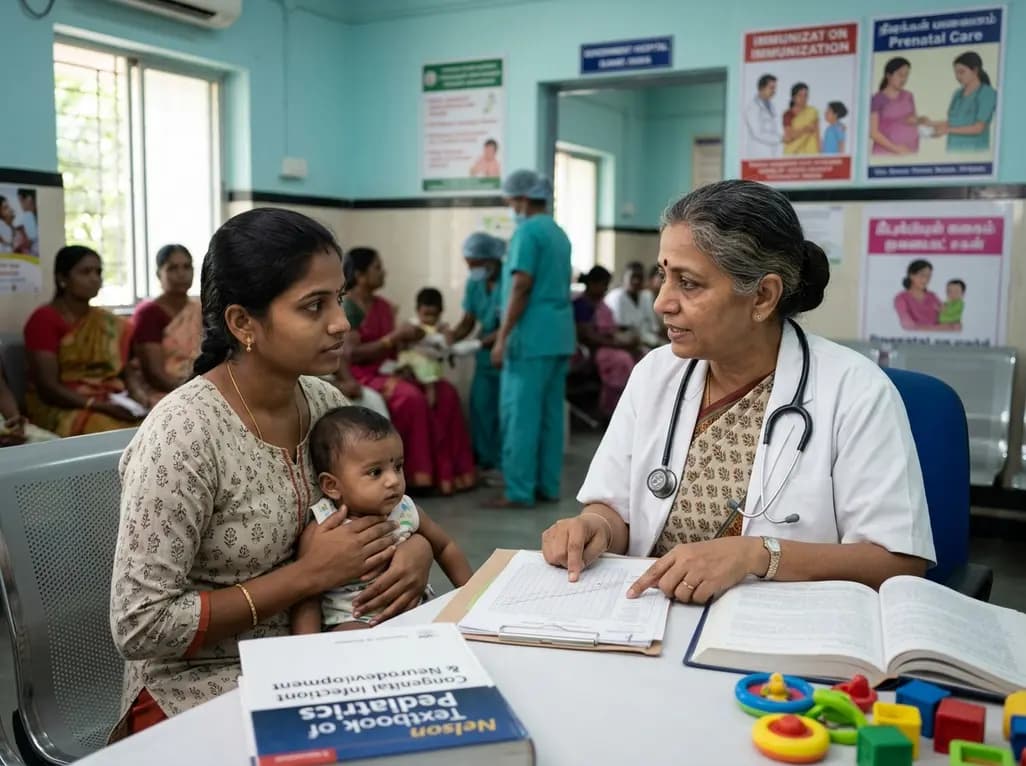
A nationwide study covering 3.7 million Swedish births reveals that prenatal exposure to TORCH pathogens significantly elevates long-term risks of intellectual disability and autism. Healthcare providers must recognize clinical indicators, promote prenatal prevention, and track early pediatric neurodevelopment.
Today
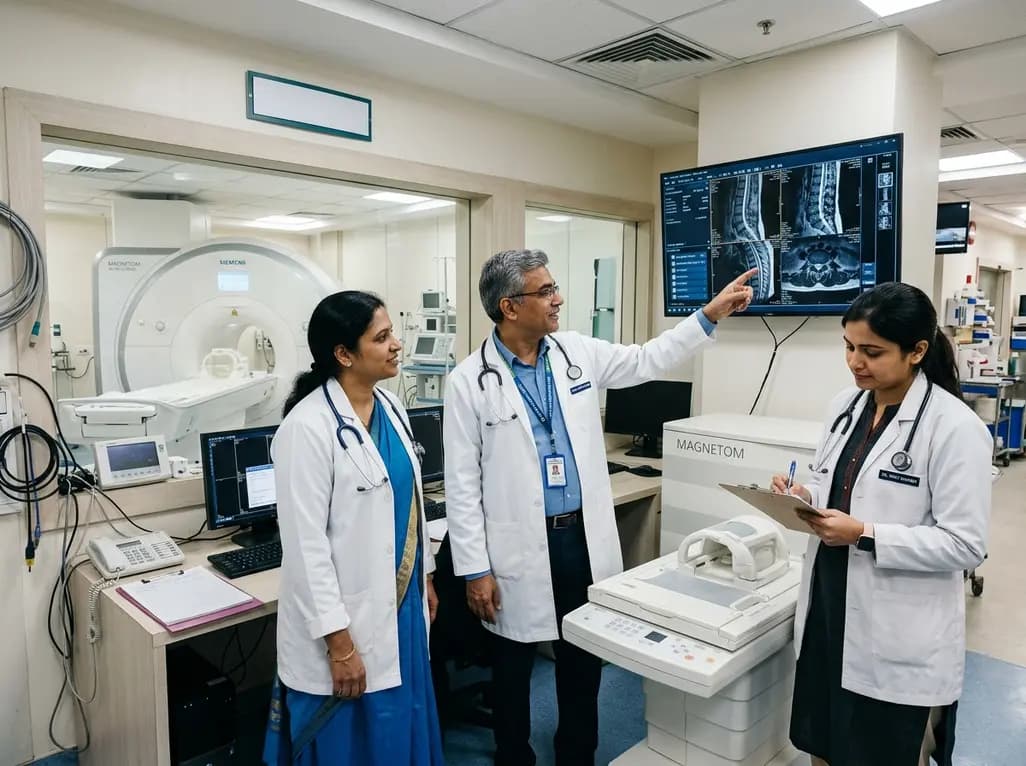
Under India's PLI initiative, domestic production of 57 critical medical devices has commenced, including MRI and CT scanners, cath labs, and heart valves. Global partnerships and local investments are expanding high-end technology, curbing import reliance, and strengthening clinical accessibility nationwide.
Today
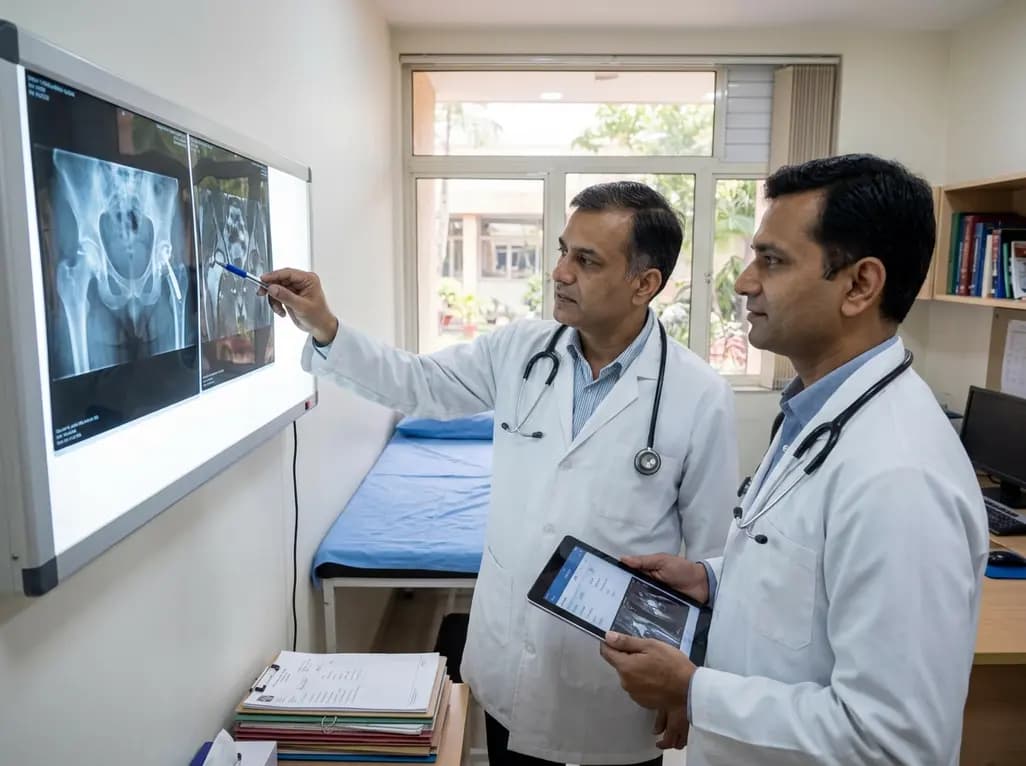
A longitudinal study reveals that patients undergoing staged bilateral hip arthroscopy experience progressive contralateral labral deterioration during surgical intervals. However, structural degradation does not compromise 2-year postoperative clinical outcomes or patient-reported satisfaction scores.
Today

SWEDEPAD-1 trial insights show paclitaxel-coated devices do not improve long-term limb salvage in patients with chronic limb-threatening ischemia and tissue loss. While one-year reinterventions decreased, the devices were linked to a higher risk of major amputation at three months.
Yesterday
