

Loading, please wait...
Loading, please wait...

Modern healthcare environments evolve at an unprecedented pace, driven by rapid advances in diagnostics, artificial intelligence, and novel therapeutics. Consequently, early education in biomedical innovation has become essential for future clinicians who must navigate complex technological landscapes. Traditional medical school curricula often delay technology exposure until late clinical clerkships. Therefore, forward-thinking medical educators are reimagining foundational training to cultivate entrepreneurial thinking and device development skills early.
Medical schools have historically prioritized basic biological sciences, pathophysiology, and clinical bedside care. However, modern clinical practice increasingly requires physicians to interact with complex medical hardware, specialized software, and diagnostic platforms. Unfortunately, conventional undergraduate medical programs rarely provide structured exposure to healthcare entrepreneurship, design thinking, or patent law. As a result, students often graduate without understanding how new medical tools transition from laboratory concepts into bedside solutions. Furthermore, when students only encounter medical devices during intense clinical rotations, they lack the time to explore underlying engineering principles. Early exposure allows aspiring physicians to recognize clinical shortcomings during their formative training years. In addition, introducing medical device prototyping and translational research during preclinical years stimulates intellectual curiosity. When medical trainees acquire foundational engineering literacy early, they can actively collaborate with technology developers. Consequently, educators must establish structured pathways that demystify the medical device pipeline. By bridging the gap between medicine and engineering early, academic centers empower future physicians to become proactive innovators rather than passive technology users.
A recent institutional investigation systematically surveyed medical students to characterize their current exposure to translational device development. The findings revealed a substantial discrepancy between student interest and institutional curricular offerings. Specifically, sixty-nine percent of surveyed medical students reported that they had zero prior exposure to biomedical technology design during medical school. Nevertheless, an overwhelming ninety percent expressed a passionate desire to participate in real-world biomedical development projects. Trainees identified two primary impediments: an acute deficit in technical knowledge and an absence of accessible developmental resources. In response to this clear educational gap, investigators launched an interdisciplinary extracurricular initiative comprising thirty-eight structured events. Furthermore, comprehensive evaluations from two hundred twenty-nine student participants demonstrated remarkable satisfaction. Indeed, ninety-eight percent of participants rated each session as a highly worthwhile educational experience. Moreover, participants reported substantial gains in understanding device prototyping, regulatory compliance, and translational team dynamics. These metrics illustrate that learner interest is extraordinarily robust across all training levels. Consequently, academic leaders must view student enthusiasm as an urgent mandate for curricular expansion.
Integrating novel technical competencies into established medical programs presents substantial logistical challenges. Traditional curricula already demand extensive time commitments for foundational anatomy, physiology, and pharmacology. Therefore, faculty members often resist adding mandatory coursework to an already rigorous preclinical schedule. However, treating technological literacy as an afterthought severely limits the development of physician-inventors. In addition, traditional medical faculty members may lack formal expertise in device prototyping, regulatory pathways, or commercialization pipelines. This expertise gap makes mentorship difficult within conventional academic silos. Consequently, medical colleges must pursue innovative curricular formats that deliver high-impact training without imposing excessive cognitive burdens. Extracurricular workshops, elective tracks, hackathons, and collaborative biodesign programs provide flexible entry points for enthusiastic students. Furthermore, institutional leaders should actively dismantle cultural silos that separate medical faculties from engineering and business departments. Cross-campus partnerships can supply essential prototyping facilities, engineering equipment, and venture incubation spaces. As a result, trainees gain direct access to state-of-the-art fabrication laboratories and experienced industry mentors. Ultimately, deliberate administrative investment transforms perceived curricular barriers into vibrant learning opportunities.
A successful healthcare innovation training framework relies heavily on experiential pedagogy and diverse team collaboration. Didactic lectures alone cannot convey the practical realities of mechanical engineering or user-centered product design. Therefore, effective extracurricular models emphasize hands-on workshops where medical students form multidisciplinary teams alongside engineering and business peers. Together, these mixed cohorts identify authentic unmet clinical needs in hospital settings. Subsequently, they formulate structured needs statements, brainstorm therapeutic mechanisms, and fabricate working prototypes. Moreover, active mentorship from clinical practitioners and engineering faculty ensures rigorous feedback at every developmental stage. For example, students learn to evaluate mechanical durability, biological compatibility, and ease of clinical handling. In addition, programs should introduce crucial non-clinical topics, such as intellectual property rights and regulatory approval processes. Trainees must understand medical device classification standards and clinical trial design to commercialize viable healthcare solutions. Thus, experiential workshops demystify complex medical manufacturing and quality assurance standards. By participating in these collaborative sprints, medical trainees gain practical problem-solving capabilities that extend far beyond traditional classroom memorization.
Cultivating technical acumen among medical trainees offers far-reaching advantages for global healthcare delivery. When physicians possess foundational engineering literacy, they can evaluate novel clinical tools with discerning critical judgment. Furthermore, clinician-innovators accurately communicate bedside clinical challenges to bioengineers, accelerating the design of practical therapeutic solutions. In developing healthcare ecosystems, this interdisciplinary fluency proves particularly vital. For instance, clinicians in resource-constrained environments can lead frugal innovation initiatives to design low-cost, durable medical devices. Similarly, medical institutions in emerging economies can partner with local engineering universities to build tailored therapeutic technologies. As a result, health systems reduce reliance on costly imported hardware while expanding community access to life-saving interventions. In addition, encouraging young doctors to pursue translational research directly enriches academic medicine and hospital quality improvement. Doctors trained in biodesign methodology frequently spearhead workflow optimizations, diagnostic safety upgrades, and patient-centered interface improvements. Consequently, integrating innovation pathways into undergraduate medical education is not merely an educational luxury. Instead, it serves as a fundamental investment in the long-term technological resilience of modern healthcare systems.
Early innovation training helps medical students understand the developmental lifecycle of clinical technologies before entering demanding hospital rotations. Furthermore, it teaches future physicians how to identify genuine unmet clinical needs and communicate effectively with bioengineers. When trainees develop engineering literacy early, they can actively participate in medical device prototyping and translational research. Consequently, this foundational preparation equips doctors to lead technological advancements, optimize clinical workflows, and improve patient care standards throughout their careers.
Medical students encounter two predominant barriers: a severe lack of baseline technical knowledge and minimal access to institutional developmental resources. In addition, heavily packed medical school curricula leave little room for elective engineering coursework or longitudinal biodesign projects. Traditional medical faculties also frequently lack direct connections with engineering departments or patent legal counsel. Therefore, academic medical institutions must establish accessible extracurricular workshops, prototyping laboratories, and dedicated interdisciplinary faculty mentorship to overcome these systemic obstacles.
Academic institutions can establish impactful programs by forging structured partnerships between medical colleges, bioengineering faculties, and business schools. Furthermore, organizers should offer hands-on prototyping seminars, clinician-led needs-finding rounds, and practical lectures covering regulatory pathways and patenting. Incorporating dedicated faculty mentorship ensures that student teams receive constructive guidance while testing early medical device concepts. Consequently, these interdisciplinary extracurricular frameworks provide safe, engaging environments where future clinicians develop translational problem-solving skills without disrupting their core clinical education.
Disclaimer: This content is for informational and educational purposes only... Refer to the latest local and national guidelines for clinical practice.
References

Read summarized clinical updates, watch expert medical content, and earn CME certifications right from your smartphone.
Open your smartphone camera to scan and install.





A recent survey highlights that while nearly 70% of medical students lack formal exposure to biomedical innovation, 90% desire active participation. Integrating hands-on technology development and interdisciplinary mentorship into medical training bridges critical gaps for future healthcare leaders.
Today
A comprehensive practical review detailing a phenotype-guided approach to the pharmacological management of POTS. Learn how to tailor off-label pharmacotherapy across neuropathic, hypovolemic, and hyperadrenergic subtypes, while navigating the complex POTS-hEDS-MCAS triad in routine practice.
Today
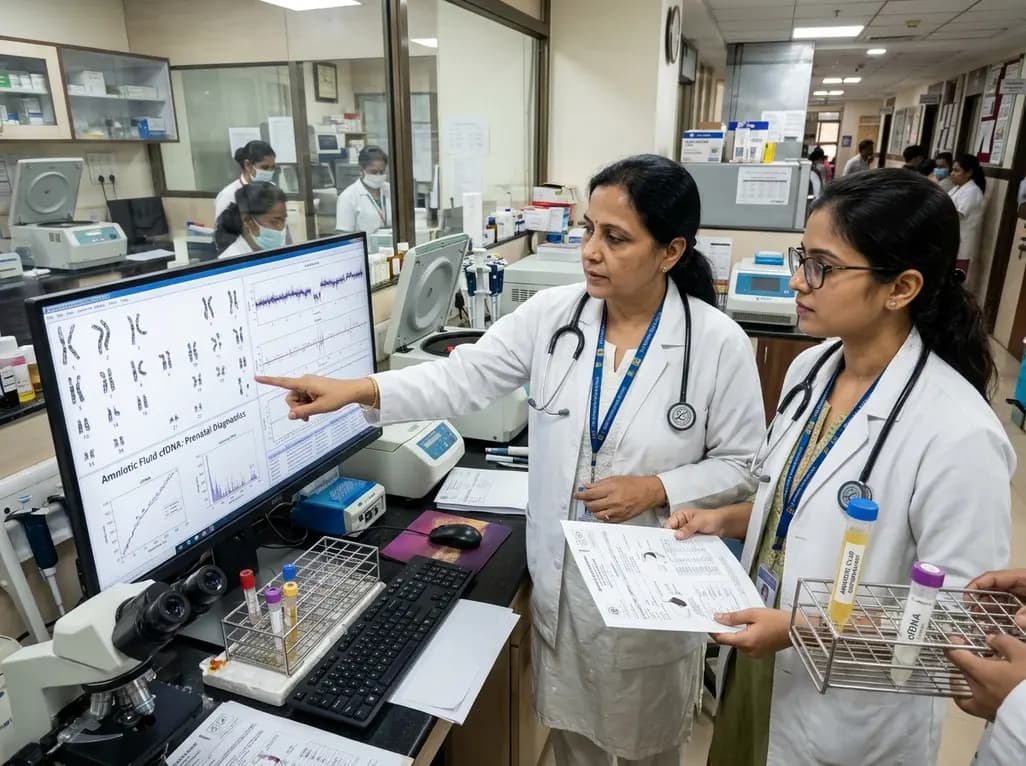
Amniotic fluid cell-free DNA offers a rapid alternative to cultured amniocytes in prenatal testing. With high yield, lack of maternal contamination, and full concordance across microarrays and exome sequencing, it dramatically cuts diagnostic turnaround time.
Today
Time-use diary research maps 24-hour physical activity and dietary habits, providing clinicians with vital insights into temporal patterns, time poverty, and lifestyle modifications essential for noncommunicable disease prevention.
Today
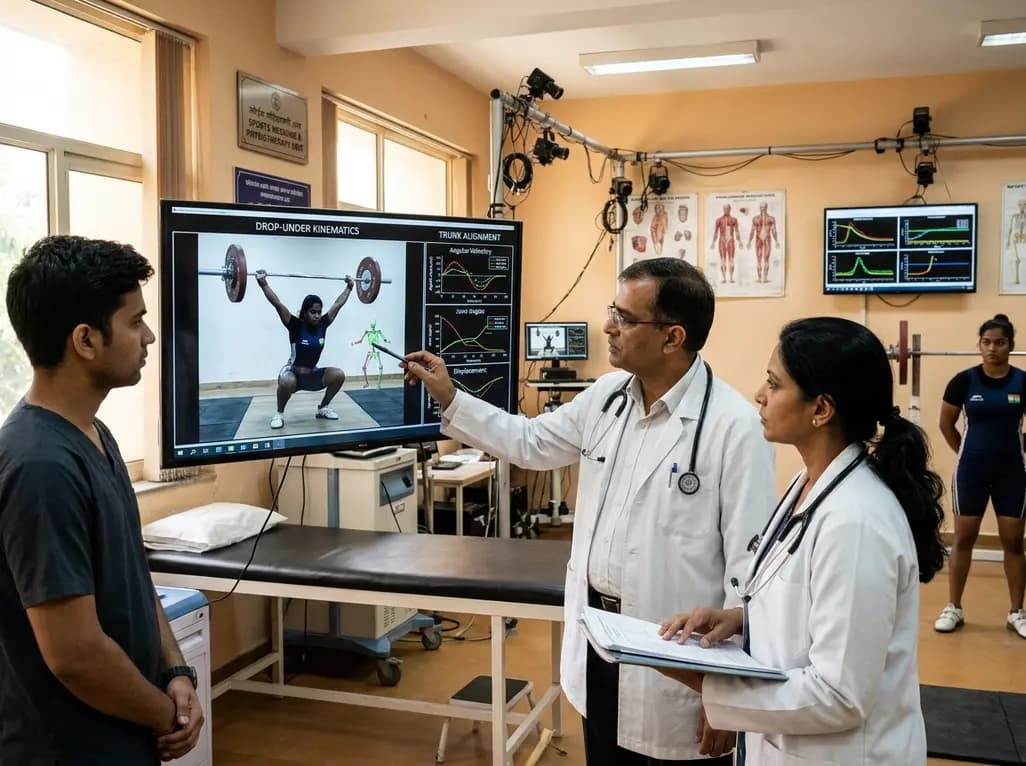
A systematic review of 15 studies and 574 competitive weightlifters establishes normative benchmarks for snatch drop-under kinematics, highlighting turnover speed, horizontal displacement, and trunk alignment to optimize performance and prevent overhead injuries.
Today
Investigating the patterns, barriers, and facilitators of sedentary behaviour, physical activity, and nutrition among hybrid employees working from home, with practical recommendations for clinicians managing cardiometabolic and musculoskeletal health.
Today
