

Loading, please wait...
Loading, please wait...
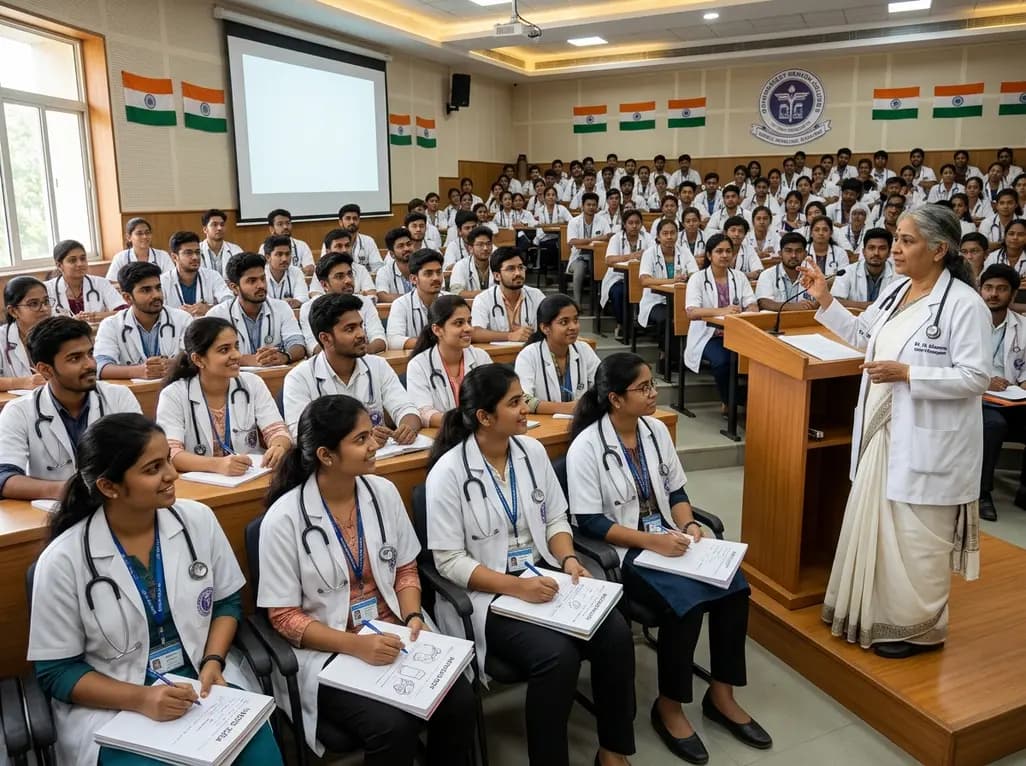
The Government of India has initiated a historic roadmap through an aggressive medical seats expansion across the country. Union Health Minister J P Nadda recently reaffirmed this national objective during a major medical convocation in New Delhi. Consequently, policymakers plan to introduce tens of thousands of undergraduate and postgraduate positions by 2029. In addition, this initiative seeks to resolve doctor deficits and democratize access to advanced professional training nationwide. Ultimately, these measures will strengthen tertiary and secondary care services across all Indian states.
During the eighth convocation of Vardhman Mahavir Medical College and Safdarjung Hospital, Minister Nadda confirmed the nation's trajectory. Specifically, the central government aims to add 75,000 medical seats by 2029. This target reflects a key vision announced by Prime Minister Narendra Modi from the Red Fort. Moreover, the administration views this expansion as a critical pillar for universal healthcare.
Healthcare policymakers recognize the acute need for more qualified clinicians in underserved districts. Therefore, this strategic initiative seeks to bridge regional disparities in physician distribution. In addition, the policy creates structured pathways for both undergraduate trainees and specialty doctors. Health ministry officials expressed high confidence that academic institutions will meet this deadline on schedule.
Furthermore, this planned expansion aligns with broader national efforts to modernize hospital infrastructure. State governments will collaborate closely with central authorities to identify eligible institutions. Consequently, hundreds of district hospitals will transform into vibrant teaching facilities. Importantly, this sustained capacity expansion will significantly reduce the patient-to-doctor ratio over the coming decade. As a result, future generations of practitioners will find abundant training avenues within their home states without traveling abroad. Ultimately, this coordinated structural growth guarantees that the public healthcare network absorbs top clinical talent.
Over the past decade, India has witnessed unprecedented expansion across the medical education ecosystem. For example, the total number of medical colleges rose remarkably from 387 to 863. Similarly, apex medical institutions experienced extraordinary development. At the close of the twentieth century, the nation housed only a single operational AIIMS facility. Today, India proudly operates 23 premier AIIMS campuses that deliver world-class care and specialized education.
In addition, seat availability has reached historic highs across both academic tiers. Undergraduate medical seats climbed dramatically from approximately 51,000 to over 1.43 lakh positions. Meanwhile, postgraduate medical seats expanded from roughly 31,000 to more than 91,000 seats. Consequently, aspiring clinicians now encounter substantially more opportunities to pursue residency training within India.
Furthermore, this rapid infrastructural scaling directly strengthens district-level clinical care. New medical colleges have emerged in tier-two and tier-three regions that previously lacked tertiary centers. Therefore, local populations receive advanced critical care without traveling to distant metropolitan hospitals. In fact, these academic medical complexes now act as crucial healthcare hubs during localized health emergencies. Accordingly, sustained institutional expansion will continue to reshape public health delivery for decades to come.
Executing such monumental educational expansion requires sustained financial commitment from both union and state authorities. Notably, the Union Cabinet approved financial assistance of Rs 1.5 crore for each additional seat in December 2025. This assistance applies directly to approved undergraduate and postgraduate medical positions in government hospitals. Furthermore, the overall central scheme commands an impressive budgetary allocation of Rs 15,000 crore.
This massive funding primarily supports the creation of 10,000 brand-new medical positions across existing institutions. Consequently, government medical colleges can upgrade their laboratories, lecture halls, and clinical wards without compromising existing services. In addition, the scheme establishes a co-funding model between central and state governments. State administrations contribute vital resources to modernize diagnostic facilities and procure cutting-edge medical equipment.
Therefore, teaching hospitals can accommodate higher patient volumes while maintaining superior safety standards. Moreover, these financial outlays foster sustainable career opportunities for medical faculty, nurses, and paramedical personnel. Healthcare systems benefit immensely when funding directly targets both pedagogical needs and operational hospital demands. Ultimately, this robust fiscal backing ensures that medical colleges achieve sustained financial self-sufficiency and institutional excellence. Accordingly, public healthcare infrastructure will achieve long-term resilience through this comprehensive financial partnership.
During his convocation address, the Health Minister firmly highlighted the necessity of institutional quality. Specifically, he stressed that accelerating medical seats expansion must never compromise stringent educational standards. Expanding student capacity without adequate faculty or clinical volume could dilute academic rigor. Therefore, regulatory authorities like the National Medical Commission enforce strict compliance guidelines across all medical colleges.
In addition, modern medical curricula now emphasize competency-based clinical training and direct patient engagement. Institutions must demonstrate adequate bed occupancy and advanced surgical infrastructure before securing seat sanction approvals. Moreover, medical colleges must employ qualified faculty who actively engage in clinical research and bedside teaching. Consequently, students acquire sound diagnostic reasoning alongside compassionate patient communication skills.
Furthermore, digital tracking and regular institutional evaluations ensure that newer medical schools maintain high parity with historic centers. Digital attendance monitoring and biometric verification systems now promote transparency among instructional staff. As a result, educational quality remains consistent regardless of whether an institution resides in a metropolitan hub or rural district. Ultimately, rigorous regulatory oversight guarantees that rapid seat growth yields highly competent, empathetic physicians. Importantly, maintaining high training benchmarks preserves international credibility for Indian medical graduates.
Minister Nadda highlighted the unique privileges and solemn duties associated with entering the medical fraternity. Describing graduation from institutions like VMMC as a distinction, he commended their rich clinical environments. Specifically, premier public hospitals expose trainees to diverse pathologies, complex trauma, and varied socioeconomic backgrounds. Consequently, graduates develop exceptional clinical instincts and crisis management skills early in their professional journeys.
Moreover, the Health Minister framed medical training as a profound responsibility rather than a mere personal achievement. While education represents a fundamental right, practicing medicine remains a noble societal privilege. Therefore, young doctors must discharge their clinical responsibilities with unwavering dedication, empathy, and integrity. In addition, clinicians must dedicate their specialized knowledge toward serving underprivileged communities that face significant barriers to care.
Furthermore, the expansion of medical seats directly addresses persistent rural healthcare voids across India. As more doctors complete specialty training, public health centers can deploy expert care closer to vulnerable populations. Consequently, maternal health outcomes, emergency trauma management, and chronic disease surveillance will improve markedly. Ultimately, compassionate medical graduates serve as the indispensable foundation of an equitable national healthcare system.
Q1: What is the primary objective of adding 75,000 medical seats in India by 2029?
The primary objective is to significantly expand healthcare capacity and resolve chronic physician shortages across Indian states. By creating 75,000 additional undergraduate and postgraduate seats, the government aims to strengthen tertiary and secondary care services. In addition, this initiative broadens educational access for aspiring doctors and minimizes regional healthcare disparities. Consequently, more specialist clinicians will serve rural and underserved communities, thereby improving overall public health outcomes and treatment availability nationwide.
Q2: How much financial assistance has the Union Cabinet approved per medical seat?
In December 2025, the Union Cabinet officially approved financial assistance of Rs 1.5 crore for each additional medical seat. This substantial funding supports both undergraduate and postgraduate medical positions in government teaching hospitals. Furthermore, the overall scheme possesses a total budgetary allocation of Rs 15,000 crore to create 10,000 seats. These funds directly facilitate infrastructure expansion, advanced medical equipment procurement, laboratory enhancements, and clinical facility modernization across eligible institutions.
Q3: How does the government ensure that educational quality remains high during this expansion?
The government insists that seat expansion must never compromise educational quality or academic rigor. Regulatory bodies enforce strict compliance norms regarding bed occupancy, faculty qualifications, diagnostic facilities, and patient volumes before granting approvals. Moreover, modern curricula emphasize competency-based training, ethics, and hands-on clinical exposure. Digital monitoring and regular hospital inspections ensure standardized instruction. Consequently, newly established teaching institutions maintain high clinical standards while preparing graduates for the rigorous demands of professional practice.
Disclaimer: This content is for informational and educational purposes only. It does not constitute medical advice or replace professional judgment. Refer to the latest local and national guidelines for clinical practice.
References

Read summarized clinical updates, watch expert medical content, and earn CME certifications right from your smartphone.
Open your smartphone camera to scan and install.





Union Health Minister J P Nadda has announced a landmark plan to create 75,000 new undergraduate and postgraduate medical opportunities across India by 2029. Backed by substantial Cabinet funding, this initiative aims to strengthen healthcare delivery, upgrade colleges, and preserve training quality nationwide.
Today
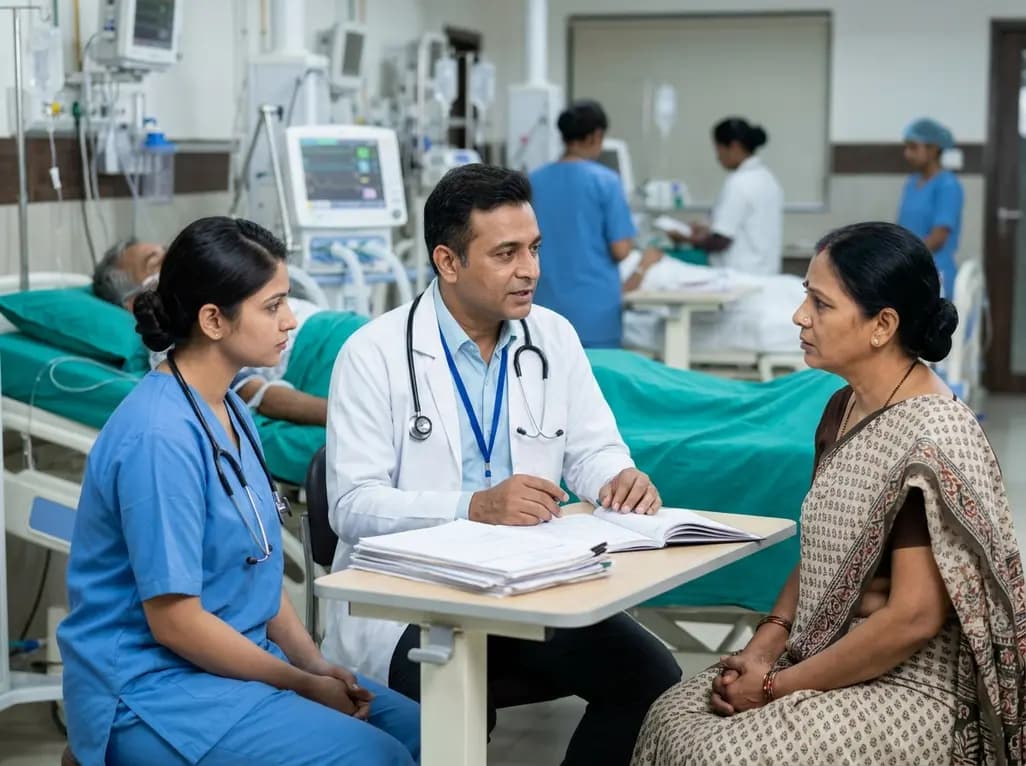
A cross-sectional study in critical care reveals three distinct profiles of family surrogate decision-making self-efficacy, highlighting how clinician communication, hope, and social support drive decision readiness.
Today
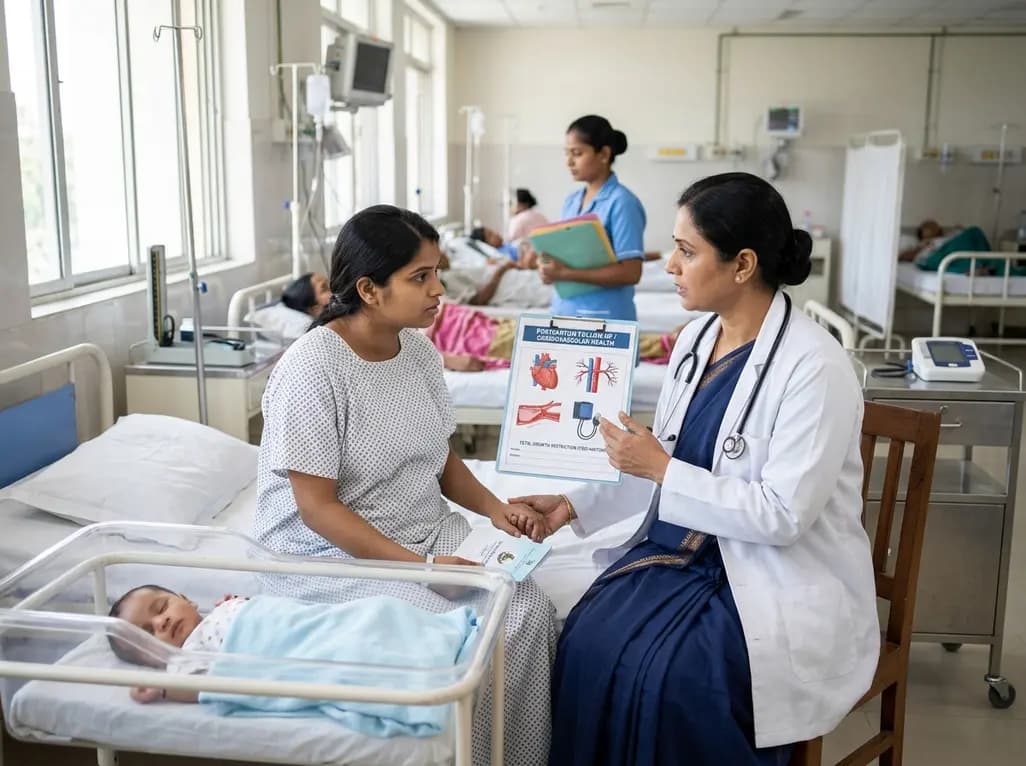
A large cohort study demonstrates that fetal growth restriction in a first pregnancy raises maternal cardiovascular risk within five years postpartum, including elevated rates of heart failure, stroke, and myocardial infarction. Clinicians must initiate proactive postpartum screening and cardiovascular prevention.
Today
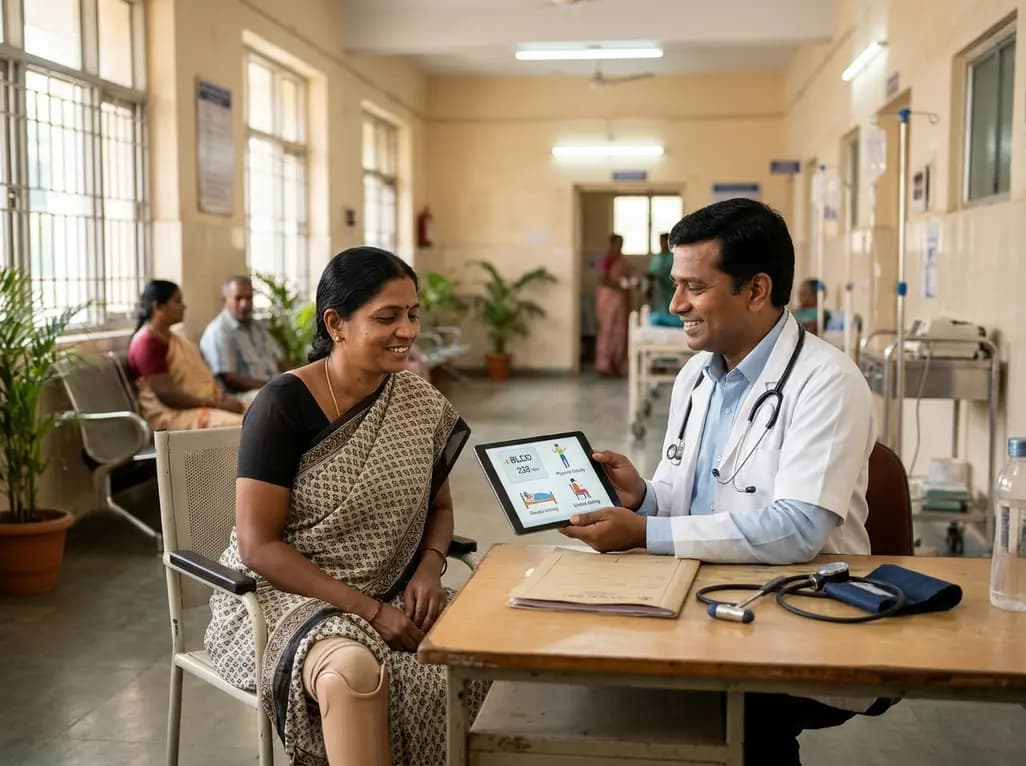
An NHANES analysis reveals that meeting 24-hour movement guidelines significantly lowers the odds of cardiovascular disease, obesity, hypertension, and diabetes among adults with disabilities, emphasizing the power of combined physical activity, sleep, and limited sedentary time.
Today
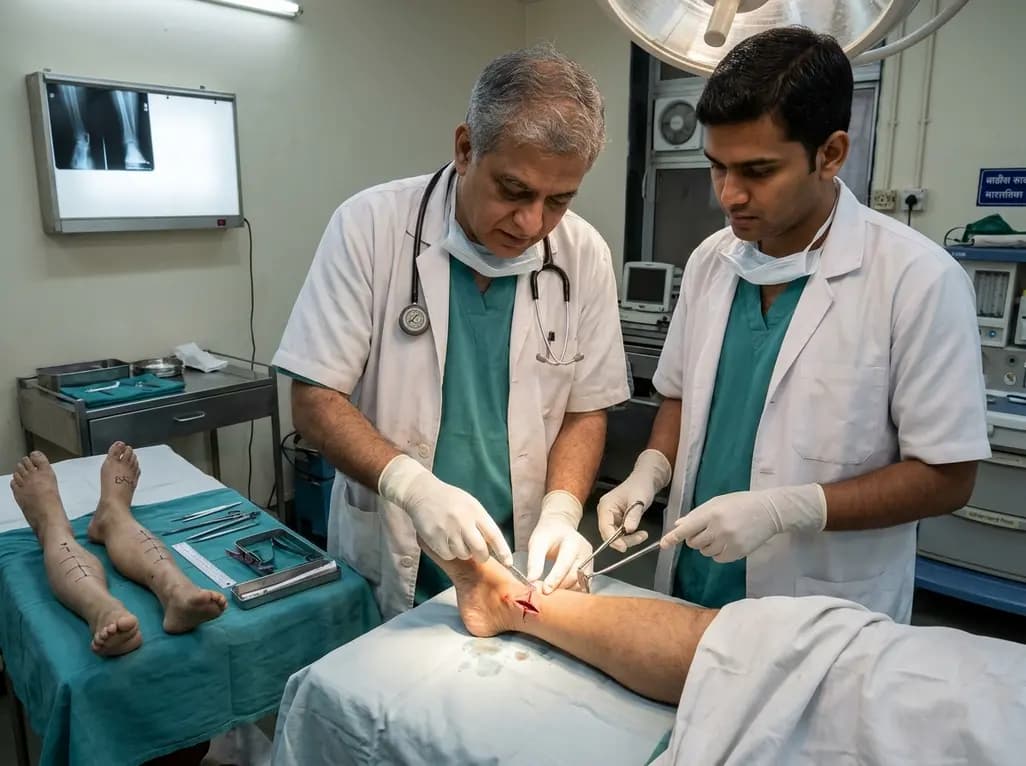
A paired cadaveric study compared triple and quintuple percutaneous Achilles tendon lengthening. While quintuple hemisection showed numerically greater elongation, differences were not statistically significant.
Yesterday
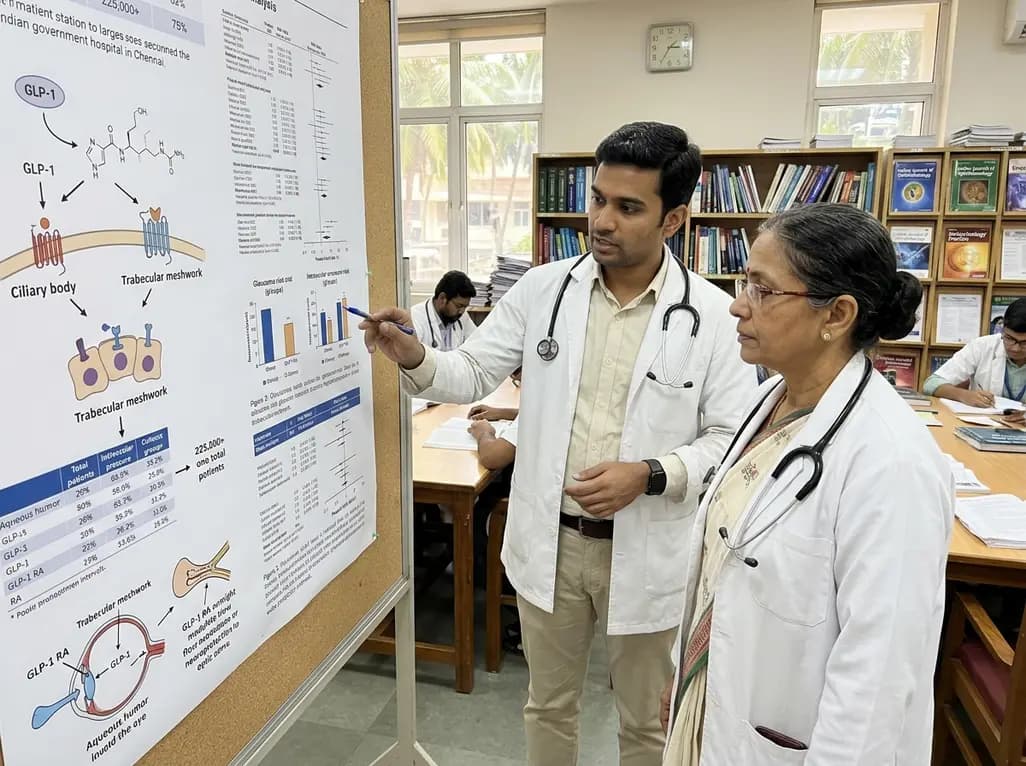
A systematic review and meta-analysis of over 225,000 patients explores whether GLP-1 receptor agonists reduce the risk of glaucoma and ocular hypertension. While pooled data show a 31% lower risk, low certainty and wide prediction intervals urge cautious optimism and further randomized trial evaluation.
Today
