.webp&w=384&q=75)

Loading, please wait...
Loading, please wait...
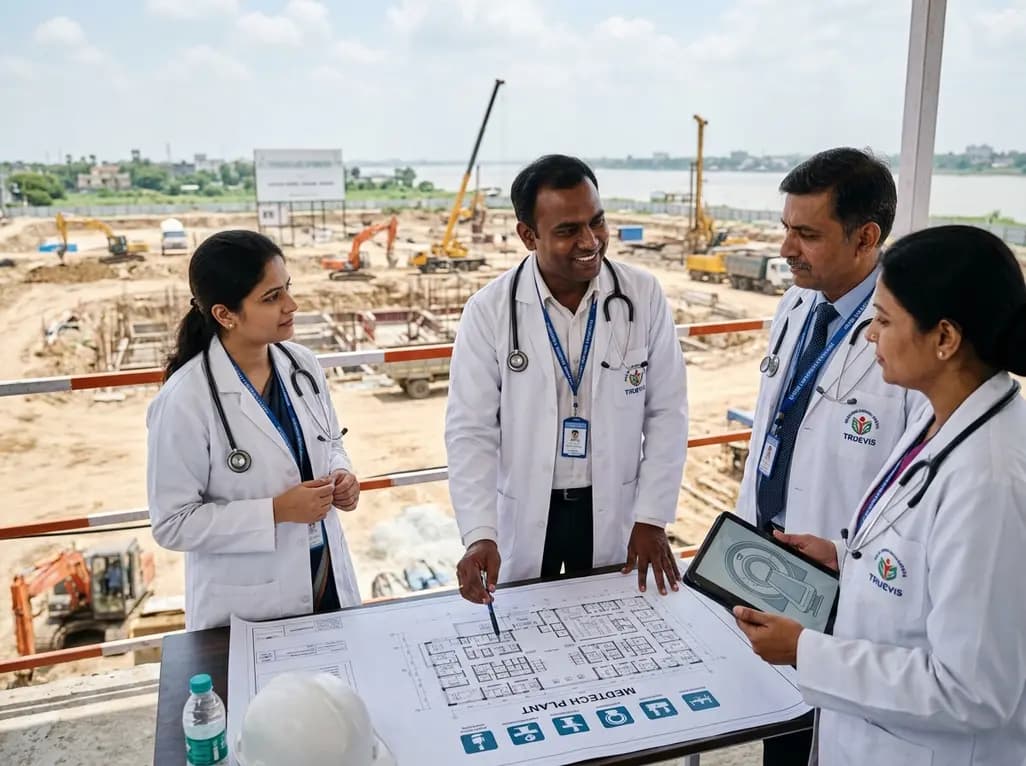
India continues to modernize its healthcare infrastructure to meet expanding clinical demands. In this context, domestic medical equipment manufacturing plays a pivotal role in strengthening regional health systems. Truevis Technologies recently secured 50 acres in Haldia from the West Bengal Government to construct a ₹500 crore production plant. Consequently, this facility marks the company's first manufacturing base in eastern India. The initiative will expand local capacity for critical diagnostic tools and therapeutic technologies.
The new Haldia installation represents a strategic leap forward for regional medical technology supply chains. Currently, eastern India relies heavily on equipment shipped from distant domestic hubs or foreign manufacturing centres. Therefore, establishing a production facility in Haldia significantly shortens delivery timelines for hospitals across West Bengal, Odisha, and northeastern states. Truevis anticipates generating over ₹1,000 crore in annual turnover within five years of commissioning. Furthermore, the planned facility will produce more than 1,000 units of advanced healthcare systems annually. These products include complex diagnostic imaging units, patient monitoring platforms, and oncology devices. In addition, the factory will assemble high-precision subsystems and mechanical components locally. Haldia offers robust industrial power, efficient road connectivity, and access to a major maritime port. Because of these advantages, the plant can seamlessly receive raw materials and distribute finished medical machinery. Clinicians in eastern India frequently face prolonged delays during device procurement. Thus, this manufacturing center addresses longstanding regional disparities in capital equipment distribution. Ultimately, local production fosters faster installation, responsive technical support, and comprehensive lifecycle servicing for hospitals. Moreover, hospital administrators can collaborate directly with domestic engineers to customize modular configurations for distinct institutional workflows.
Historically, Indian healthcare providers have procured over seventy percent of their high-end medical equipment from international vendors. Consequently, diagnostic radiology and radiation oncology departments frequently endure steep procurement costs driven by currency variations and customs tariffs. This financial strain disproportionately impacts charitable hospitals and expanding public sector institutions. By establishing indigenous manufacturing lines, Truevis directly targets these persistent supply chain vulnerabilities. The Haldia plant plans to fabricate radiotherapy hardware and diagnostic imaging systems within India. Therefore, local production substantially reduces foreign exchange outflow while making advanced cancer care machinery more affordable. Additionally, domestic fabrication minimizes shipping lead times for sensitive linear accelerator assemblies and replacement detector modules. When institutions purchase locally assembled equipment, they also avoid lengthy customs clearance protocols during emergency repairs. Moreover, localized manufacturing shields healthcare networks from volatile global supply chain disruptions. Healthcare providers can thus budget capital expenditure with greater predictability and operational confidence. In turn, oncologists and critical care specialists can upgrade outdated machinery more rapidly. As a result, patients gain faster access to advanced therapeutic interventions without paying prohibitive examination surcharges. Furthermore, local engineering teams can maintain steady production of critical monitors during unexpected global market crises.
Modern clinical decision-making relies extensively on rapid, high-resolution diagnostic imaging modalities. Indeed, timely access to computed tomography, magnetic resonance imaging, and digital radiography directly dictates clinical outcomes in emergencies. However, many secondary medical centers delay equipment acquisitions due to excessive lifecycle maintenance expenses. The Haldia facility will manufacture complete diagnostic imaging suites alongside modular patient monitoring assemblies. Consequently, radiologists will gain access to modern hardware tailored to high-throughput hospital environments. Furthermore, local manufacturing encourages competitive pricing models that help smaller scanning centres upgrade their analog equipment. In addition, prompt component availability resolves widespread operational bottlenecks. When hospitals import diagnostic machinery, replacing damaged X-ray tubes or gradient coils often takes several weeks. Such downtime compromises patient scheduling and stalls critical trauma diagnostics. Conversely, domestic manufacturing ensures rapid component distribution and minimizes diagnostic downtime. Radiologists can therefore maintain uninterrupted imaging schedules and deliver faster clinical reports. Furthermore, dependable monitoring devices ensure continuous physiological surveillance across intensive care units. Thus, reliable equipment availability directly elevates clinical confidence and enhances standard patient care protocols. Ultimately, seamless imaging operations allow interdisciplinary care teams to formulate decisive treatment pathways without frustrating diagnostic delays.
Building an advanced medical device factory requires an integrated industrial ecosystem and reliable logistical pathways. Haldia provides a compelling geographical advantage because of its deep-water port and established chemical and engineering corridors. Therefore, Truevis can import specialized subassemblies efficiently while planning gradual domestic component localization. Moreover, the company plans to partner with regional academic institutions and technical polytechnics. These partnerships will train biomedical technicians, precision machinists, and software engineers from the local talent pool. Consequently, the initiative creates skilled employment while cultivating specialized knowledge in precision biomedical engineering. Furthermore, component localization remains vital for long-term supply chain sustainability. By manufacturing chassis, cable harnesses, and power supplies domestically, the plant reduces dependence on overseas parts suppliers. In addition, Haldia connects smoothly to national freight corridors, allowing swift distribution across the country. Reliable shipping links prevent transit damage to delicate optical sensors and electronic detectors. As local vendor networks develop around the factory, regional engineering clusters will expand organically. Therefore, this industrial approach establishes an enduring base for sustainable technological self-reliance in Indian healthcare. Additionally, localized testing protocols guarantee that all manufactured units satisfy stringent international safety and performance benchmarks.
High capital costs historically restricted advanced medical technology to metropolitan tertiary centers. Consequently, patients in tier-2 and tier-3 cities frequently travel hundreds of kilometers to obtain specialized radiological scans or cancer treatments. This geographic disparity creates immense physical, emotional, and financial burdens for rural families. However, indigenous manufacturing creates substantial economic efficiencies that alter this dynamic. When capital machinery costs decrease, community hospitals and regional diagnostic centers can invest in modern equipment. Therefore, smaller clinics can install multislice scanners, ultrasound consoles, and vital sign monitors affordably. Furthermore, local availability reduces long-term maintenance contracts, which often drain institutional operating budgets. As regional diagnostic capabilities expand, primary care physicians can detect complex diseases at earlier stages. In addition, local radiotherapy access allows cancer patients to complete radiation schedules without relocating to distant urban centers. Consequently, treatment compliance improves, leading to superior survival outcomes across diverse demographics. Expanding domestic production thus decentralizes high-technology medicine and bridges the healthcare divide. Ultimately, this industrial investment advances equitable healthcare delivery across underserved Indian communities. Moreover, regional health networks can retain skilled clinicians who previously migrated toward better-equipped urban hospital facilities.
Q1: What types of medical equipment will the Haldia manufacturing plant produce?
The Haldia facility will manufacture more than 1,000 units of advanced medical machinery every year. Specifically, the production lines will build diagnostic imaging equipment, patient monitoring systems, and radiotherapy hardware. In addition, the factory will fabricate specialized components, modular subassemblies, and clinical accessories. This broad manufacturing scope supports both initial hospital installations and ongoing equipment modernization programs across India.
Q2: How does indigenous medical equipment manufacturing benefit Indian hospitals and clinicians?
Domestic manufacturing significantly lowers capital acquisition costs by eliminating heavy import duties and international freight charges. Furthermore, local facilities shorten delivery lead times and ensure prompt availability of spare parts and replacement components. Consequently, healthcare centers experience substantially reduced equipment downtime. Radiologists and intensive care teams can thus maintain continuous clinical operations, improve patient throughput, and offer more affordable diagnostic services.
Q3: Why is Haldia a strategic location for medical device manufacturing?
Haldia offers exceptional industrial infrastructure, uninterrupted electrical power, and direct connectivity to a major commercial seaport. Therefore, manufacturers can import raw subassemblies efficiently while distributing finished equipment seamlessly across eastern India and neighboring markets. Additionally, proximity to regional technical institutions enables companies to recruit and train a skilled biomedical workforce, accelerating long-term component localization and industrial development.
Disclaimer: This content is for informational and educational purposes only. It does not constitute medical advice or replace professional judgment. Refer to the latest local and national guidelines for clinical practice.
References

Read summarized clinical updates, watch expert medical content, and earn CME certifications right from your smartphone.
Open your smartphone camera to scan and install.





Truevis Technologies secures 50 acres in Haldia to build an advanced medical equipment production facility. The project targets annual capacity exceeding 1,000 diagnostic imaging and radiotherapy units. This development strengthens local healthcare infrastructure and cuts import reliance across India.
Today
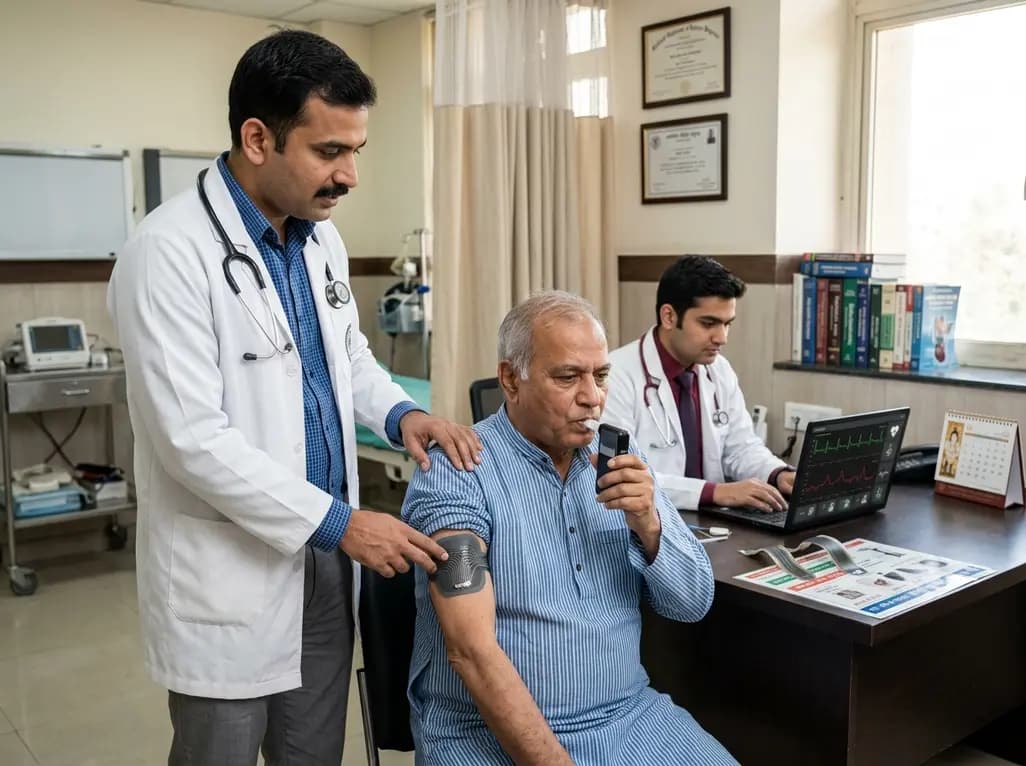
Novel biomimetic flexible polypyrrole sensors integrate mechanical hemodynamics with exhaled ammonia detection, offering noninvasive monitoring for chronic kidney disease and remote clinical care.
Today

Maharashtra has initiated the appointment of two dedicated special public prosecutors in every district alongside a joint police-health SOP to fast-track PCPNDT and MTP cases. Medical imaging centers, radiologists, and obstetricians must strengthen statutory documentation and audit preparedness.
Today
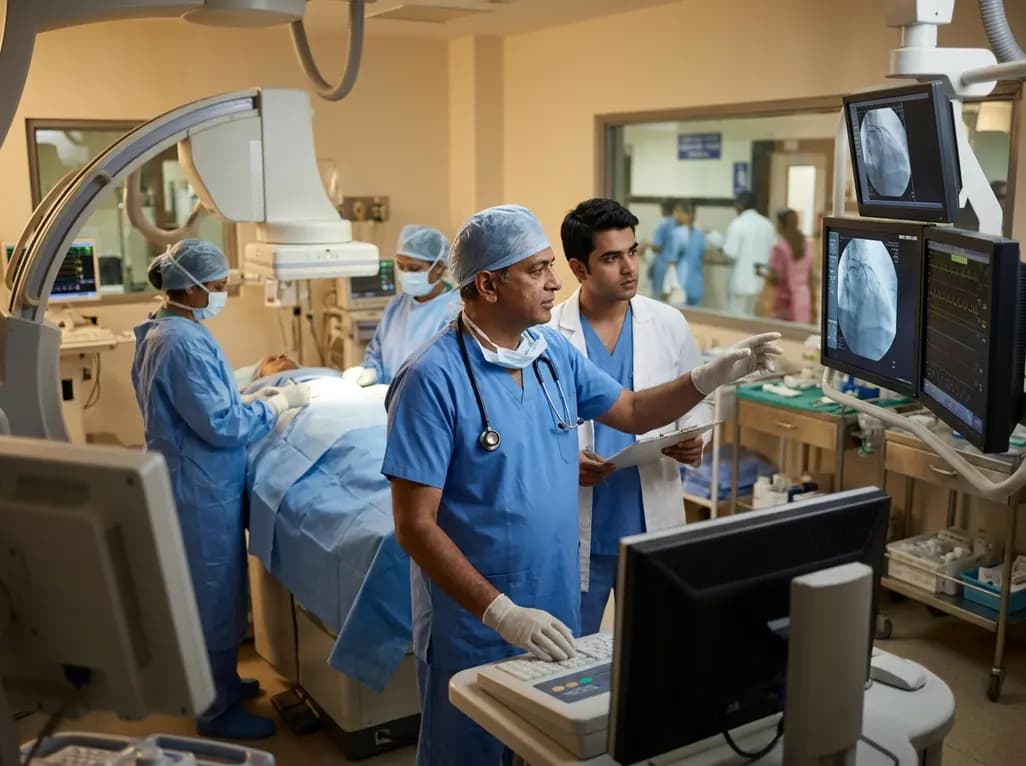
A prospective study evaluates percutaneous renal denervation in high-risk patients with resistant hypertension, demonstrating significant short-term blood pressure reduction alongside notable procedural considerations.
Today
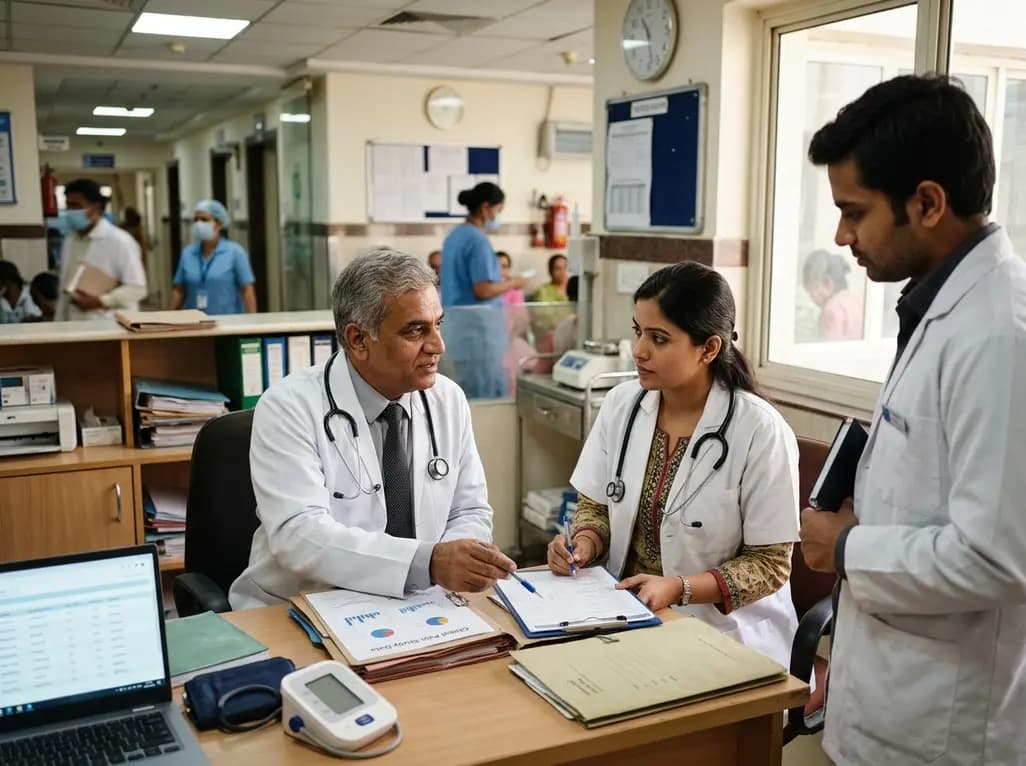
A landmark global analysis of over six million people reveals that pain does not increase steadily with aging. Instead, pain accelerates fastest before age 55, affects women disproportionately across anatomical sites, and imposes a much heavier burden on populations in developing countries.
Today
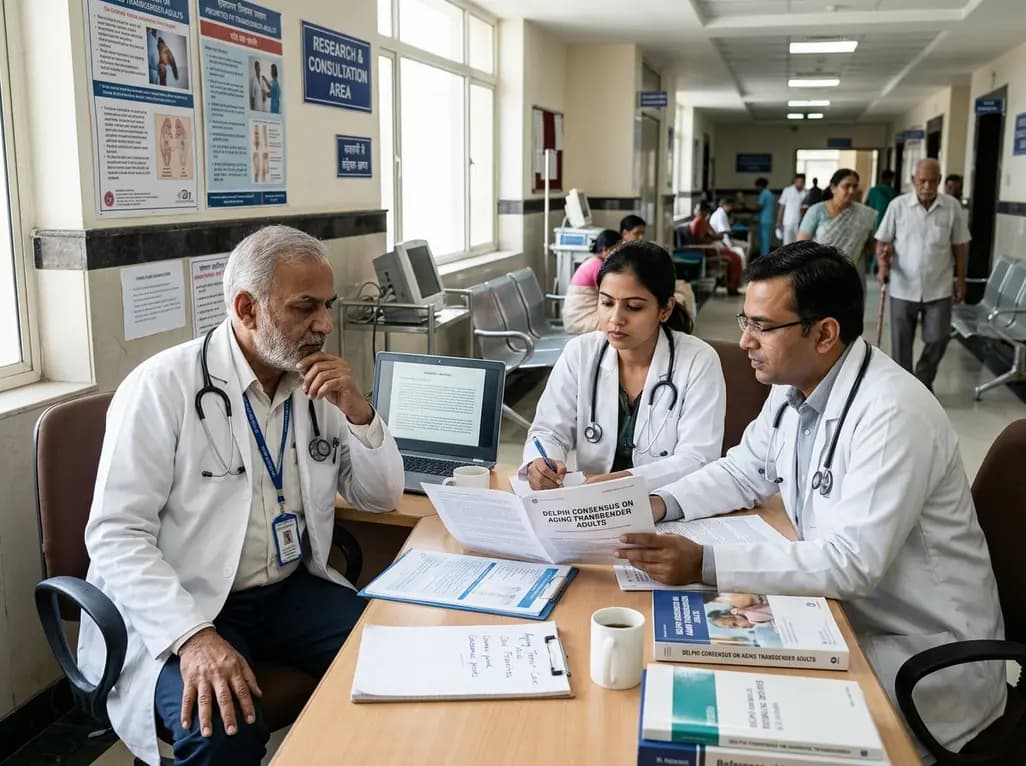
A modified Delphi study identified crucial clinical and research priorities for older transgender adults. Key findings emphasize provider education, screening for social isolation, navigation of community resources, and long-term evaluation of gender-affirming hormone therapy safety during the aging process.
Today
