.webp&w=384&q=75)

Loading, please wait...
Loading, please wait...

Clinical assumptions often frame persistent discomfort as an inevitable consequence of advanced biological aging. However, groundbreaking epidemiological findings published in Nature Medicine challenge this traditional dogma. By evaluating self-reported pain data from over six million individuals spanning 118 countries, investigators established comprehensive reference curves for body pain prevalence across the human lifespan. The data surprisingly demonstrate that overall pain does not accumulate in a simple, linear fashion with advancing age. Instead, bodily discomfort surges most aggressively during working-age adulthood, specifically before individuals reach age 55. Consequently, healthcare providers must rethink prevention strategies, initiating diagnostic and therapeutic interventions decades earlier than conventional practice dictates.
Traditional epidemiological models have long presumed that chronic physical complaints climb steadily as degenerative skeletal changes mount over decades. In contrast, this extensive global investigation reveals that overall pain prevalence accelerates far more rapidly during young and middle adulthood. Specifically, the rate of increase peaks sharply prior to age 55, after which the trajectory often plateaus or climbs much more gradually. Researchers harmonized population surveys collected between 1990 and 2025 to track these demographic shifts accurately. Therefore, the findings demonstrate that a substantial share of lifetime pain burden develops during peak productive and working years.
Furthermore, these dynamic curves indicate that chronic discomfort is not merely a manifestation of end-stage senescence. Instead, peak incidence coincides with heightened occupational strain, cumulative psychological stressors, and early mechanical overuse. While severe musculoskeletal pathology certainly affects elderly individuals, the initial transition from acute symptoms to persistent pain occurs earlier. Consequently, clinicians who delay ergonomic education and functional rehabilitation until late midlife miss a crucial window of opportunity. Primary care practitioners must therefore screen younger adult patients proactively during routine clinical encounters. Ultimately, recognizing this nonlinear acceleration allows healthcare systems to intervene before irreversible structural damage and centralized hypersensitivity take firm root.
The global analysis emphasizes that bodily discomfort is not a uniform physiological process. Rather, each anatomical site demonstrates a distinct chronological trajectory across the human lifespan. For instance, low back pain emerged as the single most common complaint globally, affecting approximately 40 percent of individuals surveyed. Moreover, axial spinal discomfort, knee pain, and hip pain began climbing during the third decade of life and steadily intensified into advanced age. These progressive weight-bearing complaints directly mirror cumulative biomechanical wear, joint degradation, and chronic physical loading.
Conversely, non-musculoskeletal and visceral pain syndromes exhibit markedly different lifespan profiles. Headaches and migraine syndromes peak comparatively early, often striking patients most intensely during their thirties before declining later in life. Similarly, abdominal and stomach pain reached highest prevalence during adolescent and early adult years, followed by a noticeable reduction in subsequent decades. Facial pain remained the least common complaint overall, with an estimated prevalence of roughly two percent across populations. Thus, these divergent curves indicate that clinicians cannot apply a uniform diagnostic framework across all complaints. Instead, physicians must calibrate their clinical index of suspicion according to anatomical location and the specific age bracket of the patient.
One of the most striking findings from the analysis is the profound sex-based disparity in pain reporting. Female participants reported higher rates of discomfort across all eleven anatomical sites evaluated in the research. Specifically, the gap between sexes proved widest for facial pain, chronic headaches, and abdominal distress. Although chest pain occurred somewhat more frequently among middle-aged men, women shouldered a significantly higher overall burden across every other surveyed category. Furthermore, these persistent differences remained remarkably consistent across diverse global regions and varied sociocultural backgrounds.
Multiple interrelated factors likely explain this pronounced female vulnerability. Biologically, cycling sex hormones significantly modulate pain thresholds, neuroinflammation, and central sensory processing. For example, animal models show that male and female nervous systems recruit distinct immune cells during pain hypersensitivity pathways. In addition, women frequently face unique psychosocial stressors, substantial reproductive burdens, and gendered occupational demands. Healthcare disparities may also skew diagnostic outcomes, as female patients historically encounter dismissal of their subjective symptoms. Clinicians must therefore avoid gender bias when evaluating pain complaints in female patients. Delivering tailored, empathetic, and multi-modal therapeutic strategies remains essential to bridging this pervasive health divide.
The investigation revealed a profound interaction between socioeconomic development and pain prevalence across older demographics. Specifically, after age 40, overall bodily pain and degenerative joint symptoms escalated much faster in countries with lower Human Development Index values. By age 80, the prevalence of any bodily pain was approximately 31 percentage points higher in lower-resource settings compared to affluent nations. Furthermore, elderly individuals in developing regions experienced nearly double the rate of debilitating low back pain. These striking disparities underscore how deeply systemic poverty influences musculoskeletal well-being.
Interestingly, established lifestyle risk factors such as smoking, obesity, and low individual income accounted for only 18 percent of the global pain burden. In sub-Saharan Africa, these traditional risk factors explained less than 13 percent of reported discomfort. Consequently, unmeasured systemic stressors appear to drive excessive suffering in lower-income populations. Such drivers include lifelong heavy manual labor, poor ergonomic conditions, untreated traumatic injuries, and limited access to timely medical therapies. In developing countries, primary care practitioners often encounter patients who lack basic analgesics or physical rehabilitation services. Public health authorities must therefore prioritize equitable infrastructure to alleviate the severe physical suffering concentrated in vulnerable communities.
These global lifespan curves offer vital clinical lessons for healthcare practitioners managing pain complaints. Because bodily discomfort accelerates before age 55, preventive interventions must commence during early adulthood rather than waiting for retirement. Physicians should aggressively address early musculoskeletal aches through proactive physical conditioning, ergonomic education, and weight management. Additionally, clinicians must recognize that persistent symptoms during middle age undermine workplace productivity and quality of life. Implementing conservative, multidisciplinary care plans early can successfully prevent peripheral discomfort from evolving into centralized chronic pain syndromes.
Furthermore, medical providers should routinely adopt validated pain screening tools rather than relying solely on formal diagnostic labels. Many patients in low-resource environments endure debilitating discomfort without ever receiving an official radiographic or specialist diagnosis. Therefore, prioritizing patient-reported outcomes allows doctors to identify functional decline before severe disability occurs. By taking subjective symptoms seriously, family doctors can deliver prompt lifestyle counseling and evidence-based non-pharmacological interventions. Moreover, clinicians should judiciously combine physical therapy, stress reduction, and safe pharmacotherapy to optimize recovery. Ultimately, shifting clinical attention toward early adulthood pain empowers providers to preserve long-term functional independence and reduce global disability.
Q1: Why does body pain accelerate most sharply before age 55?
The sharp acceleration before age 55 coincides with peak working-age demands, cumulative physical labor, and repetitive ergonomic stress. During these productive adult decades, individuals experience persistent occupational strain, biological aging of joint cartilage, and significant psychosocial stress. These combined factors trigger peripheral tissue microtrauma and early neural sensitization. Consequently, chronic discomfort frequently establishes itself during middle adulthood rather than emerging abruptly during late-life retirement.
Q2: Why do women consistently report more bodily pain than men?
Women experience higher pain prevalence due to complex interactions between biological, hormonal, and psychosocial factors. Sex hormones substantially influence central sensory processing, neuroinflammatory cascades, and pain perception thresholds. Additionally, preclinical research reveals that female and male nervous systems recruit distinct neuroimmune pathways during chronic pain hypersensitivity. Beyond biology, disproportionate domestic and caregiving burdens, occupational exposures, diagnostic disparities, and varied symptom reporting patterns further contribute to higher documented female distress.
Q3: How does socioeconomic status influence late-life pain severity?
Individuals living in lower Human Development Index settings experience significantly greater late-life pain due to unaddressed structural barriers. Populations in developing nations frequently engage in prolonged, arduous manual labor without adequate ergonomic protections. Furthermore, limited access to timely healthcare, non-steroidal medications, surgical care, and physical rehabilitation leaves musculoskeletal injuries untreated. Over decades, neglected acute trauma and chronic nutritional or inflammatory stressors culminate in severe, unmanaged pain syndromes in older age.
Disclaimer: This content is for informational and educational purposes only. It does not constitute medical advice or replace professional judgment. Refer to the latest local and national guidelines for clinical practice.
References

Read summarized clinical updates, watch expert medical content, and earn CME certifications right from your smartphone.
Open your smartphone camera to scan and install.





A landmark global analysis of over six million people reveals that pain does not increase steadily with aging. Instead, pain accelerates fastest before age 55, affects women disproportionately across anatomical sites, and imposes a much heavier burden on populations in developing countries.
Today

Maharashtra has initiated the appointment of two dedicated special public prosecutors in every district alongside a joint police-health SOP to fast-track PCPNDT and MTP cases. Medical imaging centers, radiologists, and obstetricians must strengthen statutory documentation and audit preparedness.
Today
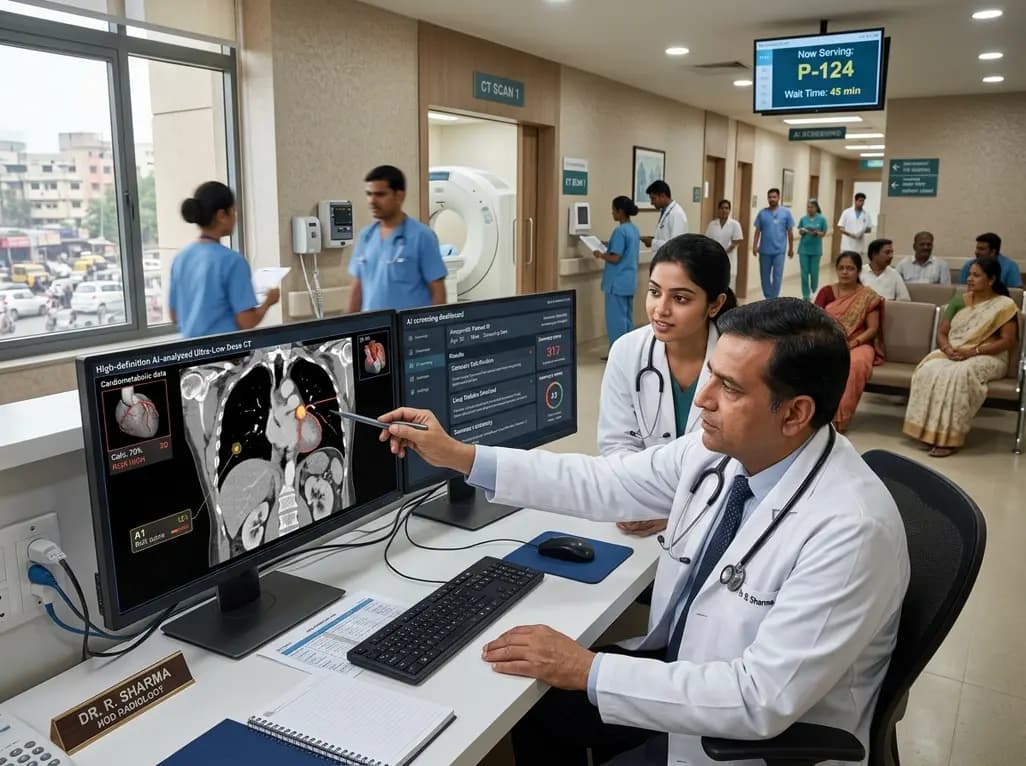
Discover how AI-assisted imaging and ultra-low-dose CT are transforming preventive health checkups in India. By identifying silent cardiometabolic and pulmonary risks early, structured clinical workflows and physician oversight deliver accurate, comprehensive health assessments within a two-hour window.
Today
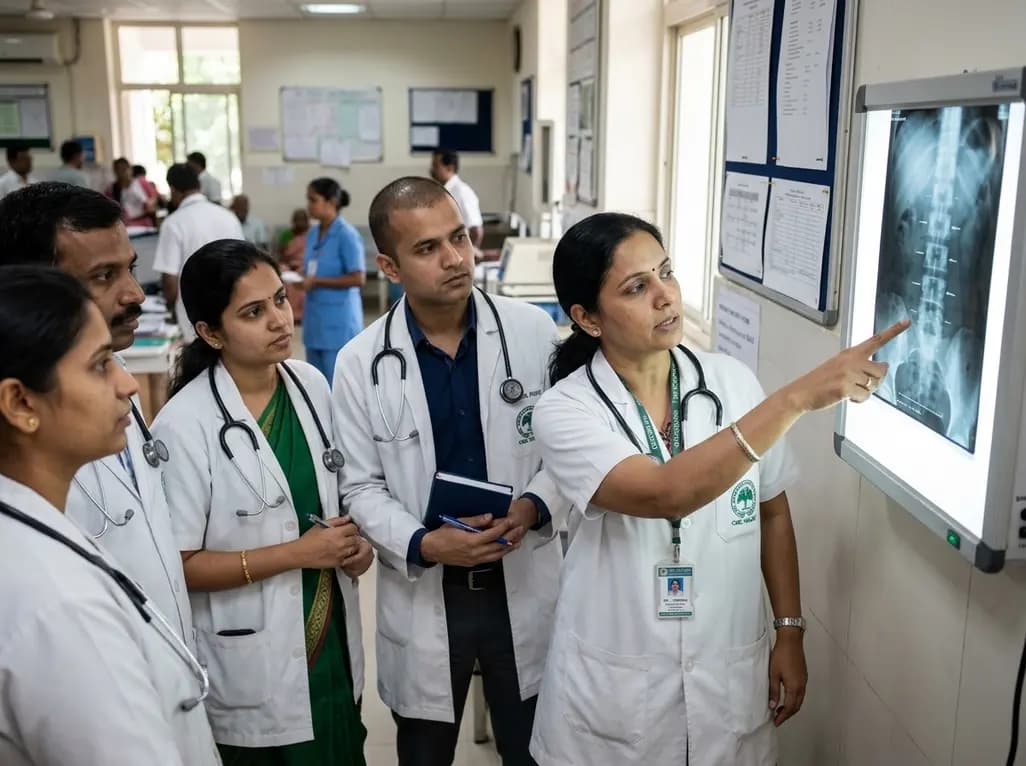
A comprehensive umbrella review of 22 meta-analyses and 286,584 adults reveals that calcium supplementation modestly increases bone mineral density and reduces vertebral fractures, but does not decrease hip or wrist fracture risks.
Today
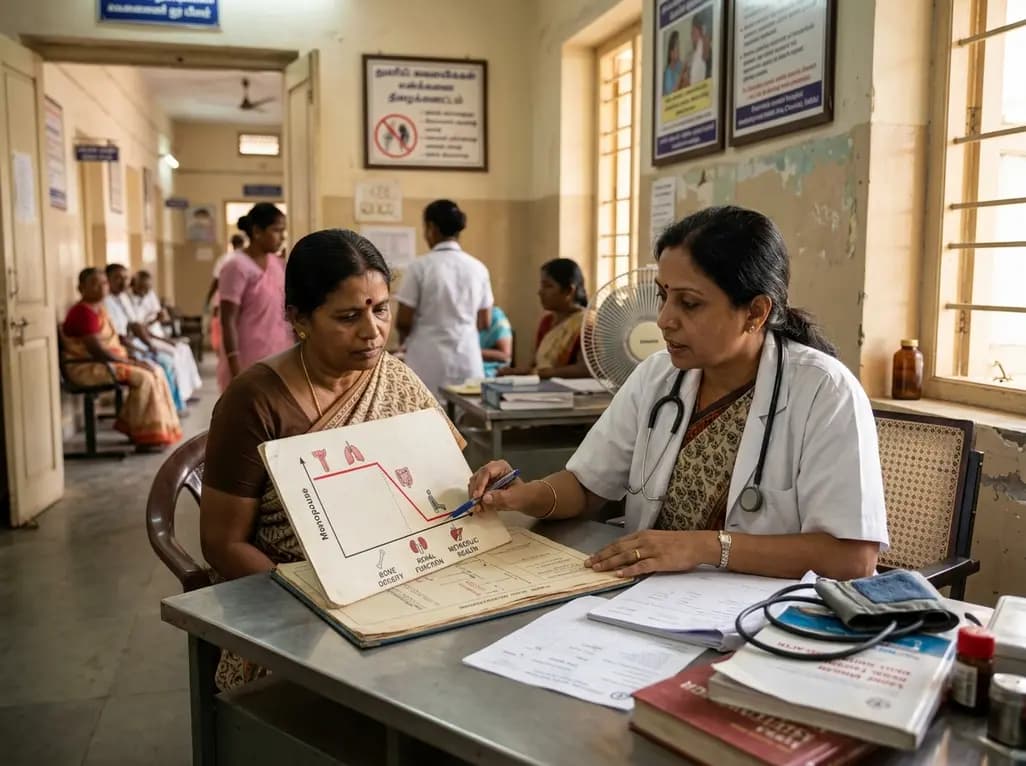
Recent research challenges the traditional view of menopause as a slow transition, demonstrating an abrupt physiological cliff across metabolic, renal, and bone markers. Understanding these rapid multi-organ shifts allows clinicians to optimize early screening, lifestyle guidance, and personalized hormone therapy.
Today
