.webp&w=384&q=75)

Loading, please wait...
Loading, please wait...
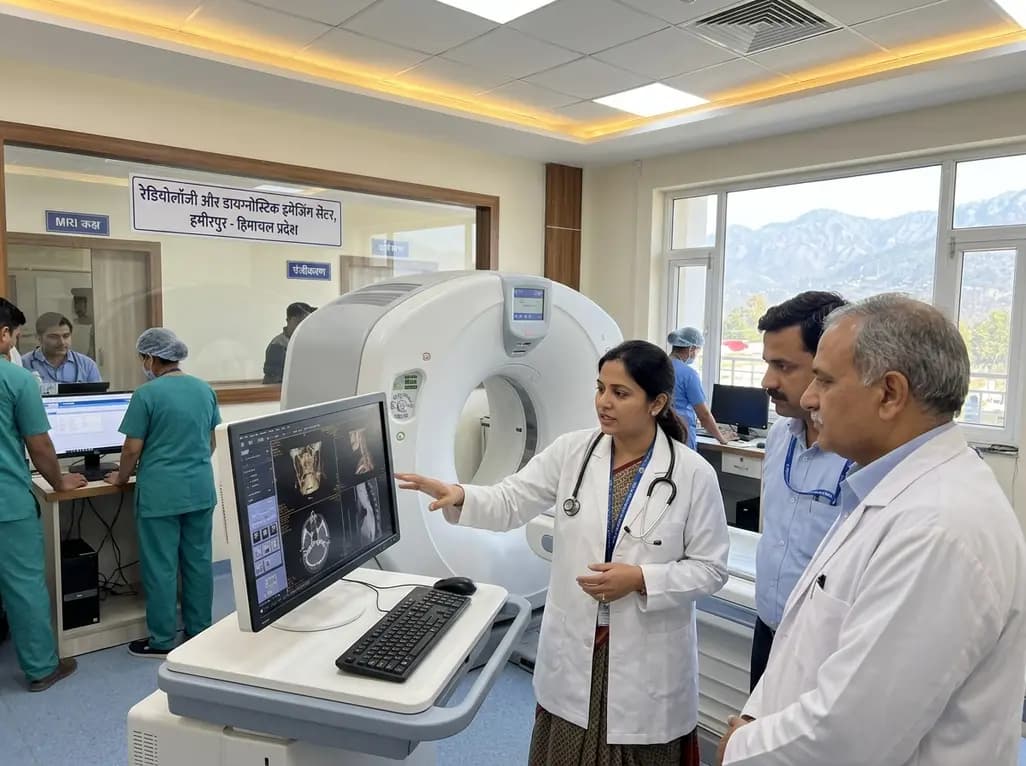
Himachal Pradesh is currently undertaking a massive healthcare transformation to improve clinical diagnostics and patient care across the state. Chief Minister Sukhvinder Singh Sukhu announced an investment of approximately Rs 500 crore dedicated entirely to medical college modernization and high-end technological integration. Consequently, public healthcare facilities across the hill state will soon feature cutting-edge diagnostic equipment comparable to national premier institutes. This comprehensive initiative aims to bridge diagnostic gaps, eliminate medical referral burdens, and strengthen secondary and tertiary clinical delivery across urban and rural sectors alike.
Tertiary medical colleges form the backbone of clinical training and advanced patient management in regional health ecosystems. However, peripheral medical centers often face substantial bottlenecks due to outdated imaging equipment and delayed laboratory investigations. Recognizing this critical hurdle, the state administration is deploying advanced diagnostic systems across all state-run medical colleges. Furthermore, these technological upgrades ensure that clinicians can diagnose complex clinical conditions rapidly and accurately within public hospitals.
Chief Minister Sukhu emphasized that the newly procured machinery matches diagnostic technologies currently operational at premier centers like AIIMS New Delhi. Notably, neighboring cities and regional institutes previously lacked several of these specialized modalities. Therefore, local patients will no longer need to travel outside the state to access vital diagnostic evaluations. Modern diagnostic setups streamline emergency triage, oncology staging, and critical care assessments. In addition, prompt turnaround times for pathology and radiology reports will directly improve patient recovery trajectories. Clinicians can make decisive, evidence-based therapeutic interventions without unnecessary waiting periods, improving institutional clinical efficiency statewide.
The core objective of this Rs 500 crore medical college modernization program focuses on installing automated diagnostic systems and precision medical hardware. State health authorities have already initiated transparent procurement frameworks through the Himachal Pradesh Medical Services Corporation Limited. For instance, these investments include total laboratory automation systems, ultra-high-resolution imaging consoles, advanced mammography, and modern digital radiography setups across medical institutions.
Moreover, modern surgical suites will receive high-definition 4K laparoscopic platforms and integrated electrosurgical stations. These precision tools minimize intraoperative trauma and accelerate postoperative patient recuperation. High-end echocardiography and modern blood component separation units are also entering regional clinical workflows. Consequently, clinical specialists can perform intricate multidisciplinary procedures locally. In addition, resident doctors and medical students gain invaluable hands-on exposure to the latest medical technologies during their residency. Equipping medical colleges with modern diagnostic tools elevates the quality of regional residency programs while aligning clinical practices with international medical standards.
Sophisticated diagnostic hardware requires skilled medical personnel to deliver optimal patient outcomes. Therefore, the state government has officially sanctioned a comprehensive medical recruitment drive to support institutional operations. Specifically, the government plans to recruit 650 medical professionals across different clinical categories. This workforce expansion includes 300 Medical Officers, 200 specialist doctors, and 150 super-specialist consultants.
Furthermore, this massive hiring effort addresses systemic specialist shortages across district hospitals and medical college faculties. By recruiting dedicated super-specialists in cardiology, neurology, nephrology, and surgical oncology, the healthcare system improves specialized clinical coverage. Additionally, appointing general Medical Officers strengthens community health centers and emergency rooms. Healthcare teams in peripheral facilities like Nadaun, Kangu, Galore, and Dhaneta have already received medical staff deployments. As a result, primary screening, maternal healthcare, and acute triage services will operate with greater efficiency. This strategic integration of human capital and modern hardware ensures uninterrupted clinical delivery across the state health network.
Modern clinical medicine relies heavily on competent paramedical and allied health personnel to operate diagnostic machinery. To address this workforce necessity, the state is establishing North India's first dedicated Allied Health Sciences institution at Dr. Radhakrishnan Government Medical College in Jolsappar. Furthermore, the administration has directed university authorities to begin academic admissions immediately within the current session.
Consequently, students across the region can pursue specialized professional diplomas and degrees in radiology technology, clinical laboratory sciences, operation theatre techniques, and perfusion technology. This institutional setup ensures an uninterrupted supply of certified technicians for newly modernized diagnostic wings. Moreover, local training programs prevent staffing shortages that frequently impair high-tech equipment operation in public hospitals. Highly trained allied health staff optimize laboratory quality control, machine calibration, and patient safety protocols. Ultimately, creating a localized training ecosystem ensures long-term operational sustainability for advanced diagnostic infrastructure throughout Himachal Pradesh.
Geographical barriers in mountainous terrains frequently restrict patient access to centralized medical hubs during health emergencies. To resolve this regional inequality, the government is modernizing 70 designated Adarsh Medical Institutions across assembly constituencies. Specialist clinicians and diagnostic tools are being placed directly within these community-level institutions. Consequently, rural residents can obtain expert consultations and primary diagnostic screenings close to their homes.
Furthermore, regular public health camps across rural regions identify undiagnosed non-communicable diseases, surgical pathologies, and metabolic disorders at early stages. Mobile screening units and decentralized testing facilities bridge the gap between primary consultations and tertiary interventions. In addition, school health programs and day-boarding academic infrastructure upgrades run parallel to these health interventions, fostering holistic community development. By decentralizing healthcare delivery, the administration reduces patient congestion at apex medical colleges. This structured referral framework ensures that tertiary institutions reserve their diagnostic resources for complicated clinical presentations while routine medical conditions receive timely care locally.
Q1: What is the primary focus of the Rs 500 crore healthcare investment in Himachal Pradesh?
The state government is dedicating Rs 500 crore primarily to modernizing diagnostic equipment and clinical machinery across all government medical colleges. This investment integrates advanced radiology systems, automated laboratory lines, digital imaging units, and specialized operating theater technology, ensuring patients receive accurate, timely diagnoses without needing to travel outside Himachal Pradesh.
Q2: How many medical professionals is the state recruiting under this expansion initiative?
The Himachal Pradesh government has announced the recruitment of 650 medical doctors to strengthen public healthcare delivery. This recruitment drive includes 300 Medical Officers for primary and secondary facilities, 200 specialist doctors for clinical departments, and 150 super-specialists to manage advanced tertiary and specialized patient care units statewide.
Q3: Where will the new Allied Health Sciences institution be located, and what is its role?
The premier Allied Health Sciences institution will operate at Dr. Radhakrishnan Government Medical College at Jolsappar in Hamirpur. This specialized center will train certified allied healthcare professionals, including laboratory technicians, radiology technologists, and operation theater assistants, ensuring skilled manpower to manage the state's newly modernized diagnostic equipment.
Disclaimer: This content is for informational and educational purposes only. It does not constitute medical advice or replace professional judgment. Refer to the latest local and national guidelines for clinical practice.
References

Read summarized clinical updates, watch expert medical content, and earn CME certifications right from your smartphone.
Open your smartphone camera to scan and install.





Himachal Pradesh has launched a major healthcare initiative worth Rs 500 crore to modernize medical college equipment and diagnostic infrastructure across the state. The initiative includes hiring 650 medical professionals and establishing North India's first Allied Health Sciences institution in Hamirpur.
4 weeks back
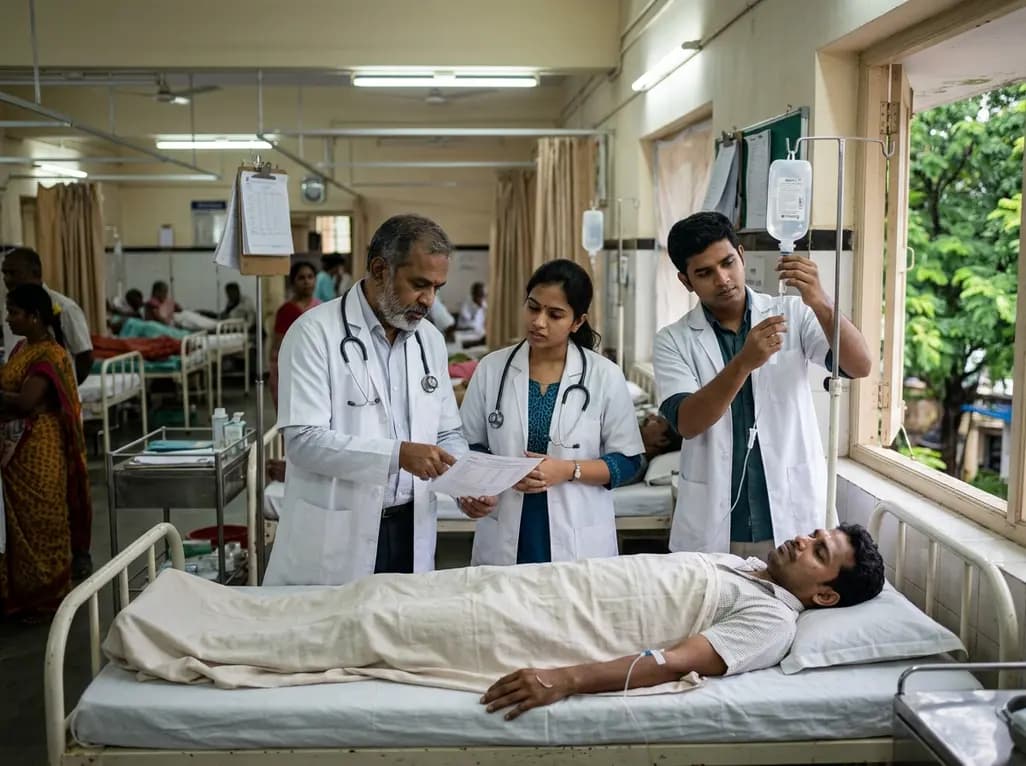
With post-monsoon dengue surges threatening South Asian health systems, physicians must refine triage and management. This guide covers vital warning signs, plasma leakage detection, crystalloid titration, and vector containment strategies to prevent mortality during seasonal arboviral epidemics.
Today
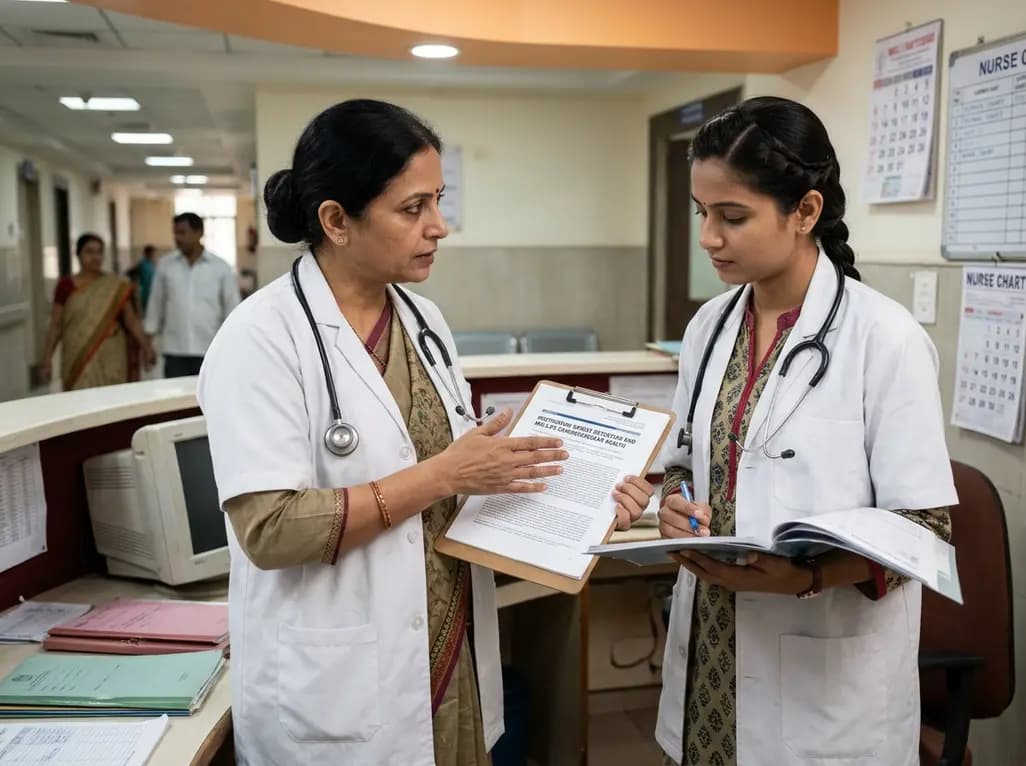
Findings from Project Viva indicate that sustained postpartum weight retention, rather than excessive gestational weight gain alone, directly worsens women's mid-life cardiovascular health, degrading blood pressure and glycemic parameters decades after delivery.
Today
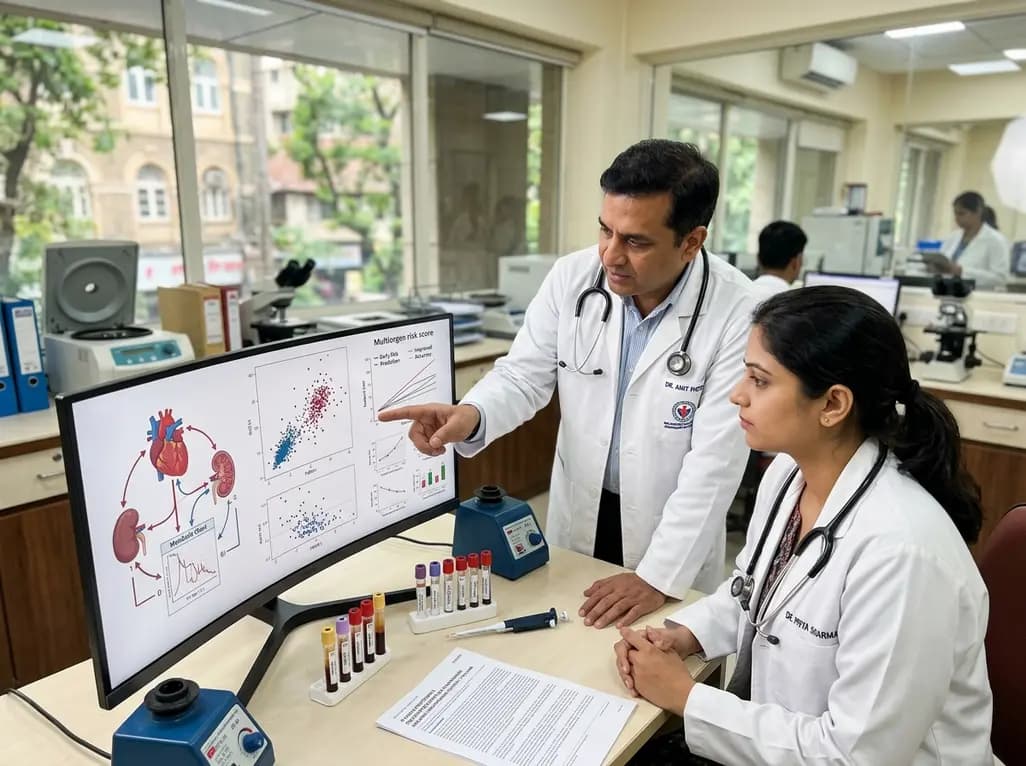
A large UK Biobank study reveals that plasma proteomic signatures capture preclinical organ damage and improve multiorgan risk prediction across early CKM syndrome stages 0 to 2 beyond traditional PREVENT clinical models.
Today
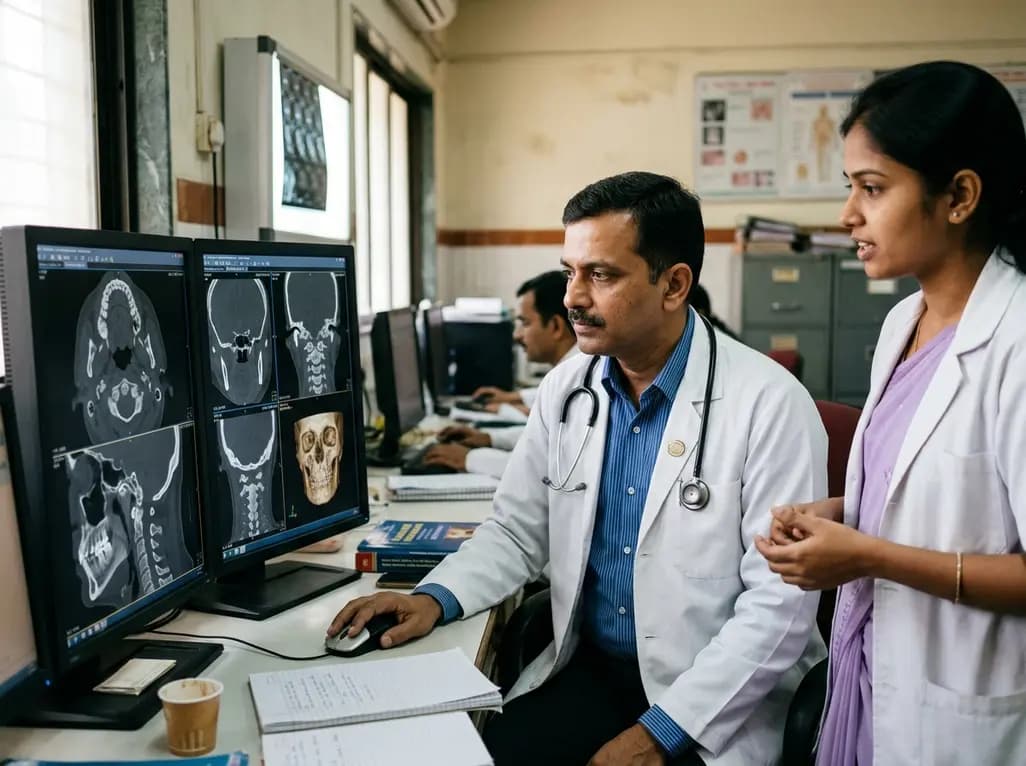
A retrospective CBCT study reveals that superior TMJ space asymmetry correlates moderately with occipital condyle-atlas-axis asymmetry in unilateral TMJ osteoarthritis, highlighting an imaging correlate between jaw biomechanics and upper cervical alignment rather than a standalone diagnostic marker.
Today

A Bayesian multilevel meta-analysis reveals that aerobic training combined with moderate carbohydrate restriction modestly lowers HbA1c in type 2 diabetes. However, sparse data and very low certainty leave incremental benefits over exercise or diet alone unproven, highlighting the need for individualized care.
Today
