.webp&w=384&q=75)

Loading, please wait...
Loading, please wait...
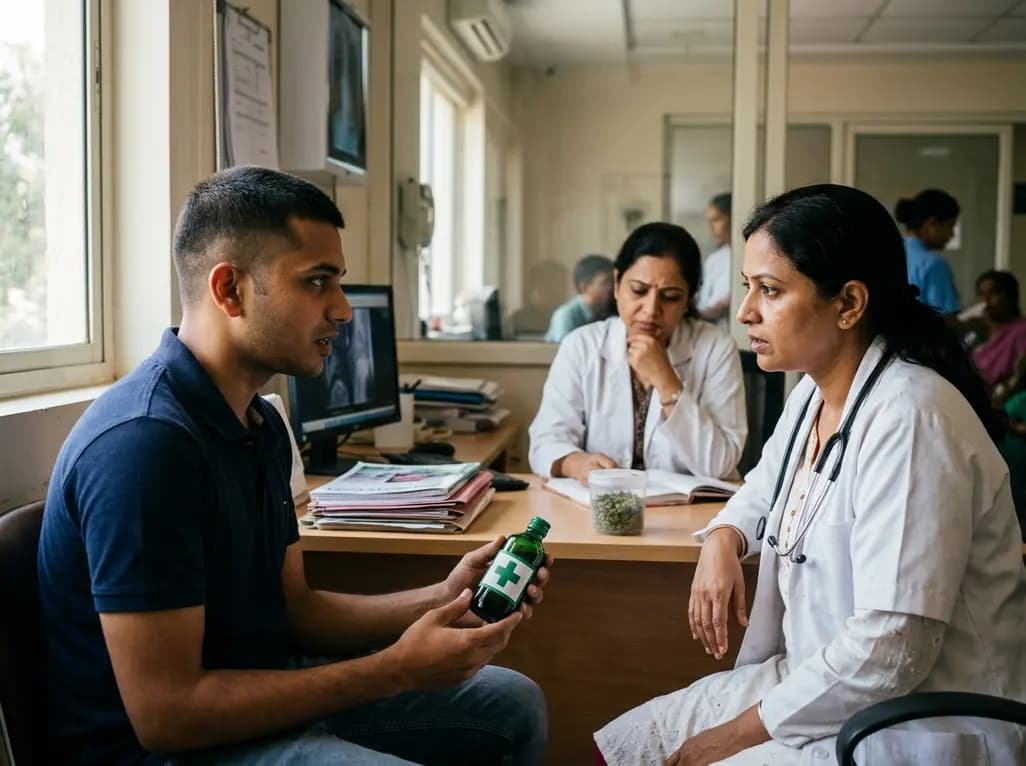
Young adult oncology patients increasingly explore supportive care strategies, making medical cannabis cancer survivors an essential focal point for modern clinical oncology. As oncologic treatments improve survival, young adults aged 18 to 39 often face enduring physical and psychological sequelae. These long-term toxicities include chronic pain, fatigue, nausea, insomnia, and psychological distress. Consequently, many survivors turn toward botanical remedies for symptom relief. A recent qualitative study explored cannabis use behaviors among young adult cancer survivors across diverse regulatory contexts. The researchers evaluated how legislative policies, non-medical information sources, and healthcare interactions shape patient choices. Their findings reveal significant communication barriers between survivors and oncology clinicians, highlighting how fragmented healthcare policies impede evidence-based supportive care. Clinicians must understand these dynamic factors to support optimal survivorship outcomes.
State legislative policies play a decisive role in determining how cancer survivors obtain and utilize botanical therapeutics. Over recent years, rapid legislative reforms transformed medical and commercial cannabis accessibility across many jurisdictions. During active treatment, over half of the survivors lived in states permitting medical access. However, by the time of follow-up interviews, nearly three-quarters resided in regions with fully legal adult-use cannabis. This policy transition significantly facilitated product access by removing administrative hurdles, physician certifications, and state registry fees. Consequently, young survivors could easily purchase over-the-counter products at local retail outlets. Nevertheless, increased legal access simultaneously decoupled cannabis use from clinical oversight. In fully legal states, young adult survivors rarely sought formal medical authorizations. Instead, they navigated commercial dispensaries without guidance from their treating oncology teams. Furthermore, patients living in restrictive states experienced substantial fear regarding legal penalties and product purity. Therefore, evolving legal frameworks create variable healthcare experiences, often isolating vulnerable survivors from informed clinical guidance.
Because healthcare systems frequently fail to provide structured guidance on cannabinoids, young survivors seek clinical knowledge elsewhere. The study revealed that survivors rely predominantly on retail dispensaries, personal social networks, and unvetted online forums. Survivors actively conducted web searches and personal experimentation to determine therapeutic dosages. Consequently, retail dispensary personnel, commonly called budtenders, became primary clinical advisors for cancer-related symptoms. However, dispensary employees lack formal medical training and cannot properly evaluate complex oncologic histories. They routinely recommend products based on marketing trends or customer anecdotes rather than peer-reviewed clinical evidence. Furthermore, retail workers rarely understand dangerous pharmacokinetic interactions between exogenous cannabinoids and targeted cancer therapeutics. For example, high concentrations of cannabidiol can inhibit cytochrome P450 enzymes, potentially altering active drug metabolism. Moreover, online peer communities frequently promote unrealistic therapeutic expectations, including unfounded claims regarding cancer cure. Thus, reliance on commercial information sources leaves young survivors vulnerable to ineffective or harmful regimens.
Conversations between young adult cancer survivors and their healthcare teams remain disappointingly fragmented and inconsistent. Although participants expressed a strong desire for collaborative decision-making, actual clinical discussions were often fraught with tension. Many survivors encountered provider hesitancy, overt skepticism, or pervasive social stigma when raising the topic of cannabis. Several patients reported receiving contradictory advice from different specialists within the same cancer center. In many instances, physicians dismissed patient inquiries, which undermined clinical trust. Consequently, survivors frequently concealed cannabis consumption from their medical records. Conversely, some oncologists expressed theoretical support for cannabis but admitted lacking practical knowledge about safe dosing or drug interactions. This pervasive clinical hesitancy forced patients to navigate symptom management completely alone. Young survivors explicitly requested that oncologists initiate open, non-judgmental conversations during routine survivorship visits. Ultimately, closing this communication divide is essential for maintaining patient safety and preserving professional trust.
Despite numerous systemic barriers, medical cannabis cancer survivors reported substantial subjective relief across a wide spectrum of physical and psychological symptoms. Chemotherapy, radiation, and surgical interventions often leave long-term sequelae that impair post-treatment quality of life. Participants consistently noted that cannabinoids reduced intractable chronic pain and mitigated distressing chemotherapy-induced peripheral neuropathy. Furthermore, survivors reported significant reductions in post-treatment nausea and rapid restoration of healthy appetite. Mental health improvements represented another critical area of perceived therapeutic benefit. Young survivors frequently experience persistent health anxiety, depressive symptoms, and sleep architecture disruption. Many individuals reported that cannabis helped them achieve restorative sleep without the lingering cognitive grogginess caused by prescription sedatives. Additionally, several participants utilized cannabinoids as an opioid-sparing option, allowing them to decrease or discontinue prescription opioid analgesics. Nevertheless, while patient testimonials highlight meaningful symptom alleviation, clinical teams must substantiate these subjective reports with validated symptom assessment tools and individualized clinical monitoring.
Integrating cannabis into comprehensive cancer survivorship requires rigorous clinical scrutiny, strict safety protocols, and continuous medical surveillance. Commercial cannabis products exhibit extreme chemical heterogeneity, varying widely in cannabinoid concentrations, terpene profiles, and delivery mechanisms. Ingestion of unstandardized edibles often causes erratic gastrointestinal absorption and unpredictable peak concentrations, increasing the risk of acute toxicity or paradoxical hyperemesis. Additionally, inhaling combustible plant matter exposes delicate pulmonary tissues to toxic hydrocarbons and dangerous fungal pathogens like Aspergillus. This infectious risk proves particularly hazardous for immunocompromised oncology patients. Furthermore, oncologists in India must navigate regulatory standards under the Narcotic Drugs and Psychotropic Substances Act alongside AYUSH licensing. Indian physicians increasingly encounter survivors inquiring about standardized Ayurvedic Vijaya leaf formulations. Therefore, oncologists worldwide must receive formalized education regarding cannabinoid pharmacology, active drug interactions, and evidence-based clinical indications. Establishing clear clinical guidelines will ensure that survivorship care remains compassionate, scientifically robust, and centered on patient safety.
Young adult cancer survivors most frequently turn to medical cannabis to control intractable nausea, neuropathic pain, appetite loss, and treatment-induced anxiety. Additionally, many individuals experience severe insomnia following chemotherapy and report that cannabis improves their restorative sleep cycles. While conventional pharmacotherapy provides baseline management, survivors often seek cannabinoids as adjuvant options. Consequently, clinicians must actively evaluate these persistent symptoms during follow-up visits to discuss safe therapeutic alternatives and minimize unmonitored self-medication.
Many young adult survivors avoid disclosing cannabis use because they fear clinical judgment, stigma, or potential legal repercussions. Furthermore, several patients perceive that their oncologists lack adequate training regarding cannabinoid pharmacology and specific dosing regimens. Because previous interactions often felt dismissive or contradictory, patients frequently withhold their habits unless directly asked. Therefore, clinicians must foster transparent, non-judgmental communication environments to encourage open disclosure and protect patients from potential drug interactions or contaminated formulations.
In India, the legal framework governing cannabis involves the Narcotic Drugs and Psychotropic Substances Act alongside AYUSH regulatory provisions. While raw recreational cannabis remains prohibited, specific Ayurvedic formulations derived from cannabis leaves receive manufacturing licenses under strict state oversight. Consequently, Indian oncologists must evaluate whether patients consume unverified street preparations or standardized Ayurvedic formulations. Furthermore, physicians should monitor liver function, evaluate concomitant sedative use, and guide patients toward evidence-backed integrative oncology protocols rather than unguided commercial products.
Disclaimer: This content is for informational and educational purposes only... Refer to the latest local and national guidelines for clinical practice.
References

Read summarized clinical updates, watch expert medical content, and earn CME certifications right from your smartphone.
Open your smartphone camera to scan and install.





A qualitative study explores medical cannabis use among young adult cancer survivors, detailing the impact of state legalization, reliance on dispensary advice over oncology consultation, and significant patient-provider communication barriers in managing post-treatment symptoms.
last month

Novel diimide and hydrazone scaffolds, particularly compound #C4, synergistically reactivate latent HIV-1 when combined with JQ1 or PKC activators. Demonstrating donor-matched proviral transcription ex vivo and non-canonical signaling, these findings advance shock and kill strategies toward reservoir eradication.
Today

A cross-sectional study reveals that maternal RSV vaccination coverage reached only 43.7% in Argentina, with maternal vaccine knowledge being the sole independent predictor of uptake. Clinicians play a crucial role in eliminating informational and structural barriers to optimize infant health.
Today

Review how tailored exercise programs benefit frail older patients with heart failure. Explore pathophysiological mechanisms, individualized training prescriptions, and strategies to overcome adherence barriers in clinical practice.
Yesterday

This comparative study evaluates posterior labral tears with and without glenohumeral instability, highlighting distinct demographic patterns, MRI underestimation in stable shoulders, and successful arthroscopic repair outcomes.
Yesterday

A clinical study demonstrates that early intervention with tocilizumab, either as monotherapy or bridged with corticosteroids, achieves significant proptosis reduction and resolves active inflammation in treatment-naive thyroid eye disease.
Yesterday
