.webp&w=384&q=75)

Loading, please wait...
Loading, please wait...
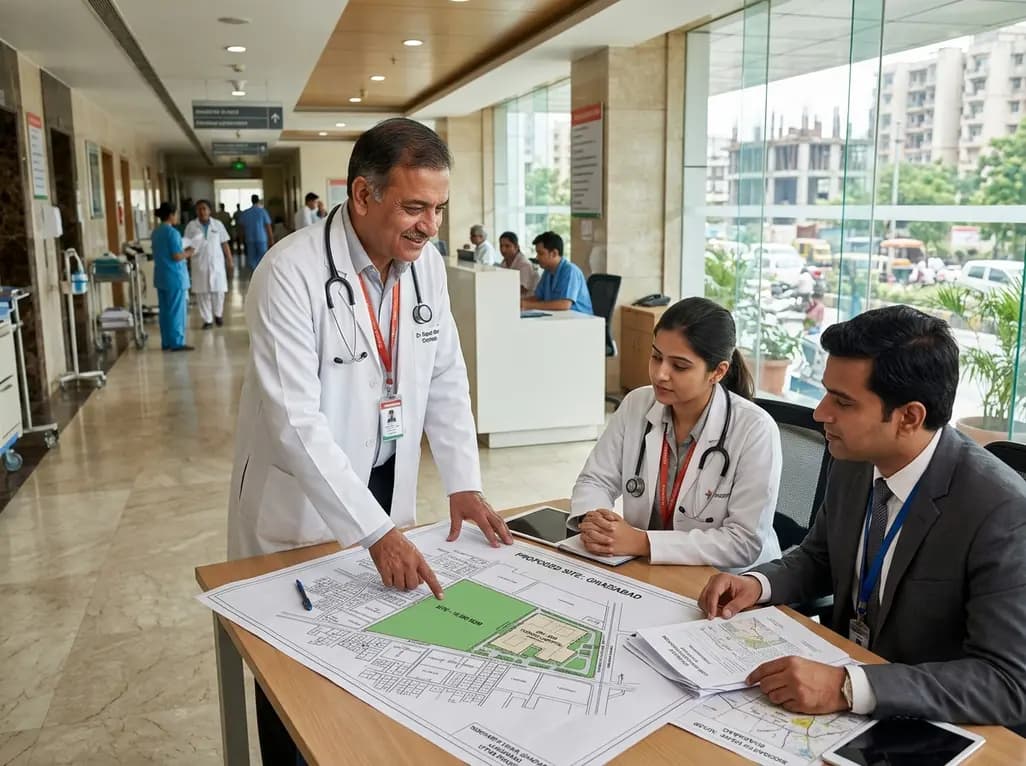
Global Health Limited, the operating entity behind the Medanta healthcare brand, has announced a significant infrastructure expansion in northern India. Specifically, the organization recently finalized the purchase of a prime land parcel to construct the new Medanta Ghaziabad hospital. This project represents a decisive step toward strengthening specialized clinical delivery across the National Capital Region. Consequently, the planned facility will cater to rising patient volumes requiring advanced medical interventions in western Uttar Pradesh.
Global Health acquired the 10,560-square-metre freehold plot in Siddharth Vihar Yojna through an official auction process. The transaction involved an investment of approximately Rs 165.82 crore. Furthermore, the healthcare provider secured the allotment directly from the Uttar Pradesh Housing and Development Board. This strategic investment enables the group to construct an expansive medical center featuring more than 350 inpatient beds.
However, the final execution of the proposed hospital remains contingent upon formal statutory sanctions. The project also requires comprehensive evaluation and final clearance from the company’s Board of Directors. Hospital administrators emphasize that early planning focuses on environmental compliance, structural feasibility, and regional urban integration. In addition, the developer aims to deploy modern building methodologies to optimize construction timelines.
The acquisition reflects a deliberate effort to capture emerging healthcare corridors within the wider Delhi-NCR territory. Siddharth Vihar offers strategic transit connections between major arterial highways and municipal transit hubs. Therefore, medical teams can promptly receive critically ill patients transferred from surrounding districts. Through this calculated land purchase, the organization establishes a firm operational anchor in an underserved geographic pocket.
Ghaziabad and its surrounding peripheral territories have experienced rapid population expansion over the last two decades. Nevertheless, the availability of specialized tertiary beds has not kept pace with demographic growth. Pankaj Sahni, Group CEO and Director of Global Health, emphasized that the region presents compelling long-term healthcare dynamics. Significant urban development continues to generate strong local demand for sophisticated quaternary services.
Consequently, local residents frequently commute long distances into central Delhi or Gurugram to access advanced medical care. Such prolonged travel times often jeopardize clinical outcomes during acute cardiovascular emergencies and neurovascular crises. The new facility directly mitigates this logistical burden by offering localized critical care infrastructure. As a result, patients from Ghaziabad, Meerut, Hapur, Bulandshahr, and Saharanpur will access prompt clinical management.
Moreover, western Uttar Pradesh exhibits a rising incidence of complex chronic conditions, including diabetes, hypertension, and end-stage organ diseases. Clinicians practicing in these districts frequently encounter limited access to specialized catheterization laboratories, surgical oncology suites, and dedicated organ transplant units. By establishing comprehensive tertiary capacity locally, the network addresses critical service gaps. Ultimately, this geographic proximity will improve emergency stabilization metrics and foster better continuity of care.
The architectural framework of modern tertiary hospitals demands meticulous planning to support multidisciplinary medical workflows. Consequently, the proposed 350-bed structure will integrate dedicated critical care suites, smart operation theatres, and advanced diagnostic machinery. Modern imaging modalities, such as high-resolution magnetic resonance scanners and dual-source computed tomography units, will facilitate rapid diagnostic evaluation. These technical capabilities ensure accurate decision-making for complex diagnostic dilemmas.
Additionally, multi-specialty care models require sophisticated infection control engineering and segregated clinical pathways. Designers will incorporate isolated ventilation systems within intensive care units to curb airborne pathogen transmission. Emergency triage bays will interface directly with resuscitation zones to expedite time-critical clinical interventions. Therefore, clinical teams can handle poly-trauma cases, acute coronary syndromes, and stroke episodes with high precision.
Furthermore, medical programs will span essential super-specialties including cardiology, oncology, neurosurgery, nephrology, and gastroenterology. Dedicated neonatal and pediatric intensive care units will support vulnerable young cohorts across western Uttar Pradesh. Modern inpatient wards will incorporate ergonomic architectural designs that promote early post-surgical rehabilitation and reduce hospital stays. In conclusion, modern physical infrastructure empowers clinical teams to maintain rigorous patient safety protocols.
Tertiary hospitals thrive when they establish robust partnerships with primary practitioners and community nursing homes. Consequently, the upcoming Ghaziabad hospital will function as an indispensable tertiary referral hub for regional family physicians. Primary healthcare providers across semi-urban clusters can coordinate seamlessly with in-house hospital specialists for second opinions. This collaborative approach enhances diagnostic accuracy and prevents unnecessary duplicate investigations.
Moreover, standardized clinical handovers will ensure safe inter-hospital patient transfers during hemodynamic instability. Telemedicine infrastructure will enable suburban clinicians to consult tertiary specialists before initiating transport protocols. In addition, digital referral portals will simplify record sharing, pathology review, and radiology assessments. Such integrated communication channels dramatically shorten door-to-needle and door-to-balloon intervals in urgent scenarios.
Additionally, this new clinical hub will support regional medical education and continuing clinical updates. The hospital will host specialized clinical workshops, emergency management drills, and antimicrobial stewardship seminars for community practitioners. Medical professionals in surrounding districts can engage directly with senior consultants to study advanced clinical protocols. Thus, the hospital will cultivate a comprehensive academic ecosystem that elevates care standards across the entire healthcare spectrum.
The Ghaziabad land acquisition aligns with a broader capacity growth strategy executed by Global Health Limited. Currently, the company operates a network of six operational hospitals across Gurgaon, Indore, Ranchi, Lucknow, Patna, and Noida. These combined medical centers accommodated 3,737 installed beds as of mid-2026. Furthermore, the recently inaugurated Noida hospital continues to scale its clinical operations to meet regional tertiary needs.
Meanwhile, the organization is advancing five additional hospital developments across major metropolitan and Tier-II healthcare markets. These upcoming projects include facilities in Mumbai, Guwahati, Varanasi, and two separate centers in Delhi at Pitampura and South Delhi. Consequently, the addition of the Ghaziabad project will expand total network bed capacity toward 5,000 beds. This calculated expansion enables uniform clinical protocols across diverse geographic populations.
Therefore, the expanding hospital network strengthens medical talent recruitment across India. Senior clinicians, surgeons, and nursing specialists benefit from expanded professional opportunities within a unified institutional culture. Moreover, multi-center hospital networks streamline biomedical supply chains and foster collaborative clinical research across specialty departments. Ultimately, these organizational efficiencies translate into accessible, high-quality tertiary care for patients across northern India.
Constructing a large-scale tertiary care facility requires extensive regulatory compliance and rigorous operational sequencing. Specifically, Global Health must obtain multiple statutory clearances from municipal, environmental, and healthcare authorities before commencing construction. Environmental impact assessments will evaluate water management, waste handling, and carbon footprint reduction strategies. Furthermore, municipal fire authorities and structural safety boards must approve detailed civil engineering blueprints.
Meanwhile, project leadership is formulating a comprehensive project plan for formal presentation to the company’s Board of Directors. This operational blueprint outlines capital expenditure phasing, procurement timelines, and clinical commissioning schedules. Hospital leaders must also secure biomedical equipment imports, licensing for radioactive imaging substances, and pharmacy dispensing registrations. Additionally, facility administrators will establish strict protocols for biomedical waste management under national environmental rules.
Consequently, managing construction milestones in parallel with clinical recruitment timelines will determine overall project success. Early engagement of clinical directors and nursing leadership ensures seamless department setup before clinical commissioning. In addition, administrative teams must coordinate local infrastructure linkages, including power grids, water supply, and approach roads. Successful completion of these administrative phases will guarantee that the medical facility meets international patient safety benchmarks upon opening.
Q1: What is the proposed scale and financial investment for the new hospital facility in Ghaziabad?
Global Health Limited acquired a 10,560-square-metre freehold plot in Siddharth Vihar, Ghaziabad, for approximately Rs 165.82 crore via an online auction. The company plans to construct a modern multi-specialty hospital featuring over 350 inpatient beds. This substantial capital investment addresses expanding healthcare needs in eastern Delhi-NCR. Furthermore, execution remains subject to standard statutory clearances and formal approval from the company’s Board of Directors before construction commences on site.
Q2: How will the new hospital in Ghaziabad benefit regional patients and practicing physicians?
The planned medical facility will substantially reduce referral transit times for acute medical emergencies across western Uttar Pradesh districts, such as Meerut, Hapur, and Bulandshahr. Consequently, local family doctors can refer complex cardiovascular, neurological, and oncological cases to nearby specialists without sending patients into congested Delhi centers. Additionally, the hospital provides advanced diagnostic technology, specialized critical care suites, and structured continuing medical education for local community doctors.
Q3: How does this project fit into Medanta's broader hospital network expansion across India?
Global Health currently operates six hospitals in Gurgaon, Indore, Ranchi, Lucknow, Patna, and Noida, managing 3,737 installed beds as of mid-2026. In addition, the organization is actively developing five upcoming centers across Mumbai, Guwahati, Varanasi, and two Delhi sites. The planned Ghaziabad unit strengthens tertiary healthcare access throughout the National Capital Region. Therefore, this project advances the network toward its strategic target of operating more than 5,000 specialized hospital beds nationwide.
Disclaimer: This content is for informational and educational purposes only. It does not constitute medical advice or replace professional judgment. Refer to the latest local and national guidelines for clinical practice.
References

Read summarized clinical updates, watch expert medical content, and earn CME certifications right from your smartphone.
Open your smartphone camera to scan and install.





Global Health Limited has purchased a 10,560-square-metre plot in Siddharth Vihar, Ghaziabad, for Rs 165.82 crore. The company plans to construct a 350-plus bed tertiary hospital to address growing clinical demands across eastern Delhi and western Uttar Pradesh, pending necessary regulatory and board clearances.
Today
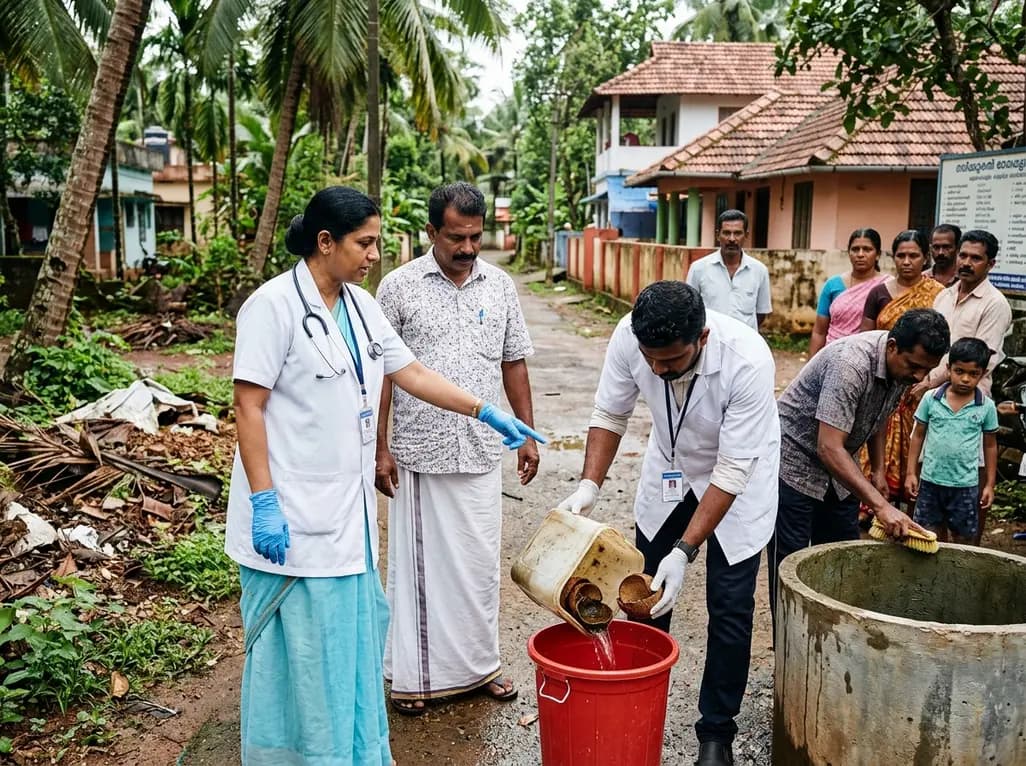
To curb the transmission of dengue and chikungunya following intermittent rains, the Kerala government has mobilized collector-led coordination committees, enhanced fever clinics, and instituted structured Dry Day source reduction campaigns across educational institutions, workplaces, and local communities.
Today
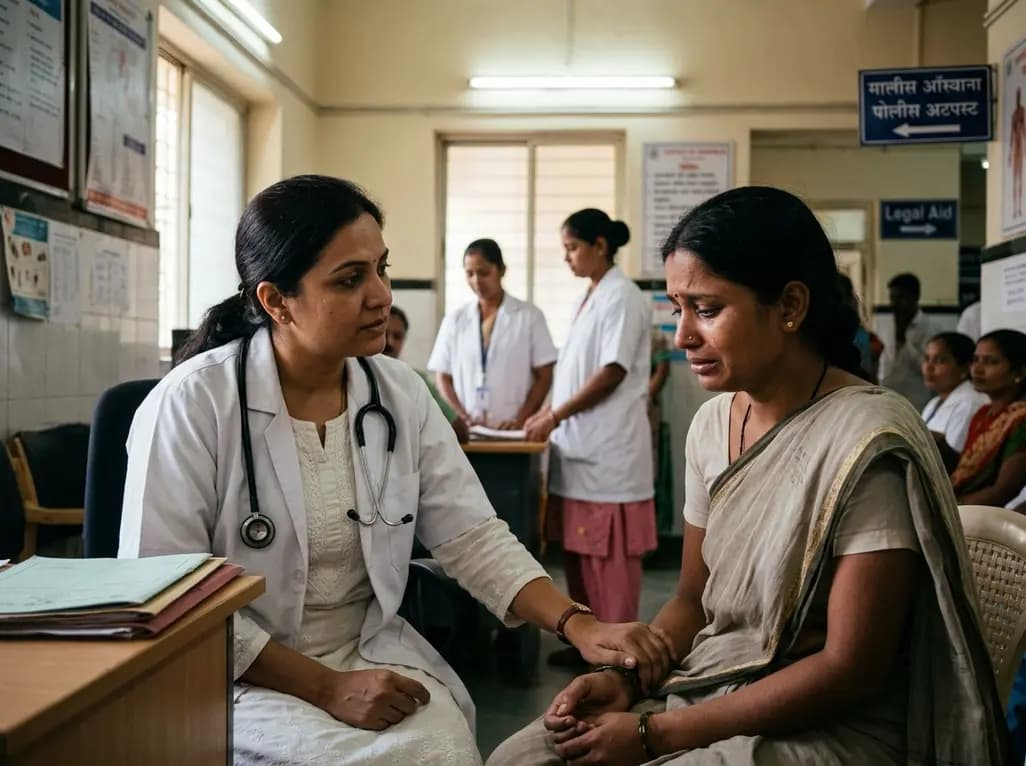
A recent qualitative study evaluates institutional gaps across health, police, and justice sectors in supporting survivors of intimate partner violence. Healthcare providers must bridge procedural fragmentation with empathetic, trauma-informed care and cross-sector coordination to safeguard vulnerable patients.
Today
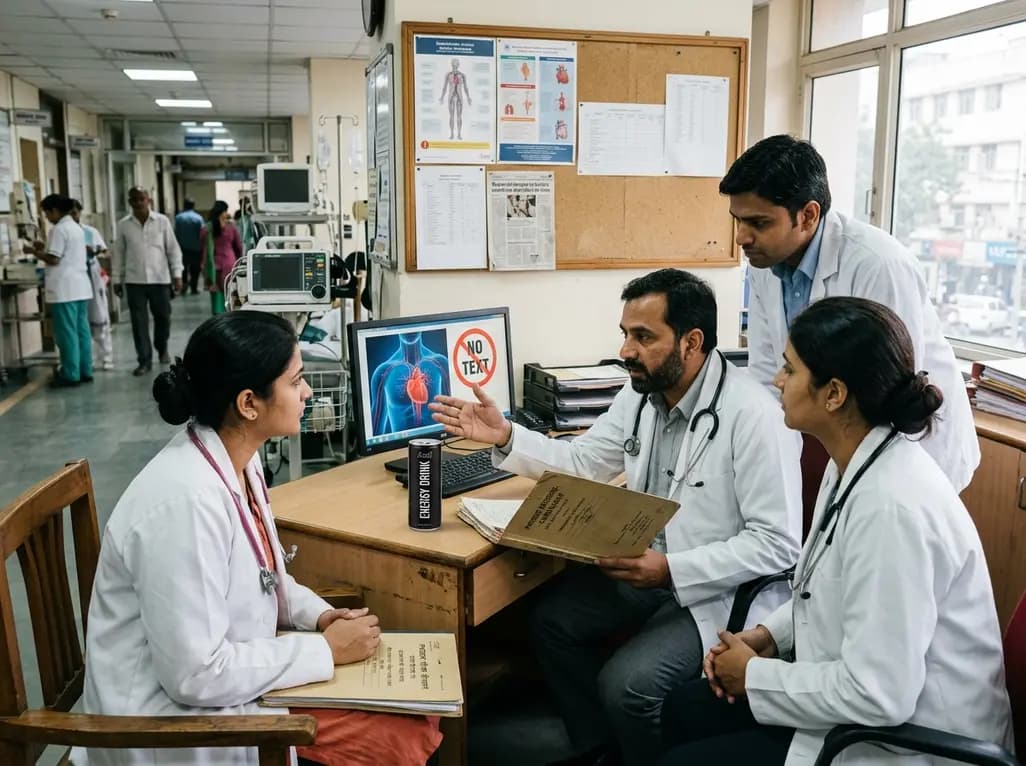
The Delhi High Court recently quashed an FSSAI order requiring beverage manufacturers to remove the term 'energy' from product labels without due process. This development brings renewed clinical focus to beverage terminology, consumer safety limits, cardiovascular strain, and youth dietary habits across India.
Today
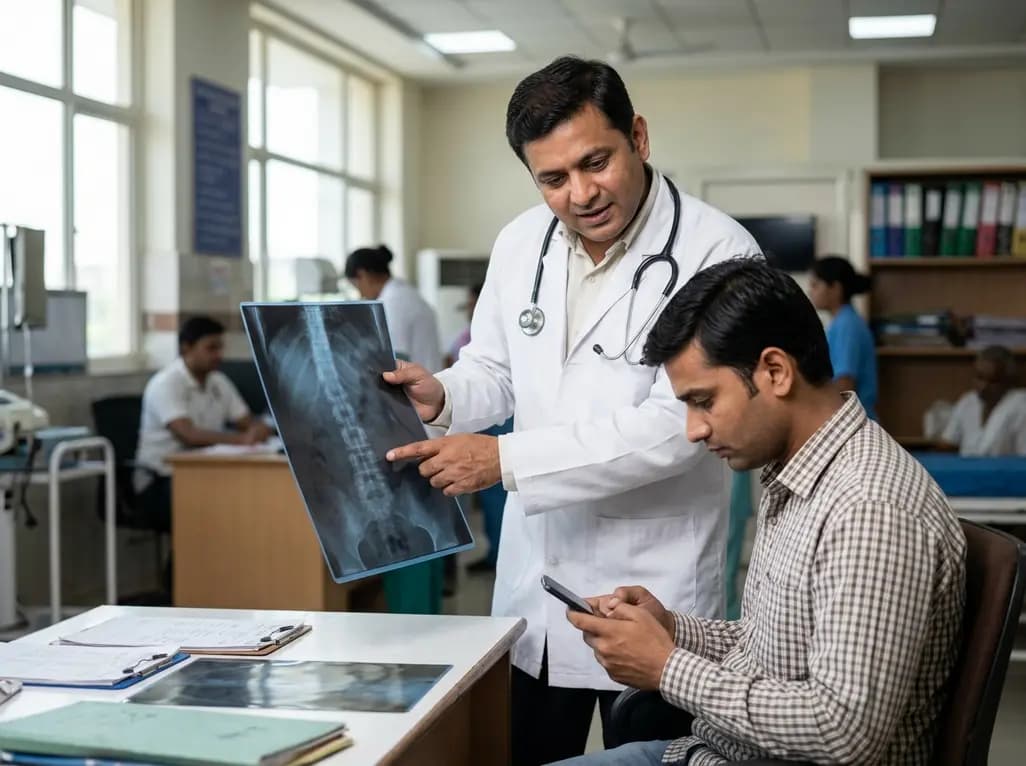
A cross-sectional study reveals a strong positive correlation between problematic internet use and kinesiophobia in adults aged 18-45 with non-specific low back pain, highlighting how digital overuse reinforces movement fear and complicates musculoskeletal recovery.
Today
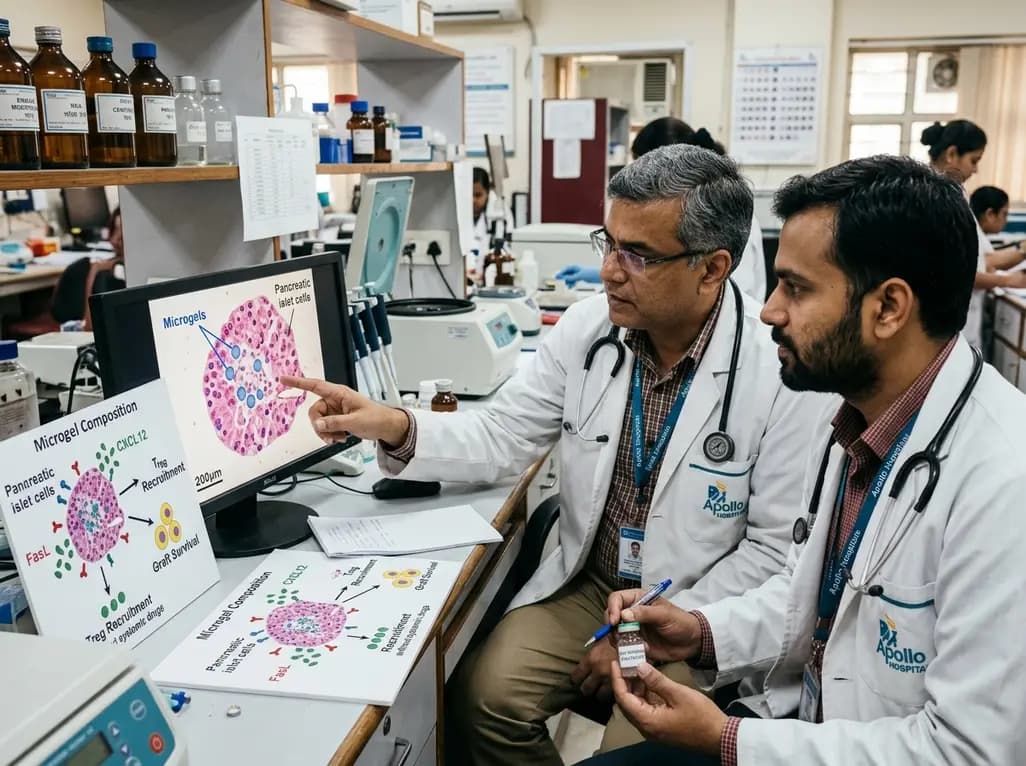
A novel microgel platform presenting FasL and protease-resistant CXCL12 enables sustained allogeneic islet survival and glycemic control without systemic immunosuppression, enhancing local Treg recruitment and graft revascularization.
Today
