.webp&w=384&q=75)

Loading, please wait...
Loading, please wait...
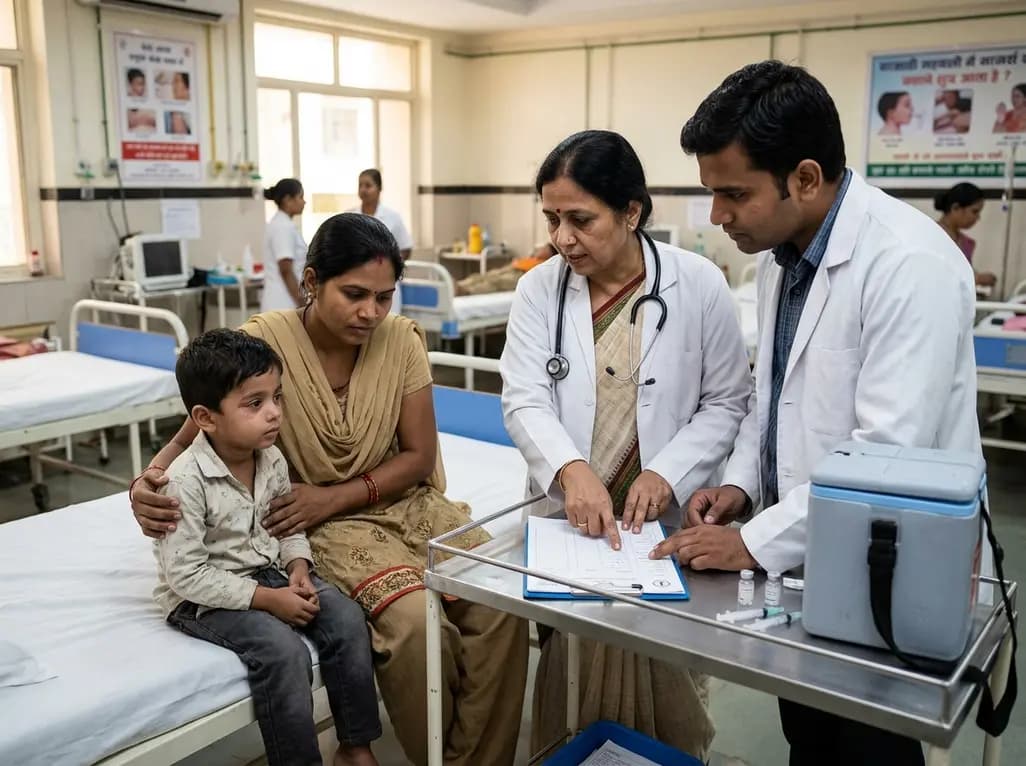
A massive surge in preventable childhood infections has placed health systems across South Asia under immense pressure. In response to widespread transmission, health authorities have instituted an emergency nationwide measles vaccination campaign to halt rising morbidity and mortality. For healthcare professionals across the region, this epidemiological event offers profound insights into outbreak response immunization, diagnostic surveillance, and the clinical management of vulnerable pediatric populations.
Measles remains one of the most transmissible airborne human pathogens, requiring a 95% population immunity threshold to interrupt community transmission. When routine immunization coverage slips, susceptible cohorts accumulate rapidly across urban and rural districts. Political disruptions, supply chain bottlenecks, and delayed supplementary immunization activities recently left millions of infants unprotected. Consequently, an explosive outbreak emerged, generating tens of thousands of hospitalizations and over one thousand pediatric fatalities. Moreover, concurrent surges of endemic illnesses such as dengue have saturated regional critical care facilities. Because the basic reproduction number of the measles virus ranges between 12 and 18, secondary household attack rates among unvaccinated contacts exceed 90%. Therefore, primary care providers must recognize that missed immunization cohorts create persistent vulnerability pockets. Clinicians working in neighboring territories must maintain heightened vigilance. Porous borders and active population mobility can facilitate rapid cross-border importation. As a result, health systems must prioritize routine catch-up schedules and monitor under-vaccinated pediatric populations continuously.
Recognizing the initial symptoms of measles is essential for preventing nosocomial exposure and secondary transmission. Typically, the illness begins with a prodrome characterized by high fever, cough, coryza, and conjunctivitis. Within two to four days, pathognomonic Koplik spots appear on the buccal mucosa opposite the lower molars. Shortly thereafter, an erythematous, maculopapular exanthem erupts along the hairline and descends cephalocaudally across the torso and extremities. However, infants younger than nine months often display atypical clinical patterns. In these young patients, maternal antibody titers decay prematurely, leaving them vulnerable to severe lower respiratory tract infections before classical rash manifestation. Furthermore, malnourished children frequently present with extensive cutaneous desquamation, severe stomatitis, and acute enteropathy. Physicians must also differentiate measles from enteroviral eruptions, dengue rash, scarlet fever, and drug eruptions. Rapid triaging in outpatient settings remains vital. Clinicians should isolate febrile children who present with acute catarrhal symptoms before they enter crowded pediatric waiting areas.
Laboratory confirmation provides the cornerstone for tracking outbreaks and preventing uncontrolled secondary transmission. Clinicians should confirm suspected measles cases using reverse transcription-polymerase chain reaction assays or serum measles-specific IgM enzyme-linked immunosorbent assays. Ideally, health workers should collect serum samples between three and twenty-eight days after rash onset to minimize false-negative results. Additionally, throat swabs and nasopharyngeal aspirates collected within the first few days of rash onset yield reliable viral isolation. Rapid reporting to national integrated disease surveillance portals enables public health teams to initiate contact tracing. Furthermore, clinicians must evaluate children for coinfections, particularly during seasonal mosquito-borne surges. Thrombocytopenia or severe vascular leakage warrants urgent evaluation for concurrent arboviral diseases. Implementing strict respiratory droplet precautions within clinics prevents hospital-acquired transmission. Healthcare institutions must verify that all healthcare workers possess documented two-dose measles vaccination or laboratory-proven immunity. Ultimately, rigorous laboratory surveillance allows public health teams to identify emerging clusters before they destabilize regional health infrastructure.
To control community transmission during widespread outbreaks, health authorities frequently deploy supplementary immunization activities. During an intense measles vaccination campaign, standard immunization schedules often require tactical adjustments to protect the most vulnerable infants. For instance, authorities routinely lower the eligibility age to six months, administering a supplementary "zero dose." This early dose delivers rapid humoral priming in high-risk zones, although recipients still require two standard doses after nine months. Mass immunization centers, mobile outreach teams, and school-based clinics ensure equitable vaccine delivery across remote and marginalized communities. In addition, health workers must strictly monitor cold-chain integrity, maintaining live-attenuated measles-rubella vaccines between two and eight degrees Celsius. Community engagement strategies remain indispensable for overcoming vaccine hesitancy and parental mistrust. Primary care physicians serve as trusted communicators who dispel vaccine misinformation and encourage timely immunization. Reaching missed and zero-dose children through these coordinated campaigns represents the only reliable mechanism to restore regional herd immunity.
Measles management relies on prompt supportive care, nutritional support, and immediate complication management. Clinicians should administer high-dose therapeutic vitamin A to all diagnosed pediatric patients immediately upon diagnosis. The World Health Organization recommends age-appropriate dosing on two consecutive days to restore depleted hepatic reserves. This therapy significantly reduces corneal ulceration, blindness, and measles-associated mortality. Furthermore, bacterial superinfections, such as bronchopneumonia and acute otitis media, demand prompt antimicrobial intervention. Beyond acute morbidity, measles induces a profound biological phenomenon known as immune amnesia. The virus infects CD150-expressing memory lymphocytes, destroying previously acquired antibody repertoires against various pathogens. Consequently, recovering children experience prolonged immunosuppression lasting several years, leaving them susceptible to secondary bacterial and viral infections. Primary care doctors must therefore monitor post-measles patients closely for months following clinical recovery. Encouraging re-vaccination catch-up schedules and aggressive nutritional rehabilitation safeguards these vulnerable children against secondary opportunistic infections.
Q1: Why do authorities administer an emergency measles dose to infants as young as six months during an outbreak?
Under normal circumstances, routine immunization begins between nine and twelve months because circulating maternal antibodies can neutralize the vaccine virus. However, during severe community outbreaks, maternal antibodies often wane by six months, leaving young infants exposed to lethal disease. Therefore, administering an emergency zero dose at six months provides rapid individual protection, although children still require two routine doses later for durable lifetime immunity.
Q2: What is post-measles immune amnesia, and how does it threaten pediatric patients?
The measles virus preferentially targets memory B and T lymphocytes expressing the CD150 receptor. As a consequence, the infection destroys between twenty and seventy percent of the child's existing antibody repertoire against previously encountered pathogens. This immunological erasure causes persistent immunosuppression lasting two to three years. Recovered children therefore face substantially elevated risks of severe secondary respiratory and gastrointestinal infections.
Q3: How can primary care clinicians clinically distinguish early measles from other pediatric viral exanthems?
Measles typically presents with a marked, toxic-appearing prodrome featuring high fever and the classic triad of cough, coryza, and conjunctivitis. Unlike roseola infantum, where the rash appears after defervescence, the measles rash erupts at the peak of fever. Additionally, transient bluish-white Koplik spots on the buccal mucosa confirm measles diagnosis before the confluent maculopapular rash spreads cephalocaudally down the trunk.
Disclaimer: This content is for informational and educational purposes only. It does not constitute medical advice or replace professional judgment. Refer to the latest local and national guidelines for clinical practice.
References

Read summarized clinical updates, watch expert medical content, and earn CME certifications right from your smartphone.
Open your smartphone camera to scan and install.





A severe measles surge across South Asia highlights persistent gaps in childhood immunization. Review clinical takeaways, emergency zero-dose vaccination protocols, diagnostic pointers, and public health containment measures essential for pediatricians and primary care clinicians managing infectious disease threats.
Today

India's health ministry has instructed state authorities to confiscate unapproved oral nicotine products and prosecute unauthorized sellers. Although marketed as smokeless harm-reduction tools, these pouches deliver high doses of nicotine, posing significant cardiovascular, mucosal, and addiction hazards for patients.
Today
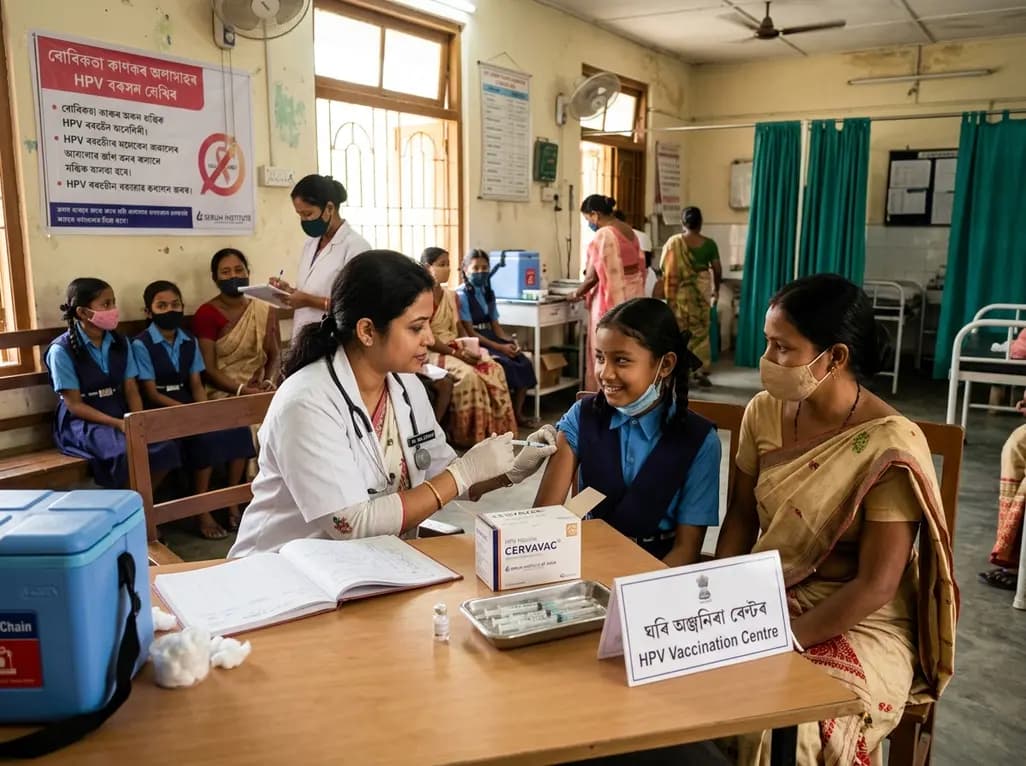
An independent clinical evaluation from Assam confirms the excellent safety profile of CERVAVAC, India's indigenous HPV vaccine. Evaluating 3,800 doses administered to 2,000 young girls, researchers documented zero serious adverse events, providing critical real-world evidence to resolve vaccine hesitancy.
Today
Maharashtra FDA Commissioner Tukaram Mundhe warns that widespread non-compliance with food standards is driving a surge in non-communicable diseases. Healthcare professionals must bridge clinical practice with nutritional vigilance, recognizing dietary quality as a primary driver of premature cardiometabolic conditions.
Today
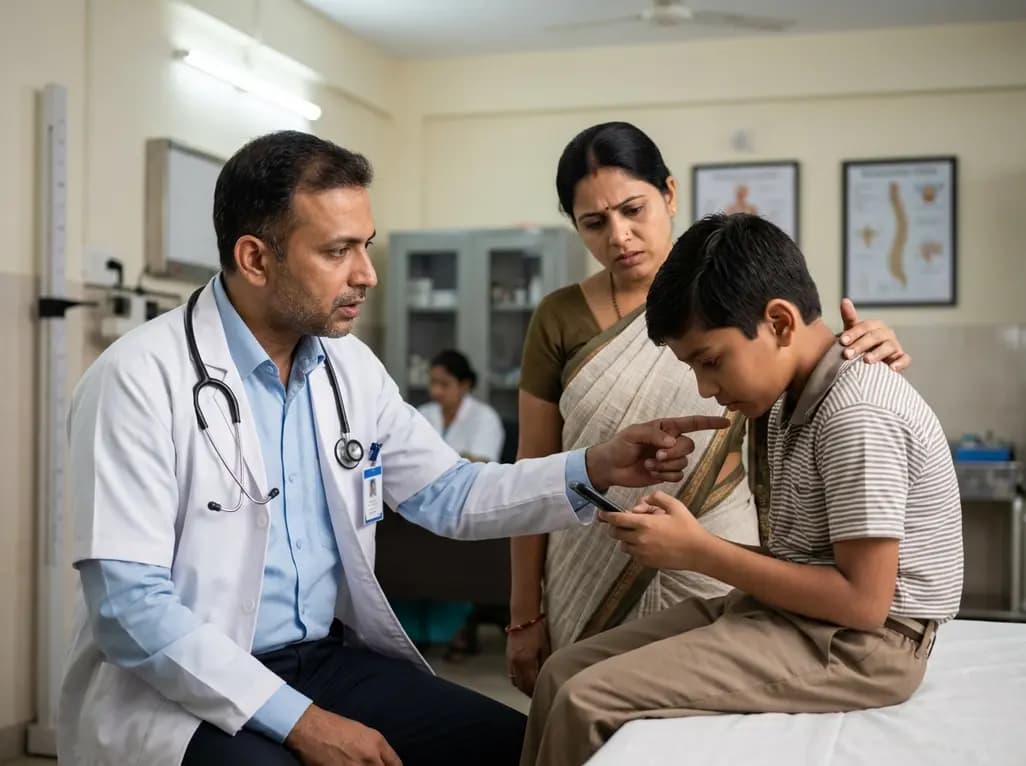
Excessive screen exposure and sedentary routines are driving a silent surge in musculoskeletal pain among young patients. This comprehensive overview examines pediatric cervical strain, biomechanical loads, clinical evidence, and targeted physiotherapy interventions to safeguard growing spinal structures.
Today

A randomized crossover study reveals that exercise-induced glycogen depletion combined with a low-carbohydrate diet significantly enhances peak fat oxidation without impairing skeletal muscle mitochondrial coupling control or efficiency in healthy trained men.
Today
