.webp&w=384&q=75)

Loading, please wait...
Loading, please wait...
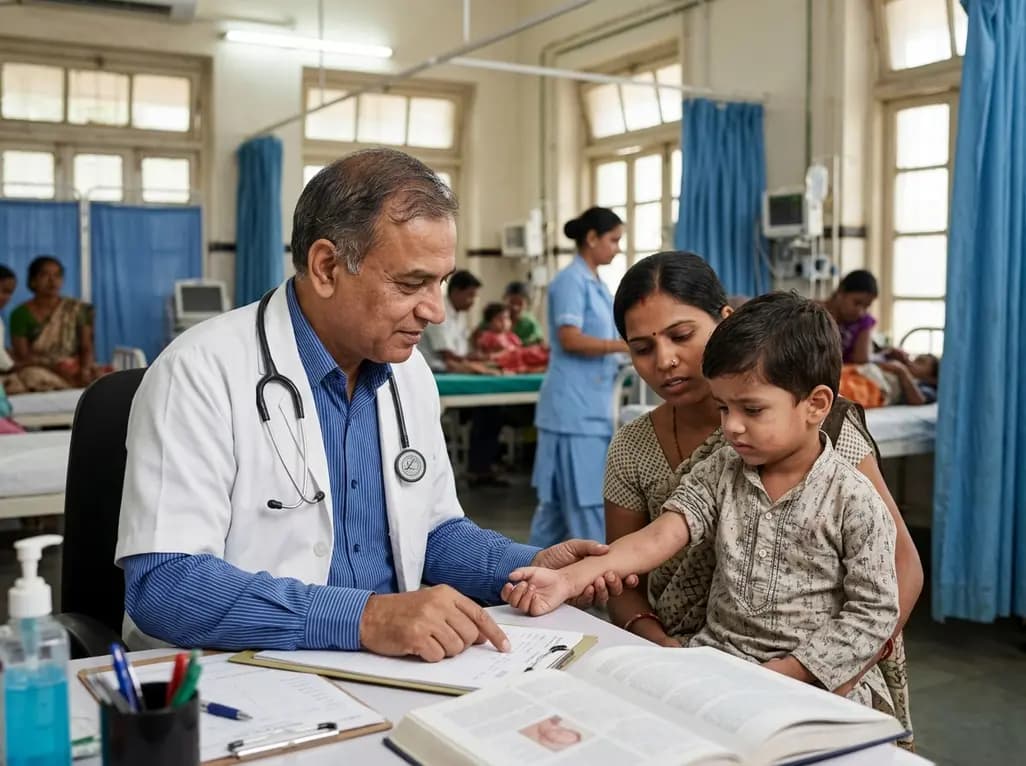
Recent international reports confirm fatal outcomes in unvaccinated individuals during widespread viral surges. Consequently, public health leaders and clinicians are re-examining the critical factors that drive measles outbreak risks across diverse communities. Although immunization efforts dramatically reduced global mortality over past decades, declining vaccine coverage enables rapid pathogen transmission. Therefore, medical practitioners must maintain high clinical suspicion, reinforce timely immunizations, and address emergent threats effectively.
Measles remains one of the most infectious viral pathogens known in clinical medicine. In fact, a single index patient can infect up to eighteen susceptible individuals in crowded environments. The virus transmits through airborne respiratory droplets and can linger in enclosed airspaces for two hours. Consequently, even brief exposures in waiting rooms or public venues can trigger substantial institutional transmission chains.
Recent surveillance data from the United States highlight more than three thousand cases and multiple tragic deaths. Significantly, all documented fatalities occurred in unvaccinated persons, including vulnerable infants and previously healthy young adults. This alarming pattern demonstrates that herd immunity thresholds must remain above ninety-five percent to safeguard community members. Unfortunately, non-medical exemptions and vaccine skepticism continue to erode population protection worldwide.
Furthermore, Indian physicians must recognize that international travel frequently imports and exports measles lineages across borders. Therefore, local outbreaks can emerge rapidly whenever primary immunization coverage experiences slight regional declines. Practitioners must monitor community immunization registries proactively to detect vulnerable pediatric cohorts before localized transmissions expand into full-scale epidemics.
Recognizing measles promptly requires a thorough understanding of its classic two-stage clinical trajectory. The prodromal phase typically begins ten to fourteen days following exposure to the rubeola paramyxovirus. During this initial stage, patients experience spiking fevers alongside the hallmark triad of cough, coryza, and conjunctivitis. In addition, patients frequently report photophobia, prominent malaise, and prominent cervical lymphadenopathy.
Pathognomonic Koplik spots typically emerge two to three days after symptom onset. Clinicians can identify these bluish-white enanthem lesions opposite the lower molars on the buccal mucosa. However, these transient mucosal lesions often fade within forty-eight hours, making them easy to miss during outpatient visits. Subsequently, the characteristic erythematous maculopapular exanthem appears along the hairline and retroauricular region before spreading downward.
Meanwhile, atypical measles presentations may occur in partially immune individuals or severely immunocompromised hosts. In such vulnerable patients, the classic rash may appear muted or entirely absent despite profound systemic viremia. Consequently, physicians must prioritize rapid polymerase chain reaction and IgM serology to establish definitive confirmation.
Measles infection causes far more than a self-limiting febrile illness and rash. Indeed, rubeola represents a multisystem pathogen that actively suppresses host immunity for months or years. The virus infects CD150-expressing memory lymphocytes, inducing profound immunological amnesia. As a result, infected patients lose pre-existing protective antibodies against other lethal bacterial and viral pathogens.
Respiratory complications account for the majority of measles-associated deaths worldwide. The primary giant-cell pneumonitis severely impairs pulmonary gas exchange, while secondary bacterial pneumonia frequently supervenes. Furthermore, acute otitis media frequently develops, occasionally causing permanent sensorineural hearing loss in young pediatric patients. Gastroenteritis and severe dehydration also accelerate nutritional decline, particularly in children suffering from baseline protein-energy malnutrition.
Moreover, central nervous system involvement presents devastating neurological outcomes. Acute post-infectious encephalomyelitis occurs in approximately one in every thousand cases, producing permanent motor and cognitive deficits. In addition, subacute sclerosing panencephalitis is a fatal degenerative condition that arises years after apparent clinical recovery. Therefore, clinicians must emphasize that vaccination prevents these devastating, irreversible neurological sequelae.
Currently, no specific direct-acting antiviral therapy exists for treating acute measles infection. Therefore, clinical management focuses on aggressive supportive care, meticulous fluid management, and nutritional rehabilitation. The World Health Organization strongly recommends therapeutic vitamin A supplementation for all diagnosed pediatric cases. Specifically, administering high-dose vitamin A across two consecutive days restores epithelial integrity and cuts mortality in half.
In addition, clinicians must promptly isolate any suspected patient within an airborne negative-pressure isolation room. Hospitalized children require continuous monitoring for secondary bacterial superinfections, which warrant targeted antimicrobial therapy. Routine prophylactic antibiotics, however, offer no clinical benefit and can encourage drug-resistant pathogens. Consequently, physicians should reserve antibiotics strictly for confirmed bacterial pneumonia, otitis media, or sepsis.
Meanwhile, rapid post-exposure prophylaxis can successfully prevent secondary spread among close contacts. Susceptible individuals exposed to an active case should receive the measles-rubella vaccine within seventy-two hours. Alternatively, highly vulnerable contacts, such as pregnant women and young infants, should receive human normal immunoglobulin within six days. Thus, timely clinical interventions preserve vital therapeutic windows and prevent secondary institutional transmissions.
Achieving robust herd immunity requires unwavering commitment to high routine vaccination coverage across all districts. Under India's Universal Immunization Programme, children receive two doses of the measles-rubella vaccine. Health workers administer the first dose at nine to twelve months alongside oral vitamin A. Subsequently, children receive their second booster dose between sixteen and twenty-four months of age.
In contrast, private practice pediatric guidelines from the Indian Academy of Pediatrics recommend the measles-mumps-rubella formulation. Their standard schedule advises three total doses administered at nine months, fifteen months, and four to six years. Regardless of the specific formulation used, achieving at least ninety-five percent two-dose coverage remains critical. Hence, primary care physicians must audit patient immunization records during every routine clinical interaction.
Furthermore, medical professionals must combat vaccine hesitancy by actively addressing parental misinformation. Clinicians should communicate that measles vaccines possess an exceptional safety profile established over six decades. In addition, health centers must deploy targeted catch-up vaccination drives to close gaps left by missed appointments. Through proactive immunization advocacy and rapid surveillance reporting, healthcare teams can successfully prevent measles mortality and sustain community health.
Q1: Why are unvaccinated infants and young adults particularly vulnerable during a measles outbreak?
Unvaccinated infants under nine months lack protective maternal antibodies, yet they remain too young to receive routine immunization. Consequently, exposed infants experience severe systemic complications, including respiratory failure and secondary bacterial infections. Similarly, unvaccinated young adults face intense immunological reactions that increase morbidity and mortality risks. Achieving high population herd immunity through widespread vaccination remains the only reliable safeguard for these highly susceptible demographic groups.
Q2: What immediate post-exposure prophylaxis protocols should clinicians initiate following confirmed measles exposure?
Clinicians must evaluate exposure timing and individual immune status immediately. Healthcare providers should administer the measles-rubella vaccine to unvaccinated contacts within seventy-two hours of exposure. However, vulnerable groups cannot receive live vaccines. Consequently, pregnant women, immunocompromised individuals, and infants should receive human normal immunoglobulin within six days. In addition, healthcare facilities must enforce strict airborne isolation to curtail secondary community transmission.
Q3: Why does measles infection lead to secondary bacterial infections and immune amnesia?
The measles virus specifically targets CD150 receptors on memory B and T lymphocytes, depleting pre-existing cellular immune defenses. Consequently, this destruction creates profound immunological amnesia that erases antibody protection acquired against other childhood pathogens. Furthermore, the virus disrupts ciliated respiratory epithelium, creating a favorable niche for secondary bacterial invasion. Therefore, patients experience elevated risks for life-threatening secondary bacterial pneumonias and sepsis for months following recovery.
Disclaimer: This content is for informational and educational purposes only. It does not constitute medical advice or replace professional judgment. Refer to the latest local and national guidelines for clinical practice.
References

Read summarized clinical updates, watch expert medical content, and earn CME certifications right from your smartphone.
Open your smartphone camera to scan and install.





A recent surge in measles fatalities in the United States highlights the persistent dangers of vaccine hesitancy and sub-optimal herd immunity. This clinical brief examines early diagnostic signs, severe pulmonary and neurologic sequelae, post-exposure prophylaxis, and essential immunization schedules for clinicians.
Today
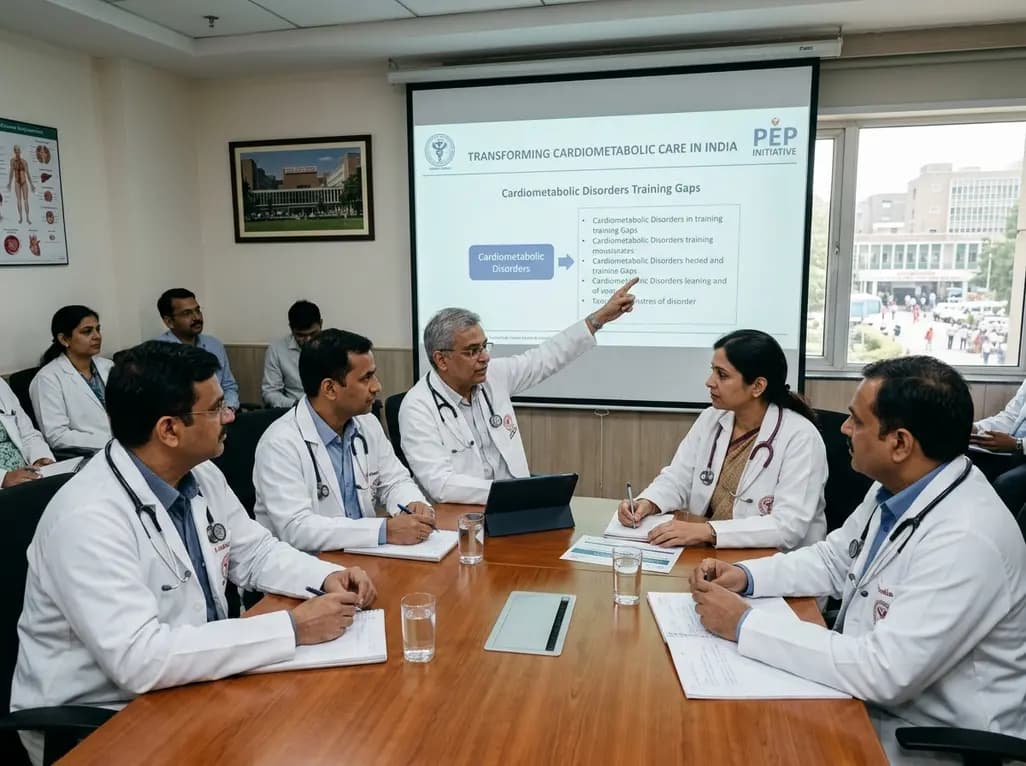
The All India Institute of Medical Sciences has convened national health experts, policymakers, and state nodal officers to transform medical training for cardiometabolic disorders. This collaborative effort under the PEP initiative addresses training gaps to elevate chronic disease care across Indian healthcare.
Today

A recent qualitative study examines how college students seek digital sexual health information under persistent uncertainty. Discover the concept of functional trust, the clinical hazards of search abandonment, and evidence-based approaches clinicians can adopt to guide youth toward verified reproductive healthcare.
Today
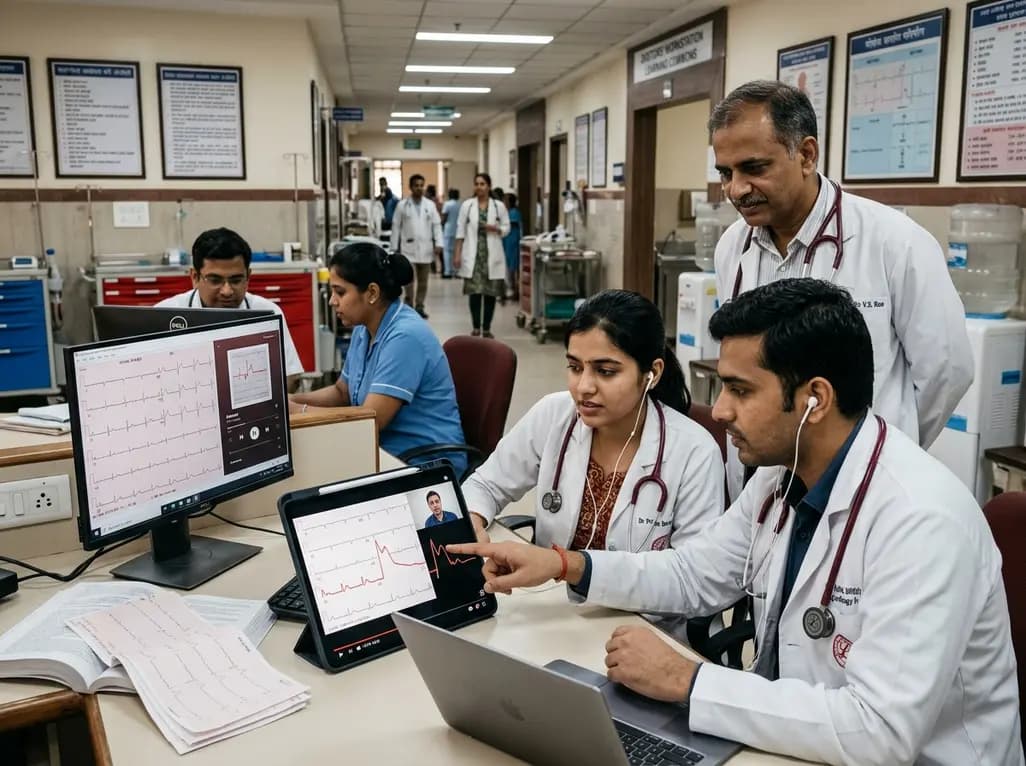
A randomized controlled trial demonstrates that curated FOAMed videos and podcasts produce superior gains in high-risk ECG interpretation and acute coronary syndrome clinical decision-making compared with print-based materials among interprofessional emergency care teams.
Today

A study reveals that Ginsenoside Rg3 attenuates osteoarthritis progression by modulating the Nrf2-mediated autophagy pathway, reducing chondrocyte apoptosis, and curbing extracellular matrix degradation, offering promising chondroprotective potential.
Today
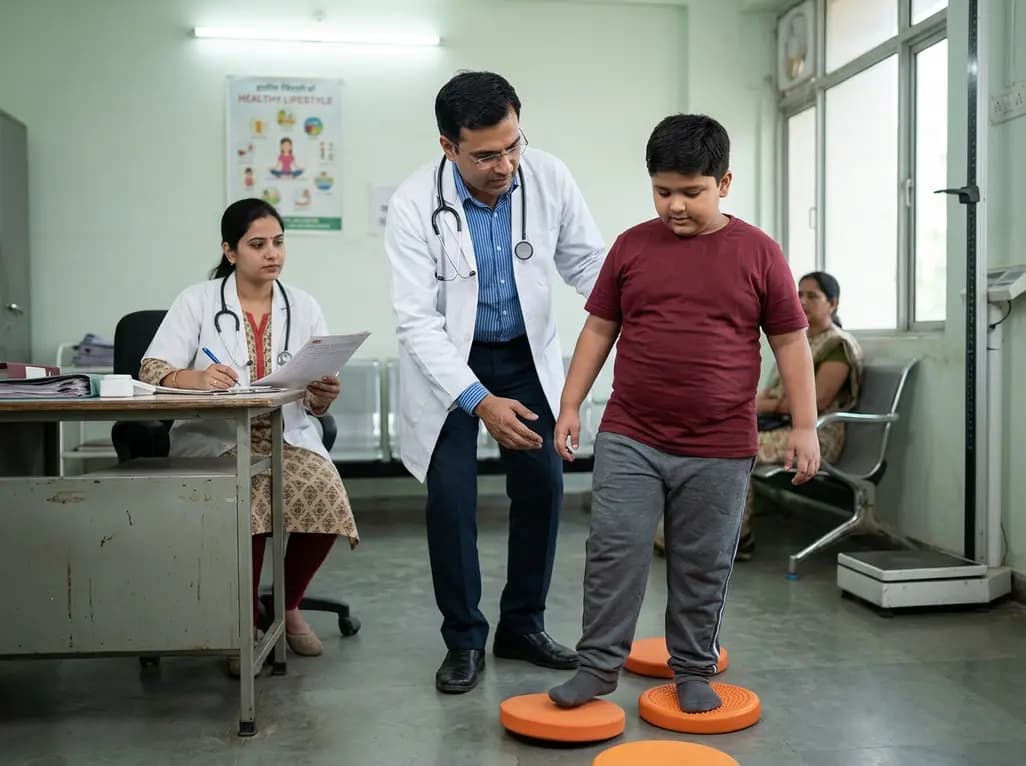
A cross-sectional study demonstrates that lower pediatric motor competence strongly correlates with adverse metabolic syndrome markers, including central adiposity, elevated triglycerides, and low HDL cholesterol, emphasizing early neuromuscular interventions in youth with overweight and obesity.
Today
