.webp&w=384&q=75)

Loading, please wait...
Loading, please wait...
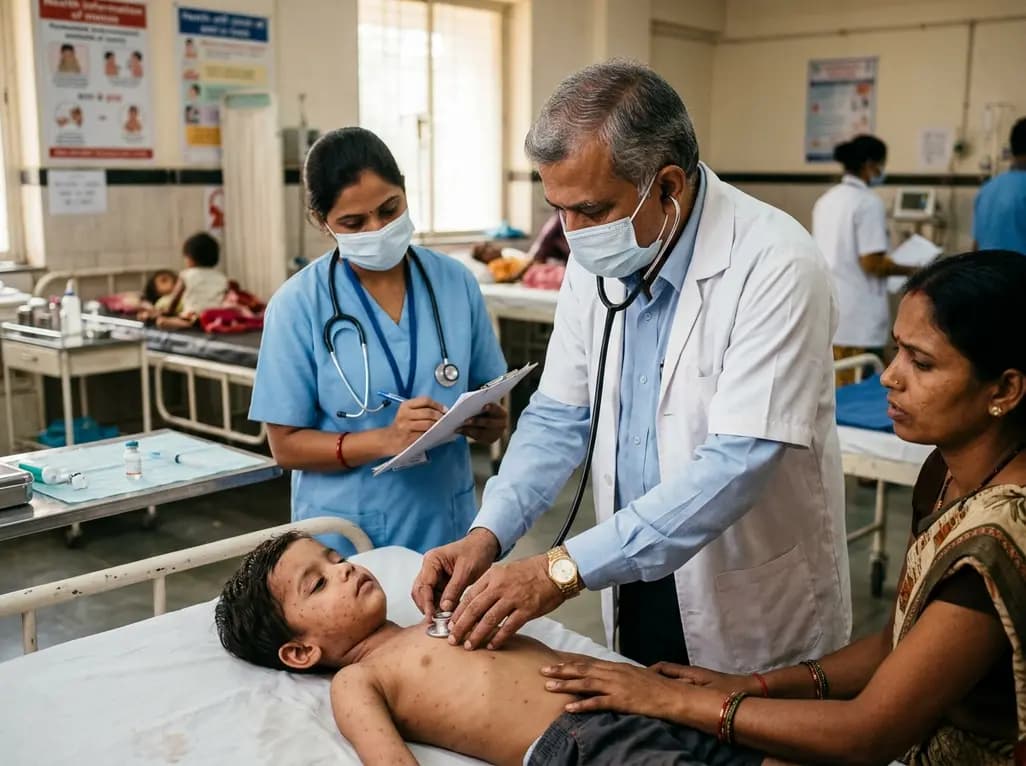
The recent confirmation of fatal measles cases in unvaccinated individuals marks a troubling milestone in public health. Communities across multiple regions are currently witnessing a sharp measles outbreak resurgence driven by falling childhood vaccination rates. Because the measles virus is extraordinarily contagious, minor coverage gaps quickly erode population-level defense mechanisms. Consequently, healthcare providers in outpatient and hospital settings must maintain a high index of suspicion for acute febrile rash illnesses. Early identification prevents catastrophic secondary exposures in waiting rooms and community environments. Furthermore, medical professionals play an indispensable role in communicating the safety and proven efficacy of the measles, mumps, and rubella vaccine. Therefore, clinicians must re-examine the biological features of this pathogen, its transmission dynamics, and optimal preventive protocols. Addressing vaccine hesitancy with empathetic, evidence-based dialogue remains a cornerstone of pediatric and family medicine practice today. By taking proactive clinical measures, physicians can curb preventable hospitalizations and protect immunocompromised individuals who cannot receive live vaccines.
The measles virus spreads predominantly through respiratory aerosols generated during coughing, sneezing, or breathing. In fact, viral particles can remain infectious suspended in ambient air for up to two hours after an infected person leaves an enclosed space. Because the basic reproduction number for measles ranges between 12 and 18, an infected individual will infect nearly nine out of ten susceptible close contacts. Consequently, a measles outbreak resurgence occurs rapidly once localized pockets of unvaccinated individuals expand. Historically, many countries achieved elimination through sustained high coverage with the combination MMR vaccine. However, recent increases in non-medical exemptions and vaccine skepticism have compromised this success. In several jurisdictions, kindergarten MMR immunization coverage has dipped well below the safety benchmark. Moreover, international travel frequently introduces the pathogen into domestic settings with low baseline immunity. When clinicians encounter clusters of unexplained febrile rash illnesses, they must promptly assess epidemiological links to known hotspots or travel history. Recognizing transmission dynamics allows teams to implement immediate airborne precautions, thereby halting transmission chains before widespread community dissemination occurs.
Sustaining high population immunity is essential because measles virus transmission requires an exceptionally high barrier to prevent sustained chains of infection. Epidemiologists emphasize that communities must maintain at least 95% two-dose MMR vaccine coverage to sustain effective herd immunity. When immunization coverage falls below this critical 95% threshold, herd immunity collapses, leaving vulnerable individuals exposed. Specifically, infants under 12 months of age, pregnant women, and severely immunocompromised individuals face significant risks of severe disease because they cannot safely receive live attenuated vaccines. Furthermore, research demonstrates that wild-type measles infection causes significant immunological amnesia. The virus infects memory lymphocytes, which temporarily erases preexisting immune protection against various other common bacterial and viral pathogens. Consequently, children recovering from acute measles remain vulnerable to secondary opportunistic infections for months or even years. In contrast, the two-dose MMR immunization schedule provides approximately 97% lifelong protection without inducing immunosuppression. Therefore, maintaining universal coverage protects not only the vaccinated individual but also shields high-risk patients across the broader community.
Clinicians must accurately identify the classic phases of measles to ensure prompt triage and supportive management. The illness begins with a prodromal phase lasting two to four days, characterized by high fever, cough, coryza, and conjunctivitis. Additionally, pathognomonic Koplik spots—small, bluish-white lesions on an erythematous base—often emerge on the buccal mucosa shortly before the rash appears. Subsequently, an erythematous maculopapular rash begins at the hairline and spreads cephalocaudally over several days. While many patients experience an uncomplicated course, measles frequently causes debilitating and potentially life-threatening complications. In fact, common acute complications include severe diarrhea, dehydration, and acute otitis media. More critically, measles-induced giant cell pneumonia represents the leading cause of measles-related mortality in young children. Neurological complications also present severe hazards, including acute post-infectious encephalitis and subacute sclerosing panencephalitis, a fatal degenerative central nervous system disease emerging years later. As a result, physicians must closely monitor high-risk patients, hospitalizing individuals who exhibit signs of respiratory distress, severe dehydration, or altered mental status.
When healthcare facilities suspect measles, they must execute rigorous infection prevention protocols immediately upon patient arrival. Suspected patients should wear a surgical mask and move directly into an airborne infection isolation room with negative pressure. If a negative pressure room is unavailable, clinicians must isolate the patient in a private examination room with the door closed. Furthermore, healthcare personnel entering the room must wear fit-tested N95 respirators regardless of their personal vaccination history. For laboratory confirmation, clinicians should collect both a nasopharyngeal swab for reverse transcription-polymerase chain reaction testing and serum for measles-specific IgM antibodies. Viral culture and molecular genotyping also assist public health agencies in tracing transmission pathways and identifying importations. Concurrently, medical staff must notify local public health authorities immediately, without waiting for confirmatory laboratory results. Prompt reporting enables contact tracing and post-exposure prophylaxis for susceptible individuals. Administering the MMR vaccine within 72 hours or human immunoglobulin within six days of exposure can significantly reduce disease severity in exposed contacts.
Vaccination remains the most powerful and cost-effective clinical intervention against measles transmission. Standard pediatric guidelines recommend administering the first MMR dose at 12 to 15 months of age, followed by a second dose at four to six years. Extensive scientific literature involving millions of children over multiple decades confirms that the MMR vaccine is exceptionally safe and does not cause autism. Furthermore, splitting the combination MMR vaccine into separate monovalent components offers no clinical advantage and unnecessarily increases the risk of delayed immunization. When addressing vaccine-hesitant caregivers, clinicians should use open-ended inquiries, acknowledge parental concerns respectfully, and provide clear, evidence-based recommendations. Emphasizing the severe morbidity of wild measles infection versus the proven safety profile of immunization helps reassure hesitant parents. Additionally, clinicians should administer high-dose oral vitamin A for two consecutive days in all confirmed pediatric cases, as recommended by international guidelines, to reduce ocular complications and overall mortality. Through consistent clinical advocacy, healthcare professionals can restore protective community immunization levels.
Q1: Why is the MMR vaccine given as a combined formulation rather than separate shots?
The combination MMR vaccine provides comprehensive protection against measles, mumps, and rubella simultaneously with fewer clinical visits and injections. Scientific trials demonstrate that the combined vaccine is safe, highly effective, and immunologically robust. Splitting the vaccine into separate components delays complete immunization, increases administrative complexity, and leaves children susceptible to preventable infections for longer periods without providing any clinical safety benefit.
Q2: What should a clinician do immediately upon suspecting a measles case in an outpatient clinic?
The clinician must immediately place a mask on the patient and escort them to a negative pressure room or closed private room. Healthcare staff must wear N95 respirators when evaluating the patient. Clinicians should collect nasopharyngeal swabs for PCR testing and blood for IgM serology, while immediately reporting the suspected case to public health authorities to initiate contact tracing.
Q3: Why is a 95% vaccination coverage rate necessary to prevent measles outbreaks?
Measles is an airborne viral pathogen with an exceptionally high basic reproduction number of 12 to 18. Because one infected individual can transmit the virus to up to eighteen susceptible people, a population requires at least 95% two-dose vaccination coverage to maintain herd immunity. Dropping below this threshold allows the virus to circulate freely among unprotected individuals.
Disclaimer: This content is for informational and educational purposes only. It does not constitute medical advice or replace professional judgment. Refer to the latest local and national guidelines for clinical practice.
References

Read summarized clinical updates, watch expert medical content, and earn CME certifications right from your smartphone.
Open your smartphone camera to scan and install.





Recent measles fatalities and rising cases underscore the danger of declining MMR immunization coverage. This review examines measles transmission dynamics, critical herd immunity thresholds, acute and long-term clinical complications, and actionable strategies for primary care clinicians.
last month

Small interfering RNA (siRNA) therapeutics harness RNA interference to degrade disease-causing messenger RNA. By delivering hepatocyte-targeted, durable gene silencing, agents targeting PCSK9, LPA, and angiotensinogen offer potent cardiovascular risk reduction with infrequent, biannual dosing schedules.
Today
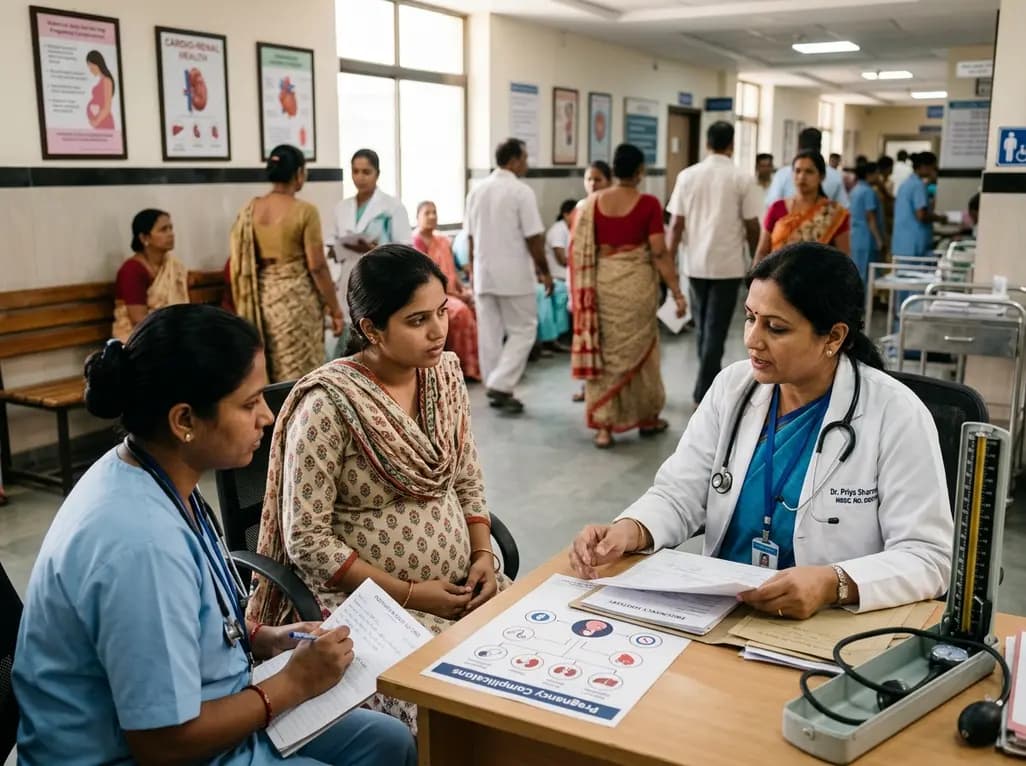
A large UK cohort study of 1.4 million women shows that pregnancy complications, including gestational diabetes, hypertension, and preterm birth, substantially raise long-term risks for hypertension, chronic kidney disease, type 2 diabetes, and cardiovascular events, highlighting early postpartum intervention needs.
Today
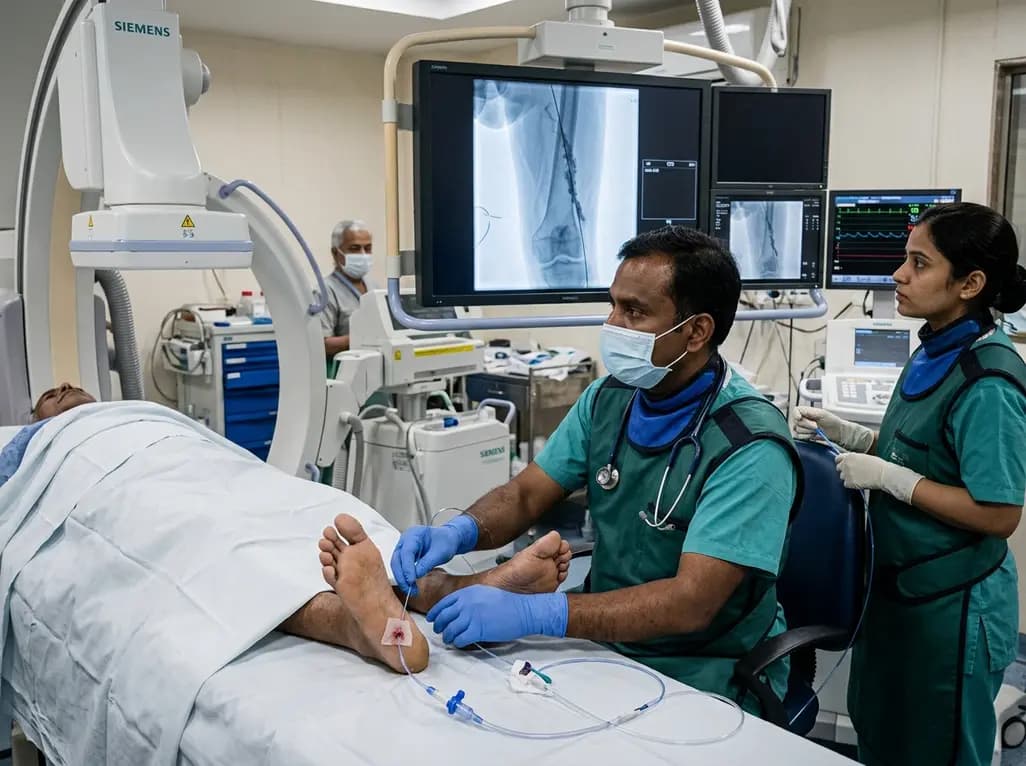
A clinical study demonstrates that retrograde pedal access achieves a 90.9% technical success rate for intraluminal crossing in complex infrainguinal chronic total occlusions, securing outstanding limb salvage, complete wound healing, and durable patency in patients with chronic limb-threatening ischemia.
Today
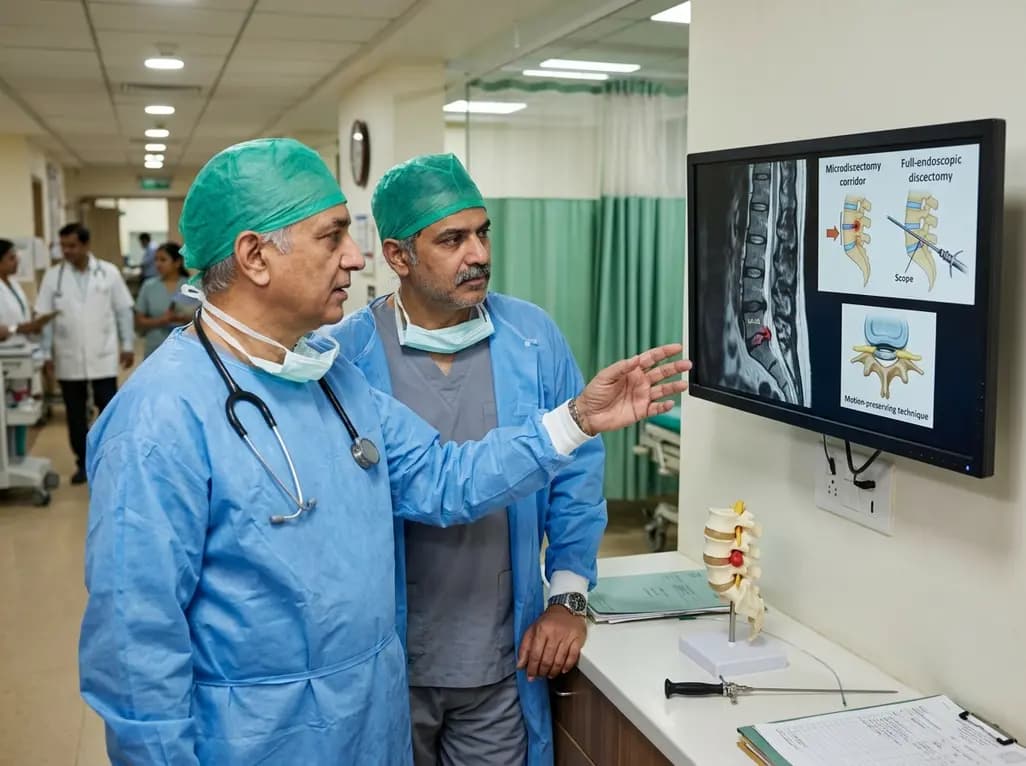
This clinical overview examines recent advancements in lumbar disc herniation surgery, comparing microscopic and full-endoscopic discectomy while highlighting biportal techniques and emerging motion-preserving innovations for spine specialists.
Today
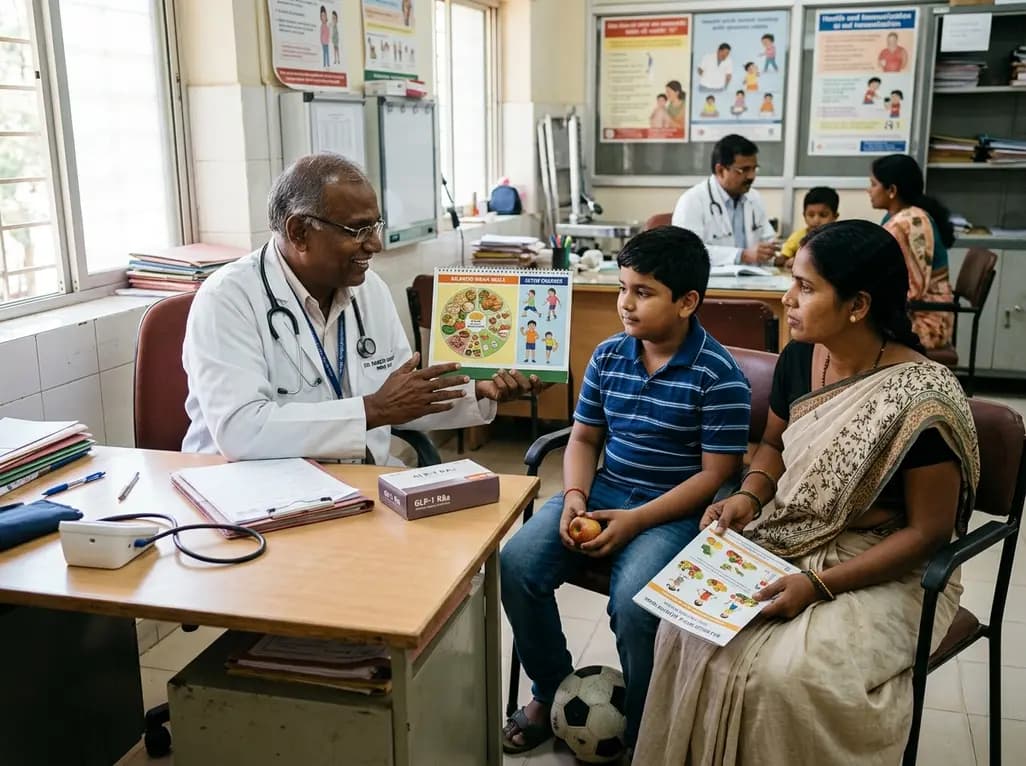
The World Health Organization has issued its first global guidelines for managing child and adolescent obesity. The recommendations strongly endorse family-based dietary interventions, regular physical activity, and behavioral support as frontline therapy, reserving GLP-1 therapies and surgery for select cases.
Today
