

Loading, please wait...
Loading, please wait...

Measles outbreak management has become a critical focus for healthcare providers in Jharkhand following recent reports from Palamu district. Officials recently identified several suspected cases in Baida and Bhandar villages. Specifically, one case in Baida has already returned a positive laboratory result.
Clinicians must maintain a high index of suspicion when evaluating pediatric patients with febrile rash illnesses. Because the district reported more than five cases in a single area, the health department officially declared an outbreak. Consequently, health workers at Ayushman Arogya Mandirs and community health centers are now monitoring all individuals with symptoms. Healthcare facilities should prioritize early isolation to limit the spread of this highly contagious virus. Moreover, providers must deliver elementary care without delay to prevent severe complications.
Effective control requires rapid diagnostic confirmation through established laboratory networks. Officials send blood samples to RIMS in Ranchi for initial testing. Furthermore, specialized labs like AIIMS Patna and the National Institute of Virology analyze virus strains. Routine immunization remains the most effective tool for prevention. Additionally, infants receive their first measles vaccine dose at nine months of age. Fortunately, the district reports no shortage of vaccine supplies at this time.
Q1: How is a measles outbreak officially defined in this context?
An outbreak is declared when a specific location reports more than five suspected or confirmed cases of measles.
Q2: What is the recommended vaccination schedule for measles in India?
Under the national routine immunization program, health workers administer the first dose of the measles-rubella (MR) vaccine to infants at nine months of age.
Q3: Which laboratories handle the analysis of measles virus strains?
For detailed virus strain analysis, samples are first sent to AIIMS Patna and then to the National Institute of Virology (NIV) in Pune.
Disclaimer: This content is for informational and educational purposes only. It does not constitute medical advice or replace professional judgment. Refer to the latest local and national guidelines for clinical practice.
References

Read summarized clinical updates, watch expert medical content, and earn CME certifications right from your smartphone.
Open your smartphone camera to scan and install.





Measles cases in Palamu trigger health alerts. This guide covers outbreak management, symptoms, and routine immunization protocols for Indian clinicians....
6 months ago

Explore vital recurrent stroke predictors in lacunar stroke patients managed with intensive blood pressure lowering. This analysis examines trial findings from SPS3 to uncover residual vascular risks, metabolic factors, and targeted secondary prevention strategies for high-risk neurological patients.
Today
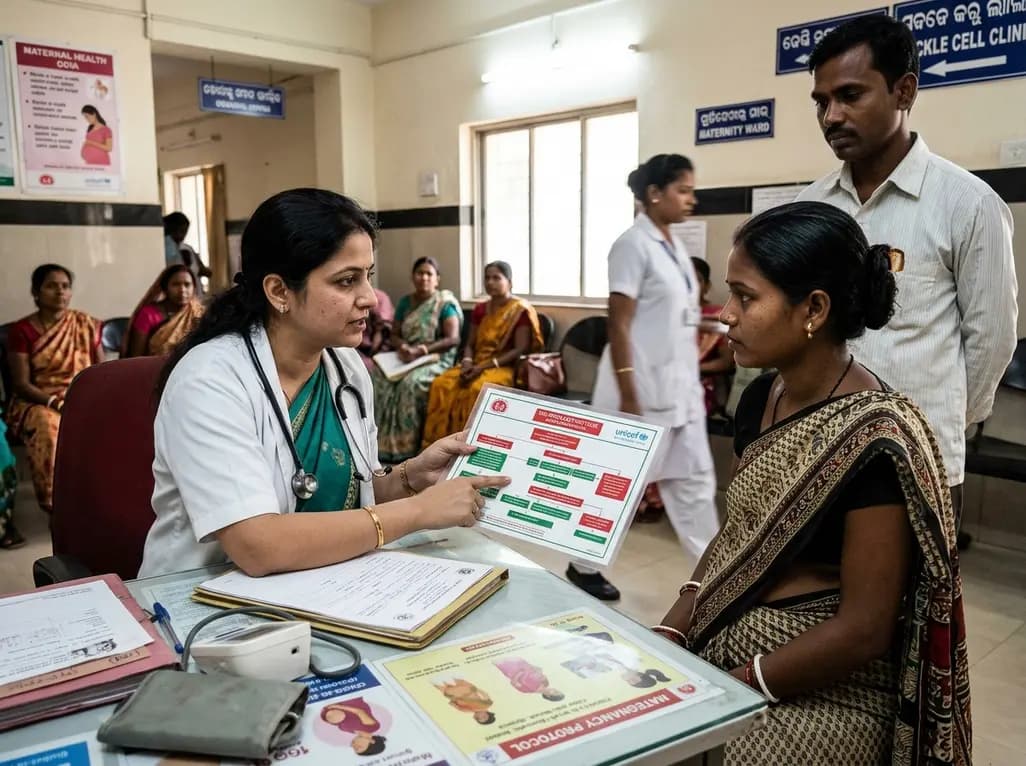
Odisha has established India's first state-level clinical protocol specifically tailored for pregnant women with sickle cell disease. Developed with NHM and UNICEF, the framework provides structured antenatal screening, crisis mitigation, standardized referral pathways, and specialized interdisciplinary care.
Today
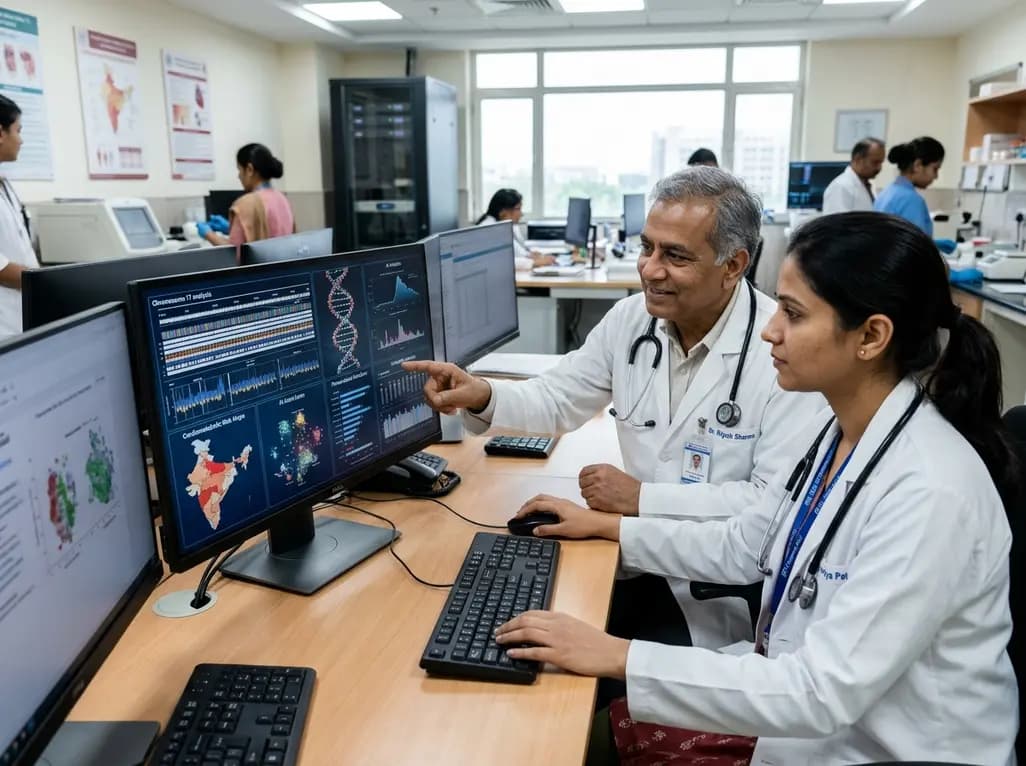
India is advancing preventive healthcare by integrating genomics, artificial intelligence, and quantum technologies. With the SANGAM programme sequencing one million Indian genomes, clinicians can unlock personalized therapies, detect cardiometabolic risks early, and curb the burden of diabetes and heart disease.
Today
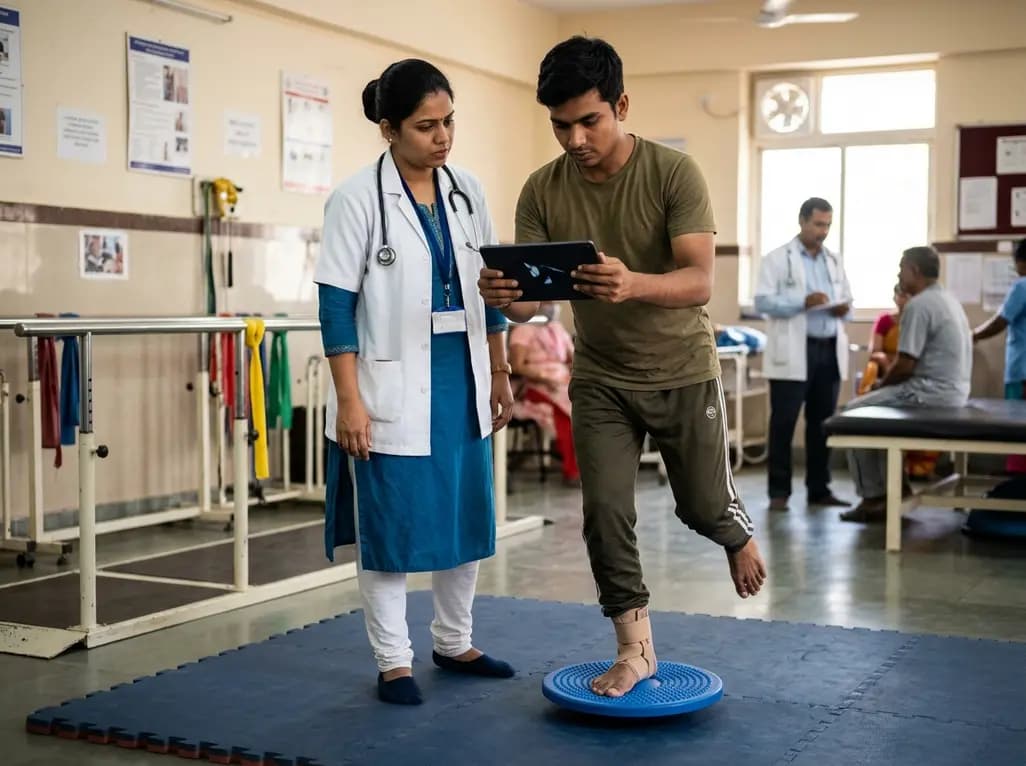
A randomized controlled trial demonstrates that an eight-week dual-task training intervention significantly improves static and dynamic postural control over standard balance exercises in individuals with chronic ankle instability, addressing critical neurocognitive deficits during athletic and daily activities.
Today
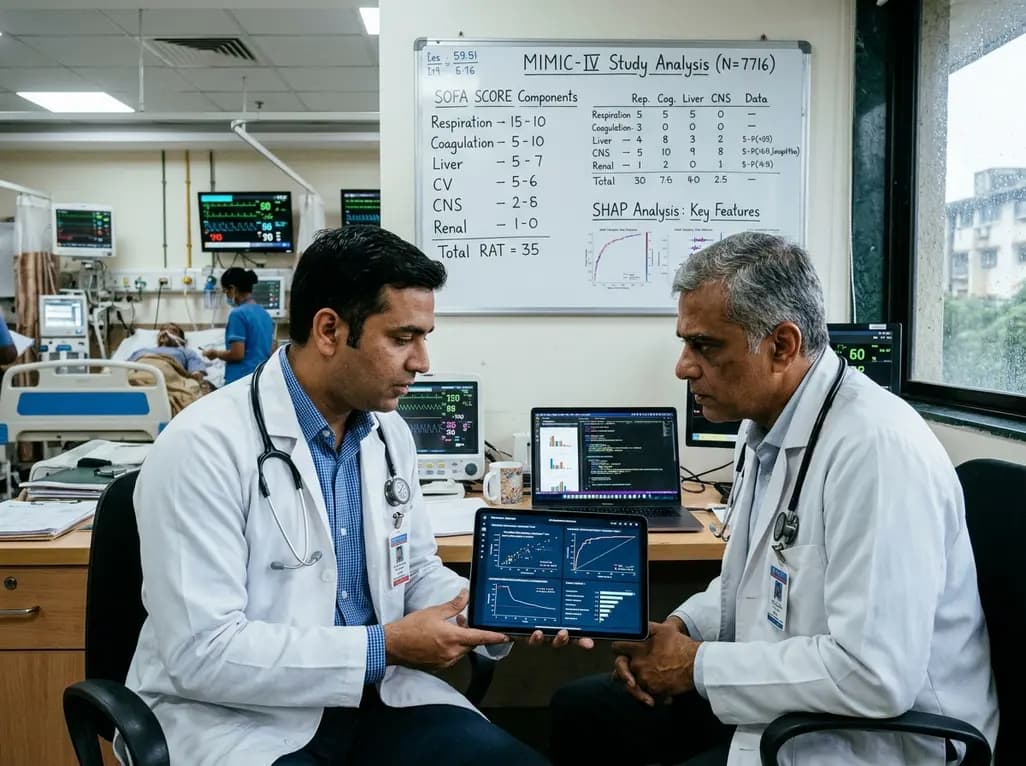
A retrospective cohort study of 7,716 ICU patients from the MIMIC-IV database demonstrates that Gradient Boosting Decision Trees significantly outperform traditional SOFA scores in predicting in-hospital mortality among patients with sepsis and diabetes, with SHAP analysis providing clinical interpretability.
Today
