

Loading, please wait...
Loading, please wait...
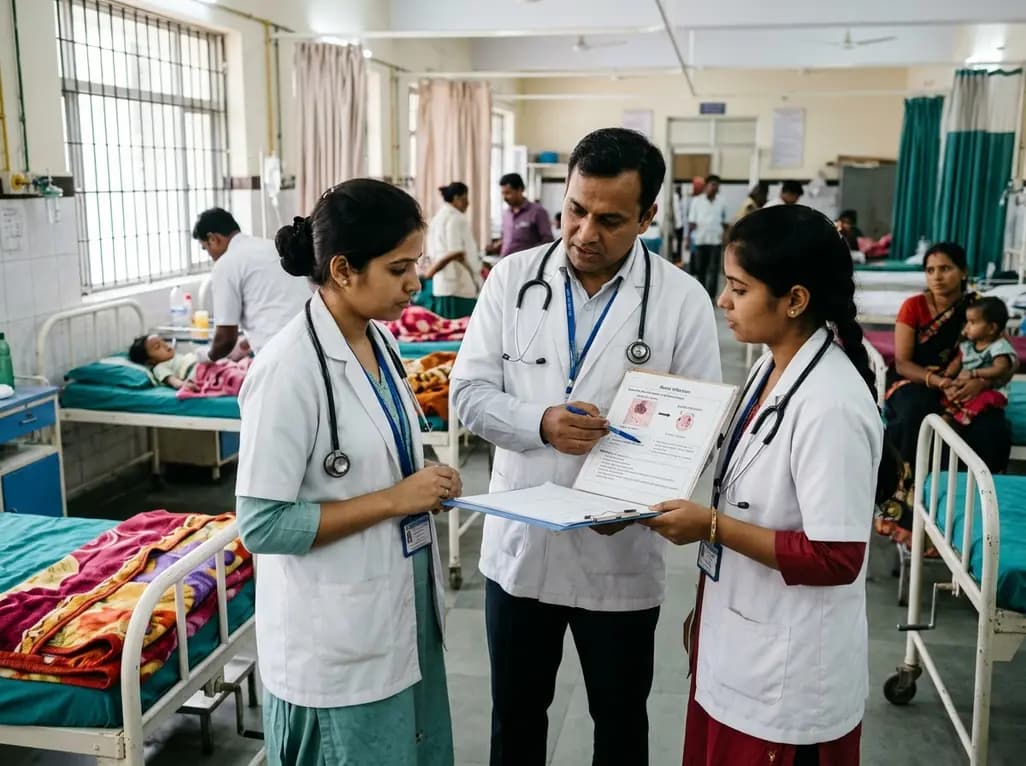
Recent epidemiological surveillance reveals a concerning resurgence of measles across several regions worldwide. In Pennsylvania, health authorities documented over 1,560 infections, prompting international agencies to reassess regional elimination milestones. Because this paramyxovirus spreads through airborne aerosols with extreme efficiency, clinicians must master rigorous measles outbreak management protocols. Healthcare providers in India face parallel risks due to clustered immunization gaps and frequent population mobility. Therefore, medical teams must maintain heightened vigilance to detect early prodromal features and initiate prompt isolation. Furthermore, understanding appropriate triage, timely supportive interventions, and community containment strategies safeguards vulnerable pediatric populations.
The resurgence of measles in industrialized nations serves as a critical warning for public health systems worldwide. Recent data from Pennsylvania reveal 1,561 cumulative cases across forty-six counties, alongside 310 hospitalizations and seven confirmed fatalities. Significantly, people under eighteen accounted for nearly one-third of these infections. Furthermore, less than one percent of infected individuals had received complete vaccination regimens. This alarming surge reflects a wider national pattern where United States cases exceeded 5,000 in a single calendar year. Consequently, the Pan American Health Organization concluded that sustained endemic transmission returned, ending twenty-six years of measles elimination status. Discrepancies between federal and state mortality statistics highlight the ongoing surveillance complexities during rapid community surges. For healthcare practitioners in India, these international trends provide vital lessons in epidemiology and population vulnerability. Measles remains an airborne pathogen with an extraordinary basic reproduction number between twelve and eighteen. Therefore, whenever community vaccination coverage drops below the mandatory ninety-five percent threshold, explosive local outbreaks inevitably occur. Suboptimal pediatric uptake creates clustered susceptibility pockets across urban centers and rural districts alike. Clinicians must recognize that declining global coverage heightens importation risks, demanding relentless surveillance across all outpatient departments.
Recognizing the hallmark stages of measles infection allows doctors to initiate timely supportive care and containment. The illness begins with an incubation interval lasting ten to fourteen days after initial viral exposure. Subsequently, patients develop a prominent prodromal phase characterized by high spiking fevers. During this prodrome, clinicians typically identify the classic triad of cough, coryza, and conjunctivitis. In addition, patients frequently display photophobia, periorbital edema, and intense malaise. Around day two or three of fever, pathognomonic Koplik spots appear on the buccal mucosa. These lesions resemble tiny grains of white sand surrounded by erythematous halos opposite the lower molars. Consequently, searching for Koplik spots provides immediate diagnostic confirmation before cutaneous eruptions appear. The erythematous maculopapular rash emerges three to five days after symptom onset. It starts characteristically at the hairline behind the ears and spreads downward toward the trunk and extremities. Patients remain contagious from four days before the rash appears until four days after its eruption. In malnourished children, measles often follows an aggressive clinical trajectory. Therefore, Indian doctors must distinguish early measles from other exanthematous febrile illnesses without delay.
Effective measles outbreak management requires rapid airborne isolation, aggressive supportive therapy, and systematic complication screening. Because the virus stays viable in aerosols for two hours, hospitals must place suspected patients into negative-pressure isolation rooms immediately. Healthcare personnel must wear fitted N95 respirators whenever entering these examination spaces. Furthermore, outpatient clinics must triage febrile rash presentations outside common waiting rooms to prevent nosocomial transmission chains. Clinical treatment remains predominantly supportive, focusing on oral hydration, antipyretics, and nutritional support. However, World Health Organization guidelines mandate high-dose vitamin A administration for all diagnosed pediatric cases. Clinicians should administer age-appropriate oral doses immediately upon diagnosis and repeat the exact dose the next day. Specifically, infants under six months receive 50,000 international units daily for two doses. Infants aged six to eleven months require 100,000 international units daily. Children aged twelve months or older require 200,000 international units daily. This simple therapeutic measure significantly reduces ocular damage, blindness, and measles-associated mortality rates. In addition, physicians must monitor patients closely for secondary bacterial infections. Bacterial pneumonia and acute otitis media represent frequent complications that require prompt empiric antibiotic therapy. Consequently, rigorous inpatient monitoring preserves clinical outcomes during acute community surges.
Accurate laboratory confirmation is vital because numerous infectious agents produce fevers accompanied by generalized exanthems. Clinicians must collect diagnostic specimens at the earliest encounter with a suspected patient. Serum measles-specific immunoglobulin M testing represents the standard serological diagnostic method. Notably, measles IgM antibodies become detectable within three days following rash onset and persist for four weeks. Clinicians should also obtain throat or nasopharyngeal swabs for reverse transcription polymerase chain reaction testing. Molecular testing provides definitive viral confirmation and identifies specific genomic lineages for surveillance purposes. In addition, collecting a sterile urine sample within seven days of rash appearance supports molecular detection. Differential diagnoses require careful consideration in Indian clinical settings. Physicians must distinguish measles from rubella, roseola infantum, parvovirus B19, enteroviral infections, and early dengue fever. Furthermore, non-infectious etiologies like scarlet fever, Kawasaki disease, and severe adverse drug eruptions demand systematic exclusion. Kawasaki disease often causes bilateral non-exudative conjunctivitis and polymorphous eruptions but lacks the typical cough and coryza of measles. In addition, mandatory public health notification remains legally required across all Indian districts. Early administrative reporting enables rapid field contact tracing, localized ring vaccination, and containment before secondary transmission clusters multiply.
Sustained immunization remains the only dependable bulwark against community-wide measles transmission. Because measles virus possesses high transmissibility, maintaining ninety-five percent population immunity with two vaccine doses is imperative. Under India's Universal Immunization Programme, children receive their first measles-rubella dose between nine and twelve months. Subsequently, children receive their second booster dose between sixteen and twenty-four months of age. Two complete doses confer approximately ninety-seven percent lifelong clinical protection against viral contraction. However, missed doses leave individuals vulnerable to severe infection throughout childhood and adult life. When unvaccinated susceptible individuals face documented viral exposure, clinicians must deploy rapid post-exposure prophylaxis. Administering the measles vaccine within seventy-two hours of exposure provides effective protection against clinical disease. For high-risk individuals where live vaccines are contraindicated, clinicians should administer intramuscular immunoglobulin within six days. Vulnerable populations include unvaccinated infants under twelve months, pregnant women lacking immunity, and severely immunocompromised patients. Furthermore, healthcare professionals must actively combat vaccine hesitancy through compassionate and evidence-based patient communication. Doctors should debunk misinformation regarding vaccine safety and emphasize the grave risks of wild viral disease. Ultimately, achieving high community coverage protects fragile infants who remain too young for routine immunization.
Q1: What are the primary diagnostic indicators of acute measles?
Clinicians identify acute measles through a characteristic prodromal phase comprising high fever and cough, coryza, and conjunctivitis. In addition, examining the oral mucosa reveals pathognomonic Koplik spots before cutaneous eruptions appear. The erythematous maculopapular rash subsequently erupts along the hairline and spreads downward. Therefore, doctors confirm suspected diagnoses by obtaining serum measles-specific IgM antibodies or performing nasopharyngeal polymerase chain reaction assays.
Q2: What is the recommended vitamin A protocol for measles?
The World Health Organization mandates immediate oral vitamin A therapy for all diagnosed pediatric measles cases. Clinicians administer age-adjusted dosing upon presentation and repeat the dose the following day. Specifically, infants under six months receive 50,000 international units daily. Infants aged six to eleven months require 100,000 international units daily, whereas children twelve months or older receive 200,000 international units. Consequently, this intervention reduces measles-related mortality.
Q3: How should clinicians manage post-exposure prophylaxis for measles?
Clinicians manage non-immune contacts based on exposure timing and clinical vulnerability. Susceptible individuals aged six months or older should receive the live measles-rubella vaccine within seventy-two hours of exposure. Furthermore, susceptible patients at high risk for complications require intramuscular immunoglobulin within six days of contact. These groups include young infants, unimmunized pregnant women, and severely immunocompromised patients. Accordingly, timely prophylactic administration prevents infection or substantially attenuates disease severity.
Disclaimer: This content is for informational and educational purposes only. It does not constitute medical advice or replace professional judgment. Refer to the latest local and national guidelines for clinical practice.
References

Read summarized clinical updates, watch expert medical content, and earn CME certifications right from your smartphone.
Open your smartphone camera to scan and install.





With widespread measles resurgences compromising elimination targets globally, clinicians must reinforce rapid diagnostic recognition, supportive therapies, and stringent airborne infection control. This guide outlines acute clinical management, triage steps, and proactive vaccination strategies for healthcare providers.
Today
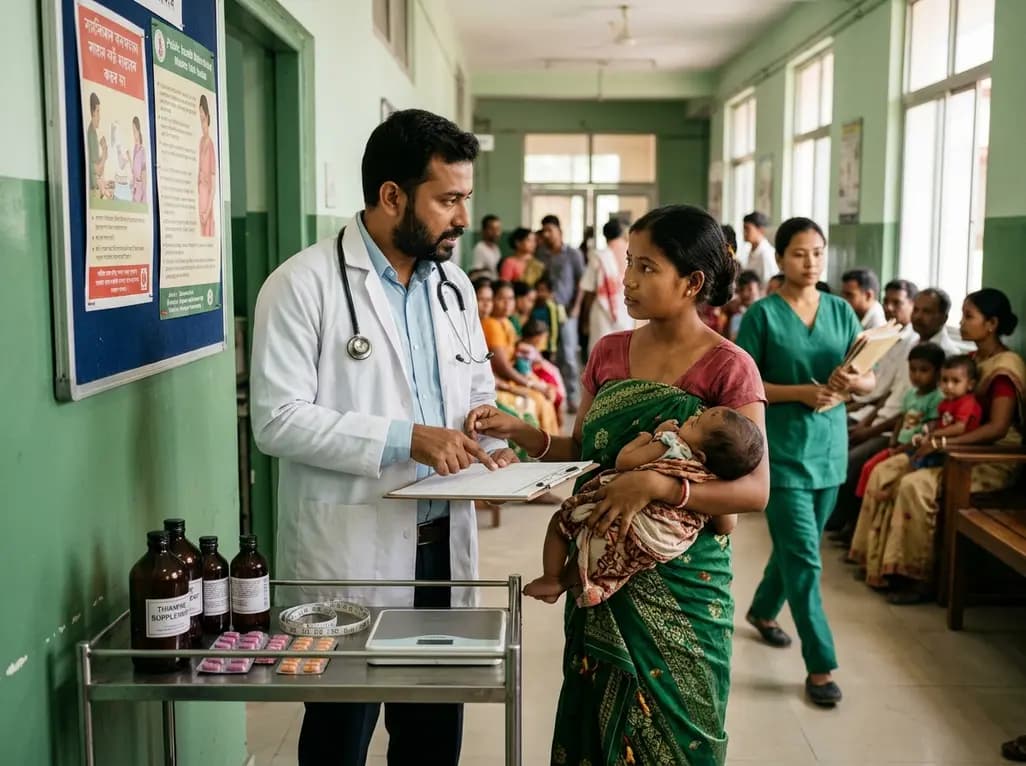
A recent investigation by the ICMR-National Institute of Nutrition highlights widespread vitamin B1 insufficiency across vulnerable maternal populations. Unbalanced rice-heavy diets and specific culinary habits drive this hidden deficiency, demanding targeted screening and renewed micronutrient supplementation.
Today
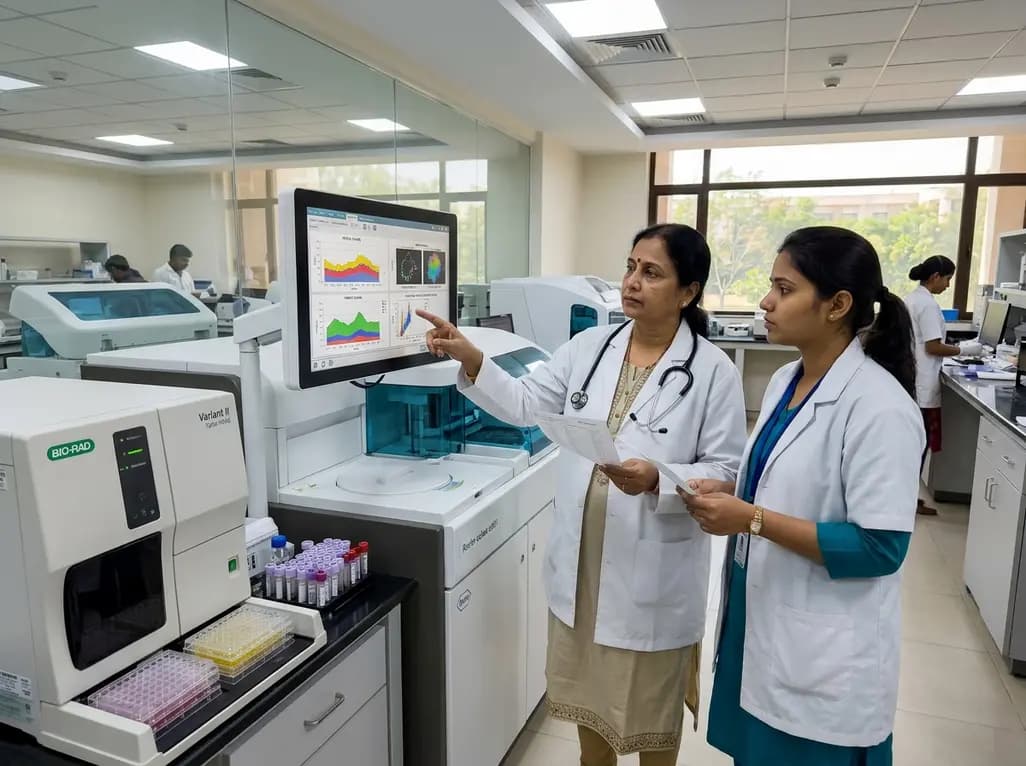
AIIMS Bhubaneswar has established three upgraded laboratories under its biochemistry department. These facilities introduce specialized antenatal panels, newborn screening for rare metabolic disorders, automated immunology platforms, and high-throughput HPLC HbA1c testing to enhance healthcare delivery across Odisha.
Today
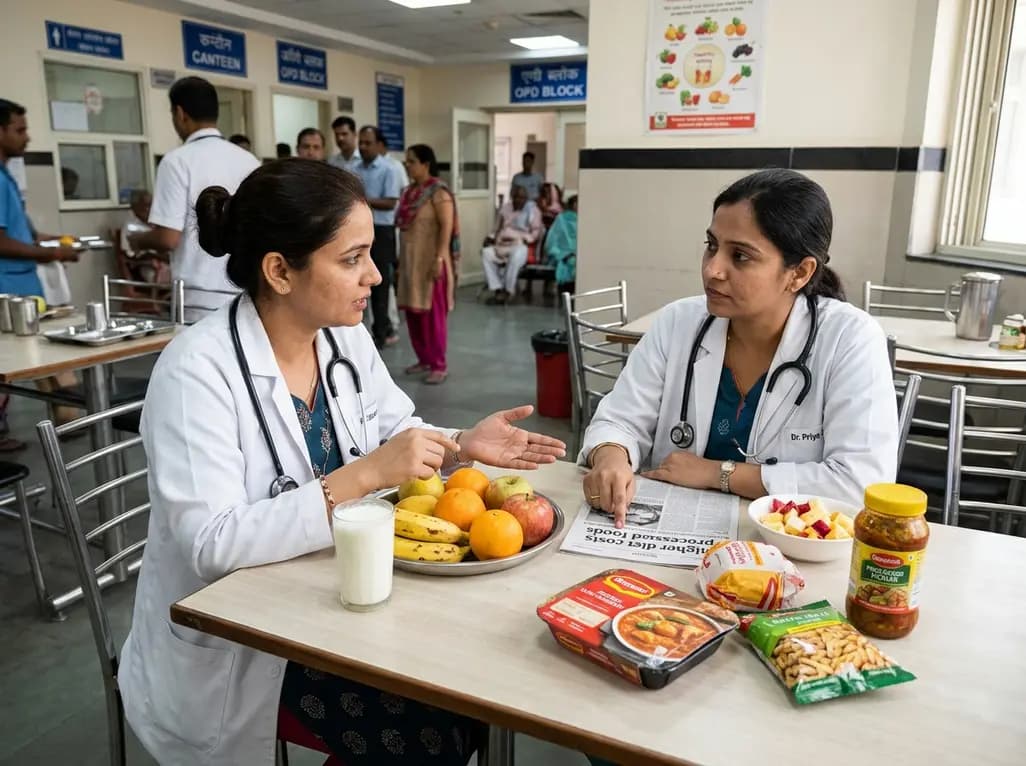
A Canadian nutrition study reveals that higher diet costs predict lower dietary energy density and higher fruit intake, but also increase sodium and processed meat consumption.
Today
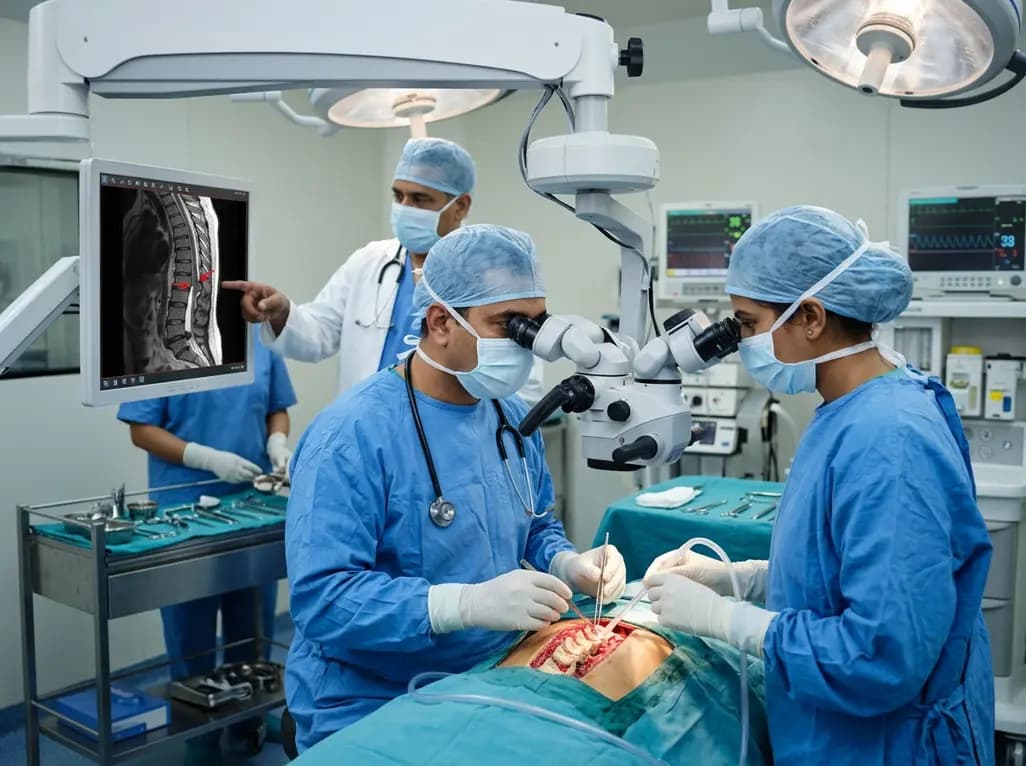
Idiopathic spinal cord herniation is a rare pathology presenting with progressive thoracic myelopathy. Early MRI identification and meticulous microsurgical reduction with dual bolstered dural defect repair prevent irreversible neurological deterioration.
Today

A novel smartphone-assisted biosensor utilizing molecularly imprinted polymers and catalytic nanozymes offers antibody-free, enzyme-free urinary microalbumin testing, enabling rapid, low-cost point-of-care screening for early chronic kidney disease.
Today
