

Loading, please wait...
Loading, please wait...
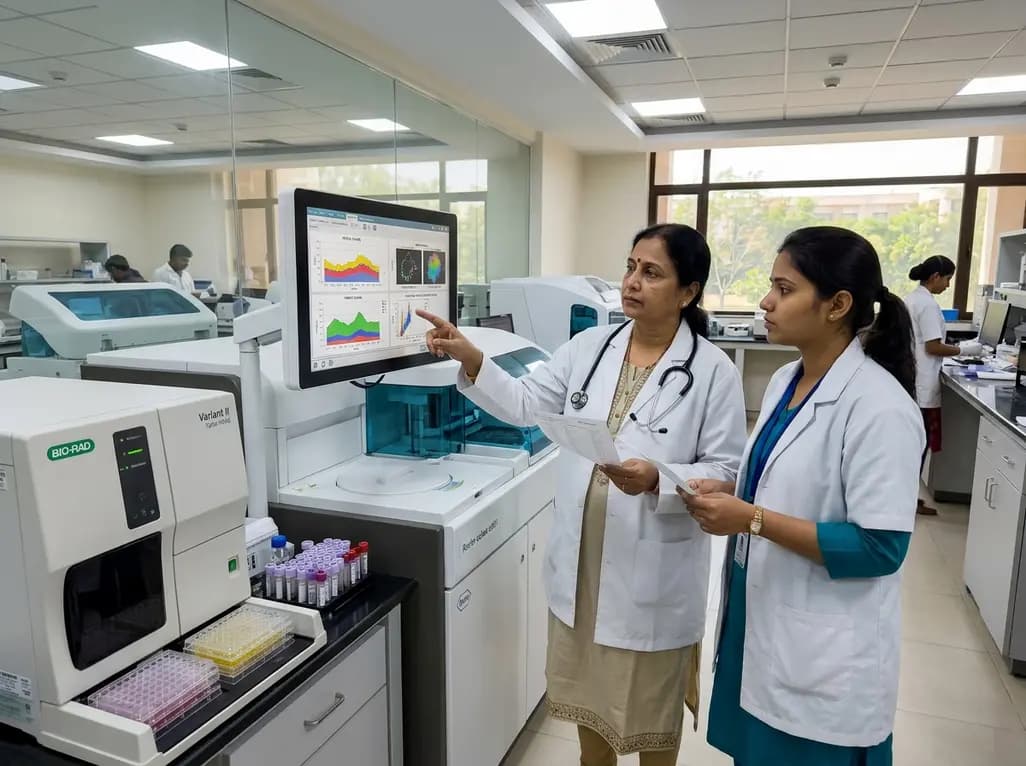
Modern clinical medicine relies heavily on rapid and precise biochemical assessments to guide therapeutic decisions. Recently, AIIMS Bhubaneswar inaugurated three specialized testing facilities under its biochemistry department to elevate tertiary healthcare services. The launch of these advanced diagnostic labs marks a pivotal step forward for public sector medicine in Odisha. Previously, clinicians and families frequently sent complex samples to remote private centers or other states. Consequently, patients experienced considerable diagnostic delays and heavy out-of-pocket expenses. This landmark infrastructure upgrade resolves these logistical hurdles effectively. Clinicians can now detect minute analyte concentrations in diverse biological specimens, including cerebrospinal fluid and urine. Therefore, healthcare providers can initiate targeted therapeutic protocols without unnecessary waiting periods.
Public healthcare institutions must continually modernize their technical platforms to handle complex patient cohorts. The department of biochemistry at AIIMS Bhubaneswar achieved this goal by commissioning three distinct diagnostic wings. Specifically, the institute modernized its facilities for antenatal assessment, newborn screening, clinical immunology, and high-performance liquid chromatography. Executive leaders emphasized that these additions will radically lower regional reliance on commercial diagnostic centers. Furthermore, the upgraded analytical systems interface directly with the centralized Hospital Management Information System. Because the platform automates data transfers, treating physicians receive digital results almost instantaneously. As a result, ward teams can expedite emergency evaluations and reduce hospital stays. Moreover, institutional automation curtails transcriptional human errors and maintains uncompromising quality control standards. In addition, the platforms offer unprecedented analytical sensitivity. They reliably quantify trace biomolecules even in challenging matrices such as peritoneal washings and cerebrospinal fluid. Hence, medical practitioners gain deep biochemical insights that were once inaccessible in state-run centers. Furthermore, standardized protocols facilitate collaborative epidemiological tracking and clinical trial evaluation across regional institutes. Ultimately, this integration elevates regional clinical research while delivering affordable, high-tier diagnostics directly to underserved populations.
Maternal-fetal medicine requires precise biochemical screening to identify genetic anomalies and gestational complications early. To meet this clinical imperative, the biochemistry team deployed a sophisticated fluorometer within the antenatal testing laboratory. Obstetricians can now order comprehensive multi-marker screening panels right within the hospital. First, the laboratory provides routine first-trimester dual-marker screens utilizing free beta-human chorionic gonadotropin and pregnancy-associated plasma protein A. Additionally, second-trimester assessments incorporate triple-marker tests that evaluate maternal serum alpha-fetoprotein, total gonadotropin, and unconjugated estriol. Furthermore, the laboratory has instituted advanced penta-marker panels by adding placental growth factor into the analytical calculation. Consequently, obstetricians can identify pregnancies carrying high risks for fetal aneuploidies, open neural tube defects, and severe early-onset preeclampsia. Dedicated clinical risk-calculation software supports each test panel to generate individualized probability scores. Therefore, clinicians can schedule timely confirmatory diagnostic procedures, such as amniocentesis, without costly delays. Similarly, high-risk mothers receive proactive pharmacotherapy, including early aspirin prophylaxis for preeclampsia prevention. Moreover, timely fetal surveillance minimizes unforeseen obstetric crises during delivery. Thus, accessible prenatal biochemical profiling directly reduces maternal morbidity and protects infant health across the state.
Undetected inborn errors of metabolism often cause irreversible neurological damage or sudden infant death. Fortunately, systematic newborn screening identifies these metabolic anomalies before irreversible clinical manifestations occur. AIIMS Bhubaneswar has standardized seven primary neonatal parameters using high-throughput fluorometric technology. The laboratory will soon initiate comprehensive testing for phenylketonuria, a disorder causing severe cognitive impairment when left untreated. By detecting elevated blood phenylalanine concentrations early, pediatricians can institute a phenylalanine-restricted diet immediately. In addition, the facility performs immunoreactive trypsinogen assays to detect cystic fibrosis in early infancy. Consequently, pulmonologists and pediatric gastroenterologists can prescribe early nutritional support, pancreatic enzyme replacement, and respiratory therapies. Moreover, automated laboratory integration ensures that pediatric wards receive screening notifications within critical turnaround windows. Because timely dietary and medical interventions rescue cognitive potential, this screening program saves vulnerable newborns from permanent disability. Furthermore, early biochemical confirmation reassures anxious families through structured counseling and reproductive guidance. Pediatricians across Odisha can now access standardized dried blood spot screening without logistical complications. Ultimately, this capability bridges a crucial gap in neonatal preventive care in Eastern India.
The newly upgraded immunology laboratory addresses complex diagnostic challenges in nephrology, rheumatology, and transplant medicine. To expand its analytical spectrum, the institute acquired an advanced automated nephelometer. This platform currently quantifies essential immunoglobulins, including IgG, IgA, IgM, and IgE, alongside complement factors C3 and C4. Additionally, the department plans to introduce quantitative panels for IgG subclasses and serum free light chains. These assays provide invaluable assistance when evaluating monoclonal gammopathies, plasma cell dyscrasias, and immunodeficiency states. Nephrologists also gain access to sensitive markers like Cystatin C, which detects subtle glomerular filtration rate changes. Furthermore, the laboratory will measure specialized biomarkers like ceruloplasmin, alpha-1 antitrypsin, and homocysteine to assist systemic disease investigations. Importantly, the immunology wing will soon establish robust lymphocyte cross-matching services. This development directly empowers the institute's burgeoning solid organ transplantation program. Clinicians can determine donor-recipient compatibility with high accuracy, minimizing hyperacute rejection episodes. Therefore, candidates awaiting renal or hepatic transplants avoid travelling to distant private hubs. Consequently, pre-transplant workups become significantly faster and far more affordable for regional candidates. Moreover, standardized nephelometric assays provide reproducible data that ensure reliable long-term patient monitoring.
High-performance liquid chromatography represents the gold standard methodology for measuring glycated hemoglobin in clinical practice. Diabetes mellitus continues to impose a massive healthcare burden across India, making rigorous glycemic monitoring indispensable. In response, AIIMS Bhubaneswar procured a state-of-the-art, high-throughput HPLC analyzer for its biochemistry unit. Notably, it is the first AIIMS institution in India to install this specialized automated system. Unlike routine point-of-care devices, HPLC separates hemoglobin fractions with unmatched chromatographic precision. Consequently, the analyzer quantifies HbA1c accurately without interference from common hemoglobin variants such as HbS or HbE. This technical advantage proves vital in Eastern India, where hereditary hemoglobinopathies exhibit high regional prevalence. Furthermore, the high-throughput design processes hundreds of patient blood samples daily with minimal turnaround times. Endocrinologists and primary physicians can therefore adjust therapeutic regimens promptly to prevent microvascular and macrovascular complications. In addition, the equipment adheres to international reference standards, ensuring absolute result reproducibility over time. Moreover, clinicians obtain reliable longitudinal data to guide intensive insulin regimens and lifestyle adjustments safely. Thus, the new HPLC platform democratizes access to elite glycemic monitoring for vulnerable diabetic patients across the eastern zone.
Q1: What are the primary diagnostic benefits of the upgraded biochemistry laboratories at AIIMS Bhubaneswar?
The newly upgraded laboratories dramatically improve analytical sensitivity and diagnostic turnaround times for complex medical conditions. By utilizing advanced fluorometry, automated nephelometry, and high-performance liquid chromatography, the institute can detect minute analyte concentrations in diverse biological fluids. Furthermore, seamless integration with the hospital information system accelerates clinical reporting. Consequently, patients across Eastern India receive world-class diagnostic evaluations locally, which eliminates costly referrals and prevents unnecessary delays in vital treatments.
Q2: Why is high-performance liquid chromatography considered the gold standard for HbA1c testing?
High-performance liquid chromatography offers exceptional analytical accuracy because it chromatographically separates glycated hemoglobin from other hemoglobin fractions. In regions where genetic hemoglobinopathies like sickle cell trait or hemoglobin E occur frequently, conventional immunoassay methods may yield misleading values. In contrast, automated HPLC platforms clearly isolate interference variants to provide true glycemic measurements. Consequently, physicians can make confident pharmacological adjustments, ensuring tight glycemic control and reducing the long-term risk of microvascular complications.
Q3: How does the new antenatal and newborn screening laboratory protect maternal and child health?
The upgraded laboratory introduces multi-marker antenatal panels, including dual, triple, and penta-marker tests, to evaluate risks for fetal chromosomal aneuploidies and maternal preeclampsia early. Additionally, the newborn facility screens neonates for critical metabolic disorders such as phenylketonuria and cystic fibrosis via immunoreactive trypsinogen assays. Because timely detection allows pediatricians to initiate specialized dietary or pharmacological interventions before irreversible damage occurs, this screening platform substantially lowers infant morbidity and mortality across Odisha.
Disclaimer: This content is for informational and educational purposes only. It does not constitute medical advice or replace professional judgment. Refer to the latest local and national guidelines for clinical practice.
References

Read summarized clinical updates, watch expert medical content, and earn CME certifications right from your smartphone.
Open your smartphone camera to scan and install.





AIIMS Bhubaneswar has established three upgraded laboratories under its biochemistry department. These facilities introduce specialized antenatal panels, newborn screening for rare metabolic disorders, automated immunology platforms, and high-throughput HPLC HbA1c testing to enhance healthcare delivery across Odisha.
Today
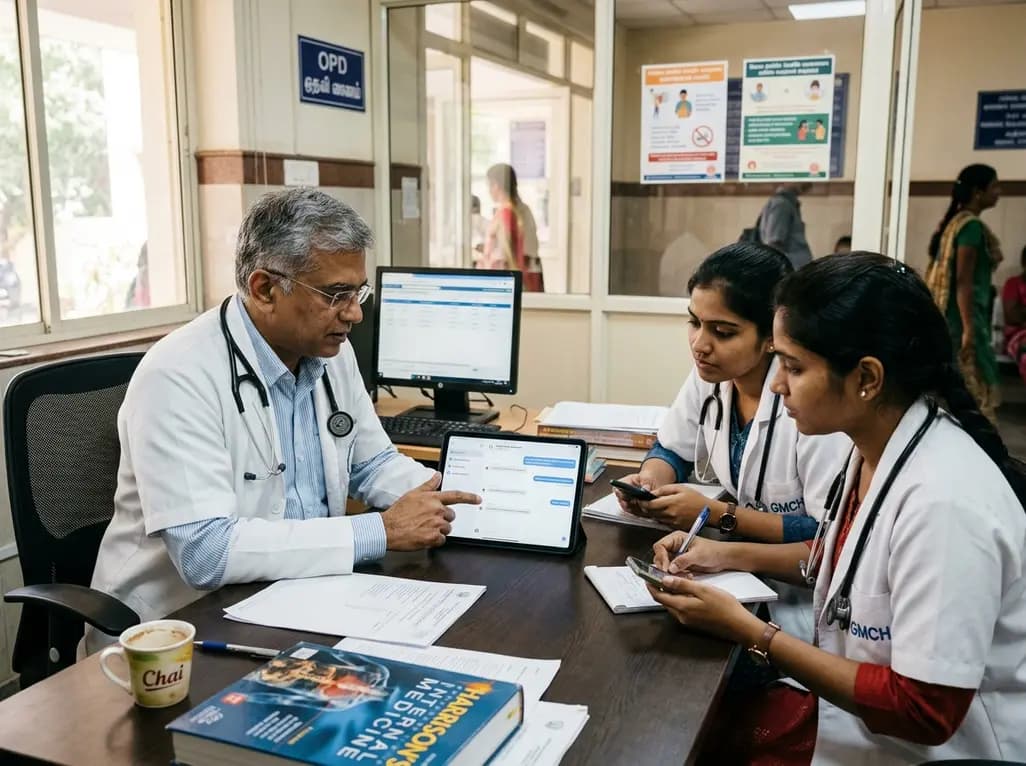
Apple has initiated a large-scale virtual research project enrolling up to 200,000 participants to evaluate conversational health AI. In collaboration with OpenEvidence, the initiative investigates how clinically backed artificial intelligence impacts user comprehension, clinical consultations, and data privacy.
Today
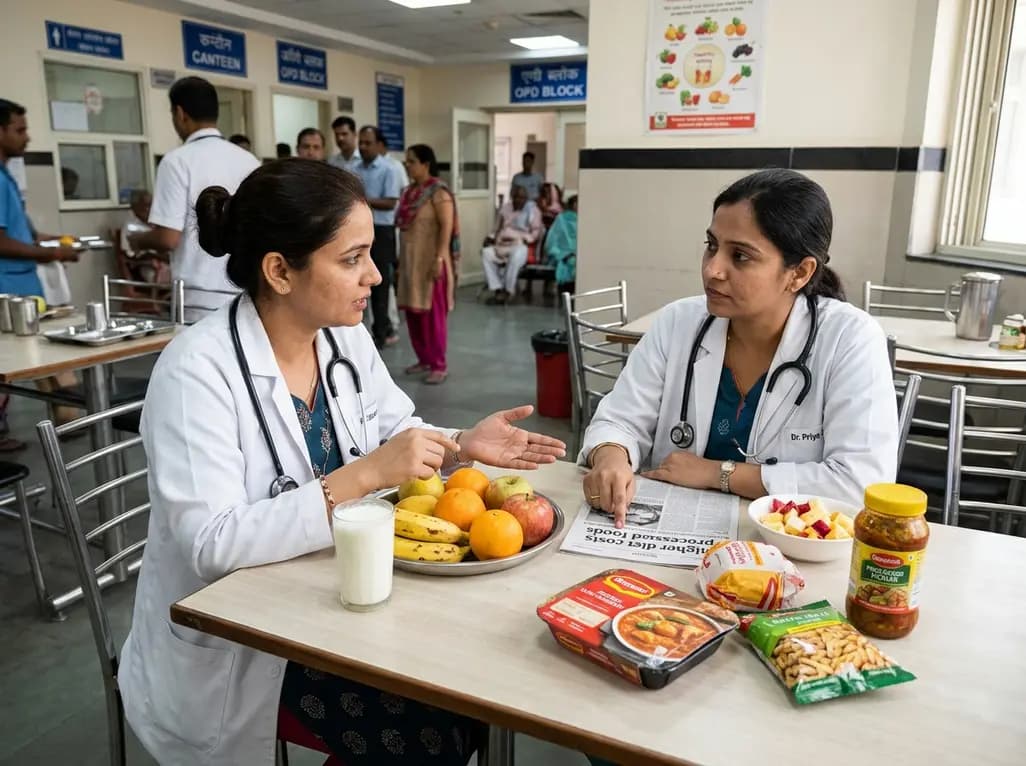
A Canadian nutrition study reveals that higher diet costs predict lower dietary energy density and higher fruit intake, but also increase sodium and processed meat consumption.
Today
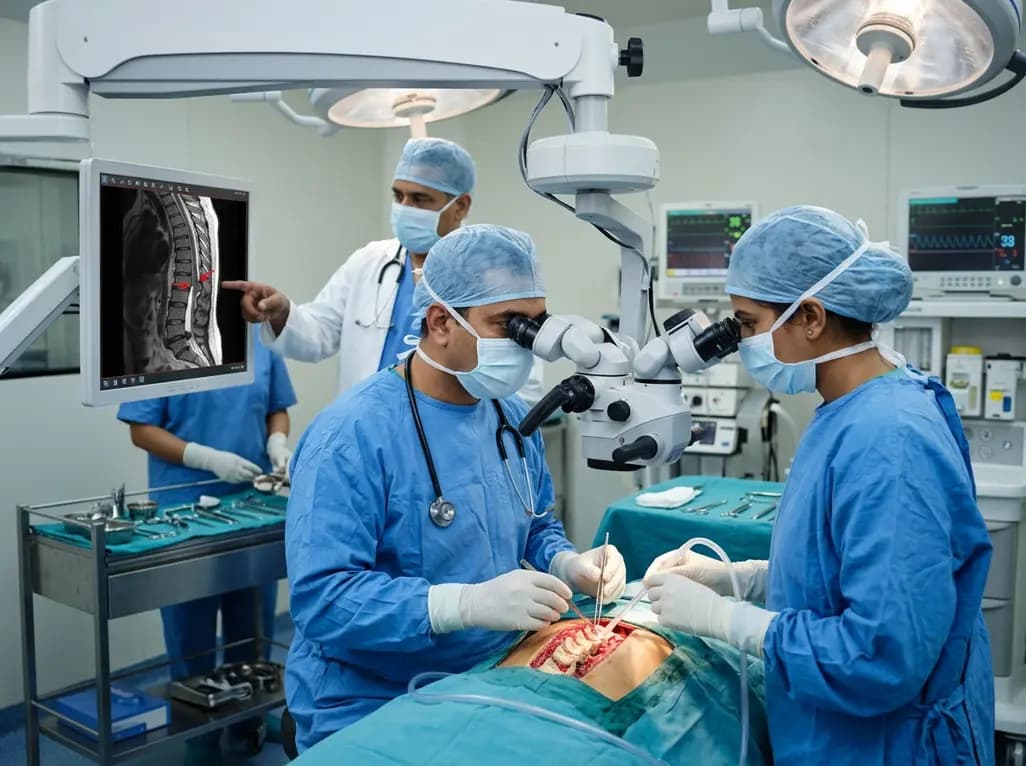
Idiopathic spinal cord herniation is a rare pathology presenting with progressive thoracic myelopathy. Early MRI identification and meticulous microsurgical reduction with dual bolstered dural defect repair prevent irreversible neurological deterioration.
Today
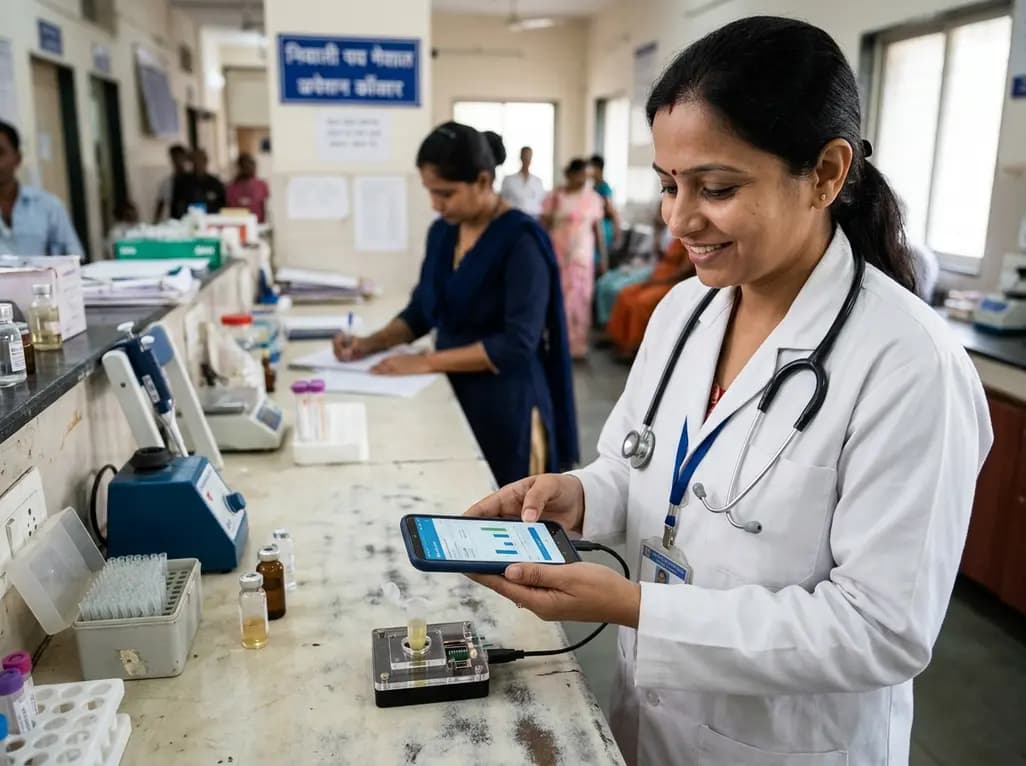
A novel smartphone-assisted biosensor utilizing molecularly imprinted polymers and catalytic nanozymes offers antibody-free, enzyme-free urinary microalbumin testing, enabling rapid, low-cost point-of-care screening for early chronic kidney disease.
Today
