

Loading, please wait...
Loading, please wait...
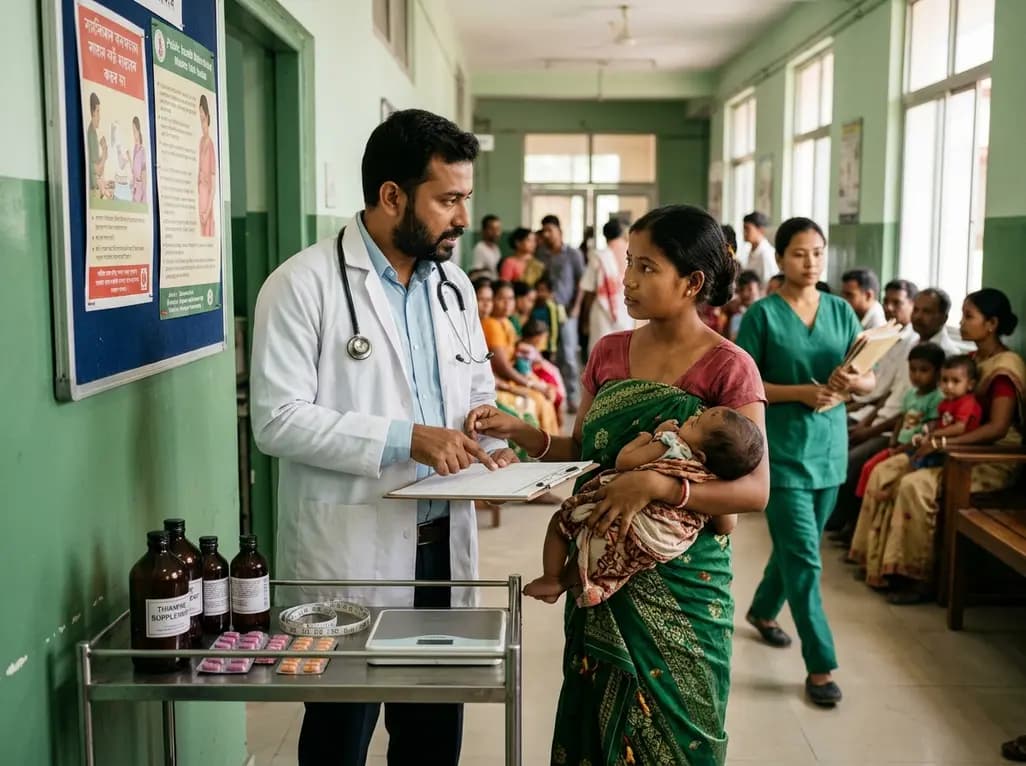
Recent epidemiological surveillance highlights a critical maternal nutrition challenge across northeastern India. Specifically, a landmark community study reveals that thiamine deficiency in pregnancy affects approximately one in five mothers. Researchers from the ICMR-National Institute of Nutrition evaluated over one thousand expectant and lactating women. Consequently, clinicians must now recognize that maternal micronutrient gaps extend far beyond routine iron deficiencies.
The ICMR-NIN investigation assessed 1,083 women living across 120 villages in Assam’s Barak Valley and adjoining Tripura districts. Historically, public health authorities documented recurrent clusters of beriberi throughout these geographical areas. However, contemporary biochemical assessments now confirm that suboptimal thiamine levels remain widespread among vulnerable women. Furthermore, expectant mothers demonstrated a markedly higher vulnerability to deficiency compared to lactating women.
According to analytical data, 20.1% of the sampled cohort displayed suboptimal thiamine concentrations. Within this vulnerable group, 4.9% experienced overt biochemical deficiency, while another 15.2% exhibited marginal nutritional status. Similarly, functional enzymatic testing validated these concerning findings with an overall prevalence of 20.6%. In that group, 8.5% suffered severe metabolic deficiency, and 12.1% had marginal reserves. Moreover, untreated marginal states rapidly progress toward severe maternal morbidity during acute physiologic stress. Therefore, these clinical figures demonstrate that subclinical vitamin B1 deprivation represents an active health crisis. As a result, early regional antenatal surveillance remains vital for primary care teams. Accordingly, local practitioners must screen high-risk patients before acute metabolic collapse develops.
The investigators identified dietary monotony as a fundamental driver of widespread vitamin B1 depletion. Most participating women consumed diets dominated exclusively by polished white rice, which lacks adequate thiamine density. In addition, routine domestic practices exacerbate nutrient loss before consumption occurs. For instance, families frequently store parboiled rice for prolonged periods, which accelerates progressive micronutrient degradation. Additionally, domestic cooks repeatedly wash milled rice before boiling, which leaches essential water-soluble vitamins into discarded wastewater.
Furthermore, cultural dietary habits directly interfere with physiological thiamine utilization. Many regional women regularly consume betel nuts, which contain potent antithiamine factors that deactivate vitamin molecules. Similarly, regular consumption of strong salted tea introduces dietary tannins and polyphenol compounds that impair intestinal thiamine transport. Consequently, these combined culinary habits compound the physiological deficits created by limited food choices. Socioeconomic disadvantage further amplifies these nutritional risks among rural communities. Thus, clinicians must evaluate specific culinary traditions rather than solely assessing raw caloric consumption. Importantly, targeted nutritional guidance can preserve essential micronutrients during everyday food preparation. Therefore, practical education on minimal grain washing offers an immediate protective benefit.
Accurate laboratory diagnosis of thiamine status requires sophisticated analytical methodologies. In this research, scientists utilized whole-blood thiamine diphosphate measured through high-performance liquid chromatography. This biochemical metric accurately reflects direct circulating cofactor pools within biological systems. However, investigators also assessed the erythrocyte transketolase activation coefficient, which provides a functional measurement of intracellular vitamin activity. Because erythrocyte transketolase requires thiamine pyrophosphate as a vital coenzyme, enzyme activity changes reliably indicate clinical cellular depletion.
Notably, both diagnostic approaches yielded remarkably consistent prevalence rates among the evaluated participants. Functional enzymatic assays proved especially sensitive to subtle dietary insufficiencies and regional culinary variations. Therefore, relying exclusively on overt clinical manifestations often causes healthcare providers to miss early metabolic deterioration. Marginal deficiency remains largely invisible during routine prenatal visits unless targeted blood assays are performed. Accordingly, obstetricians should consider incorporating sensitive biochemical markers into routine laboratory profiles within vulnerable districts. Early objective detection prevents long-term neurocognitive and cardiovascular harm. Moreover, prompt diagnosis allows physicians to initiate oral corrective measures before irreversible cellular exhaustion occurs. Consequently, establishing regional diagnostic laboratory infrastructure remains an essential public health priority.
Thiamine serves as an indispensable coenzyme in glucose metabolism, cellular energy generation, and nerve transmission. During pregnancy, elevated maternal metabolic demands and rapid fetal organogenesis drastically increase daily thiamine requirements. Consequently, maternal thiamine deficiency impairs adenosine triphosphate production and elevates toxic lactate concentrations. Mothers suffering from uncorrected deficiency face severe risks of gestational beriberi, cardiomyopathy, and Wernicke encephalopathy. In contrast, even mild deficits can produce persistent maternal fatigue, muscle weakness, and unexplained gastrointestinal symptoms.
Furthermore, maternal vitamin deprivation directly endangers fetal and neonatal survival. Exclusively breastfed infants born to thiamine-deficient mothers rapidly develop fulminant infantile beriberi within their first few months. This condition presents with aphonic crying, sudden cardiac failure, severe lactic acidosis, and neurological damage. Because infantile beriberi carries extremely high mortality rates when recognized late, prevention through maternal repletion is essential. Therefore, healthcare teams must maintain high clinical suspicion for atypical maternal complaints. Protecting maternal vitamin reserves provides vital biochemical defense for developing neonates. Additionally, timely diagnosis protects vulnerable infants from catastrophic decompensation. Thus, maternal replenishment directly safeguards both maternal cardiovascular integrity and neonatal vitality.
Addressing widespread nutritional vulnerability demands multifaceted public health strategies and updated national guidelines. Current maternal nutrition initiatives across India emphasize iron, folic acid, and calcium supplementation. However, public health experts now urge policymakers to incorporate essential B-complex micronutrients into routine antenatal packages. Dr. Bharati Kulkarni, Director of ICMR-NIN, emphasizes the urgent necessity for diversified diets and structured nutritional surveillance. In particular, state health missions must deploy targeted micronutrient supplementation throughout high-risk northeast districts.
Simultaneously, grassroots healthcare workers should implement comprehensive community education campaigns. Primary health centers must counsel rural families about optimal cooking methods to prevent avoidable vitamin loss. For instance, reducing rice washing cycles and minimizing prolonged soaking significantly reduces thiamine degradation. Furthermore, encouraging consumption of pulses, green vegetables, dairy products, and whole grains enhances overall dietary variety. Targeted economic support can also assist socioeconomically marginalized households in procuring nutrient-dense foods. Thus, combining clinical supplementation with culturally adapted culinary counseling will effectively eliminate preventable maternal deficiencies. Ultimately, institutional policy changes will safeguard maternal health across geographically vulnerable regions. Consequently, multi-sectoral collaboration remains essential to achieve lasting maternal wellness.
Q1: Why are pregnant women at greater risk of thiamine deficiency compared to others?
Pregnancy significantly increases total basal metabolic rates and daily carbohydrate utilization to support rapid fetal growth and placental tissue expansion. Consequently, the maternal body rapidly consumes available thiamine diphosphate cofactors for intracellular glucose metabolism. In addition, plasma volume expansion and enhanced renal clearance dilute circulating vitamin levels. When women consume monotonous, polished rice diets lacking adequate vitamin replenishment, their metabolic reserves deplete quickly, triggering subclinical maternal deficiency.
Q2: How do specific regional food habits contribute to vitamin B1 depletion?
Traditional culinary practices in northeast India accelerate thiamine loss through mechanical and biochemical mechanisms. Specifically, repeated washing of polished rice before cooking leaches out significant amounts of water-soluble thiamine. Furthermore, prolonged storage of parboiled rice degrades fragile vitamin structures over time. Consuming betel nut introduces plant thiaminases that chemically degrade active thiamine molecules. Additionally, drinking salted tea delivers concentrated polyphenolic compounds and tannins that directly inhibit intestinal vitamin B1 absorption.
Q3: What are the primary clinical consequences of maternal thiamine deficiency for neonates?
Infants exclusively breastfed by thiamine-deficient mothers are vulnerable to acute infantile beriberi between two and six months of age. Because maternal breast milk contains insufficient vitamin B1 concentrations, neonatal metabolic reserves exhaust rapidly. Consequently, infants present with sudden hoarseness, aphonia, restlessness, and tachycardic heart failure. If left untreated, the disease causes severe lactic acidosis, seizures, and rapid cardiovascular collapse. Fortunately, immediate parenteral thiamine administration restores normal metabolic function and prevents fatal neurological outcomes.
Disclaimer: This content is for informational and educational purposes only. It does not constitute medical advice or replace professional judgment. Refer to the latest local and national guidelines for clinical practice.
References

Read summarized clinical updates, watch expert medical content, and earn CME certifications right from your smartphone.
Open your smartphone camera to scan and install.





A recent investigation by the ICMR-National Institute of Nutrition highlights widespread vitamin B1 insufficiency across vulnerable maternal populations. Unbalanced rice-heavy diets and specific culinary habits drive this hidden deficiency, demanding targeted screening and renewed micronutrient supplementation.
Today
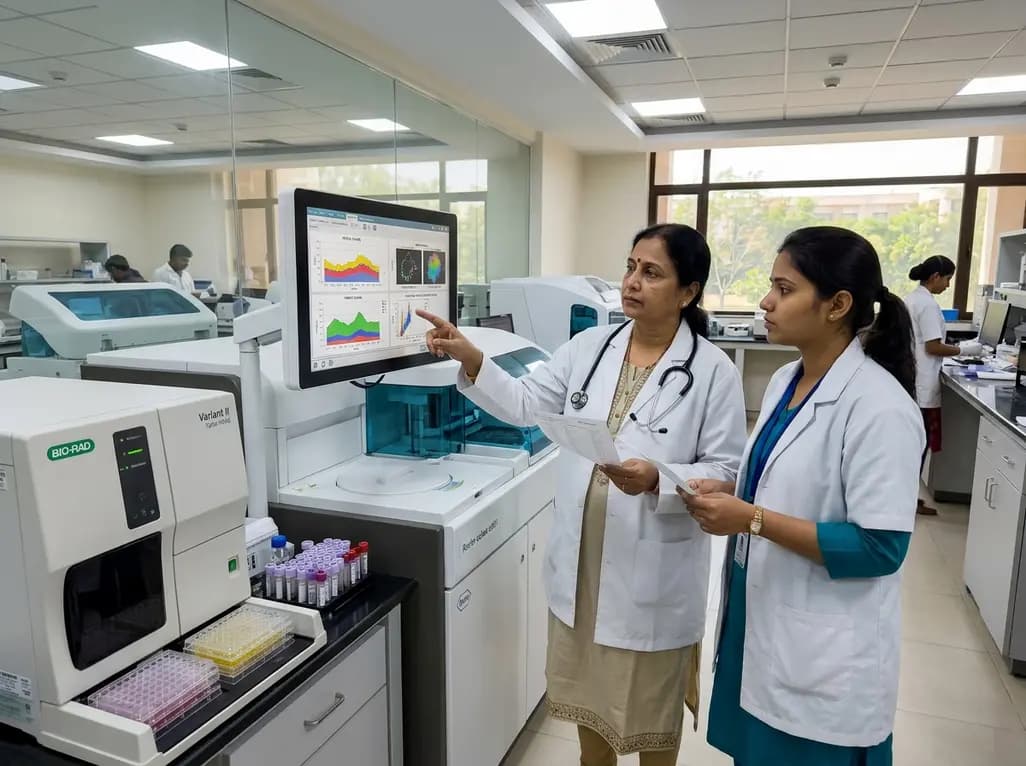
AIIMS Bhubaneswar has established three upgraded laboratories under its biochemistry department. These facilities introduce specialized antenatal panels, newborn screening for rare metabolic disorders, automated immunology platforms, and high-throughput HPLC HbA1c testing to enhance healthcare delivery across Odisha.
Today
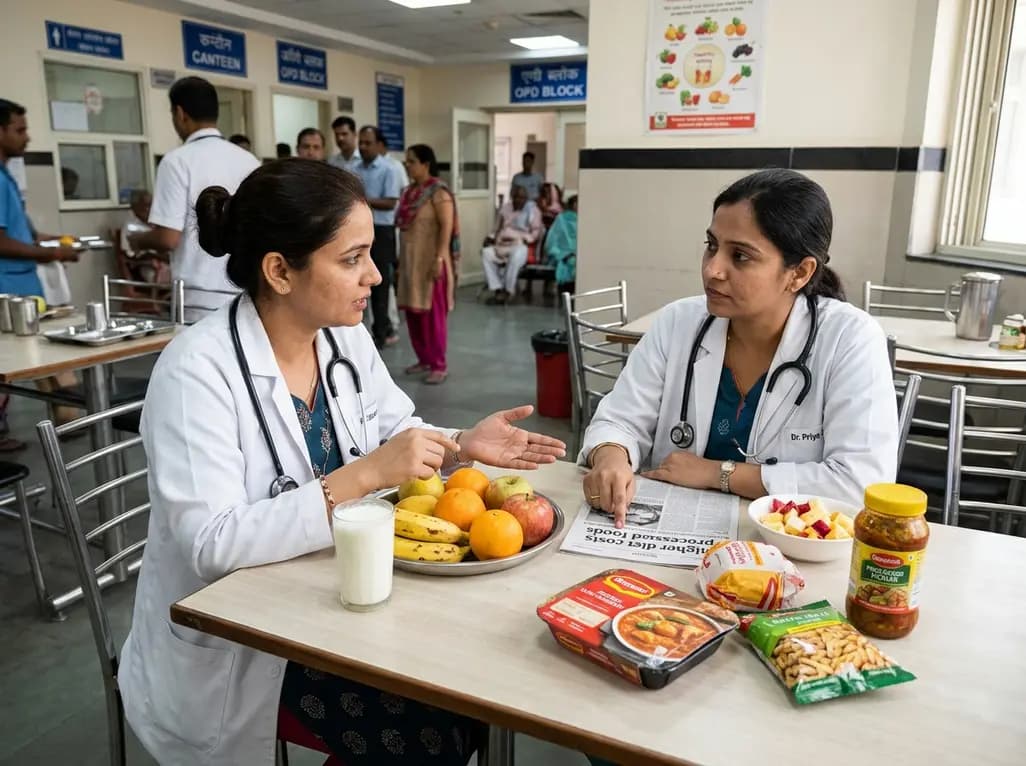
A Canadian nutrition study reveals that higher diet costs predict lower dietary energy density and higher fruit intake, but also increase sodium and processed meat consumption.
Today
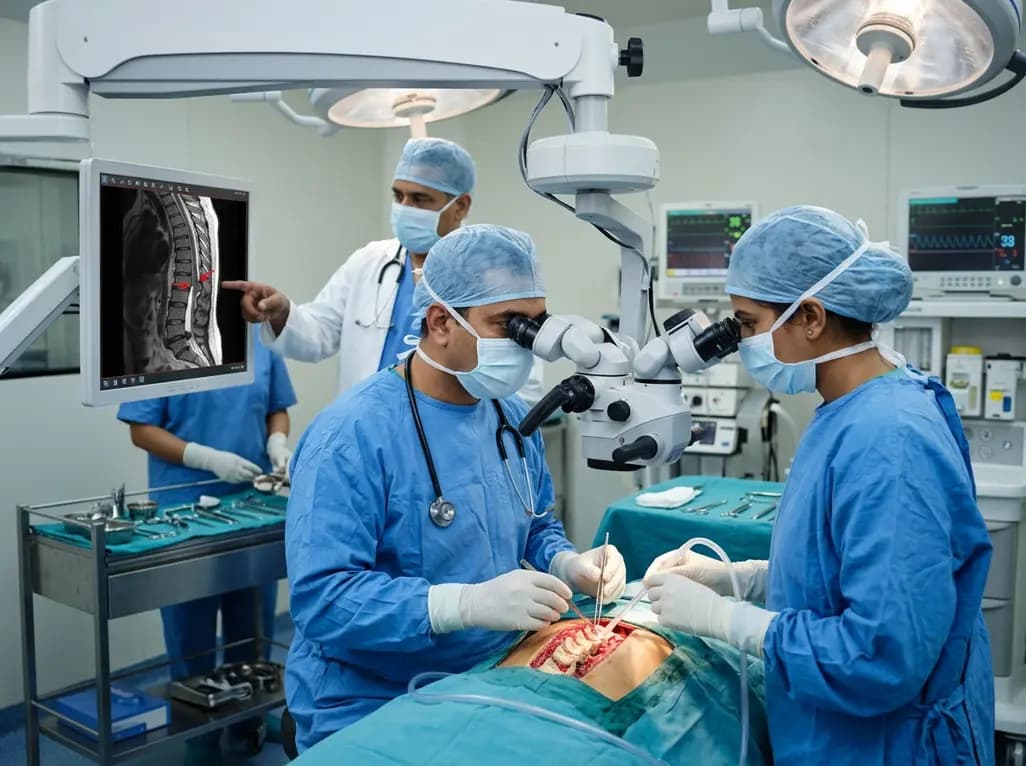
Idiopathic spinal cord herniation is a rare pathology presenting with progressive thoracic myelopathy. Early MRI identification and meticulous microsurgical reduction with dual bolstered dural defect repair prevent irreversible neurological deterioration.
Today

A novel smartphone-assisted biosensor utilizing molecularly imprinted polymers and catalytic nanozymes offers antibody-free, enzyme-free urinary microalbumin testing, enabling rapid, low-cost point-of-care screening for early chronic kidney disease.
Today
