

Loading, please wait...
Loading, please wait...
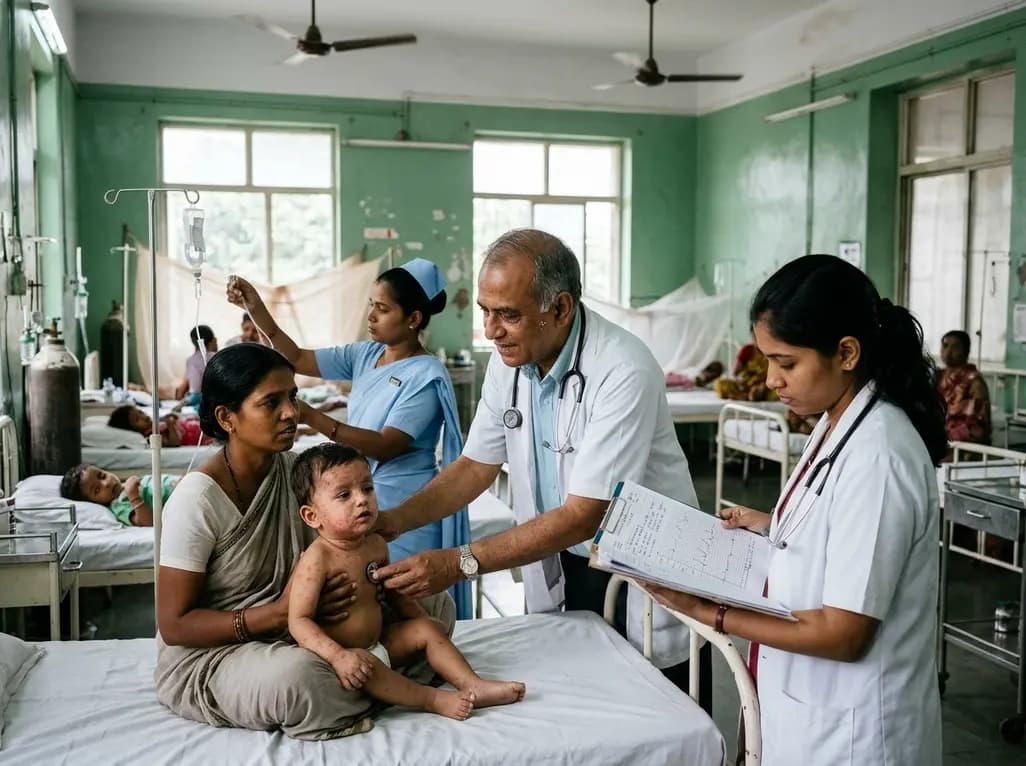
The global resurgence of vaccine-preventable illnesses highlights critical vulnerabilities in contemporary public health systems. Recent surveillance data indicate that a severe measles outbreak has led to thousands of confirmed infections and multiple fatalities across several regions. Consequently, healthcare practitioners must maintain elevated clinical suspicion when evaluating patients presenting with acute febrile exanthematous illnesses. Timely identification and rapid intervention remain vital to prevent community transmission and severe morbidity.
The epidemiology of the present surge reveals a disturbing trajectory across multiple jurisdictions. Official surveillance reports document more than six thousand confirmed cases alongside significant hospitalizations. Notably, unvaccinated individuals represent the overwhelming majority of documented transmissions. This sustained viral spread has caused the loss of regional elimination status, creating substantial anxiety among infectious disease specialists.
In addition, reporting discrepancies have emerged between state public health bodies and federal tracking agencies. While federal registries confirm nine fatalities using specialized mortality datasets, state health departments tally at least fourteen associated deaths. Major clusters in states like Pennsylvania and Wisconsin clearly demonstrate how rapidly the infection disseminates through susceptible pockets. Furthermore, international travel continues to introduce index cases into vulnerable communities.
Clinicians must recognize that declining childhood vaccination coverage directly accelerates these localized surges. Therefore, understanding local population immunity helps physicians anticipate disease patterns during seasonal peaks. When coverage drops below ninety-five percent, herd immunity degrades rapidly. Consequently, healthcare teams must review patient vaccination records during every clinical encounter. Such diligence ensures that vulnerable individuals receive immediate protection before community exposure occurs.
Hospital admission trends highlight the severe biological threat that measles poses to young children. Clinical records indicate that eleven percent of all confirmed patients require acute hospitalization. However, children under five years of age suffer the highest hospitalization rate at seventeen percent. Young pediatric patients frequently experience rapid physiological decline due to dehydration, croup, and secondary bacterial infections.
In contrast, older populations can also develop debilitating manifestations when baseline immunity is absent. Adults account for a significant proportion of recent cases, frequently suffering from severe viral pneumonitis. Moreover, measles infection induces substantial immune amnesia by depleting circulating memory lymphocytes. This profound immunosuppressive state leaves patients highly vulnerable to opportunistic pathogens for months following clinical recovery.
Pregnant individuals face elevated hazards as well, including premature labor and adverse neonatal outcomes. Recent surveillance reports have documented maternal illness leading directly to congenital infection in neonates. Therefore, hospitalists must triage exposed infants and expectant mothers with prompt diagnostic urgency. Early clinical assessment prevents avoidable delays in supportive interventions and intensive monitoring. Consequently, clinicians should remain vigilant for early signs of respiratory distress in hospitalized children.
Accurate clinical evaluation begins with recognizing the hallmark stages of measles infection. Patients typically present initially with high fever, cough, coryza, and conjunctivitis. Soon afterward, pathognomonic Koplik spots may emerge on the buccal mucosa opposite the lower molars. Nevertheless, clinicians often overlook these transient enanthems during early outpatient consultations.
A characteristic erythematous maculopapular rash subsequently erupts on the face and spreads craniocaudally toward the extremities. Because clinical manifestations can mimic other viral exanthems, laboratory confirmation remains absolutely essential. Healthcare practitioners should collect nasopharyngeal swabs for reverse transcription polymerase chain reaction testing during the acute phase.
In addition, providers must draw serum samples to assess measles-specific immunoglobulin M antibodies. Proper timing of serology is vital because false-negative results can occur if clinicians draw blood too early. Thus, repeating antibody testing or relying on molecular assays prevents erroneous conclusions. Furthermore, physicians must enforce immediate airborne isolation protocols before performing detailed physical examinations. Implementing strict airborne infection control safeguards waiting rooms and prevents secondary exposures among immunocompromised individuals. Swift triage therefore protects vulnerable patients from acquiring this exceptionally contagious airborne pathogen.
Therapeutic management of measles relies predominantly on aggressive supportive interventions and complication control. Currently, no specific antiviral medication possesses regulatory approval for routine treatment. Therefore, clinicians must focus on maintaining fluid balance, optimizing antipyretic therapy, and monitoring oxygen saturation.
Additionally, the World Health Organization recommends administering therapeutic vitamin A to all diagnosed pediatric patients. High-dose oral vitamin A restores epithelial integrity, reduces ocular damage, and significantly decreases overall mortality. Clinicians typically administer age-appropriate doses on two consecutive days under medical supervision. For infants under six months, the standard dose is fifty thousand international units. Similarly, older infants require one hundred thousand units, while children beyond twelve months receive two hundred thousand units.
Furthermore, physicians must identify and treat secondary bacterial infections promptly with targeted antimicrobial agents. Bacterial pneumonia and otitis media represent frequent complications requiring appropriate antibiotics. However, physicians should avoid indiscriminate prophylactic antibiotic prescribing without clear diagnostic indications. Diligent clinical monitoring ensures that practitioners detect acute neurological complications like post-infectious encephalomyelitis without delay. Consequently, comprehensive inpatient supportive regimens preserve organ function and accelerate clinical recovery. Moreover, providing family education regarding danger signs prevents delayed readmission after hospital discharge.
Robust immunization initiatives represent the only effective barrier against ongoing community transmission. Two doses of the live attenuated measles vaccine confer approximately ninety-seven percent lifetime protection. Nevertheless, vaccine hesitancy and misinformation continue to erode population immunity thresholds. Clinicians must actively engage families during routine visits to address concerns regarding vaccine safety.
Additionally, physicians should recommend post-exposure prophylaxis for susceptible individuals exposed to confirmed index cases. Administering the vaccine within seventy-two hours of exposure can attenuate or prevent clinical disease. Alternatively, intramuscular immunoglobulin provides passive protection when administered within six days to high-risk individuals. This protective strategy applies especially to pregnant women, infants under twelve months, and severely immunocompromised contacts.
Furthermore, healthcare facilities must verify the immunity status of all clinical personnel. Ensuring that hospital staff possess documented proof of vaccination prevents nosocomial outbreaks. In addition, public health authorities must collaborate closely with private clinics to deliver targeted catch-up campaigns. Ultimately, sustained community engagement and proactive immunization policies safeguard vulnerable populations from preventable morbidity. Without resolute commitment to high vaccination coverage, modern healthcare systems will continue to experience disruptive viral resurgences. Therefore, physician advocacy remains essential to restore widespread confidence in pediatric immunization schedules.
Q1: Why is hospitalization significantly higher among children under five years during a measles outbreak?
Young children experience higher hospitalization rates because their immature immune systems cannot easily handle severe viral stress. Specifically, young toddlers face elevated risks of secondary bacterial pneumonia, acute croup, severe dehydration, and pronounced malnutrition. Because measles suppresses cellular immunity and damages mucosal barriers, these pediatric patients can deteriorate rapidly without medical intervention. Consequently, hospital admission becomes essential to provide oxygen support, fluid rehydration, and close clinical monitoring.
Q2: What is the recommended therapeutic role of vitamin A in managing measles?
The World Health Organization recommends therapeutic vitamin A for all children with measles, regardless of location. Measles infection rapidly depletes endogenous vitamin A reserves, which severely compromises epithelial integrity and weakens systemic immunity. Administering two consecutive daily doses restores vital mucosal defenses and substantially reduces the incidence of blindness, croup, and pneumonia-related mortality. Therefore, physicians should immediately prescribe age-appropriate oral doses upon establishing a clinical diagnosis to ensure optimal pediatric outcomes.
Q3: How effective is post-exposure prophylaxis for susceptible individuals exposed to measles?
Post-exposure prophylaxis offers substantial protection when clinicians administer it promptly after an exposure event. Administering the live measles vaccine within seventy-two hours of exposure stimulates protective antibody production and can prevent clinical illness entirely. Alternatively, intramuscular immunoglobulin provides immediate passive immunity if given within six days of contact. This intervention is crucial for vulnerable populations, including pregnant women, young infants, and immunocompromised contacts who cannot receive live vaccines.
Disclaimer: This content is for informational and educational purposes only. It does not constitute medical advice or replace professional judgment. Refer to the latest local and national guidelines for clinical practice.
References

Read summarized clinical updates, watch expert medical content, and earn CME certifications right from your smartphone.
Open your smartphone camera to scan and install.





With thousands of confirmed measles cases and severe pediatric hospitalizations reported, clinicians must sharpen their diagnostic vigilance. Understanding transmission kinetics, secondary complication management, and targeted catch-up immunization remains imperative to curb preventable mortality worldwide.
Today

A new study reveals that substantial weight loss from GLP-1 receptor agonists increases mammographic breast density, more than doubling screening recall rates. Learn why relative fibroglandular prominence occurs, the clinical significance for radiologists, and how to guide patients during breast cancer screening.
Today
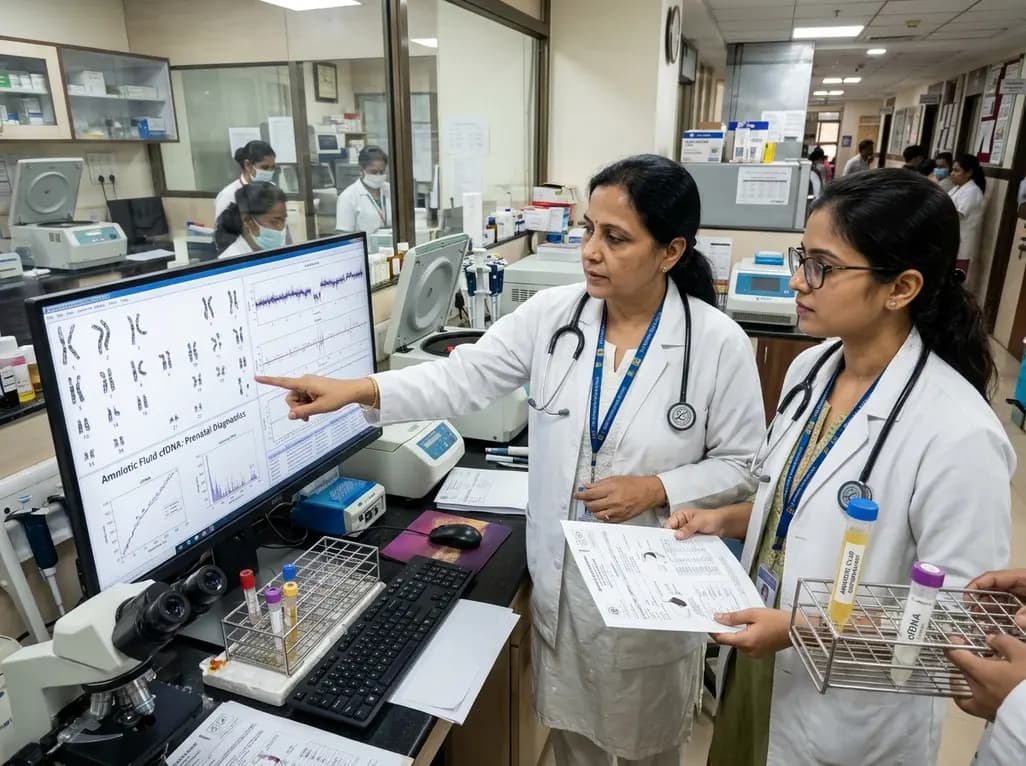
Amniotic fluid cell-free DNA offers a rapid alternative to cultured amniocytes in prenatal testing. With high yield, lack of maternal contamination, and full concordance across microarrays and exome sequencing, it dramatically cuts diagnostic turnaround time.
Today
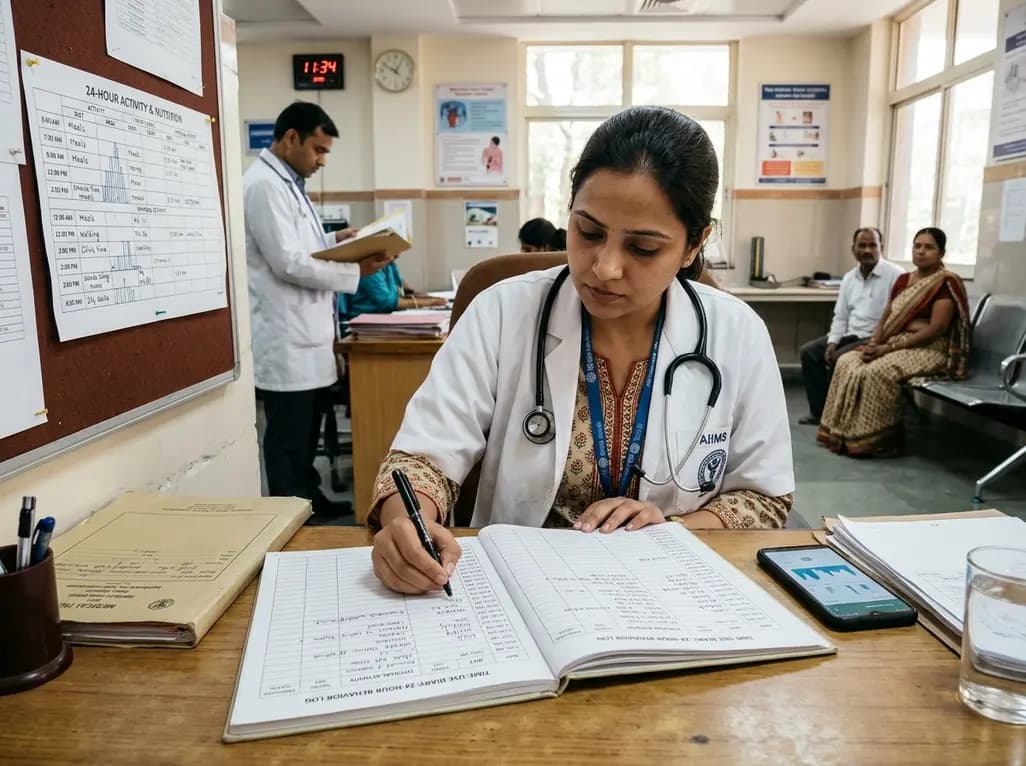
Time-use diary research maps 24-hour physical activity and dietary habits, providing clinicians with vital insights into temporal patterns, time poverty, and lifestyle modifications essential for noncommunicable disease prevention.
Today

Implant-associated infections present severe challenges in orthopedic and dental surgery. A newly engineered photocatalytic antibacterial composite coating on medical titanium combines passive hyaluronic acid defense with active visible-light reactive oxygen species generation to suppress biofilms and enhance repair.
Today

Investigating the patterns, barriers, and facilitators of sedentary behaviour, physical activity, and nutrition among hybrid employees working from home, with practical recommendations for clinicians managing cardiometabolic and musculoskeletal health.
Today
