

Loading, please wait...
Loading, please wait...
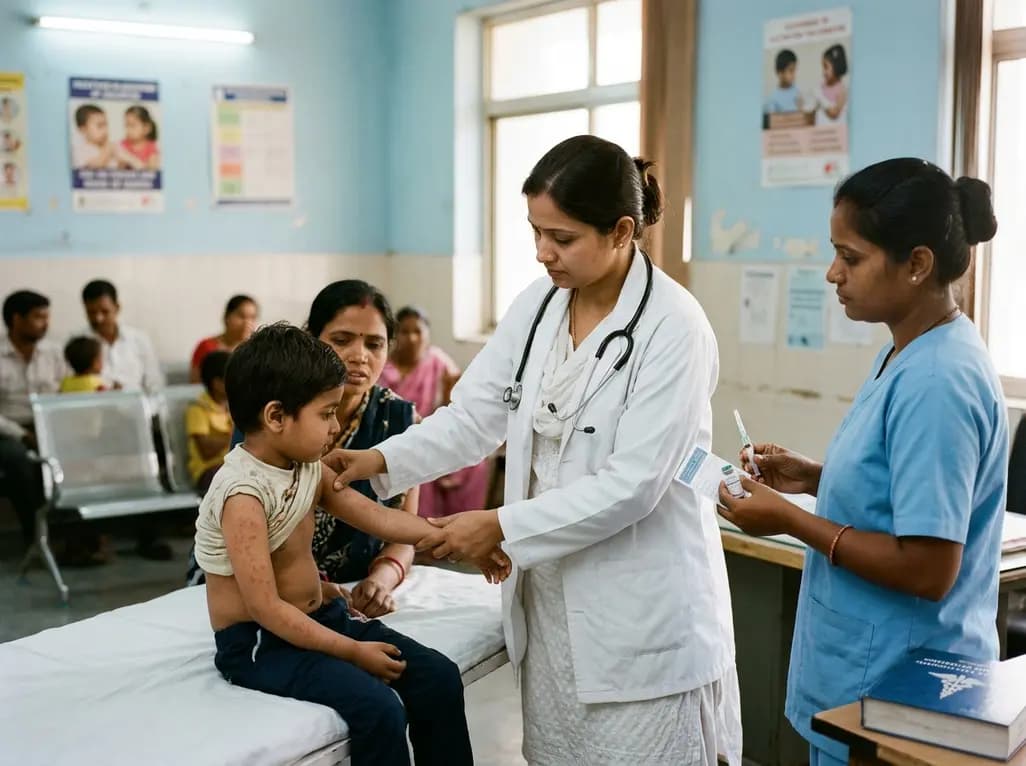
The sudden resurgence of preventable viral exanthems presents serious clinical challenges across healthcare systems. Recent public health surveillance highlights a sharp surge in reported measles cases across undervaccinated communities. Furthermore, escalating hospitalization rates indicate substantial systemic risks. Consequently, frontline physicians must understand key epidemiological patterns, pathognomonic diagnostic signs, and immediate infection containment protocols.
Recent surveillance data underscore how rapidly respiratory pathogens exploit immunity deficits. In 2026, national surveillance documented 4,852 measles cases, reflecting persistent community transmission. In addition, hospitalizations climbed substantially, with 511 patients requiring acute inpatient admission. This metric accounts for approximately 11% of all reported infections nationwide. Demographic analysis reveals diverse vulnerabilities across distinct age cohorts. School-aged individuals and adolescents between 5 and 19 years old represent 2,010 cases. Meanwhile, adults aged 20 and older account for nearly 2,000 confirmed presentations. Furthermore, infants and toddlers under five years comprise over 800 reported illnesses. Notably, the Pennsylvania Department of Health documented over 1,400 cases alongside five fatalities. Crucially, an overwhelming 96% of affected individuals were completely unvaccinated or possessed undocumented vaccination status. This proportion reflects a notable increase from the 93% reported during 2025. Consequently, community transmission expands rapidly once imported cases enter pockets of low vaccine coverage. International travelers frequently introduce the virus into domestic regions with suboptimal population immunity levels. Transmission subsequently propagates through schools, households, and outpatient facilities. Therefore, maintaining strict diagnostic surveillance remains entirely mandatory for modern clinical practices everywhere.
Measles virus belongs to the genus Morbillivirus within the Paramyxoviridae family. The pathogen spreads primarily through respiratory droplets and microscopic aerosol nuclei when patients cough or sneeze. Furthermore, viable viral particles remain suspended in ambient air for up to two hours after infected individuals leave. Consequently, secondary attack rates among susceptible household contacts frequently exceed 90%. The virus initially infects alveolar macrophages and local dendritic cells within the respiratory epithelium. Subsequently, infected lymphocytes migrate directly to regional lymph nodes, initiating rapid viral replication. Primary viremia quickly disseminates the virus to reticuloendothelial tissues throughout distant organs. Consequently, an extensive secondary viremia emerges several days later, producing widespread endothelial damage and epithelial necrosis. This process severely disrupts mucosal surfaces across the respiratory tree and gastrointestinal tract. In addition, measles produces profound, prolonged immune suppression known clinically as immune amnesia. The virus targets CD150-positive memory T cells and memory B lymphocytes, eliminating preexisting humoral immunity against unrelated pathogens. Therefore, recovering individuals remain unusually vulnerable to severe secondary bacterial infections for months. Understanding these mechanisms helps clinicians appreciate why immediate airborne containment is truly vital.
Clinicians must evaluate patients across distinct chronological phases to achieve accurate diagnosis. The incubation period typically spans 10 to 14 days following airborne exposure. Subsequently, patients develop a classic prodrome characterized by high fever, malaise, cough, coryza, and conjunctivitis. During this catarrhal stage, pathognomonic Koplik spots often appear on buccal mucosa opposite the lower molars. These transient lesions resemble grains of salt on an erythematous base. Furthermore, an erythematous maculopapular rash emerges two to four days after prodromal symptoms begin. The exanthem typically begins along the hairline and behind the ears before progressing downward over the trunk and extremities. Notably, the fever often spikes beyond 40 degrees Celsius when the exanthem reaches peak intensity. Patients remain highly contagious from four days before until four days after rash emergence. Therefore, physicians must confirm suspected presentations through reliable laboratory testing. Clinicians should collect simultaneous nasopharyngeal swabs for reverse transcription polymerase chain reaction and serum for measles-specific IgM antibodies. In addition, medical staff must isolate suspected patients immediately in negative pressure rooms before conducting evaluations. Prompt diagnostic testing prevents dangerous institutional transmission and facilitates targeted contact tracing.
Measles frequently produces severe organ-specific complications requiring intensive supportive care. Respiratory complications represent the leading cause of morbidity and death among pediatric cohorts. Specifically, viral pneumonitis or secondary bacterial pneumonia develops in significant numbers of hospitalized patients. Furthermore, acute otitis media occurs commonly and can cause lasting auditory impairment. Gastrointestinal manifestations also pose major clinical challenges during acute infection. Severe diarrhea and protracted vomiting often cause rapid dehydration and electrolyte imbalances, particularly in young malnourished children. In addition, acute post-infectious encephalitis affects approximately one in every 1,000 cases, carrying substantial risk of permanent neurological deficits. Years later, subacute sclerosing panencephalitis can emerge as an invariably fatal chronic neurodegenerative sequela. Consequently, inpatient management focuses primarily on rigorous supportive therapy, hydration, and nutritional maintenance. Clinicians must administer high-dose oral vitamin A to all diagnosed pediatric patients immediately across two consecutive days. Evidence demonstrates that vitamin A supplementation significantly decreases overall measles-related mortality, blindness, and severe pneumonia. Furthermore, medical teams must promptly administer targeted empiric antibiotics whenever secondary bacterial infections arise. Careful hemodynamic monitoring remains absolutely vital during severe presentations.
Universal vaccination remains the primary strategy to prevent sustained community transmission. The live-attenuated measles-mumps-rubella vaccine reliably generates robust, long-lasting protective immunity in healthy recipients. Two universally recommended doses demonstrate approximately 97% clinical effectiveness against symptomatic infection and severe secondary complications. Therefore, public health agencies recommend administering the first dose at 12 to 15 months and the second dose at four to six years. Furthermore, clinicians must implement active post-exposure prophylaxis for susceptible individuals exposed to confirmed index cases. Unvaccinated immunocompetent individuals who present within 72 hours of exposure should receive the MMR vaccine promptly. Alternatively, susceptible contacts presenting between 72 hours and six days should receive human normal immune globulin. High-risk groups including pregnant women, severely immunocompromised individuals, and young infants require immune globulin immediately. In addition, healthcare facilities must verify presumptive immunity among all employed clinical personnel. Ensuring that hospital workers maintain documented proof of two vaccine doses prevents catastrophic nosocomial transmission. Proactive physician counseling regarding immunization safety counteracts vaccine hesitancy and misinformation across local communities. Consequently, dedicated frontline doctors remain crucial defenders of vital community-level herd protection.
Q1: Why is measles more contagious than other viral respiratory illnesses?
Measles exhibits an exceptionally high reproduction number, typically generating 12 to 18 secondary cases per infected individual. The pathogen transmits through fine aerosol droplets that linger in ambient air for up to two hours after an infected patient leaves. Furthermore, a minimal viral inoculum readily infects non-immune hosts. Consequently, nearly 90% of susceptible individuals develop active infection following casual airborne exposure in shared spaces.
Q2: What is the recommended post-exposure prophylaxis protocol after measles exposure?
Susceptible individuals exposed to confirmed measles cases should receive the MMR vaccine within 72 hours of initial exposure. When exposure occurred between three and six days earlier, clinicians should administer intramuscular human normal immune globulin instead. Furthermore, high-risk patients including young infants, pregnant women, and severely immunocompromised persons require immediate immune globulin administration within six days to modify infection course and avert lethal complications.
Q3: Which patient populations face the highest risk for severe measles complications?
Infants and children younger than five years face remarkably high complication rates, including severe pneumonia and acute post-infectious encephalitis. In addition, adults aged 20 and older, pregnant women, and severely immunocompromised patients experience elevated hospitalization and death rates. Malnourished pediatric patients, particularly those with preexisting vitamin A deficiency, frequently suffer fulminant clinical courses, corneal ulcerations, and lethal secondary bacterial infections requiring aggressive inpatient medical resuscitation.
Disclaimer: This content is for informational and educational purposes only. It does not constitute medical advice or replace professional judgment. Refer to the latest local and national guidelines for clinical practice.
References

Read summarized clinical updates, watch expert medical content, and earn CME certifications right from your smartphone.
Open your smartphone camera to scan and install.





The CDC reported 4,852 measles cases with 511 hospitalizations across the US, driven largely by undervaccinated cohorts. This comprehensive clinical overview highlights viral transmission patterns, classic prodromal features, inpatient triage, post-exposure prophylaxis, and essential immunization strategies.
Today

The deadliest Bundibugyo Ebola virus epidemic has crossed 5,000 fatalities in DR Congo, extending across borders. Discover vital clinical guidance for healthcare providers on pathogen features, differential diagnosis, infection prevention, supportive management, and surveillance protocols for returned travelers.
Today
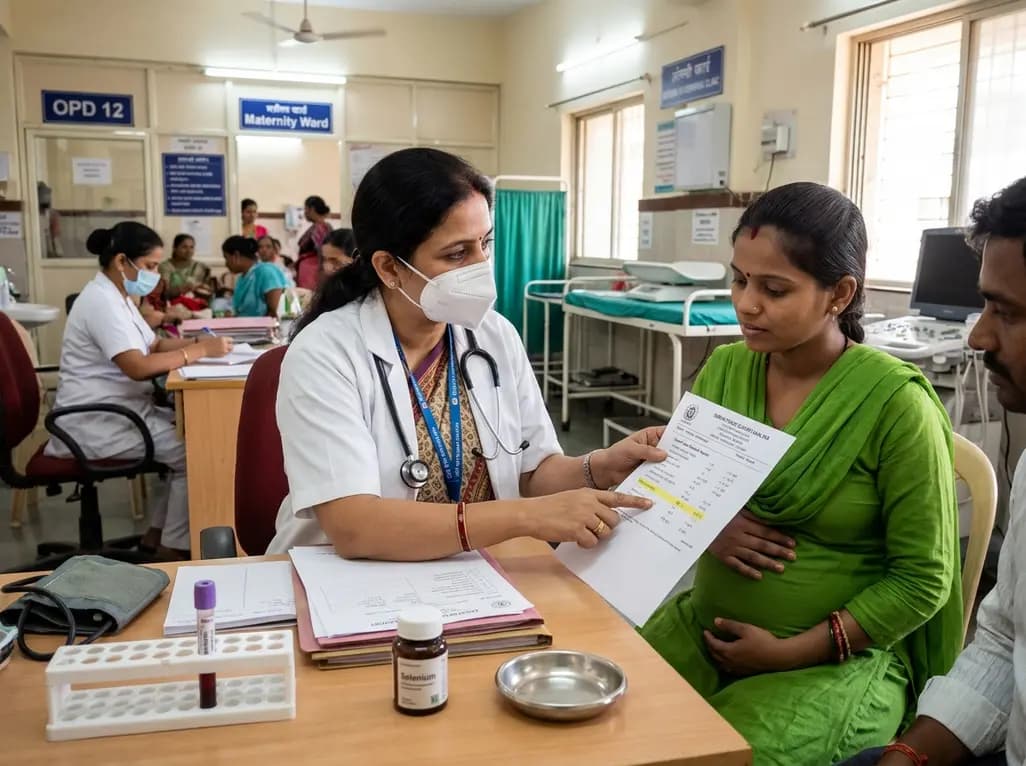
A prospective study reveals significant first-trimester trace-element alterations in pregnant women with epilepsy. Lower serum selenium independently predicted subsequent seizure recurrence despite prior remission, highlighting the vital clinical role of micronutrient profiling during antenatal care.
Today
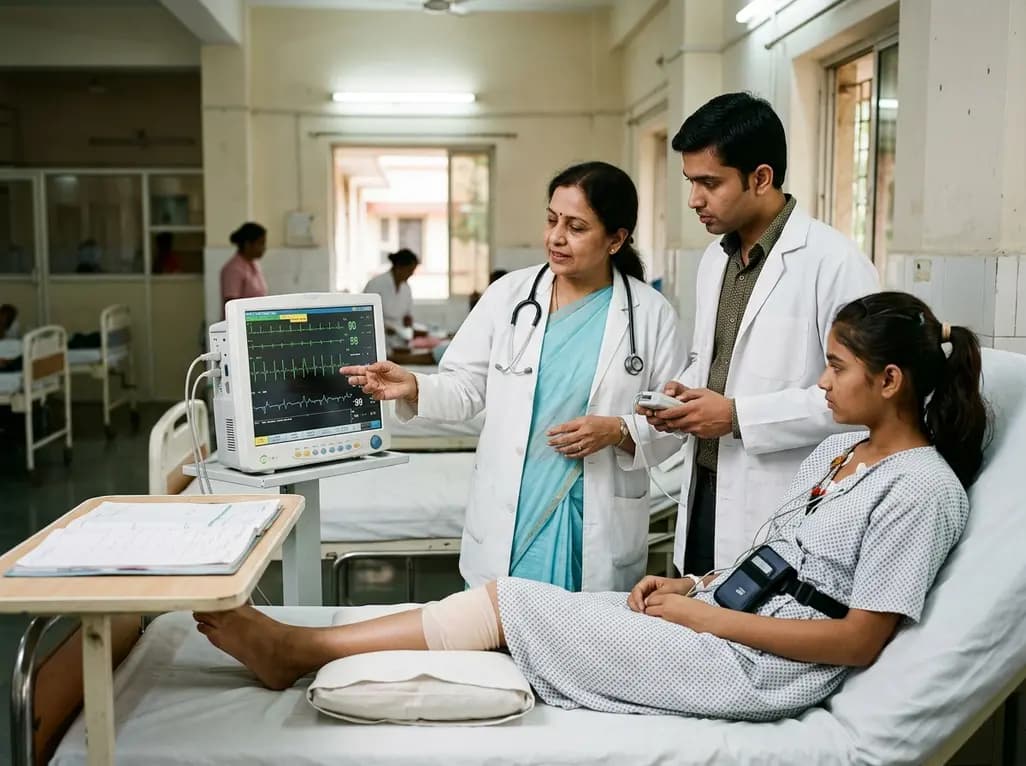
A 15-year-old patient presented with knee arthralgia and acute rheumatic fever, exhibiting complex arrhythmias including AV blocks and non-sustained ventricular tachycardia despite lacking severe valvulitis. This highlights the importance of extended Holter monitoring in pediatric rheumatic carditis.
Today
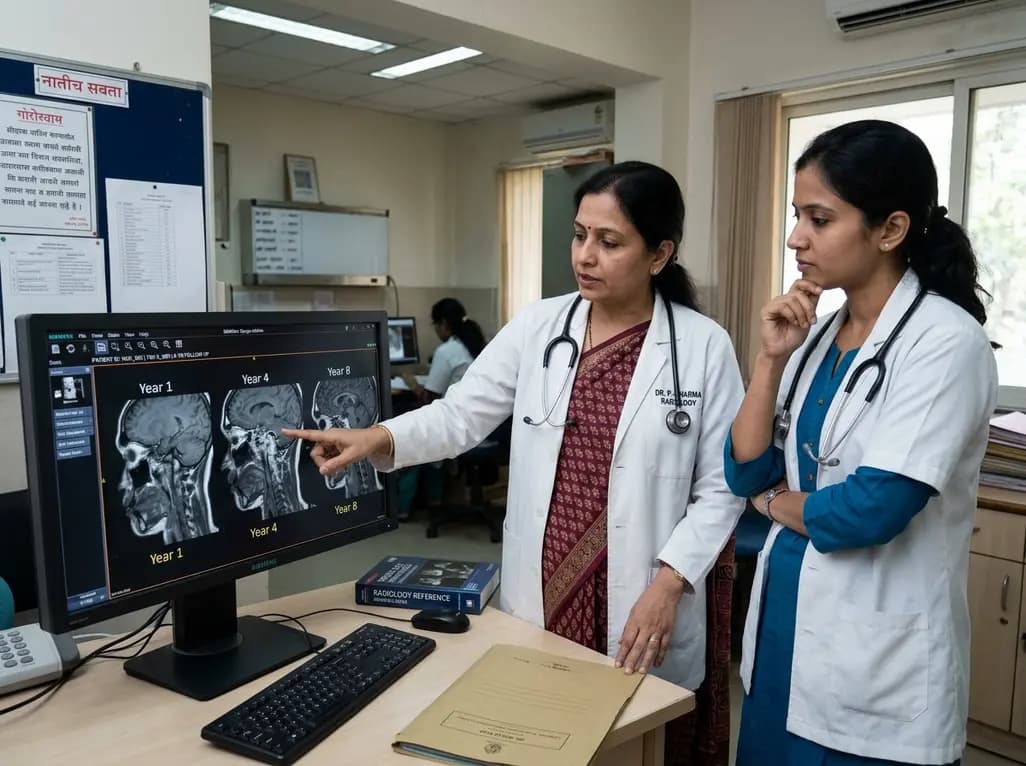
An eight-year longitudinal imaging follow-up reveals severe temporomandibular joint remodeling in nodulosis-arthropathy-osteolysis (NAO) syndrome. Despite extensive osseous destruction, the patient maintained functional jaw opening without TMJ interventions, highlighting the role of conservative management.
Today

Discover essential clinical insights into AGLP1-type amyloidosis, a rare localized complication of glucagon-like peptide-1 analog injections. Learn how histopathology and mass spectrometry differentiate benign iatrogenic amyloidomas from systemic disease, preventing misdiagnosis and unwarranted therapies.
Today
