

Loading, please wait...
Loading, please wait...
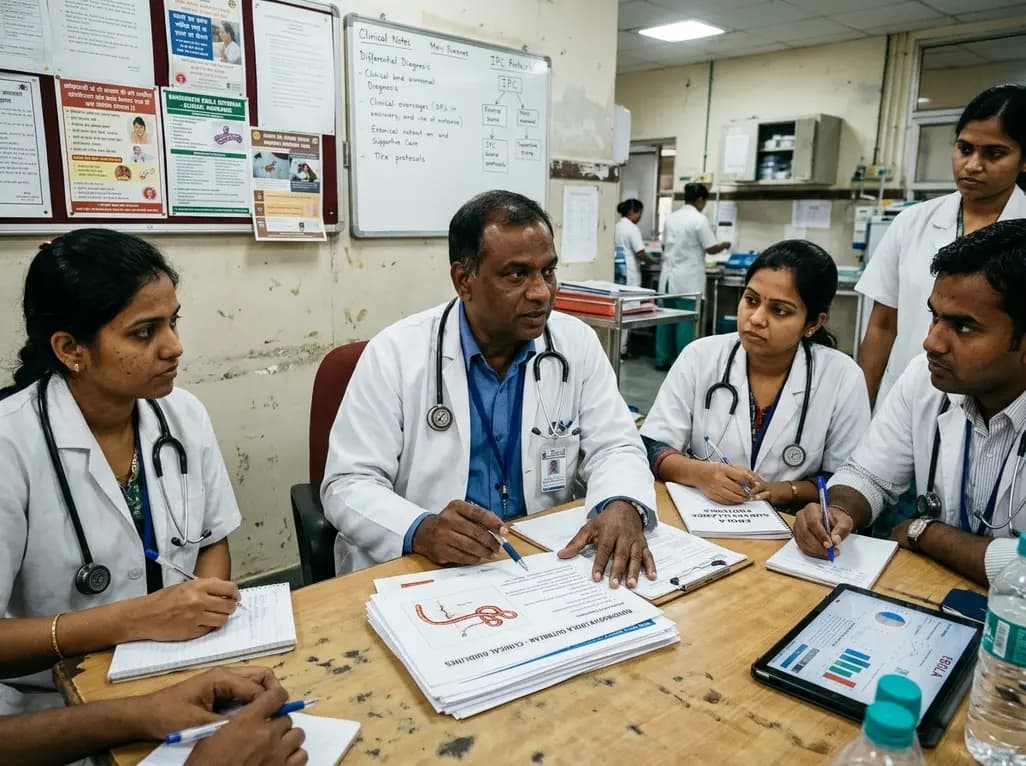
The escalating crisis in Central Africa demands global vigilance from medical professionals. Government data confirms that the ongoing Bundibugyo Ebola outbreak has claimed more than 5,000 lives in the Democratic Republic of the Congo. Case counts have surpassed 10,000 individuals across eight provinces since May. Furthermore, international spread into East and West Africa highlights growing transmission risks. Consequently, Indian physicians and critical care specialists must understand the virological features, presentation, and management of this emerging threat.
The current epidemiological situation represents the deadliest filovirus event in Congolese history. Moreover, public health authorities classify this event as the second-largest Ebola crisis ever recorded globally. Overcrowding, civil conflict, and geographic terrain severely complicate field containment efforts. In addition, delayed clinical detection has permitted uninterrupted transmission within remote rural settlements. As a result, a substantial proportion of fatalities occur outside dedicated treatment units. This trend severely limits containment because unmonitored community burials amplify viral transmission.
Furthermore, regional mobility has accelerated international dissemination across national borders. Health authorities recently confirmed imported cases in Uganda, Kenya, and Nigeria. Consequently, travel hubs and international points of entry face heightened scrutiny. In response, global agencies emphasize strict cross-border surveillance rather than restrictive trade bans. Indian clinicians should recognize that rapid international aviation can transport exposed individuals during the asymptomatic incubation window. Therefore, hospital emergency departments require robust screening protocols for travelers arriving from Central and West Africa. Proactive triage remains the most effective defense against sporadic importation into domestic healthcare facilities.
The Bundibugyo ebolavirus belongs to the Filoviridae family and causes severe hemorrhagic fever. Unlike the more common Zaire species, the Bundibugyo strain features distinct antigenic structures. Consequently, existing monoclonal antibodies and recombinant vaccines offer minimal protective cross-reactivity. The pathogen primarily targets host monocytes, macrophages, and dendritic cells upon entry. Subsequently, the virus impairs innate immune signaling through antagonism of host interferon pathways. This mechanism allows high viral replication throughout vascular endothelium and parenchymal organs.
Furthermore, infected antigen-presenting cells release massive cascades of pro-inflammatory cytokines. This systemic inflammatory storm precipitates widespread endothelial dysfunction and microvascular leakage. Consequently, patients experience profound intravascular volume depletion, shock, and multi-organ failure. In addition, hepatic necrosis decreases clotting factor synthesis, while systemic consumption induces severe thrombocytopenia. Thus, consumptive coagulopathy frequently accelerates fatal terminal hemorrhage. Human transmission occurs through direct mucosal contact with contaminated blood, vomitus, or bodily secretions. Therefore, healthcare personnel face extreme risks during unshielded resuscitation procedures. Clinicians must remember that dead bodies remain highly infectious for several days after death.
Recognizing filovirus infection during initial evaluation presents significant diagnostic dilemmas for clinicians. The incubation period typically spans 2 to 21 days, averaging roughly 8 to 10 days. Initially, infected individuals present with nonspecific "dry" systemic symptoms. Patients report acute fever, intense fatigue, myalgia, arthralgia, and debilitating headache. In tropical environments, physicians frequently mistake these manifestations for severe malaria, dengue, or typhoid fever. Therefore, taking a meticulous recent travel history remains indispensable during primary evaluation.
However, the clinical illness accelerates rapidly into a "wet" gastrointestinal phase within days. Patients subsequently experience intractable watery diarrhea, severe vomiting, and crampy abdominal pain. Consequently, intense volume loss leads to hypovolemic shock, electrolyte derangements, and acute renal failure. In severe cases, vascular damage manifests as conjunctival injection, petechiae, melena, or mucosal oozing. For definitive diagnosis, medical teams rely on reverse transcription-polymerase chain reaction assays. Clinicians must collect blood samples using dedicated biosafety measures to prevent accidental percutaneous exposure. Moreover, suspected patients require immediate placement into private negative-pressure or isolated quarantine rooms pending confirmatory laboratory results.
Currently, regulatory agencies have approved no specific antiviral therapeutics for Bundibugyo ebolavirus disease. Established monoclonal antibody therapies like REGN-EB3 only neutralize the Zaire species effectively. Therefore, clinical management hinges entirely on aggressive, protocol-driven supportive critical care. Physicians must prioritize early and meticulous fluid resuscitation to counteract massive gastrointestinal losses. Intravenous crystalloid administration guided by hemodynamic parameters significantly improves overall survival rates. Furthermore, clinicians must closely monitor serum electrolytes to correct severe hypokalemia, hypocalcemia, and metabolic acidosis.
In addition to fluid management, healthcare teams must address severe organ failures promptly. Patients often require vasoactive infusions, supplemental oxygenation, and renal replacement therapy in dedicated high-containment units. Simultaneously, clinicians must prescribe empiric broad-spectrum antibiotics to treat potential enteric bacterial translocation. Antiemetics, analgesics, and nutritional support also promote physiological stabilization during acute disease phases. Meanwhile, researchers are accelerating clinical trials evaluating novel vector-based and messenger RNA candidate vaccines. Indian medical research organizations continue to collaborate with global partners to support potential late-stage clinical trials. Until specific therapies become accessible, meticulous supportive critical care remains the sole intervention that reduces mortality.
The geographic spread across multiple African territories underscores the imperative for heightened vigilance in Indian hospitals. Rapid intercontinental travel means an infected traveler can reach major metropolitan centres within hours. Consequently, Indian health facilities must reinforce strict infection prevention and control standards. Triage desks must systematically flag any patient presenting with acute fever who visited Central Africa within 21 days. Hospital administrators must ensure adequate supplies of personal protective equipment, including coveralls, respirators, and face shields.
Furthermore, healthcare workers require routine training in proper donning and doffing techniques. Breach of protective gear during patient transport or fluid decontamination poses severe occupational hazards. In addition, hospital protocols must mandate rapid isolation of suspected individuals in designated isolation wards. Clinicians should alert state and national public health surveillance networks immediately upon identifying suspected cases. Diagnostic samples must proceed through strict biosafety transport protocols to designated national reference laboratories like the National Institute of Virology. Meanwhile, hospitals must establish strict environmental cleaning procedures utilizing hospital-grade sodium hypochlorite disinfectants. By maintaining high clinical suspicion and meticulous containment measures, healthcare providers can protect domestic institutions against secondary transmissions.
Q1: Why are standard Ebola vaccines ineffective against this outbreak?
Licensed Ebola vaccines, such as Ervebo, specifically target the glycoprotein of the Zaire ebolavirus species. However, the Bundibugyo ebolavirus exhibits significant structural and genetic antigenic variations that prevent effective antibody neutralization. Consequently, existing licensed vaccines provide minimal cross-protection against this rare species. Global research partnerships are currently conducting accelerated clinical trials in Africa to evaluate candidate vaccines designed specifically to target and neutralize the Bundibugyo strain effectively.
Q2: How does the transmission of Bundibugyo ebolavirus occur among individuals?
Bundibugyo ebolavirus spreads between humans through direct contact of broken skin or mucous membranes with infected bodily fluids. These fluids include blood, feces, saliva, sweat, and vomit from symptomatic patients or contaminated surfaces. Furthermore, traditional burial customs and direct contact with deceased individuals present extreme transmission risks. Notably, the virus does not spread through casual airborne contact or respiratory aerosols, meaning transmission requires direct exposure to viable infectious biological materials.
Q3: What immediate protocol should Indian physicians follow if a patient presents with suspected Ebola?
Clinicians must immediately isolate the patient in a dedicated single-occupancy negative-pressure room and implement strict contact and droplet precautions. Healthcare personnel must wear full personal protective equipment before entering the room. Furthermore, clinicians must avoid invasive diagnostic procedures unless strictly essential for clinical stabilization. The attending physician must alert hospital administration, infection control teams, and district surveillance officers immediately to arrange diagnostic sample dispatch under high-containment biosafety conditions to accredited laboratories.
Disclaimer: This content is for informational and educational purposes only. It does not constitute medical advice or replace professional judgment. Refer to the latest local and national guidelines for clinical practice.
References

Read summarized clinical updates, watch expert medical content, and earn CME certifications right from your smartphone.
Open your smartphone camera to scan and install.





The deadliest Bundibugyo Ebola virus epidemic has crossed 5,000 fatalities in DR Congo, extending across borders. Discover vital clinical guidance for healthcare providers on pathogen features, differential diagnosis, infection prevention, supportive management, and surveillance protocols for returned travelers.
Today
A prospective study reveals significant first-trimester trace-element alterations in pregnant women with epilepsy. Lower serum selenium independently predicted subsequent seizure recurrence despite prior remission, highlighting the vital clinical role of micronutrient profiling during antenatal care.
Today
A 15-year-old patient presented with knee arthralgia and acute rheumatic fever, exhibiting complex arrhythmias including AV blocks and non-sustained ventricular tachycardia despite lacking severe valvulitis. This highlights the importance of extended Holter monitoring in pediatric rheumatic carditis.
Today
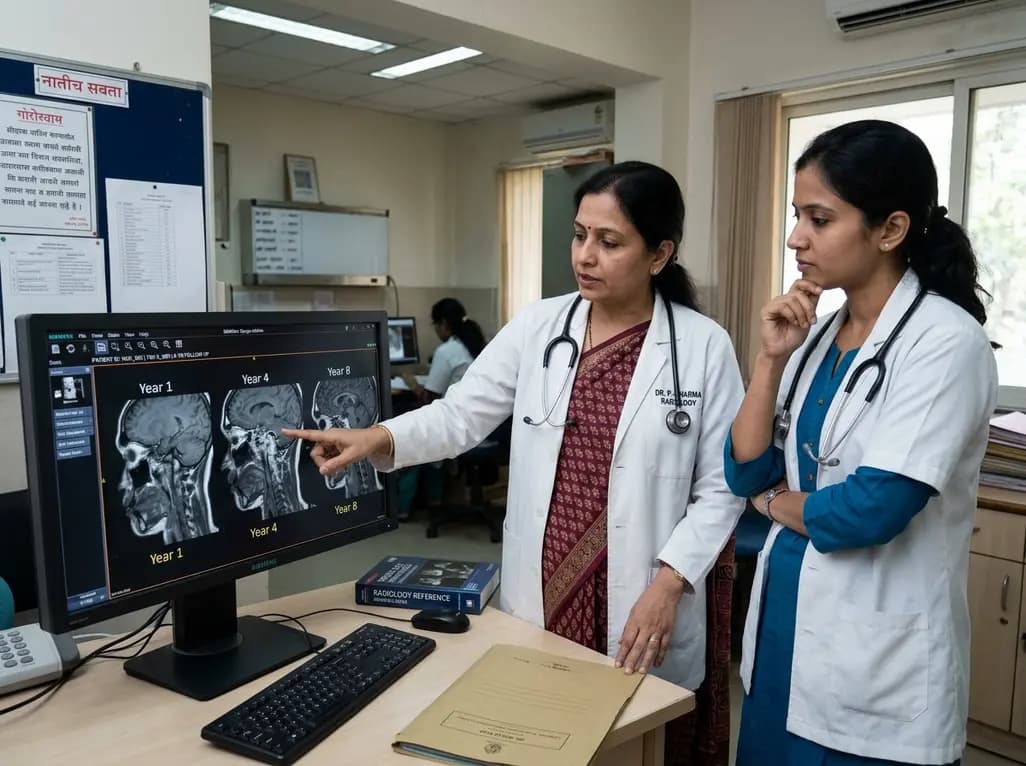
An eight-year longitudinal imaging follow-up reveals severe temporomandibular joint remodeling in nodulosis-arthropathy-osteolysis (NAO) syndrome. Despite extensive osseous destruction, the patient maintained functional jaw opening without TMJ interventions, highlighting the role of conservative management.
Today
Discover essential clinical insights into AGLP1-type amyloidosis, a rare localized complication of glucagon-like peptide-1 analog injections. Learn how histopathology and mass spectrometry differentiate benign iatrogenic amyloidomas from systemic disease, preventing misdiagnosis and unwarranted therapies.
Today
