.webp&w=384&q=75)

Loading, please wait...
Loading, please wait...
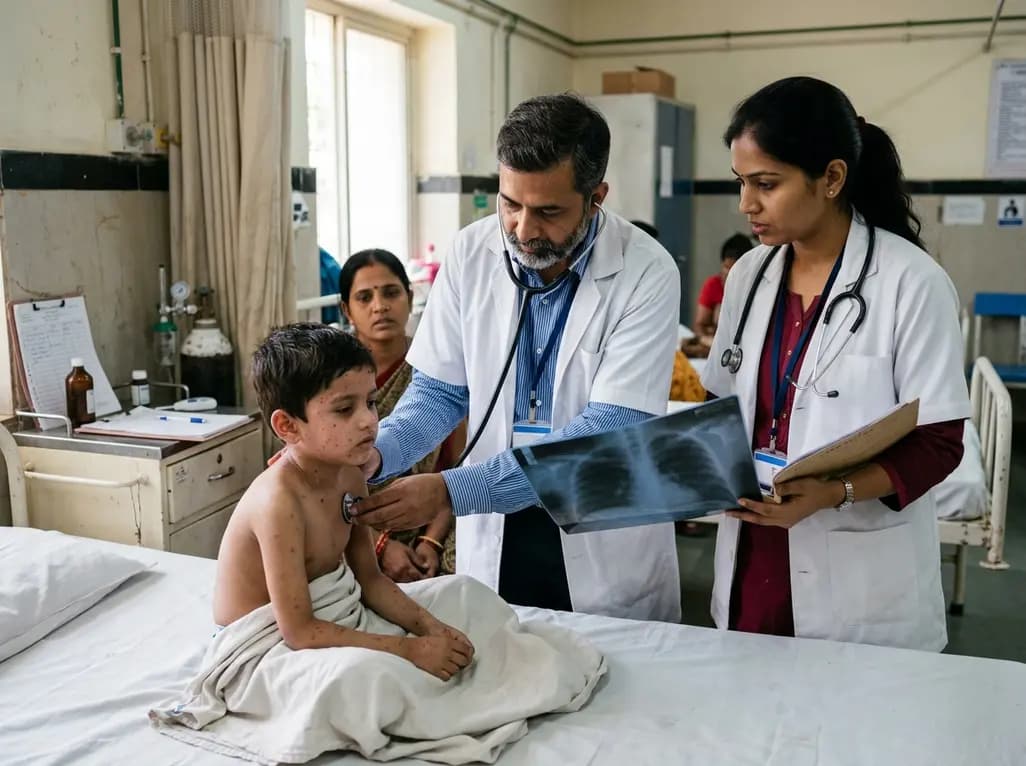
Recent public health surveillance data confirmed a tragic milestone with another confirmed measles-associated death in the United States. Consequently, clinicians worldwide are confronting the harsh reality of a preventable infectious crisis. Lancaster County health officials recently verified that an unvaccinated adult succumbed to this viral pathogen. Meanwhile, state authorities reported that the ongoing Pennsylvania outbreak has now affected nearly one thousand individuals across twenty-nine counties. Nationally, over thirty-six hundred cases have surfaced across forty-seven states, marking the largest surge in thirty-five years. Therefore, healthcare providers must revisit the severe dangers of this paramyxovirus. Medical teams must actively counter waning public trust, reinforce herd immunity thresholds, and accurately evaluate high-risk patients.
Historically, the United States successfully eliminated endemic transmission of the measles virus in the year 2000 through sustained vaccination efforts. However, shifting demographic behaviors and escalating vaccine skepticism have steadily eroded these public health defenses over recent years. Notably, all recorded fatalities in the ongoing Pennsylvania outbreak occurred exclusively among unvaccinated individuals. Public health investigations reveal that vulnerable sub-populations, such as insular traditionalist communities, experience intense viral transmission due to depressed immunization uptake. Furthermore, vocal skepticism from prominent political and public figures has exacerbated parental doubts regarding vaccine safety. Consequently, unsubstantiated claims have diminished public perception of disease severity and compromised herd protection. Epidemiologists emphasize that measles requires an exceptionally high population immunity threshold, typically around ninety-five percent, to interrupt community spread. When local vaccine coverage falls below this critical level, rapid clustering inevitably follows. Because the virus exploits localized pockets of susceptibility, isolated exposures quickly escalate into widespread multi-county outbreaks. Clinicians must recognize that these clusters present severe hazards not only to unvaccinated children, but also to immunocompromised adults and unimmunized infants. Therefore, medical professionals must track local regional transmission trends vigilantly to anticipate acute clinical surges.
Measles ranks among the most infectious human pathogens known to medicine, possessing a basic reproduction number between twelve and eighteen. Thus, a single infected patient can easily transmit the virus to nine out of ten susceptible close contacts. The virus spreads primarily through airborne respiratory droplets and fine aerosols generated during coughing or sneezing. Additionally, viral particles remain infectious suspended in ambient air or resting on contaminated surfaces for up to two hours. Following inhalation, the paramyxovirus initially targets alveolar macrophages and dendritic cells within the respiratory tract. Subsequently, the pathogen disseminates through local lymphatic vessels into regional lymphoid tissues, initiating high-titer viremia. The classical clinical illness begins after an incubation period of ten to fourteen days. Patients present with high spiking fevers, generalized malaise, and the pathognomonic triad of cough, coryza, and conjunctivitis. Furthermore, characteristic Koplik spots frequently manifest on the buccal mucosa two to three days before the appearance of the cutaneous eruption. Soon after, an erythematous, maculopapular exanthem emerges at the hairline and spreads cephalocaudally across the trunk and extremities. Clinicians must understand that viral shedding begins four days before rash onset, which drastically complicates timely containment efforts.
Although many individuals perceive measles as a routine childhood illness, the infection frequently triggers catastrophic systemic complications. Specifically, respiratory complications represent the leading cause of measles-related mortality among young children and immunocompromised patients. The virus directly invades bronchial epithelium, causing severe giant cell pneumonia, or secondary bacterial pathogens induce severe lobar consolidation. In fact, approximately one in twenty children with measles develops significant pneumonia, frequently necessitating intensive care admission. Furthermore, the central nervous system faces devastating vulnerability during and after active viremia. Acute post-infectious encephalomyelitis occurs in roughly one per one thousand cases, frequently leaving permanent neurological sequelae such as sensorineural deafness. Even more tragically, subacute sclerosing panencephalitis can develop seven to ten years later as a fatal, progressive neurodegenerative complication. Beyond direct organ damage, measles virus induces profound immune amnesia by destroying pre-existing memory lymphocytes. Consequently, patients remain highly susceptible to opportunistic bacterial and viral infections for months or even years following apparent recovery. Because these complications escalate rapidly in vulnerable cohorts, clinicians must identify impending organ failure early and provide immediate aggressive supportive therapy.
Primary care physicians and pediatricians serve as the frontline defense against dangerous misinformation and growing vaccine hesitancy. Indeed, effective clinical communication remains the single most impactful tool for restoring parental confidence in established immunization schedules. Rather than expressing frustration or adopting confrontational tones, practitioners should utilize presumptive, empathetic conversational frameworks. For instance, clinicians can initiate discussions by stating that routine immunizations are standard care to protect children against dangerous community pathogens. Additionally, doctors must proactively debunk persistent myths surrounding the measles, mumps, and rubella vaccine, especially debunked associations with developmental disorders. Healthcare teams should explain transparently that two doses of the vaccine deliver ninety-seven percent long-term clinical protection against infection. Moreover, providers should highlight the severe morbidity of wild-type measles, emphasizing that modern pediatric medicine rarely encounters such virulent preventable diseases. When parents express philosophical doubts or institutional mistrust, clinicians must validate their desire to safeguard their offspring while clearly explaining the severe risks of non-vaccination. Ultimately, transparent clinical dialogue and repeated, patient educational interactions help overcome entrenched skepticism and rebuild essential community immunologic barriers.
Healthcare facilities must enforce rigorous infection control protocols immediately whenever staff suspect an active measles presentation. Specifically, triage staff must quickly identify presenting symptoms, including febrile respiratory distress and maculopapular rash, before patients enter crowded waiting areas. Suspicious individuals should receive surgical masks immediately and move directly into negative-pressure airborne infection isolation rooms. Furthermore, examining medical personnel must strictly don fit-tested N95 respirators regardless of their personal immunization history. For diagnostic confirmation, clinicians should collect simultaneous nasopharyngeal swabs and throat swabs for real-time reverse transcription-polymerase chain reaction testing. Additionally, medical teams must obtain serum samples to detect measles-specific IgM antibodies, which usually turn positive shortly after rash appearance. In confirmed exposures, clinicians should rapidly administer post-exposure prophylaxis with the vaccine within seventy-two hours, or intramuscular immunoglobulin within six days for vulnerable contacts. Meanwhile, clinicians must notify local and state public health authorities immediately to facilitate rapid contact tracing. Through swift clinical recognition, strict isolation precautions, and definitive laboratory confirmation, healthcare facilities can interrupt nosocomial transmission chains and protect vulnerable patient populations from fatal hospital-acquired infections.
Q1: Why does measles present such a high risk of death in unvaccinated populations?
Measles causes profound systemic immunosuppression while directly damaging respiratory and neural tissues. Unvaccinated individuals lack protective neutralizing antibodies, allowing rapid viral dissemination throughout the body. Consequently, patients face heightened vulnerability to severe secondary bacterial pneumonia, viral encephalitis, and respiratory failure. In under-vaccinated communities, delayed medical presentation further amplifies case fatality rates, particularly among vulnerable infants and adults with pre-existing chronic cardiopulmonary comorbidities.
Q2: What clinical signs distinguish the prodromal phase of measles before the exanthem appears?
During the early prodromal period, measles typically manifests as high fevers accompanied by the classic triad of cough, coryza, and conjunctivitis. Approximately two to three days after symptom onset, clinicians can observe pathognomonic Koplik spots, which present as small, bluish-white elevations on the erythematous buccal mucosa. Identifying these early mucous membrane lesions allows prompt isolation before the widespread maculopapular cutaneous rash erupts across the body.
Q3: How effective is the measles vaccine, and can exposed individuals receive post-exposure prophylaxis?
The standard two-dose measles, mumps, and rubella vaccine regimen demonstrates approximately ninety-seven percent efficacy in preventing clinical infection. When susceptible individuals experience documented exposure, clinicians can administer the live-attenuated vaccine within seventy-two hours to prevent or attenuate illness. Alternatively, high-risk patients, including pregnant women, unimmunized infants, and severely immunocompromised individuals, should receive passive immunization via intramuscular or intravenous immunoglobulin within six days of exposure.
Disclaimer: This content is for informational and educational purposes only. It does not constitute medical advice or replace professional judgment. Refer to the latest local and national guidelines for clinical practice.
References

Read summarized clinical updates, watch expert medical content, and earn CME certifications right from your smartphone.
Open your smartphone camera to scan and install.





Public health officials recently confirmed another fatal measles infection amid a widespread resurgence across dozens of states. This clinical analysis examines transmission dynamics, severe systemic complications like pneumonia and encephalitis, and vital strategies clinicians must implement to protect patients.
Today
With post-monsoon dengue surges threatening South Asian health systems, physicians must refine triage and management. This guide covers vital warning signs, plasma leakage detection, crystalloid titration, and vector containment strategies to prevent mortality during seasonal arboviral epidemics.
Today

Findings from Project Viva indicate that sustained postpartum weight retention, rather than excessive gestational weight gain alone, directly worsens women's mid-life cardiovascular health, degrading blood pressure and glycemic parameters decades after delivery.
Today
A large UK Biobank study reveals that plasma proteomic signatures capture preclinical organ damage and improve multiorgan risk prediction across early CKM syndrome stages 0 to 2 beyond traditional PREVENT clinical models.
Today

A retrospective CBCT study reveals that superior TMJ space asymmetry correlates moderately with occipital condyle-atlas-axis asymmetry in unilateral TMJ osteoarthritis, highlighting an imaging correlate between jaw biomechanics and upper cervical alignment rather than a standalone diagnostic marker.
Today

A Bayesian multilevel meta-analysis reveals that aerobic training combined with moderate carbohydrate restriction modestly lowers HbA1c in type 2 diabetes. However, sparse data and very low certainty leave incremental benefits over exercise or diet alone unproven, highlighting the need for individualized care.
Today
