

Loading, please wait...
Loading, please wait...
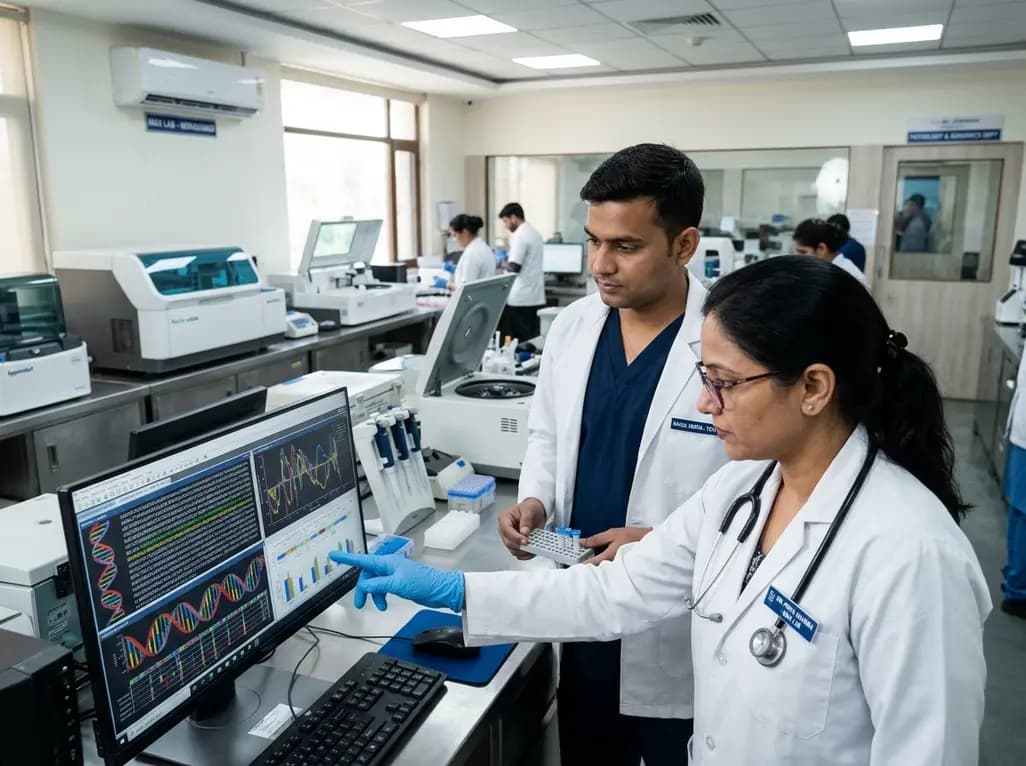
Max Lab recently expanded its clinical footprint by inaugurating a state-of-the-art laboratory in Moradabad, Uttar Pradesh. This strategic development significantly enhances access to advanced diagnostic services for clinicians and patients residing in regional healthcare hubs. Historically, healthcare providers in emerging cities faced substantial hurdles when requesting specialized molecular investigations. Therefore, this local diagnostic center represents a major leap forward for clinical decision-making. Max Healthcare continues to strengthen its diagnostic network across non-metropolitan regions to bridge longstanding geographic divides. Consequently, local physicians can now initiate targeted therapeutic regimens far more rapidly than before.
Tier II cities in India are undergoing a rapid medical transformation. Patients increasingly expect metropolitan standards of clinical care without traveling long distances. Consequently, healthcare providers require robust diagnostic infrastructure directly within their local communities. Max Lab addresses this urgent requirement by establishing a fully equipped laboratory in Moradabad. The facility provides a broad menu of pathology investigations. These services range from routine biochemical analyses to intricate molecular assessments.
Furthermore, commercial diagnostic expansion into regional cities alleviates substantial burdens on tertiary hospitals in major metros. When local laboratories deliver dependable data quickly, regional clinicians manage acute and chronic pathologies with heightened precision. For instance, timely metabolic panels and hematological profiles enable doctors to adjust critical medical therapies without delay. In addition, localized testing reduces personal financial strain for families who previously traveled to Delhi for basic evaluations. Therefore, expanding diagnostic capabilities into emerging urban areas directly elevates public health standards. As private healthcare networks scale their presence, secondary cities benefit from modern medical technologies. Ultimately, establishing dependable local testing sites creates a resilient healthcare ecosystem for millions of underserved citizens across northern India.
Modern oncology depends heavily on precision diagnostics to direct individualized systemic therapies. Previously, medical practitioners in Moradabad shipped tissue biopsies and blood specimens to central laboratories located hundreds of kilometers away. This logistical bottleneck prolonged turnaround times, creating anxiety for patients and delaying crucial therapeutic interventions. However, the introduction of on-site oncological diagnostics and specialized genomic panels completely transforms this paradigm. Clinicians can now evaluate tumor tissue biomarkers and genetic mutations with unprecedented speed.
Consequently, oncologists can promptly identify actionable genetic alterations like EGFR mutations, ALK translocations, or HER2 amplification. Early identification allows physicians to prescribe targeted therapies and immunotherapies rather than relying solely on generalized cytotoxic chemotherapy regimens. Moreover, advanced molecular testing provides vital prognostic insights that refine risk stratification for diverse malignancies. In addition, localized genomic capabilities support hereditary cancer screening programs. Such screening identifies at-risk family members before malignant symptoms manifest clinically. Therefore, providing modern molecular testing within regional cities directly improves survival rates and clinical outcomes. Local clinicians gain the scientific tools necessary to deliver evidence-based, personalized oncology care right in their native clinical practices.
In intensive care units and emergency departments, diagnostic delays directly jeopardize patient survival. Clinicians frequently encounter severe sepsis, acute coronary syndromes, and sudden metabolic decompensation where every hour counts. Therefore, rapid diagnostic turnaround times remain indispensable for modern critical care practice. In the past, secondary care facilities in western Uttar Pradesh relied heavily on external couriers for specialized blood parameters. Cold-chain transport failures and transit delays often compromised pre-analytical sample integrity.
Fortunately, modern local processing facilities effectively eliminate these hazardous transit variables. Localized testing ensures strict adherence to temperature-sensitive specimen handling protocols. Furthermore, emergency room physicians receive validated results for arterial blood gases, cardiac enzymes, and coagulation profiles in real time. Consequently, medical teams can adjust vasopressor support, initiate thrombolytic therapies, or correct electrolyte derangements immediately. In addition, rapid microbial culture identification and automated antimicrobial susceptibility testing streamline antibiotic stewardship. Doctors can de-escalate broad-spectrum empiric antimicrobials swiftly to prevent antimicrobial resistance. Thus, bringing comprehensive testing into regional hubs like Moradabad substantially improves acute resuscitation metrics and saves critical lives.
Diagnostic accuracy requires stringent quality management across all operational phases. Accredited laboratories must adhere strictly to international standards, including rigorous internal quality controls and external proficiency testing. Historically, fragmented standalone diagnostic centers in smaller cities operated with inconsistent calibration protocols. This lack of uniformity occasionally resulted in discordant test results that confused treating doctors. However, organized diagnostic chains introduce standardized analytical instrumentation and validated reference ranges into Tier II markets.
Max Lab implements uniform operating procedures across its entire network of laboratories. Therefore, clinicians in Moradabad can rely on analytical consistency comparable to flagship hospital laboratories in metropolitan hubs. Furthermore, automated analyzers minimize human error during specimen processing and pipetting. Digital pathology solutions also enable regional centers to share complex histopathology slides with expert subspecialists via high-resolution telepathology networks. Consequently, difficult biopsy specimens receive prompt multi-disciplinary reviews without necessitating patient physical travel. Moreover, robust electronic reporting systems deliver tamper-proof test findings directly to physicians and patients via secure digital portals. Accordingly, these standardized quality frameworks inspire immense clinical confidence and ensure uniform therapeutic decision-making across diverse medical disciplines.
India faces an escalating burden of non-communicable diseases, particularly type 2 diabetes, hypertension, and cardiovascular disorders. Semi-urban populations often experience late-stage complications due to irregular health screening and asymptomatic disease progression. Therefore, proactive preventive screening programs serve as the first line of defense against long-term organ damage. Readily accessible pathology laboratories encourage community members to undergo routine health checkups before severe complications develop.
In addition, longitudinal chronic disease management requires frequent monitoring of specific biomarkers. Diabetic patients require regular glycated hemoglobin assays, microalbuminuria assessments, and lipid fractionations to evaluate treatment efficacy. When dependable diagnostic centers exist nearby, patient compliance with monitoring schedules improves substantially. Moreover, primary care doctors can detect diabetic nephropathy or dyslipidemia early, initiating lifestyle modifications and organ-protective drugs. Similarly, routine thyroid function testing and liver panels allow physicians to optimize chronic medical management safely. Consequently, accessible diagnostic services diminish the downstream incidence of myocardial infarction, stroke, and end-stage renal disease. Ultimately, investing in local diagnostic infrastructure fortifies preventative medicine, curbs long-term healthcare expenditures, and fosters healthier regional communities.
Q1: What specialized diagnostic services does the new Moradabad laboratory offer?
The newly launched Moradabad laboratory provides a comprehensive diagnostic menu spanning routine biochemical evaluations and advanced specialty investigations. The facility is equipped to conduct complex molecular pathology, advanced genomics, and specialized oncology diagnostics alongside traditional hematology and microbiology. Consequently, local healthcare practitioners can evaluate complex malignancies and metabolic disorders locally, eliminating the need to send delicate clinical specimens to distant metropolitan reference centers.
Q2: How does expanding diagnostic laboratories into Tier II cities improve patient care?
Expanding diagnostic facilities into Tier II cities dramatically improves clinical outcomes by reducing sample transit times and accelerating therapeutic interventions. In addition, local laboratories minimize sample degradation during transit, ensuring high analytical accuracy. Patients benefit from convenient access to preventive screenings and specialized oncological testing without traveling to metropolitan cities. Therefore, regional physicians can diagnose acute and chronic illnesses early, enhancing clinical decision-making and decreasing personal medical expenses.
Q3: What is the current operational footprint of Max Lab across India?
Max Lab, the dedicated diagnostic services division of Max Healthcare, has established a vast national infrastructure to enhance healthcare accessibility. Currently, the organization operates across more than 60 cities in India, supported by an expansive network of over 1,700 patient touchpoints. Furthermore, this strategic expansion into Tier II cities like Moradabad strengthens the company's commitment to delivering standardized, high-quality pathology and molecular diagnostic testing beyond metropolitan healthcare markets.
Disclaimer: This content is for informational and educational purposes only. It does not constitute medical advice or replace professional judgment. Refer to the latest local and national guidelines for clinical practice.
References

Read summarized clinical updates, watch expert medical content, and earn CME certifications right from your smartphone.
Open your smartphone camera to scan and install.





Max Lab, the diagnostic arm of Max Healthcare, has established a specialized laboratory in Moradabad, Uttar Pradesh. The center delivers comprehensive diagnostic investigations, including molecular oncology and genomics, strengthening local healthcare infrastructure and improving turnaround times for regional clinicians.
Today
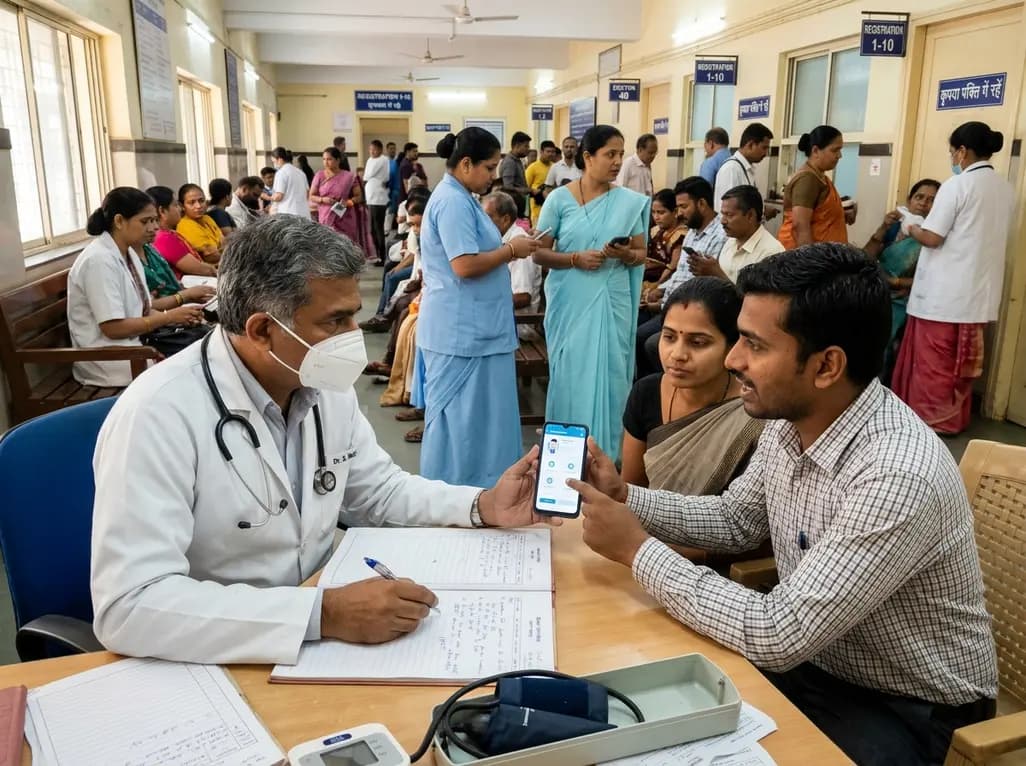
A recent Boston Consulting Group report shows 60 percent of Indian patients view digital sources as equivalent to doctor consultations. Clinicians must adapt to changing patient expectations regarding diagnostic clarity, price transparency, and rapid digital communication across clinical care pathways.
Today
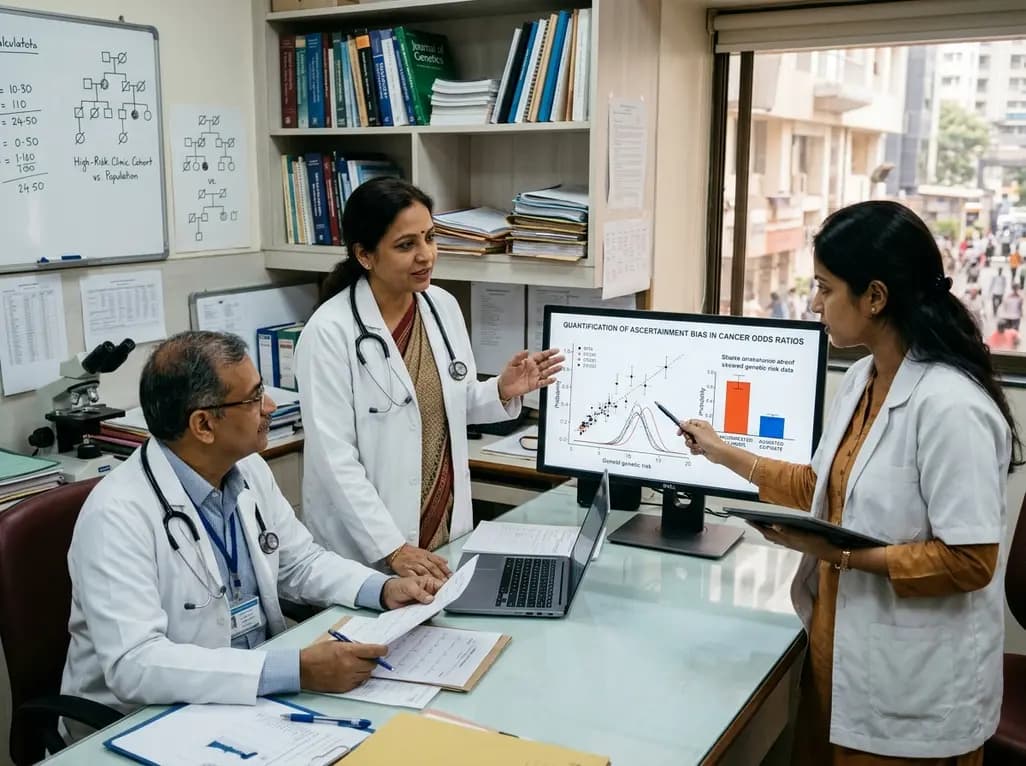
Ascertainment bias in cancer case-control studies inflates odds ratios and penetrance estimates when cases are drawn from high-risk clinics. A landmark modeling study demonstrates substantial bias ranging up to 23.72, highlighting the critical need for ascertainment adjustment in genetic risk counseling.
Today
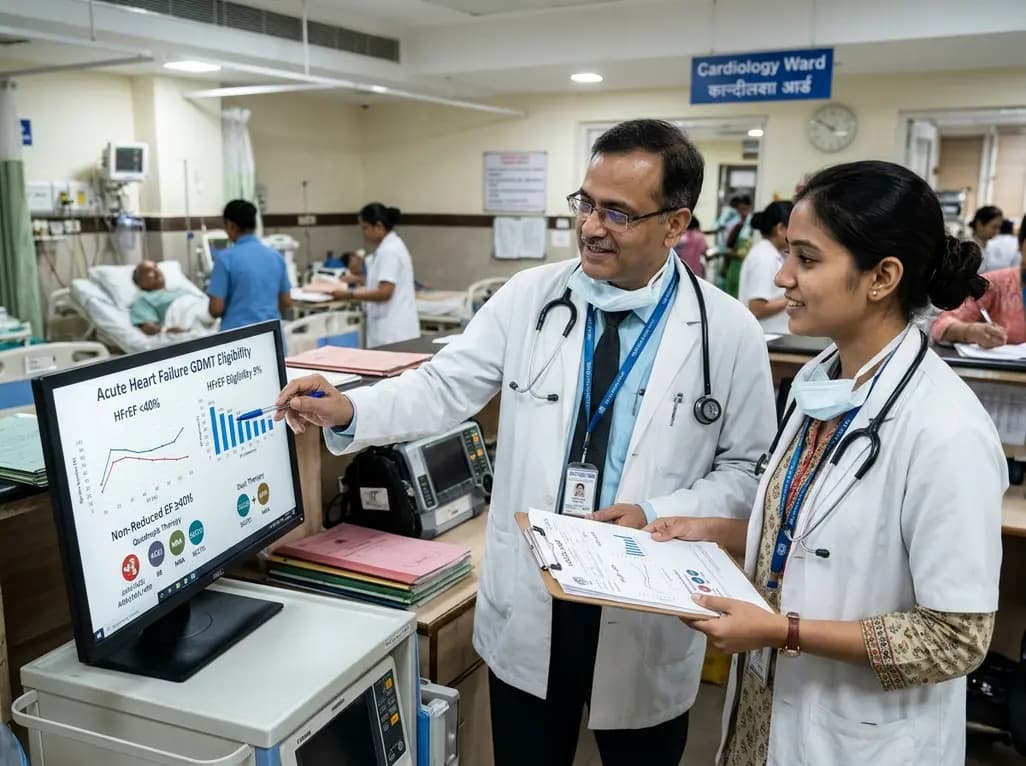
The VOCAL-AHF study reveals that most acute heart failure patients across reduced and non-reduced ejection fraction categories are eligible for in-hospital GDMT initiation. Notably, nearly two-thirds of HFrEF patients qualify for quadruple therapy, while non-reduced EF patients show high eligibility for dual therapy.
Today

A comprehensive scoping review synthesizes conservative and postsurgical carpal instability rehabilitation strategies, highlighting immobilization, targeted muscle recruitment, and proprioception to restore wrist stability.
Today
A novel fluorine-functionalized near-infrared copper fluorescent probe selectively illuminates lung tissue, revealing critical links between hyperglycemia, ER stress, and pulmonary malignancy for improved early diagnosis.
Today
