

Loading, please wait...
Loading, please wait...
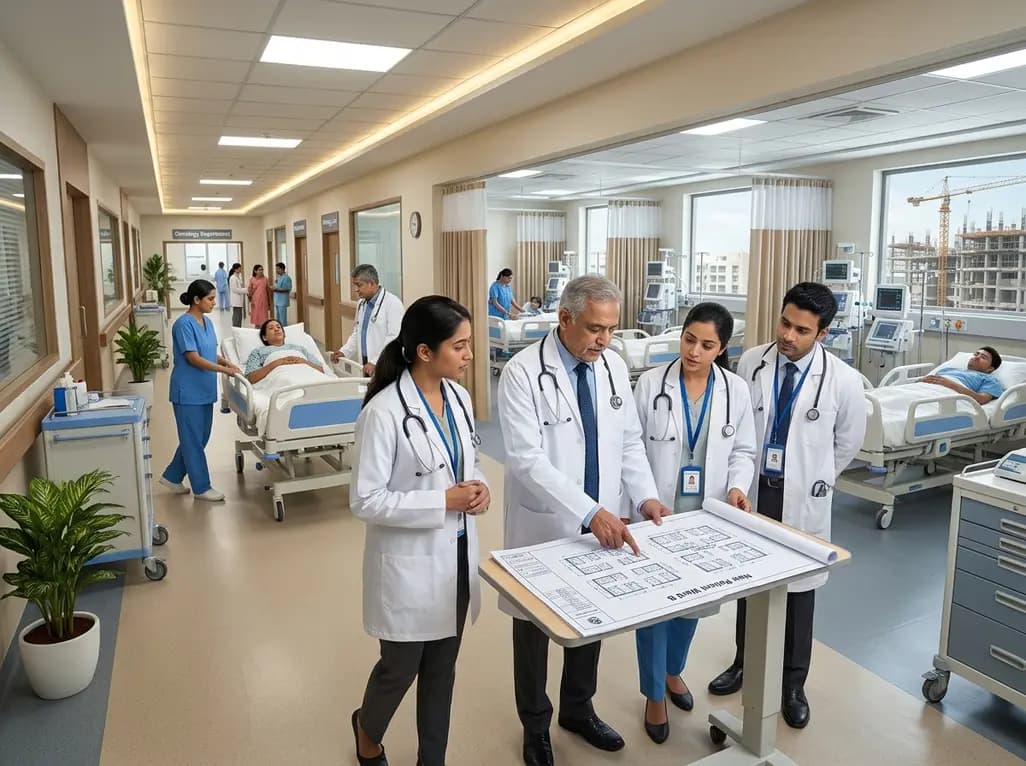
The Indian tertiary care landscape is undergoing a decisive shift toward high-volume clinical excellence. Recent operational updates from leading tertiary institutions highlight how rapid hospital capacity expansion addresses burgeoning patient volumes across key metropolitan regions. Max Healthcare Institute Limited reported a 20 percent year-on-year surge in gross revenue for the second quarter of FY27, reaching ₹3,219 crore. Network profit after tax reached ₹448 crore, reflecting 10 percent year-on-year growth. These clinical and financial achievements demonstrate rising footfalls, elevated bed utilization, and widening demand for complex interventional specialties across India.
Sustained institutional growth requires deliberate capacity management to meet critical community needs. By the end of September 2026, operational bed strength across the network expanded to 5,518 beds. This metric marks an absolute increase of 758 operational beds, representing 16 percent expansion year-on-year. Furthermore, overall bed occupancy remained elevated at 77 percent, demonstrating exceptional bed utilization. Occupied Bed Days increased by 13 percent compared to the prior-year period.
Consequently, clinicians observe shorter waiting times for elective interventions and faster emergency admissions. Average Revenue Per Occupied Bed reached ₹2.31 lakh during the quarter. This represents an 8 percent increase over the corresponding quarter of the previous fiscal year. In addition, total bed capacity reached 6,184 beds for the half-year ended September 2026. This reflects a cumulative 20 percent expansion across regional healthcare clusters. Therefore, strategic bed additions directly facilitate improved patient access for specialized acute therapies.
Brownfield augmentations offer rapid pathways for institutions to scale critical specialty services. Recently, the governing board sanctioned a dedicated capital expenditure outlay of ₹415 crore. This capital initiative targets 209 brownfield beds across high-demand tertiary care centers. Specifically, the development pipeline allocates 85 additional beds to Max Super Speciality Hospital in Noida. Similarly, planners allocated 60 new beds to the facility in Vaishali.
Meanwhile, BLK-Max Super Speciality Hospital will incorporate 64 additional inpatient beds alongside a dedicated multi-level parking tower. This civic infrastructure project actively resolves critical patient accessibility and visitor logistics. Beyond the National Capital Region, the provider increased its equity stake in Kalinga Hospital Limited to 66.34 percent. This strategic acquisition reinforces clinical reach within Bhubaneswar through a 250-bed tertiary facility. Thus, phased capital deployments steadily strengthen healthcare availability in emerging regional medical hubs.
Specialized oncology infrastructure demands modern architecture that seamlessly integrates surgery, chemotherapy, and radiation facilities. Consequently, the operationalization of the dedicated Oncology Block at MSSH Dwarka represents an important clinical milestone. This targeted expansion will enable the main medical facility to reach 318 licensed beds during the subsequent quarter. Clinicians can deliver multidisciplinary cancer care within an integrated clinical environment designed for complex oncological interventions.
Moreover, modern cancer facilities improve cross-specialty communication between surgical oncologists, medical oncologists, and diagnostic radiologists. High-acuity units reduce systemic delays in initiating curative regimens. In addition, centralized staging and supportive therapy suites optimize treatment pathways for immuno-compromised patients. Hospital leaders observe rapid occupancy ramp-ups in recently inaugurated clinical wings. As a result, new facilities quickly achieve stable patient loads, validating regional demand for comprehensive tertiary oncology programs.
Decentralized healthcare delivery models increasingly complement traditional tertiary inpatient centers. Max Lab, the non-captive pathology vertical, delivered ₹66 crore in gross revenue during the second quarter. This performance represents a 24 percent year-on-year increase and 15 percent sequential growth. Presently, the diagnostic network extends across more than 63 cities, processing over 2,700 distinct laboratory assays. This robust diagnostic footprint supports accurate outpatient triage and reliable follow-up monitoring.
Simultaneously, the home care division, Max@home, recorded a 37 percent year-on-year revenue surge to ₹86 crore. This growth reflects sustained patient demand for professional physiotherapy, specialized rehabilitation, home nursing, and direct medication delivery. Additionally, structured home health networks alleviate bed pressure within acute tertiary wards. Patients recovering from elective orthopedic or neurological interventions can safely transition home under supervised clinical care. Consequently, integrated home solutions allow acute tertiary facilities to prioritize critical emergency admissions.
Prudent capital allocation ensures sustainable clinical operational expansions without compromising financial stability. Free cash generated during the quarter stood at ₹500 crore, rising significantly from ₹291 crore recorded during Q2 FY26. From these internal accruals, management deployed ₹292 crore directly into ongoing infrastructure expansion plans. Furthermore, the company disbursed ₹195 crore toward shareholder dividends. Network cash from operations reached ₹897 crore during the six months ended September 2026.
Importantly, medical value travel continues to generate strong operational momentum across quaternary specialties. India maintains strong global cost competitiveness while offering international standards of medical care. Chairman Abhay Soi emphasized that growing international patient volumes reinforce India’s standing as a leading healthcare destination. Foreign patients actively seek complex cardiac reconstructions, advanced neurosurgery, and comprehensive cancer therapies. Therefore, sustained capital re-investment preserves clinical sophistication and supports cross-border healthcare delivery.
Q1: How does hospital capacity expansion influence bed occupancy rates?
Hospital capacity expansion increases total available beds while disciplined clinical triage maintains optimal bed occupancy. Providers report occupancy rates around 77 percent because latent community demand rapidly absorbs new beds. Expanded bed capacity prevents emergency room congestion and reduces waiting periods for major elective procedures.
Q2: Why are brownfield hospital expansions preferred over greenfield developments?
Brownfield expansions utilize existing hospital infrastructure, which substantially reduces regulatory approvals and construction timelines. Clinicians can leverage established operating theaters, intensive care units, and diagnostic laboratories. This operational synergy lowers incremental capital expenditure per bed and accelerates delivery of acute clinical services.
Q3: How do specialized home care verticals support tertiary hospital workflows?
Home healthcare services provide supervised nursing, post-surgical physical rehabilitation, and routine phlebotomy in domestic environments. By managing subacute recovery and chronic therapy at home, hospitals discharge stable patients earlier. Consequently, this transitions bed availability toward high-acuity emergency cases and complex surgical admissions.
Disclaimer: This content is for informational and educational purposes only. It does not constitute medical advice or replace professional judgment. Refer to the latest local and national guidelines for clinical practice.
References

Read summarized clinical updates, watch expert medical content, and earn CME certifications right from your smartphone.
Open your smartphone camera to scan and install.





Max Healthcare posted a 20 percent year-on-year revenue rise to ₹3,219 crore in Q2 FY27, backed by 77 percent bed occupancy. Discover how strategic investments in oncology, pathology, and brownfield beds reflect broader clinical infrastructure dynamics and growing healthcare demand across India.
Today
The deadliest Bundibugyo Ebola virus epidemic has crossed 5,000 fatalities in DR Congo, extending across borders. Discover vital clinical guidance for healthcare providers on pathogen features, differential diagnosis, infection prevention, supportive management, and surveillance protocols for returned travelers.
Today
A prospective study reveals significant first-trimester trace-element alterations in pregnant women with epilepsy. Lower serum selenium independently predicted subsequent seizure recurrence despite prior remission, highlighting the vital clinical role of micronutrient profiling during antenatal care.
Today
A 15-year-old patient presented with knee arthralgia and acute rheumatic fever, exhibiting complex arrhythmias including AV blocks and non-sustained ventricular tachycardia despite lacking severe valvulitis. This highlights the importance of extended Holter monitoring in pediatric rheumatic carditis.
Today
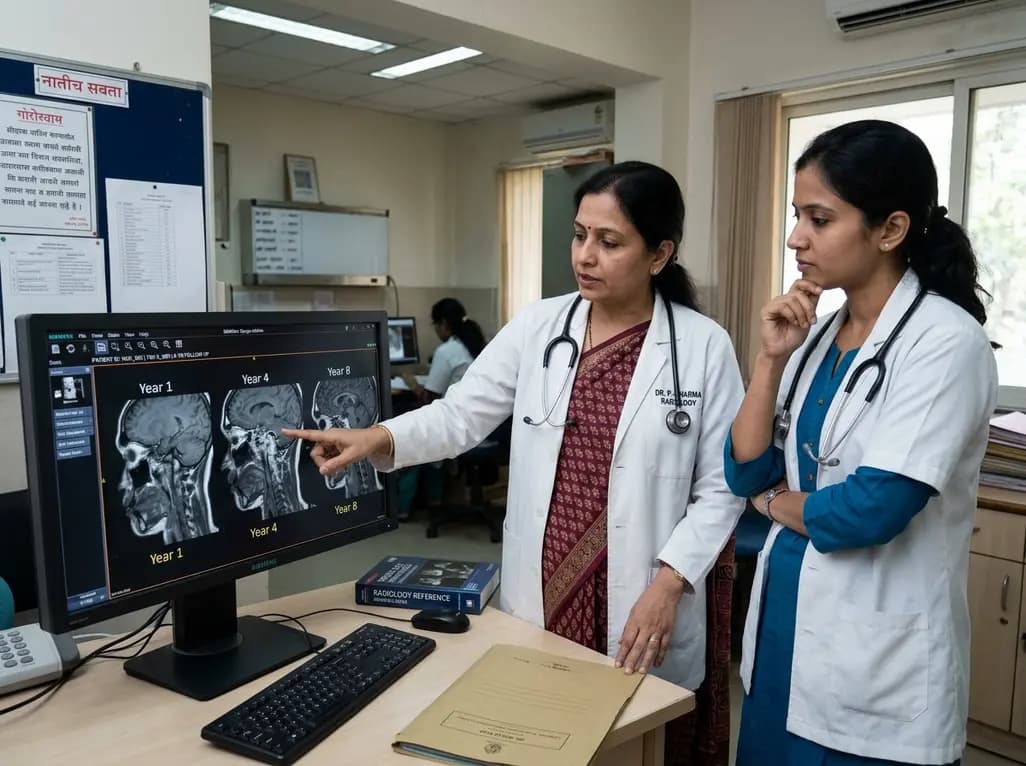
An eight-year longitudinal imaging follow-up reveals severe temporomandibular joint remodeling in nodulosis-arthropathy-osteolysis (NAO) syndrome. Despite extensive osseous destruction, the patient maintained functional jaw opening without TMJ interventions, highlighting the role of conservative management.
Today
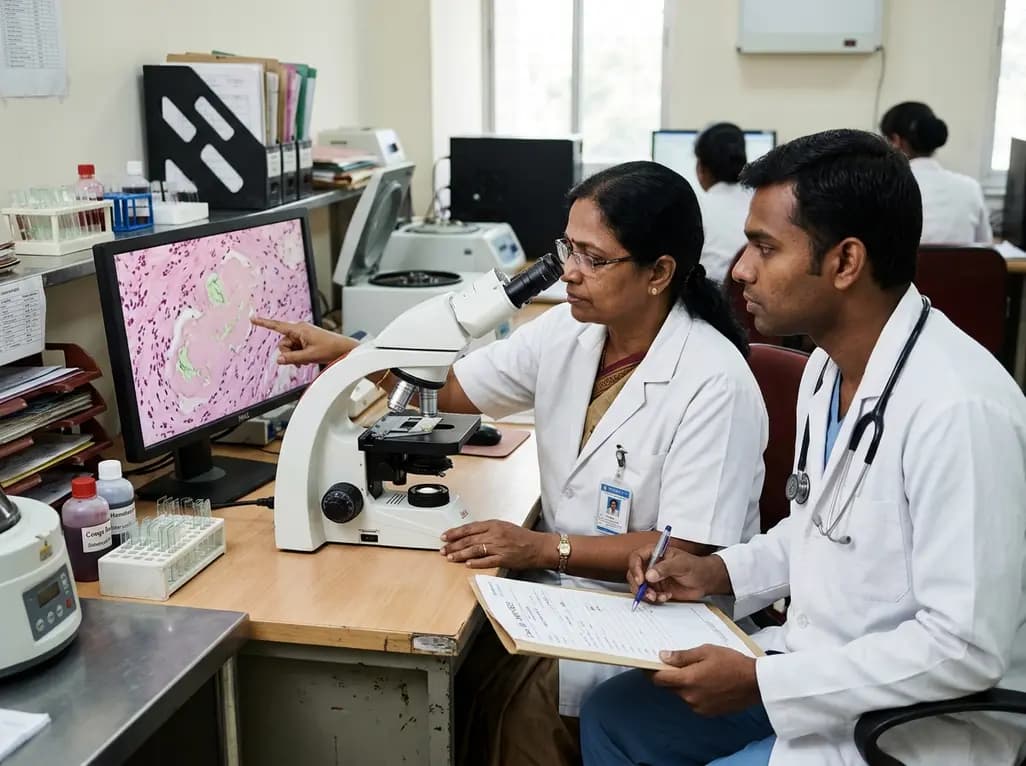
Discover essential clinical insights into AGLP1-type amyloidosis, a rare localized complication of glucagon-like peptide-1 analog injections. Learn how histopathology and mass spectrometry differentiate benign iatrogenic amyloidomas from systemic disease, preventing misdiagnosis and unwarranted therapies.
Today
