.webp&w=384&q=75)

Loading, please wait...
Loading, please wait...

The Max Healthcare expansion project is set to transform the Indian healthcare landscape. Chairman Abhay Soi recently outlined a bold vision to scale capacity to 10,000 beds within the next three to four years. This strategic growth aims to serve the needs of aspirational India while simultaneously boosting global medical tourism. Consequently, the organization is focusing on high-acuity care across its expanding network.
The company plans to invest between Rs 4,000 crore and Rs 5,000 crore to achieve its bed capacity targets. These funds will come entirely from internal accruals rather than external debt. Currently, the network is adding 3,700 beds across several key Indian locations. For instance, a new 400-bed tower has already opened at the Max Smart Super Speciality Hospital in Saket. Additionally, new facilities are emerging in Mumbai and Mohali to enhance regional access. Furthermore, a 500-bed unit in Gurgaon is expected to open within the next seven months.
India is positioning itself as a premier destination for international patients. Therefore, Max Healthcare is integrating state-of-the-art infrastructure with top-tier clinical talent. The newly inaugurated Saket tower features over 120 critical care beds and advanced robotic surgery units. Because patients from 145 countries already seek treatment here, the medical tourism segment is growing at 25% annually. Moreover, these upgrades allow the hospital to compete with international hubs in Thailand and Turkey. This ensures that patients receive world-class care in disciplines like oncology, cardiology, and neurosciences.
Q1: What is the primary target for the Max Healthcare expansion?
The group aims to reach a total capacity of 10,000 beds over the next three to four years to support domestic demand and medical tourism.
Q2: How much is the company investing in this new phase?
Max Healthcare plans to invest approximately Rs 4,000 crore to Rs 5,000 crore, funded entirely through internal cash flows.
Q3: Which major cities are seeing immediate bed additions?
Expansion is currently focused on Saket (New Delhi), Mumbai, Mohali, and Gurgaon.
Disclaimer: This content is for informational and educational purposes only. It does not constitute medical advice or replace professional judgment. Refer to the latest local and national guidelines for clinical practice.
References

Read summarized clinical updates, watch expert medical content, and earn CME certifications right from your smartphone.
Open your smartphone camera to scan and install.





Max Healthcare is investing up to Rs 5,000 crore to expand to 10,000 beds, focusing on "aspirational India" and the growing medical tourism sector by 2028....
6 months ago
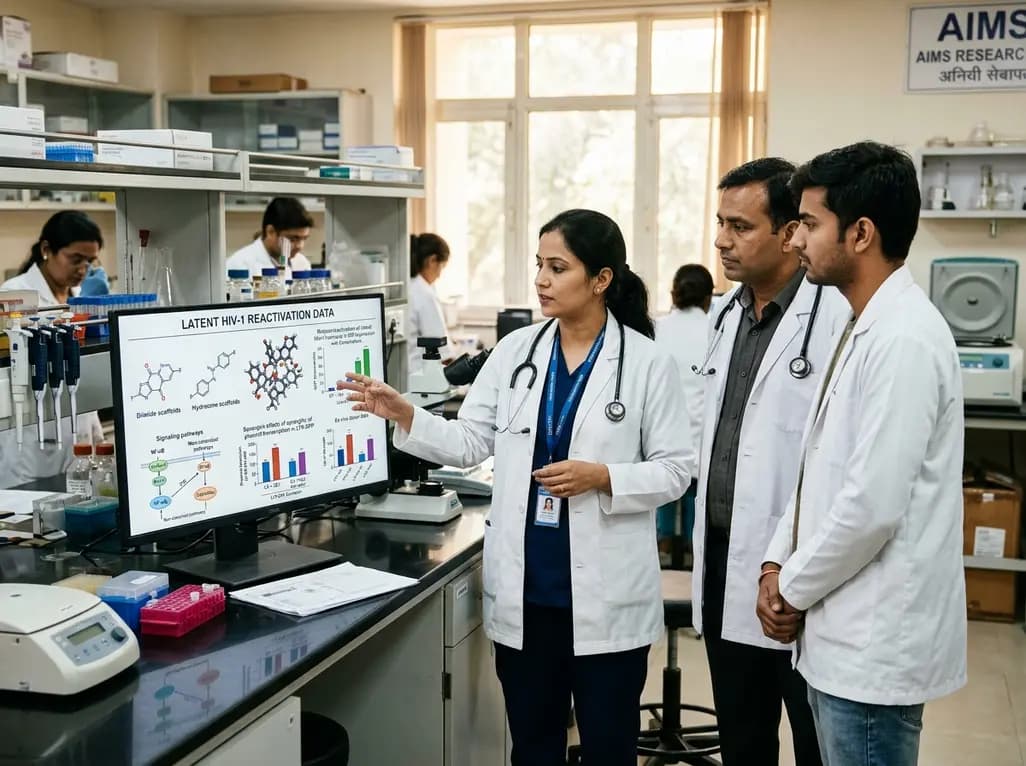
Novel diimide and hydrazone scaffolds, particularly compound #C4, synergistically reactivate latent HIV-1 when combined with JQ1 or PKC activators. Demonstrating donor-matched proviral transcription ex vivo and non-canonical signaling, these findings advance shock and kill strategies toward reservoir eradication.
Today
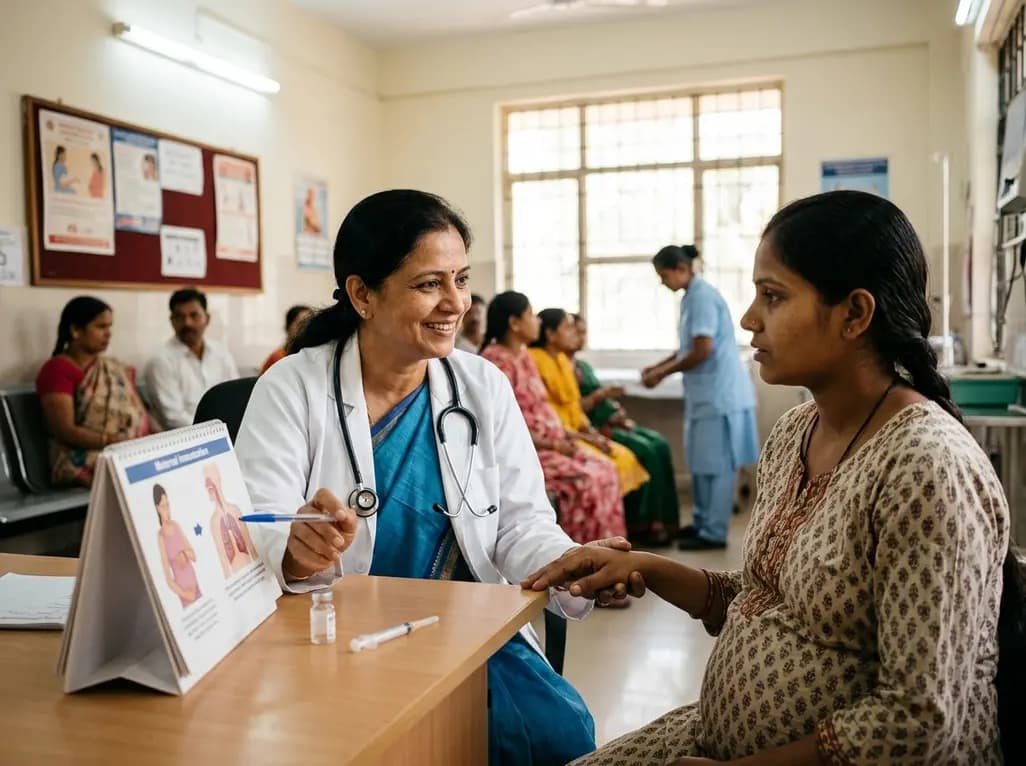
A cross-sectional study reveals that maternal RSV vaccination coverage reached only 43.7% in Argentina, with maternal vaccine knowledge being the sole independent predictor of uptake. Clinicians play a crucial role in eliminating informational and structural barriers to optimize infant health.
Today

Review how tailored exercise programs benefit frail older patients with heart failure. Explore pathophysiological mechanisms, individualized training prescriptions, and strategies to overcome adherence barriers in clinical practice.
Yesterday

This comparative study evaluates posterior labral tears with and without glenohumeral instability, highlighting distinct demographic patterns, MRI underestimation in stable shoulders, and successful arthroscopic repair outcomes.
Yesterday

A clinical study demonstrates that early intervention with tocilizumab, either as monotherapy or bridged with corticosteroids, achieves significant proptosis reduction and resolves active inflammation in treatment-naive thyroid eye disease.
Yesterday
