.webp&w=384&q=75)

Loading, please wait...
Loading, please wait...
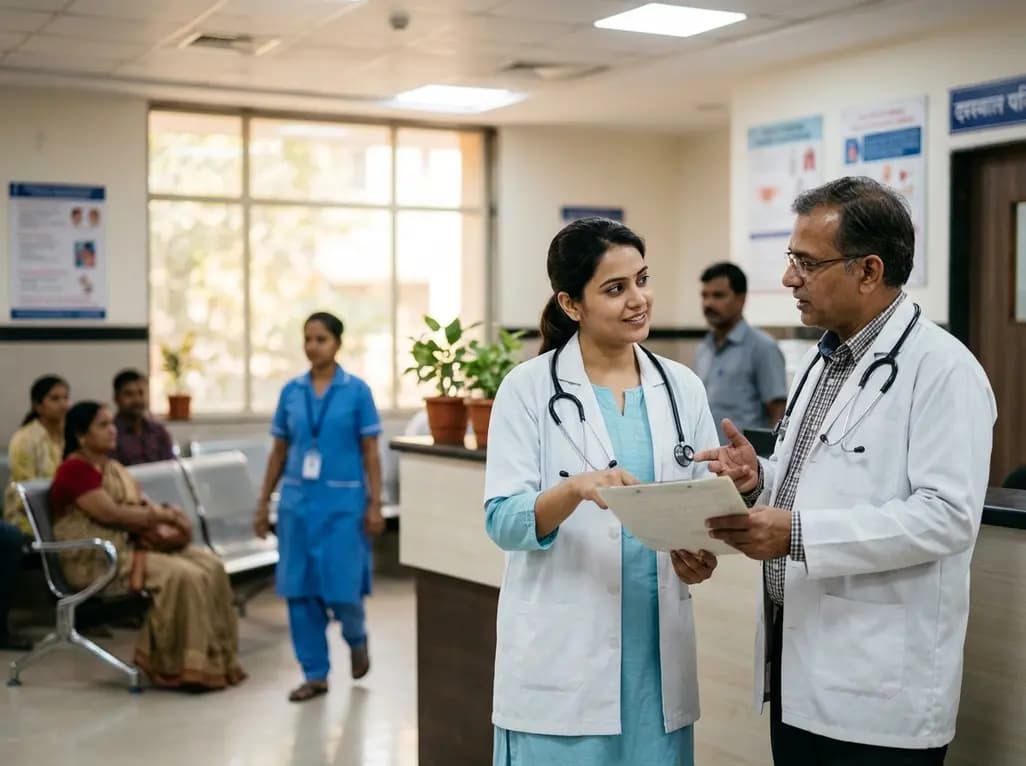
Maternal health has traditionally focused on clinical parameters such as obstetric complications and neonatal outcomes. However, modern research increasingly highlights that maternal mental health interventions must address broader social determinants to be truly effective. The Moms Moving Forward (MMF) initiative represents an innovative approach to this challenge. By utilizing a 12-month, cohort-based model, the program specifically targets unmarried mothers living in economically disadvantaged areas. This approach recognizes that emotional well-being and economic health are not separate silos but are deeply interconnected. Consequently, the study focuses on how holistic support can mitigate the chronic stress associated with poverty. Through personalized coaching and sisterhood-building activities, MMF aims to foster resilience among participants. Furthermore, the feasibility of this trial suggests that community-centered models can successfully integrate mental health support with financial empowerment. In India, where maternal mental health often goes undiagnosed due to stigma and resource constraints, such multi-faceted models provide a critical roadmap. Therefore, clinicians must look beyond the immediate medical needs of mothers and consider the structural factors influencing their long-term recovery. By prioritizing comprehensive support systems, health providers can improve both maternal and child outcomes significantly. This study underscores the potential for place-based initiatives to transform the delivery of maternal care in resource-limited settings.
There is a robust body of evidence suggesting that financial distress is a primary driver of anxiety and depression among mothers. In the MMF trial, participants demonstrated marked improvements in credit scores and wages, which directly correlated with reductions in psychological distress. These findings are particularly relevant because they highlight that maternal mental health interventions are most successful when they alleviate the underlying causes of stress. For instance, an unmarried mother who gains financial literacy and improves her earning potential is less likely to experience the debilitating effects of chronic financial insecurity. Moreover, the study utilized self-report measures for anxiety and stress, showing that as financial indicators improved, mental health scores followed a positive trajectory. In addition, the participants reported high levels of program acceptability, suggesting that mothers value interventions that respect their complex life realities. Transitioning from a state of survival to one of flourishing requires more than just clinical counseling; it requires tangible tools for economic advancement. Similarly, Indian healthcare providers often encounter patients whose mental health issues are exacerbated by domestic and economic pressures. By acknowledging the impact of financial health on clinical presentation, doctors can offer more holistic advice and refer patients to appropriate community resources. Ultimately, financial stability serves as a foundational pillar for sustainable mental health recovery in maternal populations.
A unique aspect of the MMF program is its use of the EMPath Bridge to Self-Sufficiency® to measure holistic progress. This tool allows participants to self-determine their scores alongside their life coaches, fostering a sense of agency and empowerment. Rather than being passive recipients of care, mothers become active participants in their own journey toward stability. The Bridge domains encompass various aspects of life, including family stability, well-being, financial management, and education. Results from the feasibility trial indicated advancement across all these domains, providing a comprehensive picture of participant improvement. Furthermore, this structured approach helps quantify outcomes that are often considered qualitative in nature. For example, improvements in "sisterhood-building" activities contributed to a stronger sense of community, which is vital for mental health. In the context of maternal mental health interventions, using holistic indicators like the Bridge can help clinicians track progress beyond symptom reduction. Furthermore, such tools help in identifying specific areas where a mother might need additional support, such as housing or vocational training. By adopting similar multidimensional tracking tools, maternal health programs in India could better tailor their interventions to the specific needs of diverse populations. Consequently, the Missions Moving Forward model demonstrates that structured, collaborative goal-setting is an essential component of effective community-based care.
While the MMF study was conducted in a specific urban setting, its findings resonate deeply with the challenges faced by mothers in India. Research into Indian maternal mental health shows that lower socioeconomic status and lack of social support are significant predictors of perinatal depression. In many rural and semi-urban Indian communities, unmarried or marginalized mothers face intense social stigma, which further compounds their psychological burden. Therefore, maternal mental health interventions that are place-based and community-centered are particularly suitable for the Indian landscape. By integrating support services into existing community structures, such as Anganwadi centers or local NGOs, health systems can reach mothers who might otherwise remain invisible. Moreover, the emphasis on spirituality and community in the MMF model aligns with cultural values often found in Indian society. In addition, the success of the MMF cohort-based model suggests that peer support can be a powerful tool for overcoming isolation. Addressing the social determinants of health is not just a policy goal but a clinical necessity for improving maternal outcomes across India. Consequently, adapting these innovative coaching models to local contexts could help bridge the gap between clinical care and community reality. By focusing on both the mind and the wallet, interventions can provide the comprehensive support necessary for Indian mothers to thrive.
Implementing a program like MMF requires a departure from the traditional medical model toward a more collaborative, multi-sectoral approach. One of the key success factors in the trial was the use of targeted workshops conducted with local partners. These partnerships ensure that the intervention is grounded in the local reality and has access to necessary resources, such as job training and legal aid. For clinicians, this means recognizing that they are part of a larger ecosystem of care. Furthermore, the role of the life coach in the MMF model is crucial, as they provide personalized guidance that a standard clinical visit cannot offer. These coaches help mothers navigate the complexities of life while providing emotional support and accountability. In India, similar roles could be played by trained community health workers or social workers who understand the local socio-cultural dynamics. In addition, the 12-month duration of the program allows for sustained growth rather than short-term relief. This longevity is essential for building trust and ensuring that the life skills learned are internalized. Therefore, future maternal mental health interventions should prioritize longer-duration support over brief, sporadic contacts. By investing in the infrastructure required for such programs, health authorities can create a more resilient safety net for the most vulnerable families.
The positive findings from the MMF feasibility trial pave the way for more rigorous, large-scale efficacy studies. Scaling such models requires careful consideration of resource allocation and training for personnel. However, the potential return on investment is significant, as improved maternal health directly impacts child development and family stability. Furthermore, digital tools and telehealth could potentially be used to augment place-based interventions, making them more accessible to mothers in remote areas. In India, where the digital divide is rapidly closing, hybrid models that combine in-person coaching with digital support could be highly effective. Moreover, policymakers must recognize that maternal mental health interventions are an investment in the nation's future human capital. By reducing the prevalence of depression and anxiety among mothers, we can reduce the intergenerational transmission of trauma and poverty. Consequently, there is a clear need for increased funding and institutional support for holistic maternal care initiatives. Clinicians should advocate for these models as part of standard maternal healthcare packages. In conclusion, the MMF study provides a compelling case for the power of coaching and community in transforming the lives of under-resourced mothers. As we move forward, the focus must remain on creating inclusive, empowering, and sustainable systems of care that allow every mother the opportunity to flourish.
Traditional psychological counseling primarily focuses on symptom management through therapeutic techniques like CBT. In contrast, holistic maternal mental health interventions, such as the MMF model, address the socio-economic drivers of distress. They integrate mental health support with financial coaching, vocational training, and community-building. This comprehensive approach recognizes that clinical symptoms are often exacerbated by external pressures like housing instability or debt. By solving these practical problems alongside emotional ones, holistic models achieve more sustainable long-term outcomes.
Financial literacy is critical because economic insecurity is a major source of chronic stress for mothers, particularly those in single-parent households. Stress related to debt and low wages often triggers or worsens anxiety and depression. By teaching mothers how to manage finances, improve credit scores, and increase their earning potential, these programs provide them with a sense of control over their lives. This empowerment significantly reduces psychological distress and enhances overall family stability and well-being.
Community and "sisterhood-building" activities are vital because they combat the social isolation often experienced by unmarried or economically disadvantaged mothers. Group-based models allow participants to share experiences, offer mutual support, and build social capital. This sense of belonging is a powerful buffer against stress. In the MMF program, these activities strengthened participants' emotional resilience and program engagement. For mothers, knowing they are part of a supportive network is often as important as the practical skills they acquire.
Disclaimer: This content is for informational and educational purposes only. It does not constitute professional medical advice, diagnosis, or treatment. Always seek the advice of your physician or other qualified health provider with any questions you may have regarding a medical condition. Refer to the latest local and national guidelines for clinical practice.
References
Langhinrichsen-Rohling J et al. Helping financially under-resourced unmarried mothers move forward and flourish: Feasibility findings from an innovative coaching-centered place-based initiative. Am J Community Psychol. 2026 Jun 29. doi: 10.1002/ajcp.70087. PMID: 42371683.
SPRF India. Maternal Mental Health: A Priority Addition in Maternal Healthcare. March 2025.
Frontiers in Public Health. SMARThealth PRegnancy And Mental Health study: protocol for a situational analysis of perinatal mental health in women living in rural India. 2024.

Read summarized clinical updates, watch expert medical content, and earn CME certifications right from your smartphone.
Open your smartphone camera to scan and install.





A feasibility trial of the Moms Moving Forward (MMF) program demonstrates that holistic, coach-led interventions significantly improve credit scores, wages, and mental health outcomes for unmarried mothers. This model offers a scalable template for addressing social determinants of health in maternal care.
3 months ago

Novel diimide and hydrazone scaffolds, particularly compound #C4, synergistically reactivate latent HIV-1 when combined with JQ1 or PKC activators. Demonstrating donor-matched proviral transcription ex vivo and non-canonical signaling, these findings advance shock and kill strategies toward reservoir eradication.
Today

A cross-sectional study reveals that maternal RSV vaccination coverage reached only 43.7% in Argentina, with maternal vaccine knowledge being the sole independent predictor of uptake. Clinicians play a crucial role in eliminating informational and structural barriers to optimize infant health.
Today

Review how tailored exercise programs benefit frail older patients with heart failure. Explore pathophysiological mechanisms, individualized training prescriptions, and strategies to overcome adherence barriers in clinical practice.
Yesterday

This comparative study evaluates posterior labral tears with and without glenohumeral instability, highlighting distinct demographic patterns, MRI underestimation in stable shoulders, and successful arthroscopic repair outcomes.
Yesterday

A clinical study demonstrates that early intervention with tocilizumab, either as monotherapy or bridged with corticosteroids, achieves significant proptosis reduction and resolves active inflammation in treatment-naive thyroid eye disease.
Today
