

Loading, please wait...
Loading, please wait...

Clinical management of women with epilepsy during pregnancy requires balancing maternal seizure control against potential fetal harms. Clinicians often question whether adverse cognitive outcomes arise from maternal epilepsy itself or from pharmacotherapy. Investigating prenatal antiseizure medication exposure remains essential for guiding safe reproductive decisions. A massive population-based cohort study from Wales now clarifies these complex relationships. By analyzing real-world health and education records, researchers evaluated how maternal disease and drug therapies shape long-term developmental milestones in offspring.
Historically, clinicians suspected that pharmacological agents caused most cognitive deficits observed in offspring born to women with epilepsy. However, methodological challenges frequently blurred the boundary between drug teratogenicity and the underlying pathology of maternal seizures. The Welsh population-based cohort study investigated 179,024 liveborn children delivered between 2009 and 2016 through the Secure Anonymised Information Linkage Databank. Among this expansive cohort, 1,725 children experienced maternal epilepsy or in utero antiseizure drug exposure.
Furthermore, investigators linked healthcare datasets directly to national school census registries and longitudinal primary care records. They followed children up to thirteen years of age to document diagnoses of special educational needs, attention-deficit/hyperactivity disorder, and autism spectrum disorder. Additionally, the team categorized pharmaceutical agents according to the British National Formulary classification and evaluated individual drug regimens across distinct trimesters. Consequently, this robust linkage enabled researchers to compare outcomes between treated maternal epilepsy, untreated maternal epilepsy, and unexposed controls. Therefore, the investigative design offered unprecedented clarity regarding confounding by maternal disease severity versus genuine drug-induced toxicity.
A pivotal question in perinatal neurology is whether the maternal seizure disorder itself drives educational delays. Remarkably, the Welsh cohort study demonstrated that all-cause special educational needs were elevated in both treated and untreated maternal epilepsy. Specifically, children born to mothers with untreated epilepsy exhibited a 58% increased risk of requiring educational support compared to unexposed peers. Similarly, children born to mothers with treated epilepsy displayed a 63% higher odds of educational interventions.
Moreover, researchers observed this non-specific pattern across all three British National Formulary drug categories. Children showed comparable elevations in risk for learning difficulties, expressive communication problems, and emotional challenges regardless of specific drug classification. In addition, maternal epilepsy alone demonstrated a significant association with attention-deficit/hyperactivity disorder, yielding a hazard ratio of 1.49. In contrast, prenatal drug exposure without maternal epilepsy showed no independent association with attention deficits. Thus, these compelling data strongly indicate that the maternal condition, shared genetic liability, and sociodemographic confounders drive many broad educational vulnerabilities rather than antiseizure medications alone. Consequently, attributing every childhood learning hurdle exclusively to drug toxicity oversimplifies a complex multifactorial process.
The investigation explored granular educational outcomes beyond generalized learning metrics. Specifically, researchers tracked documented speech and language impairments, sensory deficits, physical challenges, and behavioral disruptions in primary classrooms. Children born to mothers with epilepsy experienced higher rates of speech pathology, fine motor difficulties, and emotional difficulties across childhood. However, these academic hurdles remained surprisingly consistent across different drug categories and seizure etiologies.
Furthermore, these findings emphasize that neurodevelopmental vulnerability extends beyond early anatomical anomalies into complex executive functions. Therefore, educators and clinicians must recognize that subtle cognitive difficulties can emerge years after uneventful deliveries. When children enter formal schooling, executive dysfunction, processing speed delays, and language delays often become noticeable. Because untreated maternal epilepsy conferred risks indistinguishable from treated cohorts, stopping essential antiepileptic therapy out of fear may not protect scholastic achievement. Consequently, maintaining optimal maternal brain health and preventing maternal hypoxia during pregnancy remains vital for long-term childhood neurodevelopment. Adequate maternal seizure control ultimately preserves both placental perfusion and fetal cerebral oxygenation during critical developmental windows. In addition, interdisciplinary school support services must identify these learning challenges early to implement customized remedial programs.
While broad educational deficits showed non-specific links to maternal epilepsy, autism spectrum disorder displayed a distinct pharmacological relationship. Specifically, in utero exposure to sodium valproate was associated with a more than threefold increase in autism spectrum disorder diagnoses. This striking finding aligns directly with global regulatory warnings restricting valproate prescribing in females of reproductive age.
In addition, recent international cohorts reinforce that valproate possesses distinct dose-dependent neurotoxic and teratogenic properties. Valproate disrupts crucial histone deacetylase pathways, impairing embryonic neural tube formation, neuronal migration, and synaptogenesis. Meanwhile, other common antiseizure medications, such as levetiracetam and lamotrigine, did not demonstrate comparable neurodevelopmental risks in contemporary registry analyses. Nevertheless, valproate remains occasionally necessary for severe generalized genetic epilepsies refractory to safer alternatives. When clinical teams identify valproate as indispensable, they must prescribe the lowest effective dose while implementing strict pre-pregnancy counseling. Thus, clear differentiation between valproate and safer alternatives protects fetal outcomes without compromising maternal safety. Clinicians must ensure that regulatory alerts translate into daily prescribing vigilance across all outpatient settings.
Effective clinical management begins long before conception occurs. Neurologists and obstetricians should evaluate women of childbearing age at every routine clinical encounter. First, clinicians must optimize seizure control using monotherapy at the lowest effective therapeutic dosage whenever feasible. Second, providers should favor agents with proven fetal safety records, particularly levetiracetam and lamotrigine, while avoiding sodium valproate.
Furthermore, clinicians should initiate high-dose periconceptional folic acid supplementation at least three months prior to planned conception. During gestation, physiological changes alter drug clearance, frequently reducing serum concentrations of lamotrigine and levetiracetam. Therefore, regular therapeutic drug monitoring throughout pregnancy ensures seizure stability and prevents breakthrough convulsions. Furthermore, abrupt discontinuation of medication poses catastrophic risks, including status epilepticus, maternal hypoxia, and fetal demise. Consequently, shared decision-making and multidisciplinary collaboration between neurologists, obstetricians, and pediatricians establish the safest foundation for maternal and neonatal well-being. Regular antenatal fetal ultrasonography also provides timely reassurance regarding structural integrity. Moreover, post-delivery counseling should address lactation safety and postpartum sleep hygiene to minimize seizure triggers in new mothers.
In India, managing epilepsy during pregnancy involves unique clinical and socioeconomic challenges. Many patients discontinue antiseizure medications abruptly upon discovering pregnancy due to intense fear of birth defects. However, unmonitored drug cessation exposes both mother and fetus to life-threatening generalized tonic-clonic convulsions. Medical practitioners across primary care and tertiary hospitals must reassure expectant mothers that uncontrolled seizures cause severe hypoxia and trauma.
Additionally, healthcare providers in India must strengthen educational outreach regarding valproate restrictions in young women. Because unplanned pregnancies remain common, choosing pregnancy-safe antiepileptic drugs during initial epilepsy diagnosis prevents accidental first-trimester embryopathy. Furthermore, Indian clinicians should incorporate structured neurodevelopmental surveillance into routine pediatric immunization visits for children born to mothers with epilepsy. Early identification of communication delays and learning difficulties enables prompt referral to district early intervention centers. Through proactive counseling, affordable therapeutic drug monitoring, and coordinated care, healthcare systems can ensure excellent reproductive outcomes for women living with epilepsy. Finally, community-level destigmatization of epilepsy remains crucial to ensure adherence and optimal maternal health.
Yes, children born to mothers with untreated epilepsy exhibit a 58% higher risk of requiring special educational support. This important finding indicates that underlying genetic factors, maternal seizure severity, and socioeconomic variables substantially influence neurodevelopmental and academic outcomes independently of prenatal antiseizure medication exposure.
Sodium valproate carries the highest documented risk, showing a more than threefold increase in childhood autism spectrum disorder diagnoses. Consequently, international guidelines strictly advise avoiding valproate in individuals of childbearing potential unless all alternative treatment options have completely failed to control seizures.
No, women should never stop antiseizure medications abruptly. Sudden discontinuation substantially increases the risk of breakthrough tonic-clonic seizures, status epilepticus, and fetal hypoxia. Instead, patients must consult their neurologist to transition to safer monotherapy options, like lamotrigine or levetiracetam, before attempting conception.
Disclaimer: This content is for informational and educational purposes only... Refer to the latest local and national guidelines for clinical practice.
References

Read summarized clinical updates, watch expert medical content, and earn CME certifications right from your smartphone.
Open your smartphone camera to scan and install.





A Welsh population cohort study reveals that both treated and untreated maternal epilepsy increase the risk of special education needs and ADHD, while sodium valproate is uniquely tied to autism spectrum disorder. The findings highlight the importance of maternal disease control and safe prescribing in pregnancy.
Today

A validation study evaluates the consumer-grade InBody Dial H30 bioelectrical impedance device against a 3-compartment criterion in recreationally active adults, revealing a slight overestimation in body fat percentage and underestimation in fat-free mass alongside notable individual limits of agreement.
Today

A nationwide survey reveals substantial knowledge gaps among general practitioners regarding fetal pathology and autopsy. Enhanced training and interdisciplinary communication are vital to guide stillbirth evaluation, clarify autopsy consent, and improve preconception counseling for bereaved parents.
Today
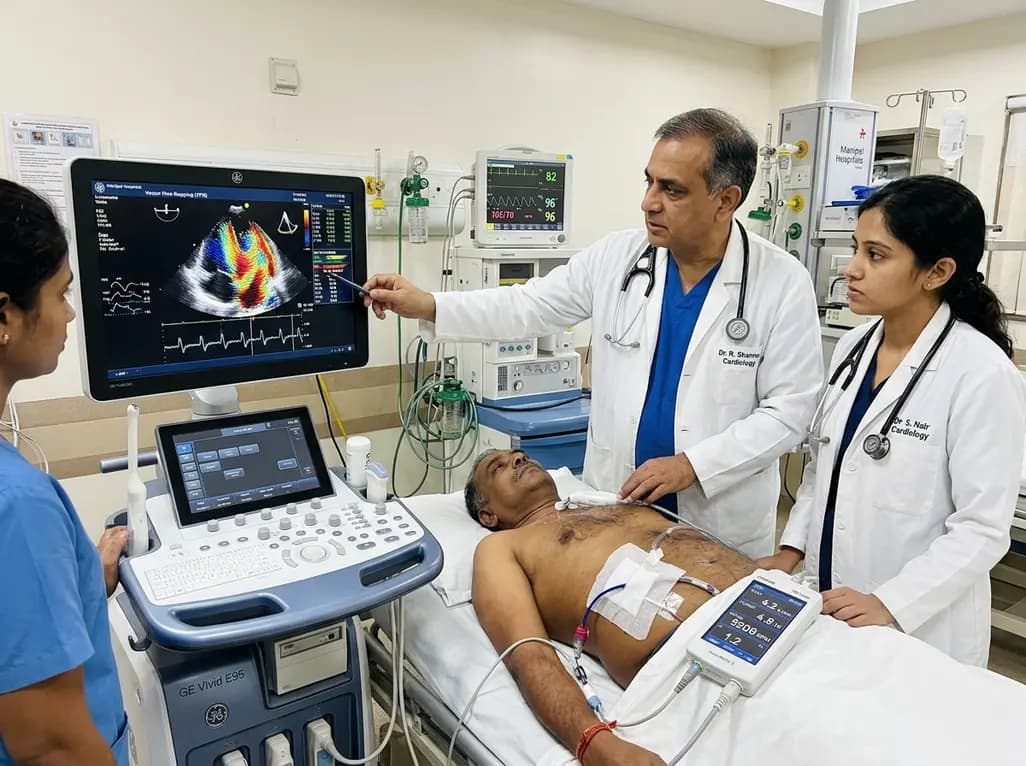
A pilot study shows that transesophageal echocardiography with vector flow mapping measures intraventricular energy loss in HeartMate 3 LVAD recipients. Energy loss significantly correlates with controller-displayed pump flow, offering clinicians deeper insights into ventricular unloading and intracardiac fluid mechanics.
Today

A comparative study demonstrates that simple and complex labral tears achieve comparable functional outcomes and low recurrence rates following arthroscopic stabilization for anterior shoulder instability, despite differing clinical presentations and dislocation histories.
Today

A nationwide analysis shows that inpatient lifestyle counseling for type 2 diabetes remains remarkably underutilized despite modest gains. Clinicians must bridge persistent demographic disparities and integrate structured dietary and exercise counseling into routine hospital discharge workflows.
Today
