.webp&w=384&q=75)

Loading, please wait...
Loading, please wait...

A deployed rotary-wing aviation crash creates sudden clinical chaos in remote operational theaters. When aircraft impact remote terrain, providers must immediately execute dynamic mass casualty aeromedical evacuation protocols. These high-stakes events force rapid decisions under severe environmental austerity and resource scarcity. Recently, military medical leaders analyzed an austere aviation mass-casualty incident involving an injured emergency medicine physician and a trauma surgeon. Consequently, this disaster narrative illuminates pivotal operational choices that dictate survival during complex transport chains. By examining triage at the point of injury alongside intermediate aeromedical staging, clinicians gain vital insights into trauma resuscitation across extended supply lines.
Point-of-injury management requires immediate resource allocation before exhaustion of medical supplies occurs. During this austere aviation incident, an emergency physician directed field sorting alongside a tactical paramedic despite suffering severe traumatic injuries. The team established initial triage categories immediately. Consequently, they prioritized rapid interventions to control catastrophic hemorrhage and secure compromised airways. Responders deliberately avoided gathering all casualties in a single exposed sector. Instead, they dispersed clinical assets across safe collection points to preserve maneuverability and safeguard personnel from secondary threats. Furthermore, the incident commander balanced local stabilization against rapid air extraction timelines. Because medical gear in deployed locations is finite, providers restricted comprehensive diagnostic procedures. Clinicians focused purely on immediate life-saving maneuvers before loading patients onto evacuation assets. In addition, the triage officer reassessed patients continuously as physiological status shifted. Rapid casualty reassessment prevented unheralded clinical collapse during the earliest tactical phase. Therefore, disciplined point-of-injury sorting established a stable baseline for secondary evacuation to forward surgical assets. Moreover, cross-functional communication between tactical operators and clinical personnel ensured synchronized movement to staging zones. These disciplined choices prevented logistical gridlock during early casualty movement.
Executing mass casualty aeromedical evacuation requires seamless coordination across distributed treatment echelons. In this scenario, initial transport delivered casualties to a forward surgical station for urgent damage control resuscitation. However, six critically injured patients quickly required tertiary surgical stabilization and intensive care capabilities. Medical coordinators arranged immediate air evacuation toward intermediate echelons. Subsequently, critical care air transport teams managed complex patients aboard long-range fixed-wing platforms. Such inter-theater transfers demand relentless logistical synchronization between aviation units and receiving trauma centers. Additionally, flight dispatchers must select appropriate aircraft platforms based on cabin altitude capabilities, patient load capacity, and fuel ranges. Because physiological stability degrades during protracted flights, medical directors matched patient acuity with skilled transport crews. Furthermore, coordinating teams maintained continuous communication loops between departing and receiving military hospitals. As a result, receiving facilities mobilized surgical suites, massive transfusion supplies, and neurotrauma capabilities well before aircraft touched down. Thus, multi-leg evacuation corridors succeeded because forward teams maintained tight clinical alignment. Moreover, rapid electronic handoffs preserved clinical trajectories across operational handovers. This strategic approach mitigated handoff communication errors across international borders.
High-altitude transport introduces severe physiological stressors that exacerbate existing trauma pathology. First, hypobaric hypoxia reduces tissue oxygen delivery, compounding hemorrhage-induced shock and severe traumatic brain injury. Clinicians counteracted this challenge by aggressively titrating fractional inspired oxygen and adjusting ventilator peep settings. Second, Boyle's law dictates that trapped gases expand as atmospheric pressure drops during ascent. Therefore, flight teams placed bilateral thoracostomies to avert tension pneumothorax before prolonged flights. They also decompressed hollow viscus organs through nasogastric tubes to prevent abdominal compartment compromise. Furthermore, continuous vibration and profound ambient noise obstruct traditional physiological monitoring. Providers could not rely on acoustic stethoscopes or subtle visual cues inside roaring military cargo cabins. Consequently, they utilized ruggedized invasive arterial lines and continuous end-tidal carbon dioxide monitoring. In addition, aircraft cabins generate significant hypothermia risks during long transits. Because hypothermia accelerates lethal trauma coagulopathy, transport crews actively insulated patients using specialized thermal blankets and warmed fluids. These targeted interventions shielded patients from deadly altitude-induced decompensation. Thus, preemptive mechanical stabilization and thermal vigilance preserved perfusion throughout unpredictable long-range flight legs.
The involvement of medical staff as severe trauma casualties provides a rare clinical window into patient experience. In this incident, a practicing trauma surgeon endured severe blunt trauma alongside colleagues. This unique circumstance exposed critical gaps that standard protocols often overlook during austere disasters. Specifically, the surgeon observed how severe physical vulnerability impairs situational comprehension during dynamic evacuations. Immobilization, high cabin noise, and vibration completely severed patient communication with treating teams. Consequently, injured providers experienced profound disorientation regarding flight headings, treatment plans, and medical timelines. Moreover, improper patient positioning created severe musculoskeletal pain during violent airframe maneuvers. The surgeon emphasized that physical positioning directly influences both respiratory biomechanics and overall pain management. Therefore, evacuation teams must secure patients with precise anatomical alignment to protect injured extremities. Furthermore, treating crews must provide proactive verbal updates whenever cabin ambient conditions permit. Providing basic situational awareness substantially lowers systemic catecholamine surge and emotional distress during hazardous aeromedical transfers. In addition, clinicians should acknowledge that injured providers retain technical comprehension yet require compassionate, unambiguous reassurance. Clear bedside messaging reassures anxious casualties during catastrophic missions.
The lessons derived from this tactical aviation disaster offer critical guidance for civil and military disaster planners. First, disaster management systems must train emergency responders to perform dynamic triage under resource constraints. Because disaster scenes constantly evolve, static categorization quickly fails during prolonged transport timelines. Clinicians must repeatedly assess perfusion, mental status, and airway patency at every evacuation checkpoint. Second, health systems should establish integrated transport pathways that bridge forward teams with tertiary trauma centers. In addition, medical coordinators must anticipate aeromedical stressors rather than merely reacting to physiological collapse in transit. Preemptive decompression, proactive thermal insulation, and advanced invasive hemodynamic monitoring remain non-negotiable requirements for long-distance transport. Furthermore, systems must maintain robust communication protocols that inform patients of impending operational maneuvers. Clear interpersonal communication mitigates anxiety and builds profound clinical trust during major crises. Finally, decentralized resource distribution protects responding personnel and guarantees continued clinical operations during unexpected secondary hazards. Implementing these operational principles will substantially elevate survivability across contested, austere, and rural disaster environments. Ultimately, proactive operational design ensures seamless clinical transitions from initial injury to definitive surgical reconstruction.
Hypobaric environments significantly exacerbate underlying trauma pathology during high-altitude transit. As aircraft ascend, decreased barometric pressure lowers alveolar oxygen tension, worsening existing tissue hypoxia and hemorrhagic shock. Furthermore, trapped air expands according to Boyle's law, transforming subclinical pneumothoraces into fatal tension pneumothoraces or exacerbating intracranial pressure. Therefore, transport clinicians must preemptively decompress hollow organs, secure thoracostomies, and titrate supplemental oxygen to protect patients against altitude-induced decompensation throughout evacuation flights.
Dynamic retriage is critical because trauma physiology deteriorates rapidly across prolonged transport timelines. Initial assessments at the point of injury capture only a single operational snapshot. However, ongoing occult hemorrhage, evolving shock, and transport stressors quickly shift clinical priorities. Consequently, responders must re-evaluate vital signs and injury severity at every transfer hub. Continuous reassessment ensures scarce aeromedical assets match current patient urgency, preventing preventable mortality during intermediate staging and inter-facility handoffs.
High cabin noise, extreme vibration, and physical immobility induce profound sensory isolation and acute anxiety in trauma patients. Evacuation crews can reduce psychological distress by establishing proactive, structured communication touchpoints. Clinicians should provide brief, direct verbal explanations before performing procedures or executing major flight maneuvers. Additionally, treating teams should position patients securely to facilitate eye contact and use tactile reassurance, reassuring patients and attenuating harmful systemic neuroendocrine stress cascades.
Disclaimer: This content is for informational and educational purposes only... Refer to the latest local and national guidelines for clinical practice.
References

Read summarized clinical updates, watch expert medical content, and earn CME certifications right from your smartphone.
Open your smartphone camera to scan and install.





A military helicopter crash in an austere deployed setting reveals essential principles for mass casualty aeromedical evacuation, dynamic triage, asset dispersion, and managing altitude-induced physiological flight stressors during multi-echelon trauma care.
Today
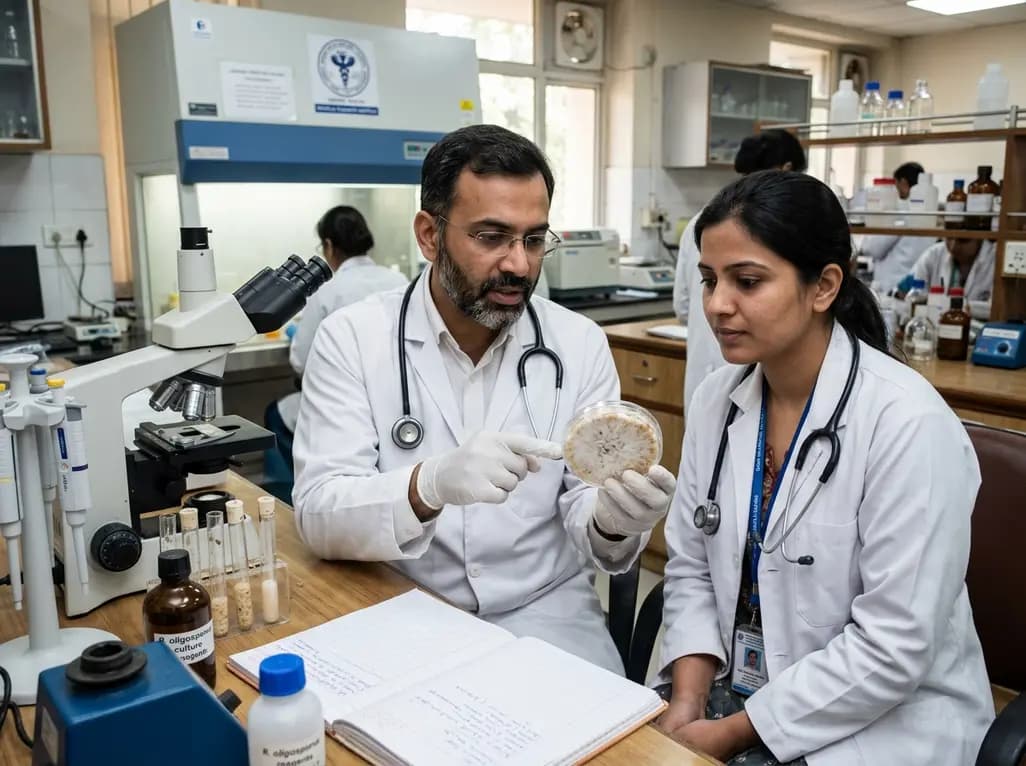
Solid-state fermentation of soybeans using Rhizopus oligosporus significantly enhances isoflavone aglycone content and thermal stability. In vitro digestion and fecal fermentation demonstrate improved bioaccessibility and gut microbiota modulation, prominently enriching beneficial Bifidobacterium populations.
Today
A retrospective review of 19 complex neonatal ovarian cysts reveals key features of autoamputation, including fluid-debris levels, late calcification, prolonged diagnostic latency, and absence of viable follicles, guiding clinical and surgical management.
Today

A longitudinal study reveals that an escalating cardiometabolic disease burden significantly accelerates health-related work cessation among middle-aged adults, highlighting an urgent need for proactive multimorbidity screening and tailored workplace health interventions.
Today
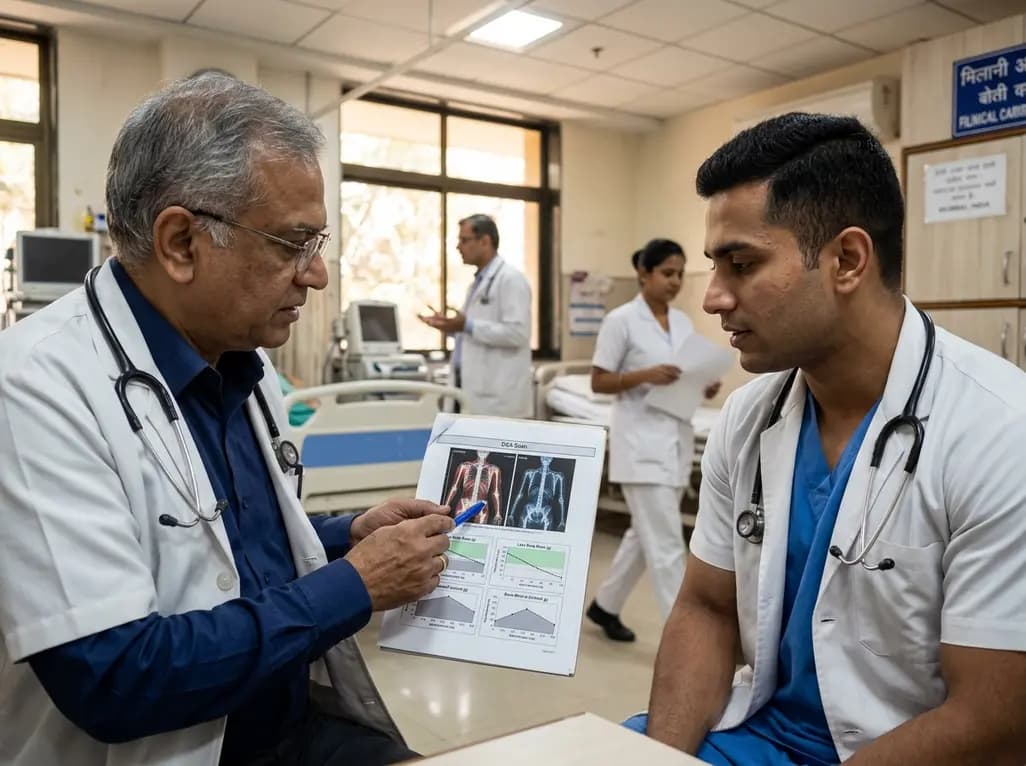
A new cross-sectional evaluation reveals how regional lean mass and bone mineral content interact in resistance-trained men, showing that whole-body size and allometric scaling explain shared musculoskeletal phenotypes and strength relationships.
Today

Explore the emerging role of glucose metabolic reprogramming in exercise-attenuated osteoporosis, examining how physical activity influences osteoblast glycolysis, osteoclast bioenergetics, and skeletal remodeling pathways to improve bone mineral density.
Today
