.webp&w=384&q=75)

Loading, please wait...
Loading, please wait...

Dietary soybean isoflavones provide substantial metabolic and endocrine advantages, yet their physiological efficacy remains constrained in clinical settings. Naturally, these bioactive polyphenols exist predominantly as polar glycosides, including genistin and daidzin. Because glycosidic bonds anchor bulky sugar moieties to the core structure, intestinal epithelial cells cannot absorb them directly. Consequently, unfermented soy products demonstrate relatively poor bioaccessibility in human digestive tracts.
Moreover, traditional preparation methods often fail to overcome these inherent biochemical barriers. Intestinal brush border enzymes exhibit limited capacity to hydrolyze complex glycosidic structures rapidly. Therefore, a substantial fraction passes unabsorbed into the colon, where host metabolic responses vary widely among individuals. In addition, patient clinical outcomes frequently depend upon individual microbial capacity to metabolize these substrates. For this reason, nutritional biochemists have sought scalable bioprocessing strategies. Solid-state fermentation offers an innovative pathway to transform plant matrices before ingestion. Specifically, processing changes determine downstream clinical utility. Thus, this targeted approach addresses fundamental limitations in bioavailability, turning intact legumes into potent therapeutic functional foods. Clinicians must understand these molecular mechanisms to guide dietary recommendations effectively.
Recent biochemical investigations demonstrate that solid-state fermentation with Rhizopus oligosporus RT-3 drives profound molecular remodeling. During this bioprocess, fungal beta-glucosidase activity increases steadily within the solid substrate. Meanwhile, fungal mycelial biomass exhibits an initial proliferative phase before stabilizing. As beta-glucosidase accumulates, it catalyzes extensive deglycosylation of the native soy polyphenols. Consequently, total isoflavone glycosides plunge from 466.25 to 95.47 micrograms per gram of dry weight within 36 hours.
In contrast, liberated aglycone concentrations rise remarkably over the same operational window. Specifically, total isoflavone aglycones increase 1.93-fold, surging from 130.70 to 252.88 micrograms per gram dry weight. This enzymatic shift releases high amounts of free daidzein and genistein. Because aglycones lack polar sugar residues, they display superior lipophilicity across the enterocyte membrane. Furthermore, this deliberate bioprocessing standardizes nutrient density across production batches. Therefore, clinicians can view fermented tempeh as a far more predictable source of bioactive aglycones than conventional boiled legumes. Ultimately, this fungal platform provides a reliable mechanism for upgrading plant-based nutrition effectively.
Thermal processing frequently degrades functional nutrients during standard culinary preparation. However, recent laboratory data indicate that tempeh isoflavone aglycones display superior structural resilience under elevated temperatures. Specifically, the thermal degradation rate of total aglycones in tempeh reached only 11.93 percent after 30 minutes of heating. In comparison, unfermented soybean aglycones showed a degradation rate of 14.44 percent under identical heating conditions. Consequently, the fermented food matrix preserves functional molecules through standard cooking procedures.
Additionally, simulated in vitro gastrointestinal digestion validates this enhanced nutritional resilience. During physiological digestion simulations, daidzein content increased 2.73-fold within the first thirty minutes. Because the fungal matrix releases aglycones rapidly in gastric and intestinal fluids, intestinal uptake occurs efficiently. Furthermore, this rapid release prevents premature nutrient transit into lower excretory channels. Thus, culinary heat and human digestive fluids do not compromise the therapeutic integrity of fermented products. Instead, the bioprocessed matrix ensures maximum delivery of therapeutic molecules to mucosal absorption surfaces during transit.
Beyond improving mucosal absorption, fermented soy polyphenols exert profound prebiotic effects in the distal colon. In recent in vitro human fecal fermentation models using healthy donors, tempeh isoflavones significantly elevated overall microbial alpha diversity. A resilient, highly diverse colonic microbiome correlates strongly with metabolic stability and systemic immune equilibrium. Moreover, experimental data confirmed distinct taxonomic shifts following exposure to fermented soy extracts.
Most notably, the fermented substrate stimulated significant enrichment of beneficial Bifidobacterium taxa. In contrast, unfermented substrates generated less pronounced prebiotic stimulation. Bifidobacterium species play an essential role in breaking down dietary fiber and producing immunomodulatory short-chain fatty acids. Furthermore, these beneficial microbes maintain the mucosal barrier and suppress opportunistic enteric pathogens. Therefore, fermented soy does not merely supply bioavailable nutrients to host cells. Instead, it actively cultivates a balanced, protective luminal microenvironment. Consequently, regular intake may support gut barrier integrity and counteract intestinal dysbiosis in vulnerable patient cohorts across practice settings.
These biochemical discoveries offer significant practical relevance for physicians, gastroenterologists, and clinical dietitians. Today, chronic non-communicable disorders and metabolic dysfunctions increasingly involve gut dysbiosis and low-grade inflammation. Because fermented soy products deliver both readily bioaccessible aglycones and prebiotic substrates, they serve as dual-action nutritional interventions. Specifically, postmenopausal women may derive substantial relief, as bioavailable daidzein converts efficiently into cardioprotective and bone-sparing S-equol.
Additionally, patients managing metabolic syndrome or functional bowel symptoms often struggle with gastrointestinal intolerance to unfermented legumes. Whole legumes contain oligosaccharides like raffinose and stachyose, which provoke flatulence and abdominal pain. Solid-state fermentation degrades these offending anti-nutritional factors while simultaneously nurturing probiotic strains like Bifidobacterium. Therefore, recommending dietary tempeh provides patients with dense, gut-friendly plant protein without exacerbating intestinal distress. In summary, bioprocessed soy represents a practical, evidence-based adjunct in modern lifestyle medicine and individualized nutritional therapies across diverse clinical demographics.
Soybean isoflavones naturally occur as glycosides, which bind large sugar molecules to their chemical structure. Consequently, the human intestinal wall cannot absorb these bulky molecules directly. In contrast, solid-state fermentation removes the attached sugar unit to produce aglycones, such as daidzein and genistein. Because aglycones are lipophilic and structurally compact, enterocytes absorb them rapidly across the mucosa, ensuring significantly superior systemic bioavailability and therapeutic efficacy.
The filamentous fungus Rhizopus oligosporus secretes potent hydrolytic enzymes, notably beta-glucosidase, directly into the soybean substrate. This enzymatic process systematically cleaves complex covalent bonds and degrades anti-nutritional compounds. Consequently, fermentation converts bound polyphenols into bioaccessible free forms and enhances protein digestibility. Furthermore, the fungal matrix protects aglycones against high cooking temperatures, allowing these functional compounds to survive meal preparation and release efficiently during human gastrointestinal digestion.
Bifidobacterium species represent vital commensal microbes that maintain intestinal homeostasis and host vitality. These beneficial bacteria ferment dietary prebiotics to generate short-chain fatty acids like acetate and lactate, which acidify the colon and inhibit opportunistic pathogens. Additionally, Bifidobacterium promotes epithelial barrier integrity, downregulates mucosal inflammatory pathways, and modulates systemic immunity. Enriching these microbial populations through fermented foods therefore supports metabolic regulation and protects against systemic low-grade inflammation.
Disclaimer: This content is for informational and educational purposes only. It is not intended as personal medical advice or to replace consultation with a qualified healthcare professional. Refer to the latest local and national guidelines for clinical practice.
References

Read summarized clinical updates, watch expert medical content, and earn CME certifications right from your smartphone.
Open your smartphone camera to scan and install.





Solid-state fermentation of soybeans using Rhizopus oligosporus significantly enhances isoflavone aglycone content and thermal stability. In vitro digestion and fecal fermentation demonstrate improved bioaccessibility and gut microbiota modulation, prominently enriching beneficial Bifidobacterium populations.
Today
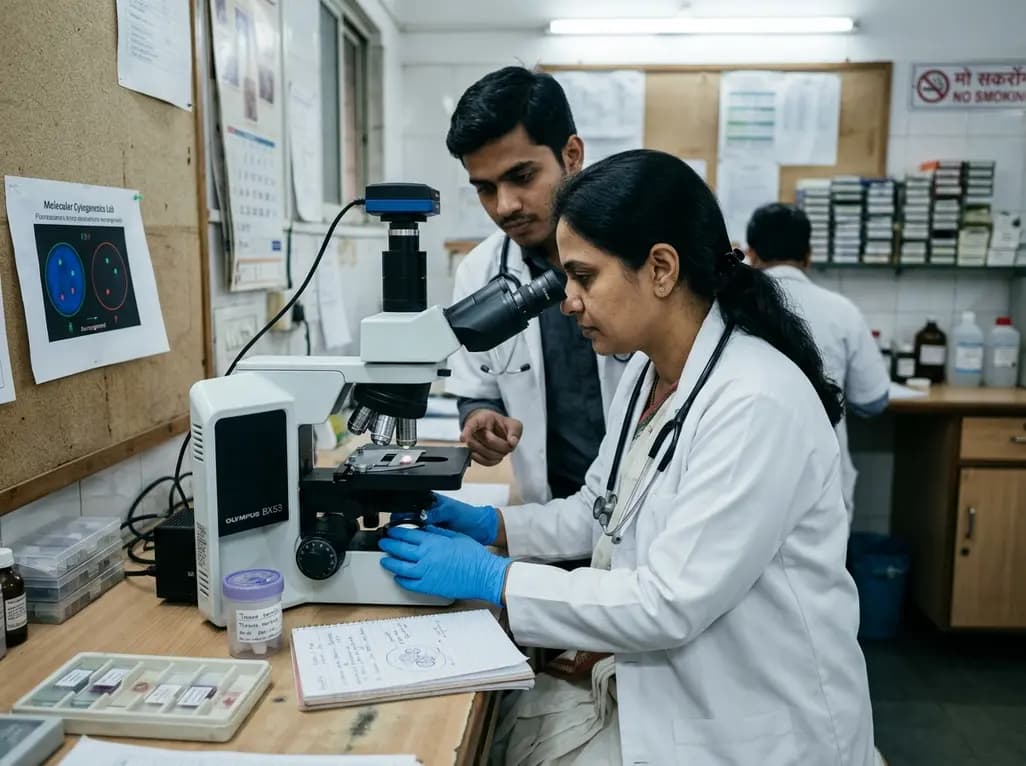
A recent study identifies a rare vulvovaginal myxoid epithelioid smooth muscle tumor harboring an NCOA2 rearrangement in a 56-year-old female. Demonstrating estrogen receptor negativity and a low proliferative index, the case refines diagnostic boundaries and underscores the importance of molecular cytogenetics.
Today

A longitudinal study reveals that an escalating cardiometabolic disease burden significantly accelerates health-related work cessation among middle-aged adults, highlighting an urgent need for proactive multimorbidity screening and tailored workplace health interventions.
Today
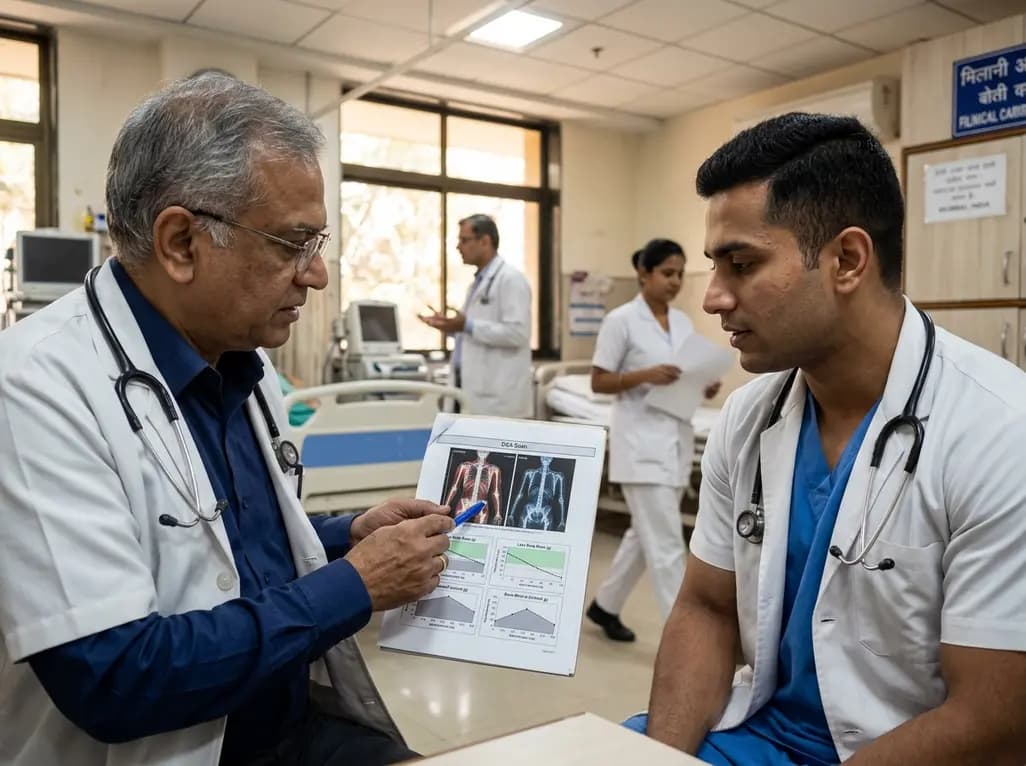
A new cross-sectional evaluation reveals how regional lean mass and bone mineral content interact in resistance-trained men, showing that whole-body size and allometric scaling explain shared musculoskeletal phenotypes and strength relationships.
Today

Explore the emerging role of glucose metabolic reprogramming in exercise-attenuated osteoporosis, examining how physical activity influences osteoblast glycolysis, osteoclast bioenergetics, and skeletal remodeling pathways to improve bone mineral density.
Today
