.webp&w=384&q=75)

Loading, please wait...
Loading, please wait...
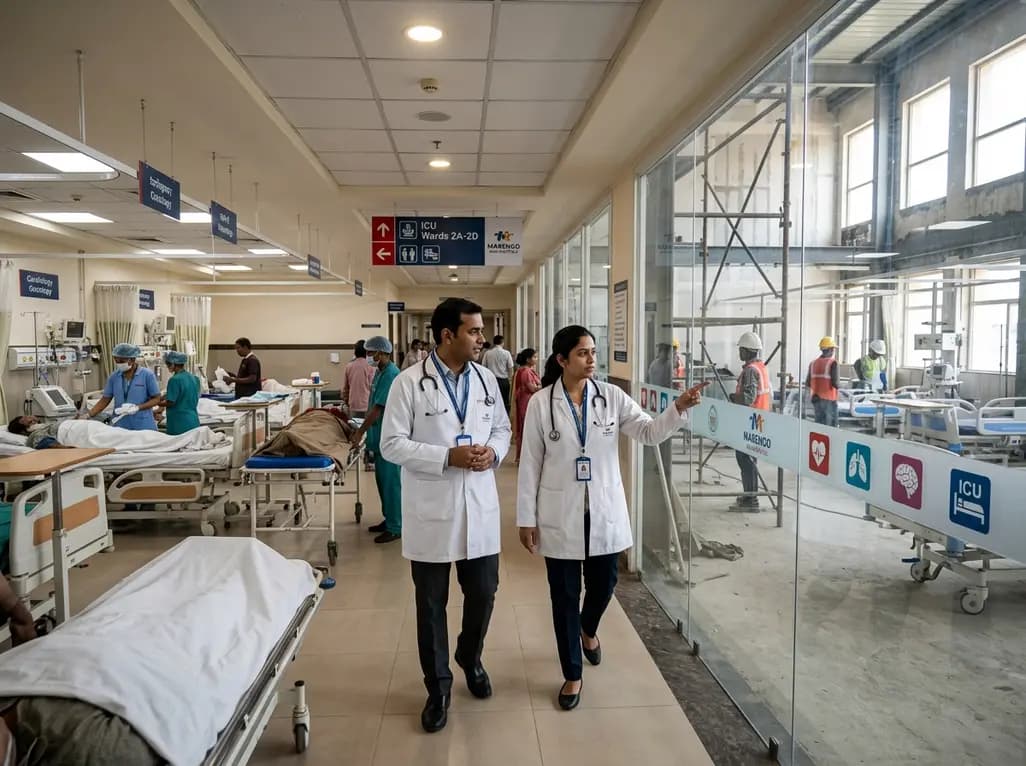
Marengo Asia Hospitals recently secured ₹400 crore from LeapFrog Investments to expand its healthcare delivery network. This capital infusion will systematically double the network's hospital bed capacity to over 4,000 beds within two years. Consequently, this strategic expansion significantly improves specialized healthcare access across northern and western India.
Marengo Asia Hospitals currently operates five tertiary facilities across the National Capital Region, Gujarat, and Rajasthan. Currently, these centers treat more than 900,000 patients annually across diverse medical specialties. Furthermore, the organization generates annual revenues between ₹1,000 crore and ₹1,200 crore. The leadership team plans to deploy fresh capital to scale operational infrastructure rapidly. Specifically, the network aims to strengthen its presence in existing markets while acquiring facilities in adjacent areas. In addition, this aggressive expansion focuses heavily on Tier-1 and fast-growing Tier-2 urban corridors. Many secondary cities in India experience significant deficits in advanced surgical suites and intensive care beds. Therefore, establishing modern multi-specialty hubs bridges vital geographic divides in specialty care delivery. Samara Capital and prominent Indian family offices continue to support this buy-and-build operational strategy. Accordingly, the accelerated rollout will create substantial regional clinical capacity for handling complex caseloads. Doctors working in peripheral districts will gain better access to referral networks for complicated presentations. Ultimately, this capital deployment directly reinforces regional hospital bed capacity and emergency readiness. In particular, expanded infrastructure will support comprehensive inpatient management during peak seasonal surges. Moreover, regional hubs provide vital clinical support to nearby primary care practitioners through telemedicine consultations.
The planned network expansion carries profound clinical implications for practitioners across complex disciplines. In particular, the hospital group concentrates on high-acuity domains like cardiology, oncology, neurology, and gastroenterology. Additionally, Marengo maintains dedicated clinical programs for solid organ transplantation and complex nephrology procedures. Complex multi-organ transplants demand sophisticated intensive care infrastructure, isolation suites, and dedicated operative rooms. Therefore, increasing the bed count will directly expand dedicated intensive care units and post-operative recovery bays. Surgeons and intensivists require access to reliable life-support technology during prolonged perioperative monitoring. Moreover, expanded inpatient infrastructure reduces waiting times for elective oncological resections and urgent cardiac interventions. Clinicians frequently encounter severe delays when admitting critically ill patients from emergency departments due to bed shortages. Consequently, expanding facility capacity provides immediate clinical relief for front-line emergency medical teams. Furthermore, specialized sub-units like coronary care units and stroke units can admit acute patients promptly. Standardized clinical pathways function best when physical bed availability matches acute presentation rates. Thus, clinicians can achieve superior clinical outcomes through prompt intervention and continuous hemodynamic monitoring. Ultimately, expanding specialty beds directly elevates standard patient care delivery across all surgical fields. Accordingly, expanding critical bed capacity directly strengthens surgical safety and decreases post-operative infection risks.
Expanding bed capacity rapidly often introduces operational strain on institutional quality standards. However, Marengo Asia Hospitals prioritizes rigorous clinical governance frameworks across all active facilities. For example, all current hospital units in India maintain accreditation from the National Accreditation Board for Hospitals and Healthcare Providers. Additionally, the group's flagship multi-specialty hospital in Ahmedabad holds Joint Commission International accreditation. International accreditations mandate strict adherence to patient safety protocols, surgical checklists, and medication management policies. Furthermore, clinical leadership enforces rigorous infection control practices across operative theaters and intensive care units. Former Indian Army surgeon Dr. Raajiv Singhal founded the organization with a strong emphasis on clinical discipline. Dr. Singhal previously directed operations across major healthcare networks like Fortis, Care Hospitals, and Sakra Hospital. Consequently, clinical teams operate under structured protocols that minimize hospital-acquired infections and adverse surgical events. Moreover, robust clinical auditing programs regularly evaluate morbidity and mortality statistics to improve practitioner workflows. Institutional expansion will involve onboarding hundreds of medical specialists, nursing professionals, and allied health staff. Therefore, maintaining uniform clinical governance across expanding centers ensures reproducible patient safety benchmarks nationwide. In addition, regular external quality assessments preserve high procedural success rates across every department. Thus, structured clinical oversight ensures excellent therapeutic outcomes across all affiliated healthcare facilities.
India faces a persistent deficit in hospital bed density compared to international health standards. Specifically, the World Health Organization recommends a minimum threshold of three beds per one thousand individuals. However, India currently averages approximately 1.3 beds per one thousand citizens across the nation. Furthermore, private healthcare infrastructure remains heavily concentrated in major metropolitan tier-one cities. Patients residing in smaller towns frequently travel long distances to receive specialized neurosurgical or cardiac treatment. Therefore, private investments targeting tier-two healthcare infrastructure play a critical therapeutic role. By establishing modern tertiary hubs in regional zones, healthcare networks bring specialized medical care closer to patients. Consequently, families avoid debilitating travel expenses and disruptions during prolonged treatment protocols. Additionally, local general practitioners gain reliable regional tertiary centers for timely medical referrals. Early transfer of unstable patients significantly reduces mortality in ischemic stroke and acute myocardial infarction. In addition, expanding regional capacity mitigates the overwhelming clinical burden on public medical colleges. Private capital investments thus serve as essential catalysts for strengthening national healthcare delivery mechanisms. Ultimately, widespread bed expansion directly supports equitable healthcare distribution across underserved populations. Moreover, localized specialist availability helps critically ill patients receive definitive care during time-sensitive golden hours.
Modern hospital expansions require substantial investments in cutting-edge diagnostic technology alongside physical bed additions. Therefore, Marengo plans to direct funds toward advanced catheterization laboratories, digital imaging platforms, and robotic surgical consoles. For instance, minimally invasive robotic surgery enables precise tissue dissection while minimizing intraoperative blood loss. Consequently, surgical patients experience shorter hospital stays and quicker functional recovery times. Furthermore, advanced diagnostic capabilities allow oncologists and interventional radiologists to plan targeted interventions with higher accuracy. Intensivists also benefit from automated telemetry networks and integrated bedside patient monitoring units. These digital systems track real-time physiological metrics, alerting nursing teams to subtle clinical deterioration immediately. In addition, modern infrastructure incorporates dedicated negative-pressure isolation rooms for communicable respiratory pathogens. Such facilities protect healthcare personnel and vulnerable immunocompromised patients during infectious disease outbreaks. Moreover, expanding hospital footprints allow institutions to deploy electronic health records across all secondary facilities. Standardized electronic documentation streamlines clinical handoffs between rotating medical residents and senior consultants. Ultimately, integrating medical technology with expanded inpatient beds creates an agile, resilient healthcare delivery ecosystem. Accordingly, physicians can deliver evidence-based interventions supported by dependable institutional infrastructure. Furthermore, smart hospital technologies empower clinicians to anticipate critical clinical events and intervene before acute decompensation.
Q1: What is the primary purpose of the ₹400 crore funding raised by Marengo Asia Hospitals?
The primary objective of the ₹400 crore investment from LeapFrog Investments is to expand Marengo Asia Hospitals' healthcare delivery network across India. Specifically, the organization plans to double its current capacity from 2,000 beds to over 4,000 beds within the next two years. Furthermore, the capital will consolidate operations in existing locations, support facility acquisitions in secondary cities, and fund advanced medical equipment across high-acuity specialties.
Q2: Where does Marengo Asia Hospitals currently operate and who leads the organization?
Marengo Asia Hospitals currently operates five multi-specialty hospitals situated across the National Capital Region, Gujarat, and Rajasthan, alongside an international partnership in Saudi Arabia. Former Indian Army surgeon Dr. Raajiv Singhal founded the hospital platform and drives its clinical vision. Additionally, Samara Capital managing director Abhishek Kabra serves as chairman. Backed by Samara Capital and prominent family offices, the platform focuses heavily on patient-centric care and specialized clinical excellence.
Q3: How does doubling hospital bed capacity influence clinical care delivery and patient outcomes?
Doubling hospital bed capacity alleviates emergency room bottlenecks and reduces wait times for critical intensive care admissions. Furthermore, increasing inpatient beds allows clinicians to schedule complex surgical resections and organ transplants without unexpected delays. Expanding facilities in tier-one and tier-two cities also improves regional patient access to life-saving diagnostic and therapeutic equipment. Consequently, patients receive rapid stabilization during clinical emergencies, leading to fewer complications and improved long-term recovery outcomes.
Disclaimer: This content is for informational and educational purposes only. It does not constitute medical advice or replace professional judgment. Refer to the latest local and national guidelines for clinical practice.
References

Read summarized clinical updates, watch expert medical content, and earn CME certifications right from your smartphone.
Open your smartphone camera to scan and install.





LeapFrog Investments has infused ₹400 crore into Marengo Asia Hospitals to scale tertiary care delivery across Tier-1 and Tier-2 Indian hubs. The platform aims to reach over 4,000 operational beds, strengthening clinical programs in cardiology, oncology, transplants, and acute critical care services nationwide.
Today
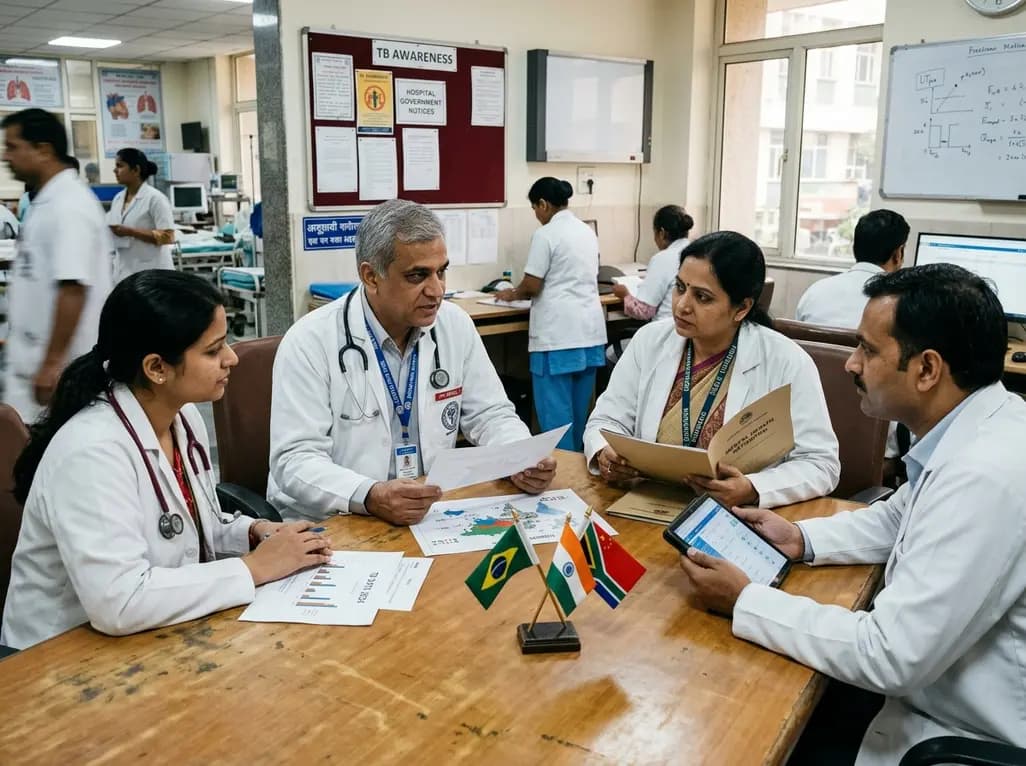
At the New Delhi Summit, BRICS leaders adopted a landmark declaration committing member nations to united action against tuberculosis, non-communicable diseases, and future pandemic threats. Key actions include NIMHANS-led mental health networks, digital health architectures, and evidence-based integrative medicine.
Today
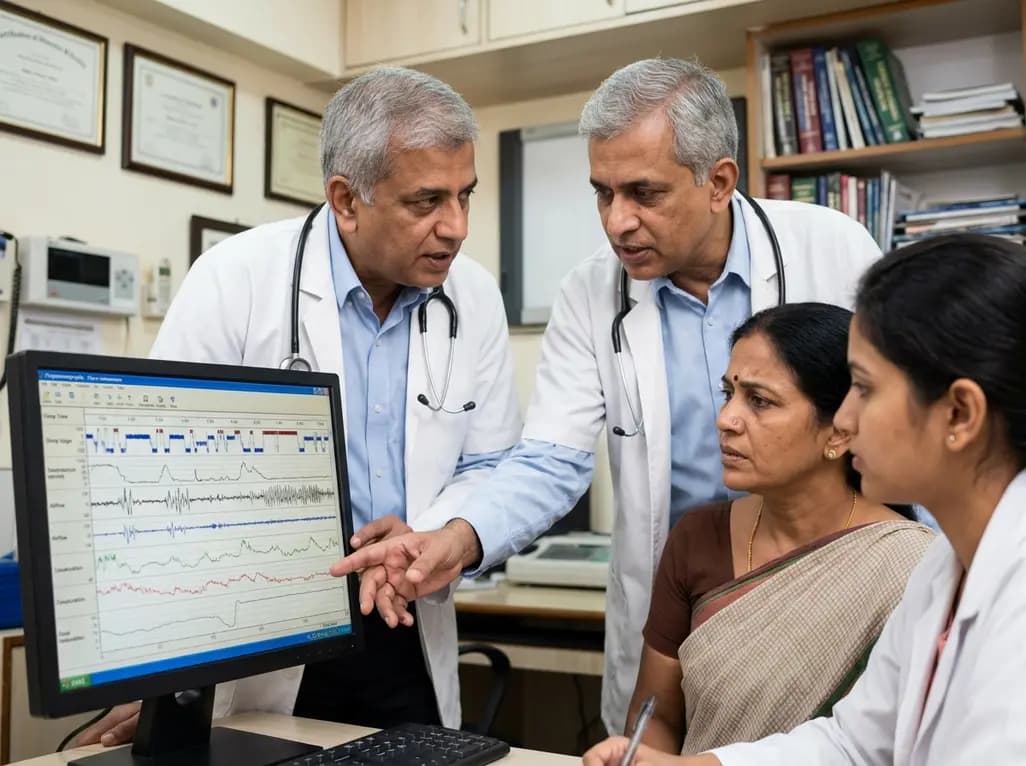
Perimenopausal obstructive sleep apnea often goes undetected due to atypical polysomnographic presentations and symptom overlap with menopause. This review details its neurocognitive mechanisms, polysomnography markers, and precision management strategies.
Today
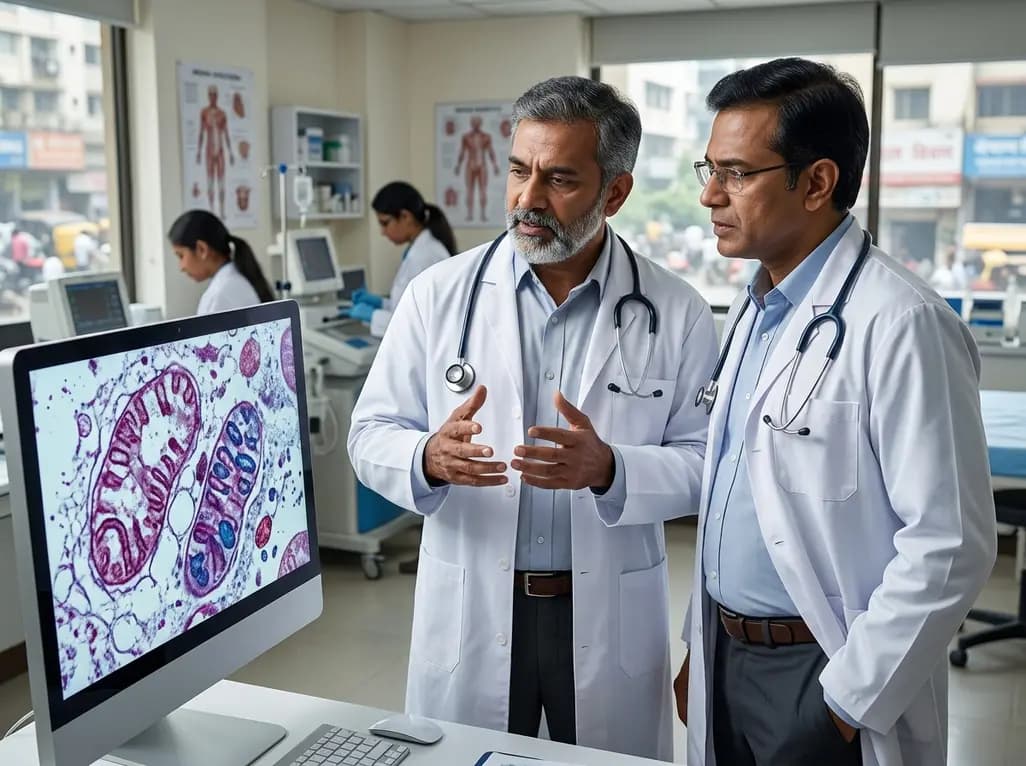
Mitochondrial deubiquitinases regulate organelle turnover by editing ubiquitin tags on damaged mitochondria. Discover how targeting these enzymes, notably USP30, offers therapeutic strategies for neurodegenerative, cardiovascular, and metabolic disorders.
Today
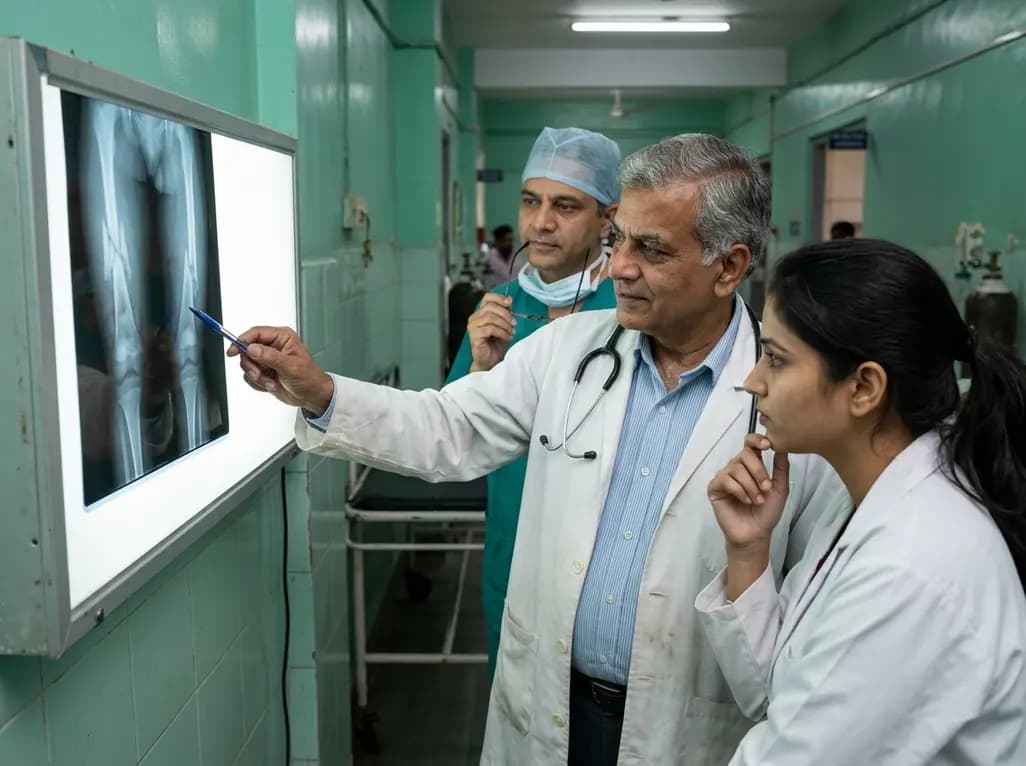
A rare case of a pediatric pathological femoral fracture caused by occult telangiectatic osteosarcoma demonstrates the risks of misdiagnosis after trauma, where intramedullary nailing prompted iatrogenic tumor dissemination and required modular total endoprosthetic reconstruction.
Today
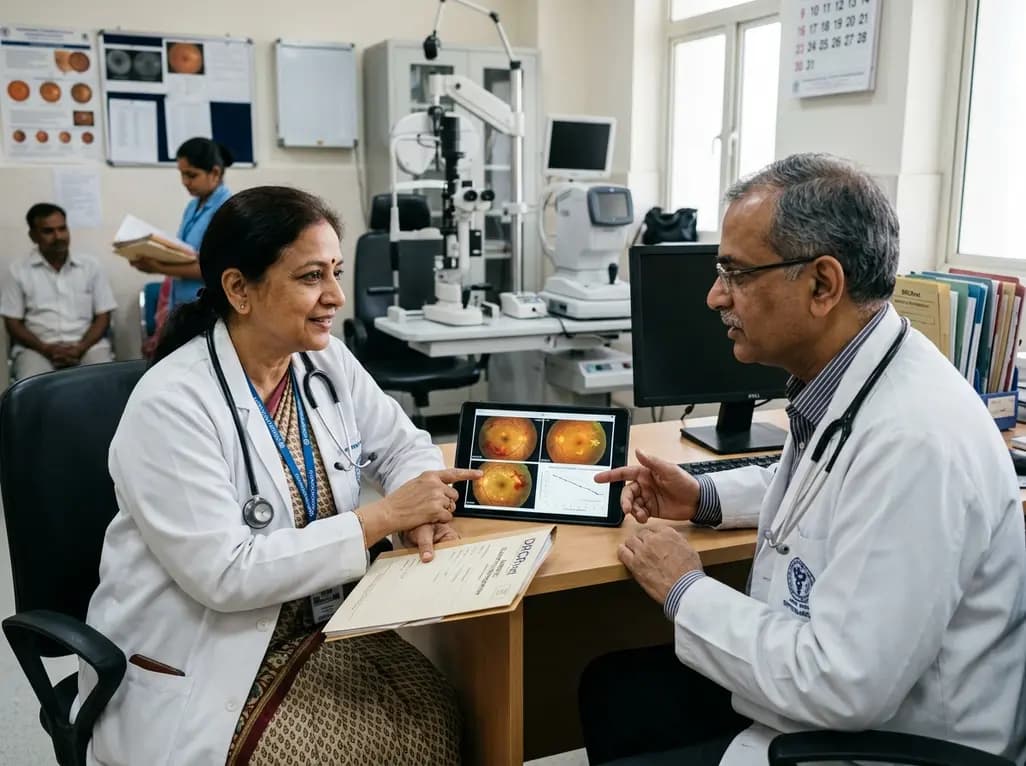
A comprehensive analysis of DRCRnet studies reveals that 15.1% of participants discontinue diabetic retinopathy clinical trials. Identifying baseline demographic and clinical predictors helps ophthalmologists and endocrinologists mitigate real-world treatment dropouts and protect long-term visual outcomes.
Today
