.webp&w=384&q=75)

Loading, please wait...
Loading, please wait...
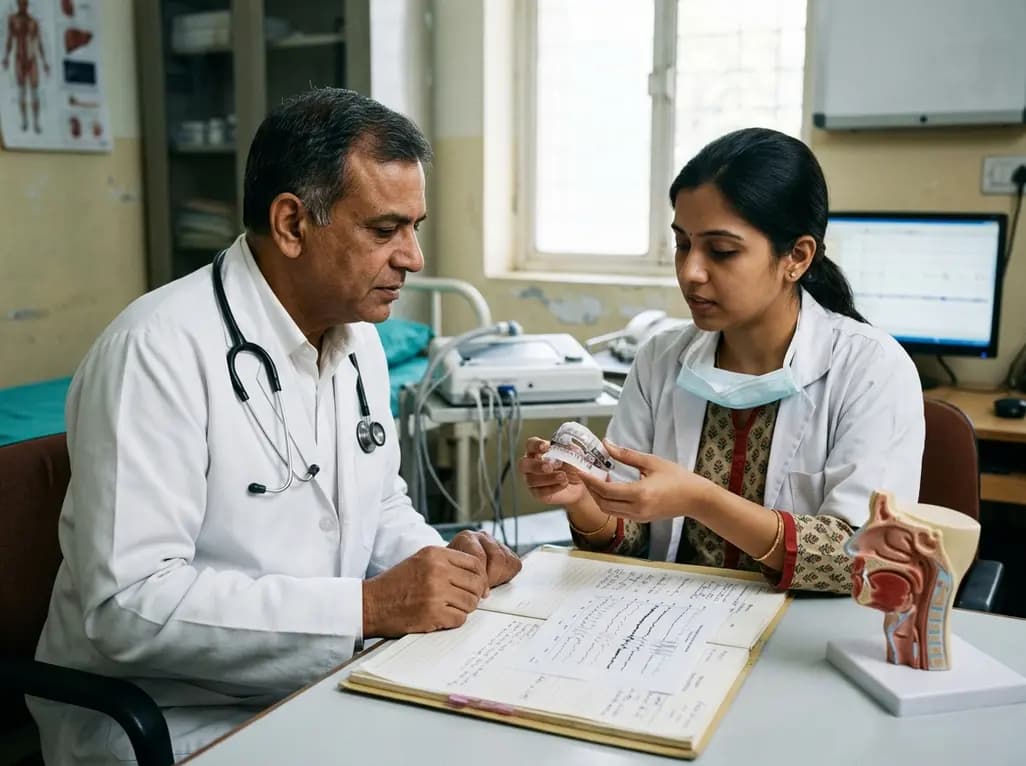
Obstructive sleep apnea represents a pervasive sleep-disordered breathing condition that poses serious cardiometabolic risks when left untreated. Continuous positive airway pressure remains the conventional gold standard therapy; however, suboptimal patient adherence frequently limits its clinical effectiveness. Consequently, oral appliance therapy has emerged as a crucial alternative in modern sleep medicine. Custom mandibular advancement devices offer high treatment acceptance, delivering significant therapeutic relief for patients who struggle with mask tolerance. A landmark clinical trial led by Bronwasser and colleagues investigated how various oral appliance designs influence polysomnographic indices in a large cohort of patients. Their findings provide vital clinical evidence regarding respiratory parameter improvements and demographic predictors of therapeutic response.
Custom mandibular advancement devices function by mechanically protruding the mandible and stabilizing the tongue base during sleep. This structural repositioning expands the upper airway dimensions, particularly across the retroglossal and retropalatal regions. Consequently, the enlarged cross-sectional area reduces pharyngeal collapsibility and prevents tissue vibration during inspiration. In the investigated trial of 300 patients, oral appliance therapy achieved an average reduction of approximately 50% in primary polysomnographic metrics. Specifically, the mean apnea-hypopnea index decreased by 16.4 events per hour, while the oxygen desaturation index dropped by 10.8 events per hour. These reductions demonstrate that mandibular advancement devices provide substantial physiological relief from nocturnal hypoxia and recurrent respiratory events. Therefore, oral appliance therapy represents a reliable therapeutic pathway for appropriate candidates seeking non-invasive airway management.
Technological innovations in dental sleep medicine have introduced digital workflows alongside traditional laboratory methods. In the evaluated study, clinicians compared three distinct appliances, including one conventionally manufactured appliance and two computer-aided design and computer-aided manufacturing devices. Interestingly, patients fitted with conventionally manufactured appliances exhibited greater overall reductions in respiratory disturbance indices compared to those receiving digitally milled options. Although digital workflows provide enhanced laboratory precision, physical acrylic adjustments and conventional retention features may offer distinct biomechanical advantages in select patients. Clinicians must recognize that device design, lateral jaw mobility, and retention stability interact directly with individual pharyngeal anatomy. Hence, understanding the nuance of device fabrication enables practitioners to tailor appliance selection to specific patient needs rather than assuming all digital systems inherently outperform manual fabrication.
Identifying reliable clinical predictors allows practitioners to optimize patient selection for mandibular advancement therapy. The study demonstrated that baseline severity strongly predicted absolute improvements, as individuals with higher initial apnea-hypopnea index and oxygen desaturation index values experienced greater absolute numerical reductions. Furthermore, demographic variables significantly modulated therapeutic success. Female patients and younger individuals achieved superior improvements in polysomnographic indices following appliance titration. Hormonal influences on upper airway collapsibility and variations in craniofacial fat distribution likely contribute to these demographic discrepancies. Therefore, clinicians should not exclude individuals solely based on elevated baseline indices or younger age. Instead, multidisciplinary teams can leverage these clinical determinants to counsel patients effectively regarding realistic treatment expectations and expected therapeutic trajectories.
A prevalent assumption in dental sleep medicine suggests that maximizing jaw advancement directly correlates with superior clinical outcomes. However, the trial data revealed that more prominent protrusion did not yield greater mean reductions in apnea-hypopnea index or oxygen desaturation index values. Excessive advancement can overload the temporomandibular joint, trigger myofascial pain, and compromise long-term compliance without conferring additional airway patency. Optimal titration requires achieving an effective airway opening while maintaining patient comfort within a physiological range. Most patients derive maximal benefit between 60% and 75% of maximum voluntary protrusion. Consequently, clinicians must prioritize balanced titration protocols rather than aggressive advancement, ensuring high therapeutic compliance while safeguarding temporomandibular joint health and dental stability.
Successful management of sleep-disordered breathing necessitates seamless collaboration between pulmonologists, otolaryngologists, and qualified dental sleep practitioners. Comprehensive baseline polysomnography or validated home sleep apnea testing remains mandatory to establish disease severity before appliance fabrication. Additionally, comprehensive dental evaluations must confirm adequate dentition, periodontal stability, and the absence of active temporomandibular disorders. Following appliance insertion, regular objective assessment confirms therapeutic resolution of nocturnal hypoxemia and respiratory arousals. Furthermore, routine dental follow-ups help detect subtle occlusal shifts, tooth mobility, or appliance wear early. By integrating structured diagnostic workflows and interdisciplinary communication, healthcare providers can maximize the therapeutic potential of oral appliances and mitigate cardiovascular morbidity associated with chronic sleep apnea.
Continuous positive airway pressure provides superior per-hour efficacy in eliminating respiratory events; however, patient adherence is frequently lower. Mandibular advancement devices often achieve comparable real-world effectiveness because patients wear them for more hours per night. Studies consistently confirm an average 50% reduction in baseline apnea indices, making oral appliances highly effective for mild to moderate obstructive sleep apnea or positive airway pressure intolerance.
No, clinical evidence indicates that excessive jaw advancement does not necessarily increase airway patency or improve respiratory indices. Advancing the jaw beyond physiological comfort increases the risk of temporomandibular joint pain, muscle fatigue, and poor treatment adherence. Optimal therapeutic response is typically attained at approximately 60% to 75% of maximum voluntary protrusion without causing significant musculoskeletal discomfort.
Ideal candidates include adults with mild to moderate obstructive sleep apnea, patients with severe disease who cannot tolerate continuous positive airway pressure, and individuals with primary snoring. Patients must possess sufficient stable dentition to retain the device, have healthy periodontal support, and exhibit no active temporomandibular joint dysfunction or severe central sleep apnea.
Disclaimer: This content is for informational and educational purposes only. It does not constitute formal medical advice, diagnosis, or treatment recommendations. Always consult a qualified healthcare provider with any questions regarding medical conditions or clinical management. Refer to the latest local and national guidelines for clinical practice.
References

Read summarized clinical updates, watch expert medical content, and earn CME certifications right from your smartphone.
Open your smartphone camera to scan and install.





A new study evaluates the clinical efficacy of mandibular advancement devices in obstructive sleep apnea, demonstrating significant reductions in AHI and ODI across various device designs while identifying critical patient predictors like baseline severity, gender, and age.
4 weeks back

With post-monsoon dengue surges threatening South Asian health systems, physicians must refine triage and management. This guide covers vital warning signs, plasma leakage detection, crystalloid titration, and vector containment strategies to prevent mortality during seasonal arboviral epidemics.
Today

Findings from Project Viva indicate that sustained postpartum weight retention, rather than excessive gestational weight gain alone, directly worsens women's mid-life cardiovascular health, degrading blood pressure and glycemic parameters decades after delivery.
Today
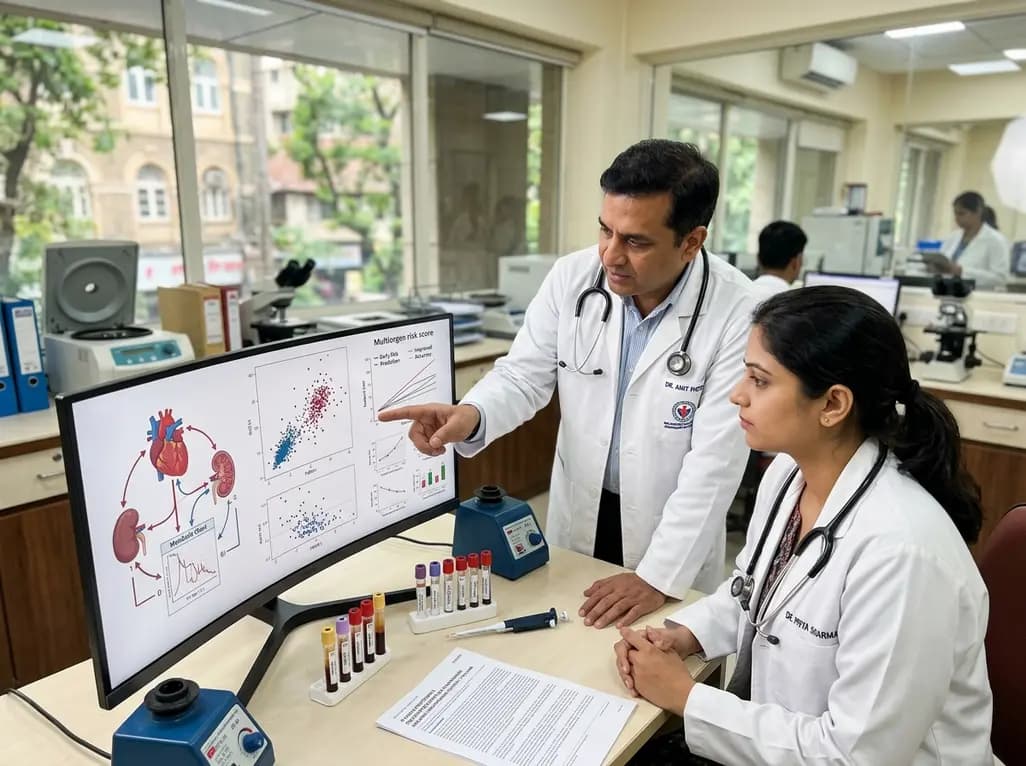
A large UK Biobank study reveals that plasma proteomic signatures capture preclinical organ damage and improve multiorgan risk prediction across early CKM syndrome stages 0 to 2 beyond traditional PREVENT clinical models.
Today
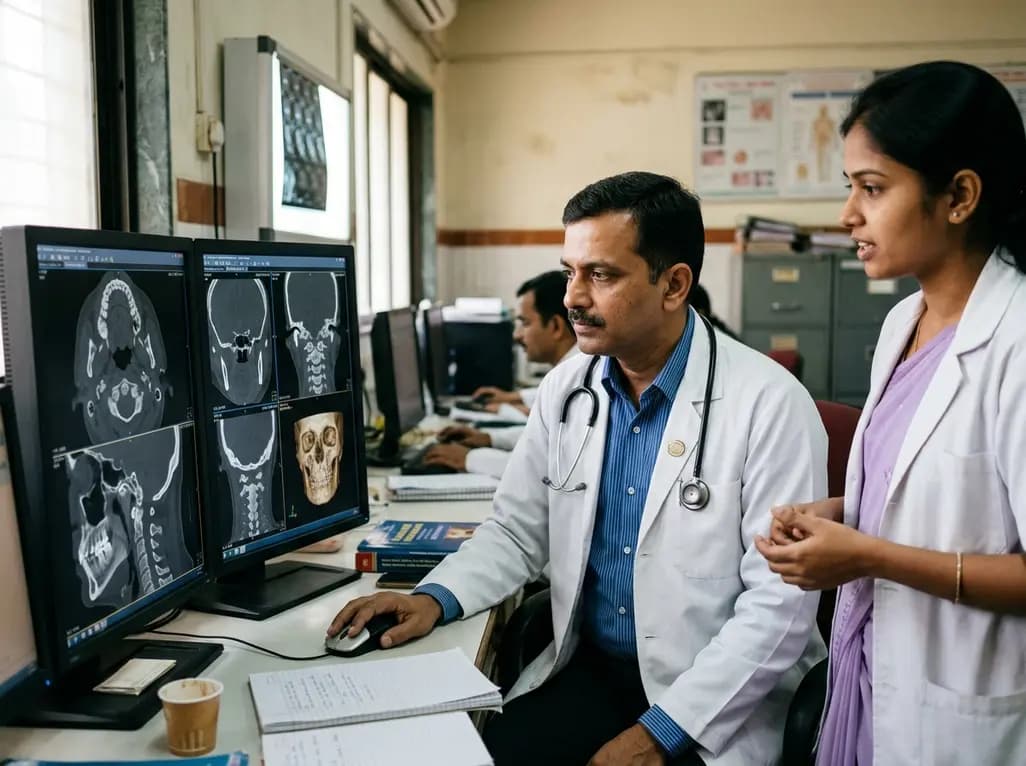
A retrospective CBCT study reveals that superior TMJ space asymmetry correlates moderately with occipital condyle-atlas-axis asymmetry in unilateral TMJ osteoarthritis, highlighting an imaging correlate between jaw biomechanics and upper cervical alignment rather than a standalone diagnostic marker.
Today

A Bayesian multilevel meta-analysis reveals that aerobic training combined with moderate carbohydrate restriction modestly lowers HbA1c in type 2 diabetes. However, sparse data and very low certainty leave incremental benefits over exercise or diet alone unproven, highlighting the need for individualized care.
Today
