

Loading, please wait...
Loading, please wait...

Global demographic shifts highlight rapid population ageing across both developed and developing regions. In India and across the world, healthcare systems face unprecedented demands due to expanding elderly cohorts. Consequently, geriatric vulnerability has emerged as an urgent clinical focus. Among the various geriatric syndromes, malnutrition in older adults represents a silent yet devastating public health challenge. Malnutrition encompasses both protein-energy wasting and severe micronutrient deficiencies. While acute conditions often dominate primary care encounters, progressive nutritional failure frequently develops unnoticed in outpatient settings. Clinicians must recognize that involuntary weight loss and nutritional deficits undermine healthy ageing. Therefore, proactive surveillance and timely multidisciplinary interventions remain critical to improve quality of life and clinical prognosis.
Recent epidemiological syntheses show that older adults represent an exceptionally high-risk cohort for nutritional deficits. However, the prevalence of malnutrition varies markedly depending on the clinical environment. Community-dwelling elders demonstrate moderate vulnerability, but prevalence spikes dramatically among institutionalized individuals and hospitalized patients. In acute hospital wards, up to half of admitted elderly patients experience overt protein-energy undernutrition or acute metabolic wasting. Furthermore, prolonged illness, surgical stress, and repeated diagnostic fasting frequently exacerbate pre-existing nutritional decline. In long-term care institutions and nursing homes, nearly one-third of residents exhibit compromised nutritional status. In developing regions such as India, community-dwelling seniors face additional challenges due to socioeconomic transitions and limited access to balanced diets. Consequently, hospital admission frequently precipitates a cascade of decompensation, leading to prolonged lengths of stay and delayed recovery. Clinicians often fail to recognize nutritional decline during emergency visits because acute symptoms mask insidious weight loss. Therefore, healthcare teams must implement universal assessment across every healthcare contact point. By establishing reliable screening upon admission, practitioners can identify high-risk individuals before irreversible metabolic derangements develop.
The etiology of nutritional decline in elderly individuals is inherently multifactorial and intricate. Physiologically, the normal ageing process involves the anorexia of ageing, driven by altered neurohormonal regulation of appetite. Reduced levels of ghrelin, elevated cholecystokinin, and blunted sensory perceptions of taste and smell suppress dietary drive. In addition, poor dentition, ill-fitting dentures, and oral mucosal atrophy compromise mastication and oral intake. Dysphagia resulting from cerebrovascular accidents or neurodegenerative diseases further impedes food consumption. Beyond biological changes, social determinants exert an equally profound impact. Social isolation, bereavement, loneliness, and poverty drastically diminish dietary variety and food procurement capacity. Depressive disorders frequently lead to neglected self-care and profound anorexia. Furthermore, chronic multimorbidity—including cardiovascular disease, chronic obstructive pulmonary disease, renal insufficiency, and diabetes—induces persistent low-grade systemic inflammation. This pro-inflammatory milieu accelerates hypermetabolism and catabolism, causing accelerated muscle degradation. Polypharmacy also plays a disruptive role, as numerous medications induce nausea, dysgeusia, xerostomia, or gastrointestinal malabsorption. Consequently, clinicians must evaluate the full spectrum of somatic, psychosocial, and pharmacological factors when investigating unexplained weight loss. Thus, an isolated focus on caloric intake often fails to resolve the underlying drivers of wasting.
Unchecked nutritional depletion triggers devastating clinical repercussions that impair functional autonomy. Foremost among these sequelae is sarcopenia, characterized by progressive loss of skeletal muscle mass and muscular strength. When inadequate protein and caloric intake coincide with chronic inflammation, myofibrillar breakdown overtakes muscle protein synthesis. Consequently, older adults experience profound muscle wasting, gait instability, and severe physical frailty. This functional vulnerability directly elevates the incidence of accidental falls, hip fractures, and subsequent immobility. Moreover, protein-energy wasting severely compromises cell-mediated and humoral immunity. As a result, malnourished seniors suffer from recurrent respiratory infections, urinary tract sepsis, and impaired cutaneous wound healing. In acute hospital settings, undernourished patients experience significantly higher rates of postoperative complications, including anastomotic breakdown and decubitus ulcer formation. Hospital stays lengthen considerably, and 30-day readmission rates rise sharply. Furthermore, malnutrition independently predicts higher short-term and long-term mortality across diverse medical cohorts. Cognitive decline also accelerates in micronutrient-deficient individuals, predisposing vulnerable patients to delirium and progressive dementia. Therefore, untreated nutritional failure rapidly destabilizes chronic disease management and diminishes independence. Ultimately, persistent deficits transform manageable chronic conditions into acute, life-threatening geriatric emergencies.
Early identification represents the cornerstone of effective clinical management. Because clinical signs often appear late, international guidelines mandate systematic nutritional screening across all geriatric touchpoints. Clinicians should employ validated tools such as the Mini Nutritional Assessment Short-Form, the Malnutrition Universal Screening Tool, or Nutritional Risk Screening 2002. These instruments evaluate involuntary weight loss, reduced oral intake, body mass index, and acute disease severity. In outpatient community settings, simple questionnaires like the DETERMINE checklist help family physicians identify high-risk elders quickly. Once screening indicates positive risk, practitioners must perform a comprehensive diagnostic assessment adhering to the Global Leadership Initiative on Malnutrition criteria. This phenotypic and etiologic framework confirms malnutrition by identifying phenotypic traits—such as weight loss, low body mass index, or reduced muscle mass—alongside etiologic causes like reduced intake or systemic inflammation. Additionally, laboratory evaluations must assess serum albumin, electrolyte balance, vitamin B12, folate, vitamin D, and iron stores. Clinicians must remember that visceral proteins reflect inflammatory status rather than pure caloric reserve. Thus, combining standardized screening scores with objective anthropometric measurements provides an accurate diagnostic baseline. Consequently, systematic screening prevents subclinical depletion from advancing to severe functional impairment.
Effective management of nutritional failure requires an aggressive, multipronged, and person-centered therapeutic strategy. First, healthcare teams must address modifiable underlying causes, including oral pathology, poorly fitted dentures, and dysphagia. Modifying food textures and prescribing nutrient-dense, fortified meals often enhance daily caloric and protein consumption. When regular dietary intake remains insufficient to meet metabolic goals, clinicians should initiate oral nutritional supplements containing concentrated energy, high-quality whey or casein protein, and essential micronutrients. Furthermore, healthcare providers should correct documented deficiencies in vitamin D, calcium, and vitamin B complex promptly. Structured medical nutrition therapy must pair with supervised resistance exercise programs. Physical activity stimulates muscle protein synthesis, mitigates sarcopenia, and restores functional autonomy. Social interventions are equally critical for sustainable recovery. Facilitating communal dining, engaging caregivers, providing community food assistance, and organizing social support combat loneliness and stimulate appetite. In addition, routine medication reviews help eliminate drugs that induce anorexia or gastrointestinal distress. Structured education empowers older patients and their families to maintain healthy dietary habits. Therefore, combining metabolic support with social engagement ensures durable clinical improvements. Ultimately, comprehensive interdisciplinary collaboration restores physiological resilience and preserves dignity in later life.
Primary care physicians should implement rapid, validated screening tools such as the Mini Nutritional Assessment Short-Form during routine consultations. Clinicians must regularly measure involuntary weight changes and monitor serial body mass index. In addition, practitioners should evaluate oral dentition, assess functional autonomy, and review active medication lists for appetite-suppressing agents. Engaging family members helps detect subtle reductions in dietary intake and progressive social isolation before noticeable physical wasting occurs.
Older adults generally require a daily energy intake of 30 kilocalories per kilogram of body weight to prevent catabolism. Furthermore, optimal protein intake should reach 1.0 to 1.2 grams per kilogram daily, increasing to 1.5 grams during acute or chronic illness. Critical micronutrients include vitamin D, calcium, and vitamin B12 to protect skeletal and neurological health. Clinicians must personalize these targets, adjusting fluid and mineral intake for renal or cardiac comorbidities.
Nutritional supplementation alone cannot fully rebuild skeletal muscle without mechanical stimuli. Therefore, structured resistance and endurance training works synergistically with protein-rich nutrition to stimulate intracellular muscle protein synthesis. Regular physical activity enhances muscular perfusion, increases muscle mass, improves metabolic balance, and counteracts age-related sarcopenia. Moreover, light physical activity boosts appetite and restores functional mobility. Combining tailored exercise with balanced dietary interventions significantly lowers fall risk and preserves long-term independence in frail seniors.
Disclaimer: This content is for informational and educational purposes only... Refer to the latest local and national guidelines for clinical practice.
References

Read summarized clinical updates, watch expert medical content, and earn CME certifications right from your smartphone.
Open your smartphone camera to scan and install.





A comprehensive review of malnutrition in older adults, addressing multifactorial drivers, screening tools, and targeted nutritional and exercise interventions to foster healthy ageing.
Today
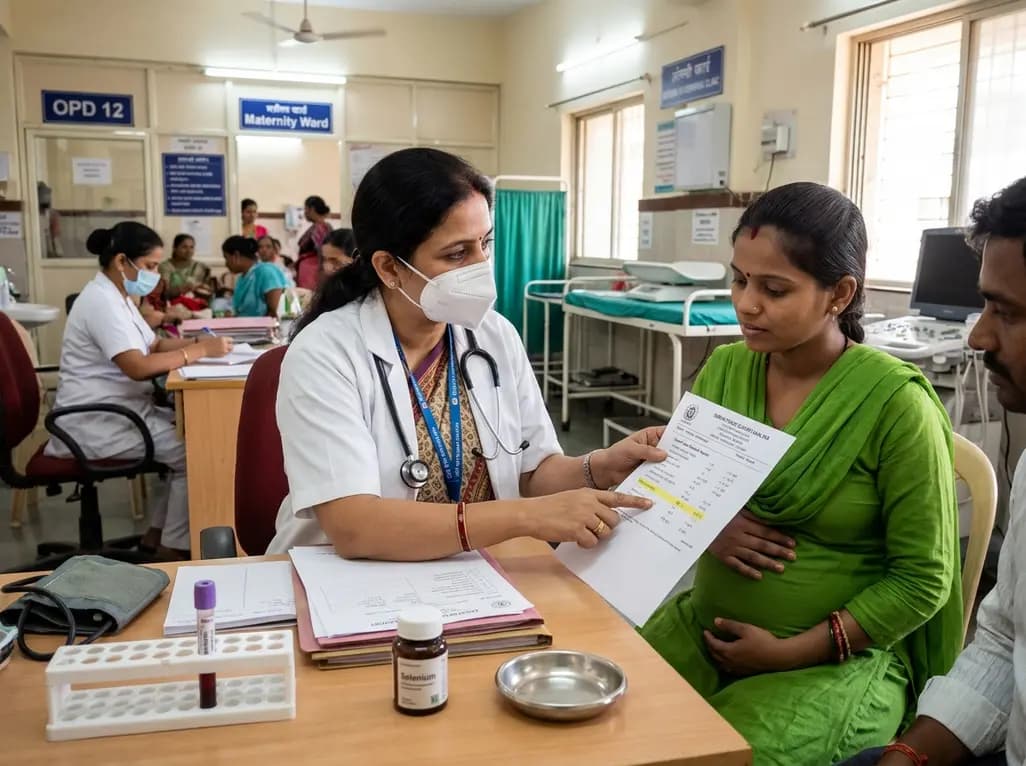
A prospective study reveals significant first-trimester trace-element alterations in pregnant women with epilepsy. Lower serum selenium independently predicted subsequent seizure recurrence despite prior remission, highlighting the vital clinical role of micronutrient profiling during antenatal care.
Today

A breakthrough preclinical study demonstrates that chronic citrulline supplementation selectively enhances acetylcholine-induced aortic vasodilation and prevents tunica media thickening in females, highlighting profound sex-specific vascular mechanisms and potential cardioprotective therapeutic avenues.
Today

A biomechanical study shows that removing a stripped nonlocking screw during metacarpal bridge plate fixation safely avoids hardware migration without reducing construct strength or creating a stress riser, resolving a common intraoperative dilemma in hand trauma surgery.
Today
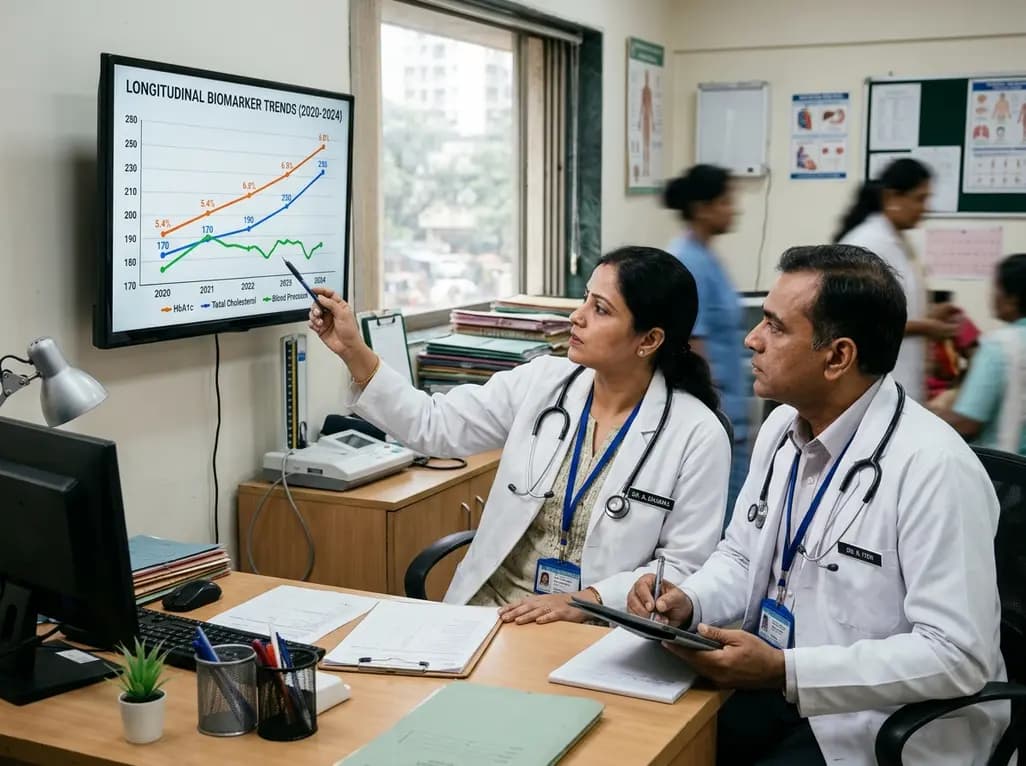
Annual health checks only offer static snapshots. Real-world evidence from 2.1 million insured Indians reveals that tracking dynamic biomarker trends over time enables clinicians to spot evolving cardiometabolic risks early, reverse borderline pathology, and deliver tailored preventive interventions.
Yesterday
