

Loading, please wait...
Loading, please wait...

Vascular aging presents a formidable challenge in cardiovascular medicine because it progressively degrades endothelial function and arterial compliance. Over time, diminishing nitric oxide bioavailability accelerates arterial stiffening and luminal narrowing across mammalian species. In response to this degenerative process, citrulline supplementation has emerged as an attractive metabolic intervention to sustain vascular tone. Because citrulline bypasses first-pass hepatic metabolism, it efficiently replenishes circulating arginine pools. A recent experimental study evaluated how chronic administration of this amino acid alters thoracic aortic structure and reactivity. Strikingly, the investigators discovered distinct sex-divergent vascular adaptations. While treated animals displayed biochemical shifts, functional restoration occurred exclusively in females.
The vascular endothelium acts as a dynamic autocrine and paracrine organ that coordinates vascular resistance. Specifically, endothelial nitric oxide synthase converts substrate molecules into nitric oxide to promote smooth muscle relaxation. During physiological aging, oxidative stress uncouples this enzymatic pathway and degrades vascular elasticity. Consequently, reduced nitric oxide bioavailability triggers persistent vasoconstriction, chronic inflammation, and arterial stiffening. Many aging individuals develop accelerated vascular phenotypes that heighten ischemic heart disease risks. Therefore, therapeutic strategies that restore endothelial integrity remain an urgent clinical priority. Traditional approaches often rely on direct arginine administration to increase nitric oxide output. However, extensive hepatic arginase breakdown significantly limits systemic arginine delivery. In contrast, oral citrulline bypasses splanchnic extraction and converts to arginine within the renal parenchyma. This metabolic pathway sustains higher, steady plasma arginine concentrations over extended intervals. Furthermore, elevated substrate availability facilitates endothelial repair and counteracts oxidative stress. Experimental models confirm that maintaining adequate substrate delivery prevents microvascular rarefaction. As a result, restoring baseline nitric oxide synthesis protects major conduit arteries from irreversible mechanical exhaustion.
Vascular remodeling involves profound structural modifications within the arterial tunica media and intima. As mammals age, smooth muscle cells proliferate abnormally and deposit disorganized collagen fibers. Consequently, medial thickness expands, leading to diminished arterial compliance and elevated pulsatile hemodynamic stress. In the latest Sprague-Dawley rat trial, researchers evaluated these specific morphometric alterations across sexes. Middle-aged animals received oral citrulline supplementation for twelve consecutive weeks at standard dosages. Histological examinations revealed marked sex-specific disparities in structural preservation. Untreated female controls exhibited progressive aortic wall thickening and an unfavorable intima-to-media ratio. In contrast, treated female rats preserved normal tunica media architecture and avoided compensatory hypertrophy. Male counterparts, however, demonstrated persistent medial expansion despite identical nutritional dosing. These findings demonstrate that citrulline supplementation confers targeted structural protection against adverse aortic remodeling in females. Moreover, preventing media thickening mitigates the development of premature arterial stiffness. Preserving normal laminar architecture ensures efficient central pulse wave propagation and reduces cardiac afterload. Thus, dietary citrulline serves as a potent structural defense mechanism against sex-dependent vascular aging.
Beyond structural remodeling, vascular function relies directly on dynamic receptor-mediated endothelial relaxation. Researchers evaluated this capacity in vitro using isolated thoracic aortic rings suspended in organ baths. Following precontraction with phenylephrine, tissues received cumulative doses of acetylcholine to measure vasorelaxation responses. Female rats receiving citrulline supplementation achieved significantly higher maximal vasodilation than control females. Specifically, relaxation increased from forty-two percent in controls to over fifty-five percent in treated subjects. In contrast, male rats showed no meaningful improvement in acetylcholine-induced relaxation curves after treatment. This clear divergence indicates that citrulline enhances cholinergic signaling pathways preferentially in female vasculature. Furthermore, sodium nitroprusside testing confirmed that vascular smooth muscle sensitivity to exogenous nitric oxide remained intact. Therefore, the observed functional enhancement stemmed from enhanced endothelial production rather than altered muscular responsiveness. These data emphasize that female endothelium retains superior plasticity when metabolic substrates become abundant. Consequently, functional vasodilation protects downstream organs from hypoperfusion and pressure surges. Clinicians must recognize that endothelial therapeutic responses frequently diverge between biological sexes.
Understanding why female animals responded favorably while male animals remained refractory requires examining hormonal and metabolic interactions. Estrogen receptors, particularly estrogen receptor alpha, stimulate endothelial nitric oxide synthase expression and phosphorylation. When circulating citrulline elevates intracellular arginine levels, female endothelial cells efficiently funnel this precursor into vasoprotective pathways. In contrast, male vasculature often exhibits higher baseline arginase activity and greater superoxide generation. Consequently, uncoupled nitric oxide synthase in males produces harmful peroxynitrite instead of therapeutic nitric oxide. Moreover, testosterone and estrogen exert opposing influences on vascular smooth muscle cell proliferation and extracellular matrix deposition. Because female sex steroids suppress collagen cross-linking, the female aorta adapts rapidly to nutritional interventions. Similarly, renal enzymes that convert citrulline into arginine may demonstrate sex-dependent expression and activity profiles. As a result, females may achieve greater bioavailable nitric oxide levels at equivalent supplemental doses. In addition, female vasculature exhibits enhanced antioxidant defense enzymes, including superoxide dismutase. These combined biochemical characteristics protect newly synthesized nitric oxide from premature oxidative inactivation. Thus, sexual dimorphism in metabolic handling governs arterial responsiveness to amino acid therapy.
These experimental observations offer significant translational value for cardiovascular medicine and geriatric therapeutics. Aging women experience a dramatic rise in arterial stiffness and isolated systolic hypertension following menopause. Because estrogen depletion impairs endogenous nitric oxide synthesis, postmenopausal women display heightened vulnerability to microvascular angina and heart failure. Clinical trials in hypertensive postmenopausal cohorts already indicate that citrulline improves brachial flow-mediated dilation and reduces aortic pulsatile pressure. Therefore, identifying targeted nutritional regimens could provide non-pharmacological support to sustain conduit artery elasticity. However, clinicians must interpret rodent findings cautiously before directly extrapolating these results to everyday human clinical protocols. Human vascular aging encompasses multifactorial insults, including chronic dyslipidemia, diabetes, and lifelong lifestyle exposures. In addition, optimal dosage schedules and long-term safety endpoints require thorough validation in extensive randomized clinical trials. Future research must evaluate whether combining citrulline with established antihypertensive agents yields synergistic cardiovascular benefits. Furthermore, investigations should clarify whether younger females or older postmenopausal individuals derive equal vascular protection. Ultimately, these findings underscore the urgent necessity of designing personalized, sex-specific strategies to combat age-associated cardiovascular decline.
Female rats benefited due to favorable hormonal and enzymatic environments that enhance nitric oxide synthesis. Estrogen signaling actively promotes endothelial nitric oxide synthase activity while suppressing arginase expression. In contrast, male vasculature often displays higher baseline oxidative stress and elevated arginase activity. Consequently, males divert supplemental arginine toward pro-inflammatory polyamine pathways rather than vasodilatory nitric oxide production. Therefore, female endothelial cells effectively utilize citrulline to prevent medial thickening and sustain vasorelaxation.
Oral citrulline offers distinct pharmacokinetic advantages over direct arginine supplementation in clinical practice. Intestinal bacteria and hepatic arginase degrade a substantial proportion of oral arginine during first-pass clearance. In contrast, citrulline completely bypasses initial hepatic catabolism and circulates freely to the kidneys. Subsequently, renal tubular enzymes convert citrulline directly into endogenous arginine. This distinct metabolic route provides higher, sustained circulating arginine levels and enhances endothelial nitric oxide bioavailability without inducing gastrointestinal distress.
These findings provide important mechanistic rationale for targeting endothelial dysfunction in postmenopausal women. The decline in ovarian estrogen during menopause sharply reduces endogenous nitric oxide bioavailability and accelerates aortic stiffening. Because dietary citrulline selectively protected female vasculature in preclinical models, it may serve as an effective adjuvant therapy. Furthermore, clinical trials show that citrulline improves flow-mediated dilation and reduces wave reflection. Consequently, future interventions could exploit these sex-specific benefits to mitigate arterial aging.
Disclaimer: This content is for informational and educational purposes only... Refer to the latest local and national guidelines for clinical practice.
References

Read summarized clinical updates, watch expert medical content, and earn CME certifications right from your smartphone.
Open your smartphone camera to scan and install.





A breakthrough preclinical study demonstrates that chronic citrulline supplementation selectively enhances acetylcholine-induced aortic vasodilation and prevents tunica media thickening in females, highlighting profound sex-specific vascular mechanisms and potential cardioprotective therapeutic avenues.
Today
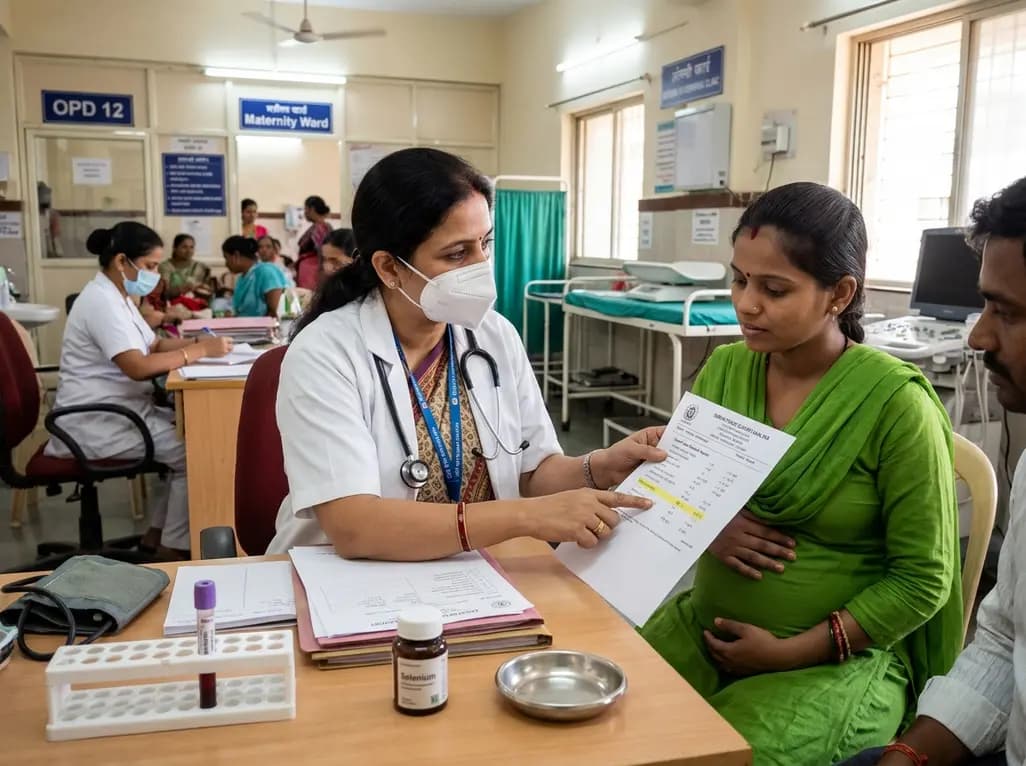
A prospective study reveals significant first-trimester trace-element alterations in pregnant women with epilepsy. Lower serum selenium independently predicted subsequent seizure recurrence despite prior remission, highlighting the vital clinical role of micronutrient profiling during antenatal care.
Today

With hypertension affecting over 300 million adults in India and household monitor penetration remaining under 5%, local manufacturing expansion of validated oscillometric devices marks a pivotal shift. This overview explores clinical protocols, diagnostic thresholds, and strategies to improve hypertension control.
Today
A biomechanical study shows that removing a stripped nonlocking screw during metacarpal bridge plate fixation safely avoids hardware migration without reducing construct strength or creating a stress riser, resolving a common intraoperative dilemma in hand trauma surgery.
Today
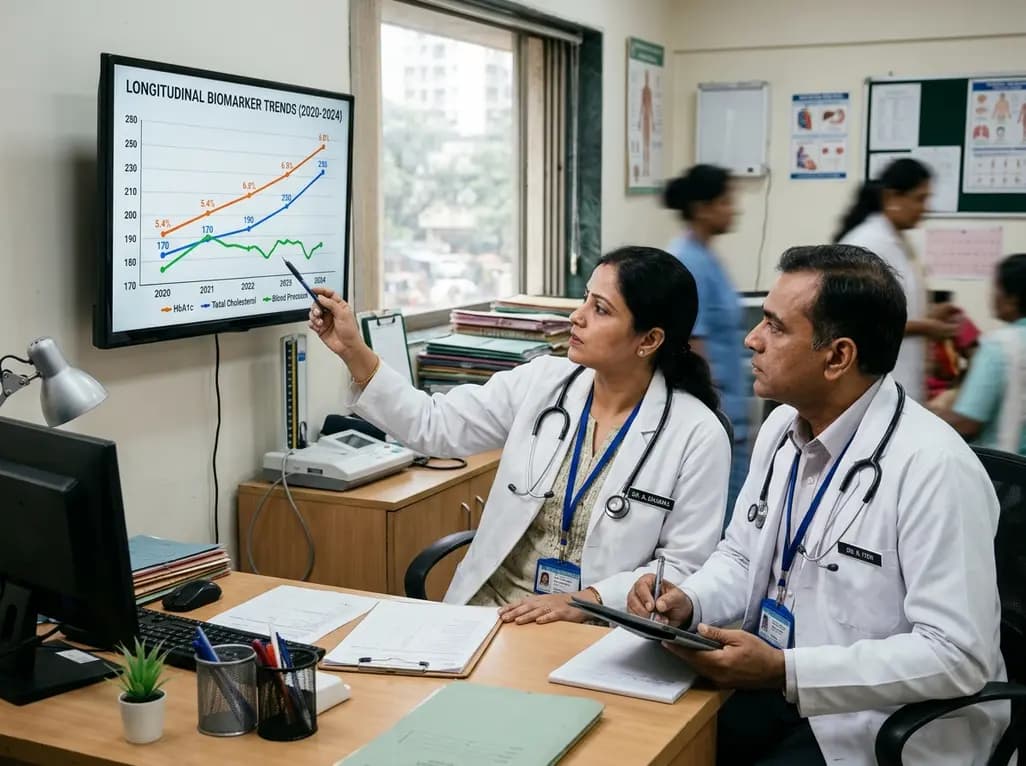
Annual health checks only offer static snapshots. Real-world evidence from 2.1 million insured Indians reveals that tracking dynamic biomarker trends over time enables clinicians to spot evolving cardiometabolic risks early, reverse borderline pathology, and deliver tailored preventive interventions.
Yesterday
