.webp&w=384&q=75)

Loading, please wait...
Loading, please wait...
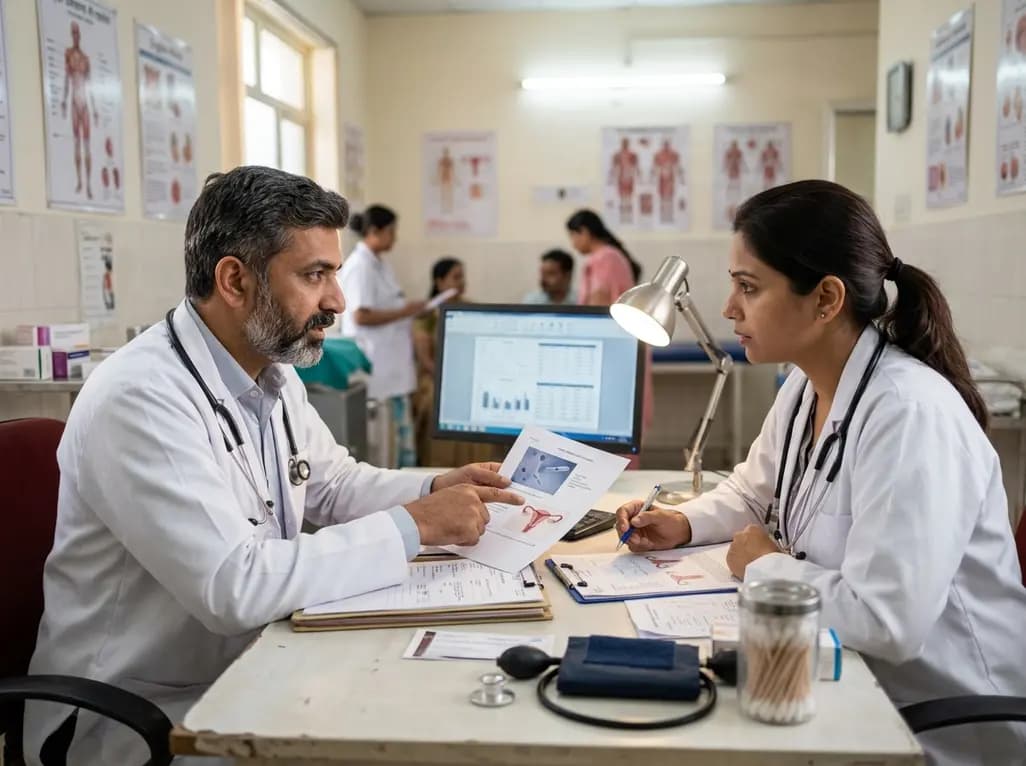
Infertility affects millions of couples worldwide, presenting complex clinical and emotional challenges. Historically, societal norms often placed the burden of reproductive failure solely on women. However, modern reproductive medicine recognizes that male and female infertility contribute equally to conception difficulties. A recent observational cross-sectional study highlighted the critical necessity of evaluating both partners concurrently from the very beginning. The researchers evaluated 276 couples who sought assisted reproductive technology (ART) services. The findings demonstrated that isolated female etiology accounted for only a subset of cases. In fact, an overwhelming majority of presenting couples presented with identifiable abnormalities across both sexes. Therefore, fertility specialists and primary care clinicians must discontinue sequential investigations. When clinicians evaluate partners in parallel, they identify compounding deficits much earlier. Consequently, parallel diagnostic testing shortens the frustrating journey toward successful pregnancy. In addition, prompt identification avoids unnecessary interventions and emotional distress. Evaluating male and female partners simultaneously also fosters shared responsibility. Thus, couples approach subsequent therapeutic decisions with mutual understanding and unified expectations. Clinicians must establish comprehensive diagnostic baseline testing as an immediate priority for every presenting couple.
Comprehensive semen analysis remains the cornerstone of male reproductive assessments. In the analyzed ART cohort, approximately 67% of men exhibited abnormal spermiograms based on standardized diagnostic criteria. Specifically, the commonest pathological finding was oligoasthenozoospermia, which occurred in 28% of all tested men. This condition combines low sperm concentration with poor motility, severely impeding spontaneous fertilisation. In addition, isolated or concurrent teratozoospermia affected roughly 24% of the male cohort. Abnormal morphology disrupts sperm-oocyte binding and subsequent penetration through the zona pellucida. Clinicians must remember that abnormal seminal parameters often reflect underlying systemic pathologies or environmental exposures. For example, varicoceles, chronic genitourinary tract infections, endocrine disruptions, and occupational toxin exposures frequently impair spermatogenesis. Therefore, andrologists must conduct thorough physical examinations and clinical interviews alongside basic spermiograms. Furthermore, physicians should order repeat semen analyses after appropriate abstinence intervals to confirm persistent seminal defects. Lifestyle modifications, targeted micronutrient support, and surgical interventions may correct specific pathologies. However, severe combined sperm deficits often necessitate advanced techniques, such as intracytoplasmic sperm injection (ICSI). Timely diagnostic semen evaluations allow clinicians to select the most appropriate reproductive strategy without delay.
On the female side of the diagnostic evaluation, the study revealed female factor infertility in 65% of cases. Crucially, menstrual history served as a powerful clinical predictor of underlying pathology. Women reporting irregular menstrual cycles faced more than twice the odds of infertility compared to women with regular menses (OR = 2.26, 95% CI: 1.14–4.47). Clinicians recognize irregular menstruation as a classic clinical indicator of ovulatory dysfunction, particularly polycystic ovary syndrome (PCOS). In addition, cycle irregularity may signal hypothalamic amenorrhea, thyroid abnormalities, hyperprolactinemia, or declining ovarian reserve. Consequently, obtaining a precise menstrual history provides valuable diagnostic direction during the initial consultation. Physicians must supplement this history with targeted baseline investigations, including transvaginal ultrasonography and serum hormonal assays. Transvaginal imaging reveals antral follicle count, uterine architecture, and potential endometrial anomalies. Furthermore, physicians should confirm tubal patency via hysterosalpingography or laparoscopy when clinically indicated. Identifying ovulatory failure early allows clinicians to institute prompt medical therapy, such as oral ovulation induction agents. However, clinicians must never overlook pelvic infections, tubal blockages, and pelvic endometriosis. When physicians identify these multifaceted issues early, they can tailor therapies to individual anatomical and endocrine needs.
One of the most striking findings from the clinical investigation was the high prevalence of concurrent male and female subfertility. Overall, 42% of the evaluated couples presented with simultaneous male and female reproductive defects. This substantial overlap underscores why treating one partner in isolation frequently fails. For instance, successfully inducing ovulation in an anovulatory woman yields poor clinical results if her partner has severe oligoasthenozoospermia. Similarly, improving sperm parameters through medical or surgical therapy cannot bypass bilateral tubal occlusion. Therefore, reproductive specialists must adopt a holistic, dual-partner framework for clinical management. When dual factors exist, the cumulative reproductive potential drops significantly. Consequently, intrauterine insemination often fails in the presence of combined severe pathology. Instead, couples with multifactorial infertility benefit most from direct escalation to assisted reproductive technologies like in vitro fertilisation. Early recognition of combined deficits saves precious time, particularly for women approaching advanced reproductive age. Furthermore, comprehensive joint evaluations prevent the common pitfall of false reassurance. When clinicians confirm normal findings in one partner, they must still complete the remaining evaluation. Holistic dual assessments ensure that couples receive tailored, realistic prognostic guidance.
Timely access to clinical fertility assessments significantly influences long-term success rates. Unfortunately, many subfertile couples experience substantial delays before seeking specialized fertility care. In low- and middle-income regions, prohibitive costs create substantial hurdles for couples who need advanced reproductive interventions. The original study highlighted that financial constraints prevent many couples from accessing essential diagnostic procedures and therapeutic ART services. Consequently, patients often present at advanced maternal ages, which drastically diminishes ovarian response and oocyte competence. Furthermore, deep-seated cultural stigmas frequently prolong denial and deter male partners from undergoing semen analyses. In India and similar developing settings, public healthcare systems rarely provide comprehensive fertility coverage. Therefore, out-of-pocket healthcare expenses push essential reproductive care out of reach for vulnerable socioeconomic groups. Policymakers and healthcare leaders must formulate targeted initiatives to remove these pervasive financial barriers. Expanding subsidized fertility services and integrating basic workups into primary healthcare can transform outcomes. Additionally, public education campaigns must normalize male fertility testing to demystify reproductive disorders. Reducing systemic delays ensures that couples receive timely therapeutic interventions when their biological reproductive potential remains favorable.
General practitioners and gynecologists occupy pivotal positions on the frontline of fertility management. Clinicians should initiate formal evaluations if conception does not occur after twelve months of unprotected intercourse. However, for women older than 35 years, investigations should begin after six months of unsuccessful attempts. Clinicians should also initiate immediate testing if patients exhibit obvious risk factors, such as severe oligomenorrhea or known pelvic surgery. The primary diagnostic algorithm must remain streamlined, standardized, and cost-effective. Initial protocols must combine semen analysis, ovulatory confirmation, and uterine-tubal assessment. Moreover, clinicians should prioritize healthy lifestyle counseling, addressing obesity, tobacco consumption, and environmental exposures during early visits. If conservative therapy or ovulation induction fails within six cycles, physicians should promptly refer couples to accredited ART centers. Delaying advanced interventions while repeating unproven therapies compromises cumulative clinical pregnancy rates. Furthermore, streamlined referral pathways preserve financial resources that couples can redirect toward effective ART procedures. Ultimately, proactive clinical coordination empowers couples, accelerates diagnostic clarity, and maximizes successful parenthood outcomes across diverse healthcare settings.
Concurrent evaluation ensures that clinicians identify all contributing reproductive barriers without unnecessary delay. Infertility involves both partners in more than 40% of cases. If doctors only investigate the female partner, they miss underlying male factor pathologies like oligozoospermia. Similarly, treating male abnormalities in isolation cannot overcome undiagnosed tubal occlusion or anovulation. Therefore, evaluating both individuals together saves valuable reproductive time, guides appropriate ART selection, and reduces emotional strain on the couple.
Oligoasthenozoospermia is a seminal defect characterized by low sperm concentration alongside reduced progressive sperm motility. This combined abnormality impairs the ability of sufficient viable spermatozoa to ascend the female genital tract and fertilize the oocyte naturally. Common etiologies include varicoceles, genitourinary infections, hormonal deficiencies, and lifestyle factors. While mild cases may occasionally respond to medical or lifestyle interventions, moderate to severe cases generally require assisted reproductive technologies, specifically intracytoplasmic sperm injection.
Irregular menstrual cycles strongly indicate underlying ovulatory dysfunction, which accounts for a major portion of female subfertility. Conditions like polycystic ovary syndrome, hyperprolactinemia, thyroid disorders, and diminished ovarian reserve disrupt regular follicular development and oocyte release. As demonstrated in clinical studies, women with irregular cycles exhibit more than twice the odds of infertility compared to those with predictable cycles. Therefore, early cycle monitoring and hormonal testing are essential to guide timely ovulation induction.
Disclaimer: This content is for informational and educational purposes only and does not constitute medical advice, diagnosis, or treatment. Healthcare professionals should rely on their clinical judgment and verify all medical information independently. Refer to the latest local and national guidelines for clinical practice.
References

Read summarized clinical updates, watch expert medical content, and earn CME certifications right from your smartphone.
Open your smartphone camera to scan and install.





A cross-sectional study of 276 couples highlights that 42% suffer from combined male and female infertility. With 67% of men showing abnormal spermiograms and 65% of women having female-factor causes, clinicians must prioritize concurrent evaluations and early referral to improve assisted reproductive outcomes.
Today

A randomized controlled trial demonstrates that a 12-week Tai Chi program significantly reduces post-transplant fatigue, enhances sleep quality, and increases 6-minute walk distance in renal transplant recipients, providing a safe and effective non-pharmacological rehabilitative exercise therapy.
Today

A study shows that the aggregate index of systemic inflammation (AISI) significantly associates with elevated myocardial injury markers, including cardiac troponin T and CK-MB, in patients with coronary heart disease, highlighting its potential utility for cardiovascular risk stratification.
Today

The state government is deploying helicopter emergency medical services across the Mumbai-Pune Expressway, Samruddhi Mahamarg, and Mumbai-Goa Highway. This initiative establishes unified standard operating procedures to enable rapid triage, advanced prehospital resuscitation, and seamless trauma care transfers.
Today

Calcimimetic therapy for primary hyperparathyroidism can induce profound tumor fibrosis, necrosis, and reduced vascularity. These changes alter ultrasound and 4D-CT imaging and cause dense recurrent laryngeal nerve adhesions, requiring heightened surgical vigilance during definitive parathyroidectomy.
Today
