.webp&w=384&q=75)

Loading, please wait...
Loading, please wait...

Effective clinical microbiology relies on the swift identification of pathogens. Traditionally, identifying microorganisms requires hours or days of culturing to reach sufficient biomass. However, a groundbreaking study by El Ghalid M et al. introduces a culture-independent method for MALDI-TOF bacterial identification directly from freeze-dried samples. This advancement could revolutionize how biobanks and diagnostic labs handle conserved bacterial strains.
Researchers at the Institut Pasteur developed this method to streamline sample processing. They reconstituted freeze-dried bacteria in saline solution and used mechanical lysis. Afterward, they extracted proteins using acetonitrile and formic acid. The final step involved analysis through MALDI-TOF mass spectrometry. This technique bypasses the need for traditional incubation, which often delays results by 24 to 48 hours.
The study tested twenty-five different bacterial species to ensure broad applicability. Consequently, the team established a reliable Optical Density (O.D.) threshold. Strains exceeding this threshold were consistently and accurately identified every time. Therefore, this approach provides a robust alternative for characterizing diverse taxonomic groups. Furthermore, it significantly reduces the time-to-result for laboratory workflows. This method ensures accuracy regardless of the specific taxonomy.
The method uses mechanical lysis and chemical extraction to isolate proteins directly from the freeze-dried state. This process provides enough protein for MALDI-TOF analysis without waiting for bacterial growth in an incubator.
For clinical biobanks and reference laboratories, this approach accelerates the verification of stored strains. It reduces labor and reagent costs while providing taxonomic identification in a fraction of the time required by conventional methods.
Disclaimer: This content is for informational and educational purposes only. It does not constitute medical advice or a professional relationship between the reader and the author. While we strive for accuracy, medical knowledge is constantly evolving. Refer to the latest local and national guidelines for clinical practice.
References
1. El Ghalid M et al. Freeze-Dried-Conserved Bacteria Can Be Identified by Matrix-Assisted Laser Desorption/Ionization Time-of-Flight Mass Spectrometry Without the Need of Prior Culturing. Biopreserv Biobank. 2026 Apr 06. doi: 10.1177/19475535261420921. PMID: 41937720.
2. Segawa S et al. MALDI-Based Mass Spectrometry in Clinical Testing: Focus on Bacterial Identification. MDPI. 2022 Mar 09. doi: 10.3390/app12062831.
3. bioMerieux. Mass Spectrometry MALDI-TOF Technology Species Level Identification. biomerieux.com. 2021.

Read summarized clinical updates, watch expert medical content, and earn CME certifications right from your smartphone.
Open your smartphone camera to scan and install.





A new study reveals that MALDI-TOF MS can identify freeze-dried bacteria without prior culturing, significantly speeding up taxonomic characterization....
6 months ago
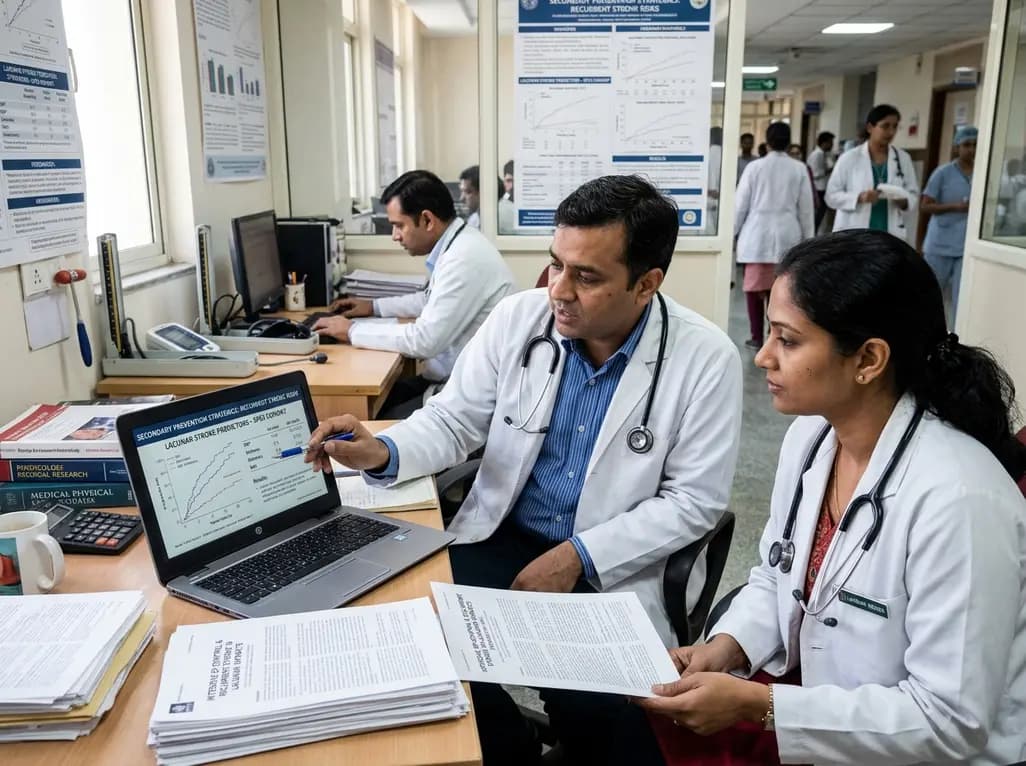
Explore vital recurrent stroke predictors in lacunar stroke patients managed with intensive blood pressure lowering. This analysis examines trial findings from SPS3 to uncover residual vascular risks, metabolic factors, and targeted secondary prevention strategies for high-risk neurological patients.
Today
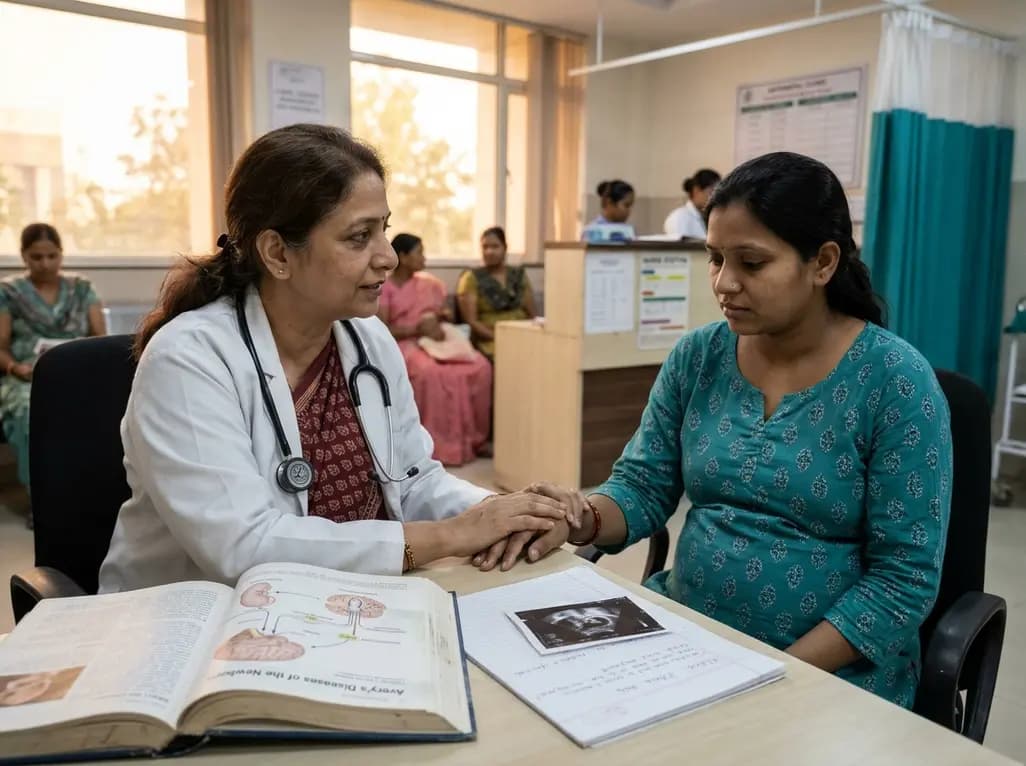
A comprehensive scoping review synthesises evidence linking prenatal maternal mental health to long-term offspring neurodevelopment, evaluating neuroendocrine, inflammatory, and epigenetic pathways while highlighting clinical screening and future research priorities.
Today

The Directorate General of Health Services directs Indian states to halt the hazardous reuse and reprocessing of single-use medical devices. Discover regulatory implications under the Drugs and Cosmetics Act, critical infection risks, legal liabilities, and operational changes required across clinical specialties.
Today
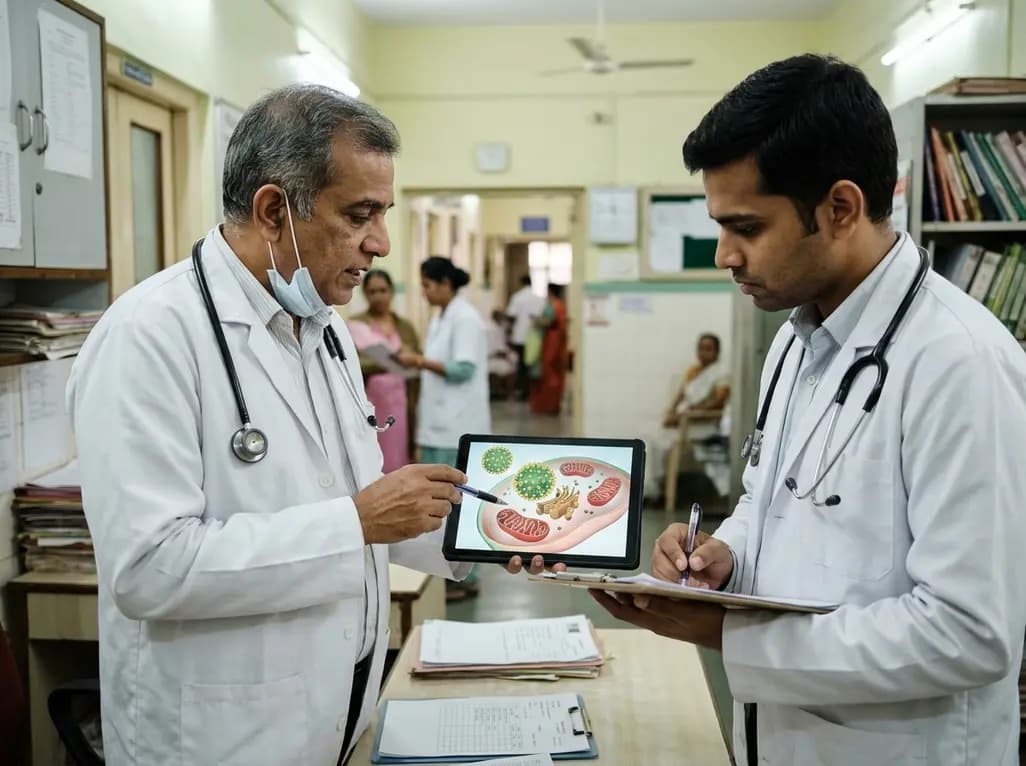
Mitochondria-targeted nanoparticles self-assembled from EGCG and L-glutamic acid effectively restore mitochondrial homeostasis, suppress synovial inflammation, and attenuate chondrocyte senescence in osteoarthritis, offering a promising disease-modifying nanotherapy.
Today

India is advancing preventive healthcare by integrating genomics, artificial intelligence, and quantum technologies. With the SANGAM programme sequencing one million Indian genomes, clinicians can unlock personalized therapies, detect cardiometabolic risks early, and curb the burden of diabetes and heart disease.
Today
