.webp&w=384&q=75)

Loading, please wait...
Loading, please wait...
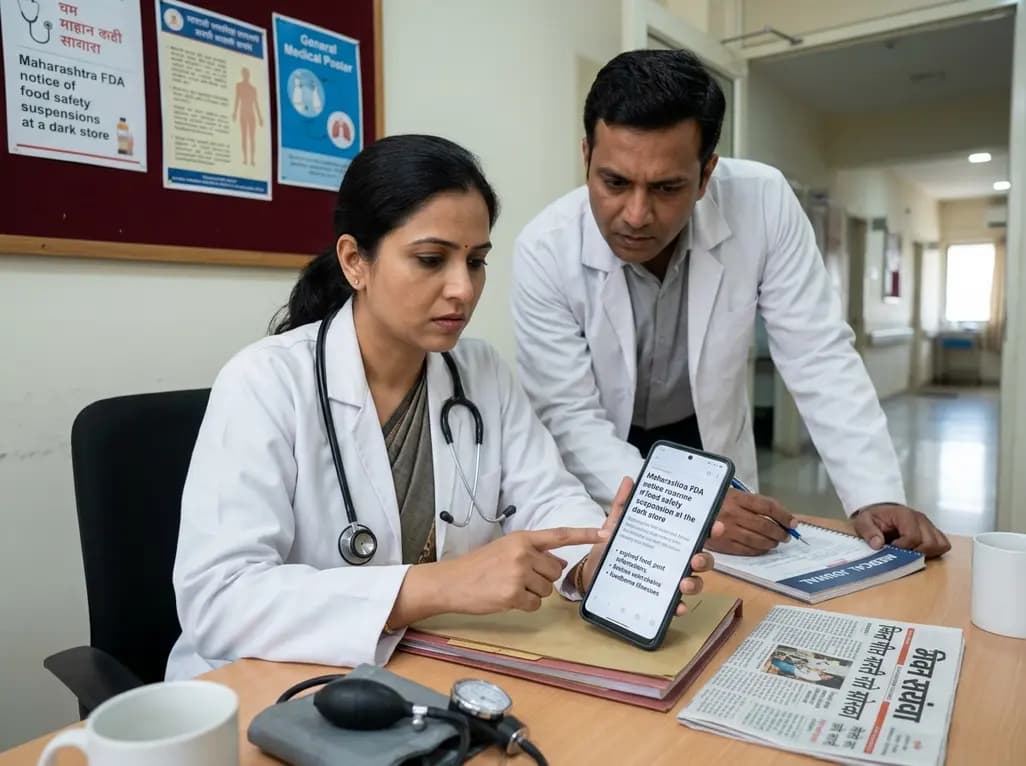
Public health authorities recently uncovered severe food safety violations across multiple rapid-delivery hubs in Maharashtra. The Food and Drug Administration conducted a comprehensive statewide enforcement drive targeting quick-commerce platforms. Consequently, regulatory officers inspected 86 delivery dark stores and suspended 14 commercial operating licences due to extensive hygienic and procedural non-compliance.
The Maharashtra Food and Drug Administration launched extensive inspections across major metropolitan areas including Mumbai, Pune, and Satara. During this targeted drive, inspectors thoroughly audited 86 facilities operated by leading platforms like Blinkit, Zepto, and Instamart. Regulators subsequently issued 60 formal improvement notices and halted operations at non-compliant centers. Furthermore, authorities suspended 14 operational licences after detecting grave threats to consumer safety. Specifically, the suspensions impacted five Blinkit facilities, five Zepto locations, two Instamart units, and two independent partner logistics entities. Officials took these stringent enforcement actions under the Food Safety and Standards Act of 2006. Importantly, the regulatory body emphasized that rapid commercial delivery speeds cannot compromise basic sanitary protocols. The investigation uncovered widespread non-compliance with statutory storage standards and mandatory licensing mandates. Therefore, state regulators ordered immediate operational pauses until companies correct all structural and procedural deficits.
The state regulatory inspections revealed widespread food safety violations that directly jeopardize consumer health. For example, investigators discovered several perishable food items displayed and stored well beyond their declared Use By dates. In addition, dark stores frequently violated fundamental First In, First Out and First Expired, First Out inventory management protocols. Inspectors in Pune and Mumbai reported rampant cockroach infestations and unhygienic warehouse environments. Moreover, multiple facilities stored unpacked food packages directly on contaminated warehouse floors. In one Mumbai facility, the chiller room registered a temperature of 6 degrees Celsius, which violates safety norms for chilled perishables. Regulators also documented damaged, rusting storage racks and completely inadequate segregation between vegetarian, non-vegetarian, dairy, and raw food items. Additionally, around 40 food handlers at a single site lacked mandatory medical fitness examinations. Delivery riders also operated without required identification cards or verified health certifications, creating substantial contamination risks across the distribution chain.
Breaches in the commercial cold chain create immediate microbiological hazards for the general public. When operators store frozen and chilled products above required preservation temperatures, bacterial pathogens multiply rapidly. Microorganisms such as Salmonella enterica, Listeria monocytogenes, and Escherichia coli thrive in these sub-optimally cooled environments. Furthermore, poor temperature control accelerates the production of bacterial enterotoxins that survive subsequent domestic cooking processes. Clinicians frequently encounter patients presenting with acute bacterial gastroenteritis following the consumption of temperature-abused dairy, meat, and processed ready-to-eat meals. Ingestion of spoiled food can trigger severe abdominal cramps, violent emesis, dehydrating diarrhea, and systemic febrile responses. In particular, Listeria contamination presents an insidious risk because the pathogen continues replicating even at low positive temperatures. Consequently, compromised cold chains transform everyday groceries into vectors for severe foodborne outbreaks, necessitating increased clinical vigilance among primary healthcare providers.
Foodborne illnesses resulting from warehouse contamination disproportionately threaten high-risk patient demographics. For instance, elderly individuals, pregnant women, young children, and immunocompromised patients face significant complications from opportunistic pathogens. Maternal listeriosis can lead to miscarriage, stillbirth, or severe neonatal septicemia. Similarly, toxigenic bacterial infections can rapidly cause severe dehydration and electrolyte imbalances in pediatric and geriatric populations. Moreover, pest infestations in warehouses introduce enteric pathogens such as Shigella species and Campylobacter into packaged consumables. Cross-contamination between raw meats and ready-to-eat dairy products further magnifies the clinical severity of these infections. In severe presentations, patients may develop extraintestinal complications, including hemolytic uremic syndrome, reactive arthritis, or bacteremia. Therefore, physicians must obtain thorough dietary histories from patients who present with sudden gastrointestinal symptoms after consuming quick-delivery groceries. Early diagnosis and aggressive rehydration remain critical in preventing severe clinical outcomes.
Preventing retail-level food contamination requires rigorous adherence to statutory protocols established by the Food Safety and Standards Authority of India. Food business operators must maintain continuous digital temperature logs for all freezers and chillers. Furthermore, facilities must enforce strict pest control protocols, complete with routine third-party audits and documentation. Warehouse supervisors must ensure that workers strictly implement First Expired, First Out stock rotation to prevent expired merchandise from reaching consumers. Additionally, operators must mandate comprehensive personal hygiene gear, including hairnets, clean aprons, and gloves, for all internal handlers. Routine medical fitness examinations and vaccinations for handlers and delivery personnel represent essential legal safeguards against infectious transmission. Warehouses must also maintain dedicated, physically separated storage zones for vegetarian, non-vegetarian, raw, and cooked inventories. Ultimately, maintaining uncompromising supply chain hygiene is an indispensable public health imperative that platforms must not compromise for operational delivery speed.
Q1: Why did the Maharashtra FDA suspend the licences of multiple quick commerce dark stores?
The regulatory authority suspended 14 commercial licences after discovering critical lapses during statewide inspections. Major infractions included keeping expired foods past their Use By dates, broken cold chain storage, severe cockroach infestations, and lack of worker medical fitness certificates. Regulators also cited improper food segregation and failures in basic inventory rotation practices across the audited facilities.
Q2: What primary clinical risks arise when cold chain storage protocols fail in food warehouses?
Cold chain interruptions allow hazardous foodborne pathogens like Salmonella, Listeria, and E. coli to proliferate rapidly in perishables. Consuming temperature-abused dairy, meats, or prepared meals can cause acute gastroenteritis, toxic food poisoning, severe dehydration, and systemic infections. Furthermore, heat-stable enterotoxins produced during temperature abuse often remain dangerous even after thorough home cooking.
Q3: How can primary care physicians identify illnesses linked to quick commerce food contamination?
Clinicians should routinely obtain detailed food source histories from patients presenting with sudden nausea, vomiting, fever, or watery diarrhea. Inquiring about recently delivered perishables, pre-cut produce, or dairy from rapid delivery platforms helps identify potential exposures. In severe cases, prompt stool cultures, electrolyte monitoring, and targeted antimicrobial or supportive fluid therapy are essential interventions.
Disclaimer: This content is for informational and educational purposes only. It does not constitute medical advice or replace professional judgment. Refer to the latest local and national guidelines for clinical practice.
References

Read summarized clinical updates, watch expert medical content, and earn CME certifications right from your smartphone.
Open your smartphone camera to scan and install.





The Maharashtra FDA suspended 14 food business licences linked to Blinkit, Zepto, and Instamart following inspections of 86 dark stores. Major breaches included expired food items, pest infestations, broken cold chains, and uncertified delivery staff, raising significant concerns over foodborne illnesses.
last month

Groundbreaking research reveals that naive CD8 T cells are not functionally uniform. Over time, prolonged homeostatic tonic TCR signaling primes long-lived naive cells into superior effectors with enhanced survival and memory potential, providing new opportunities for immunotherapy and vaccine design.
Today
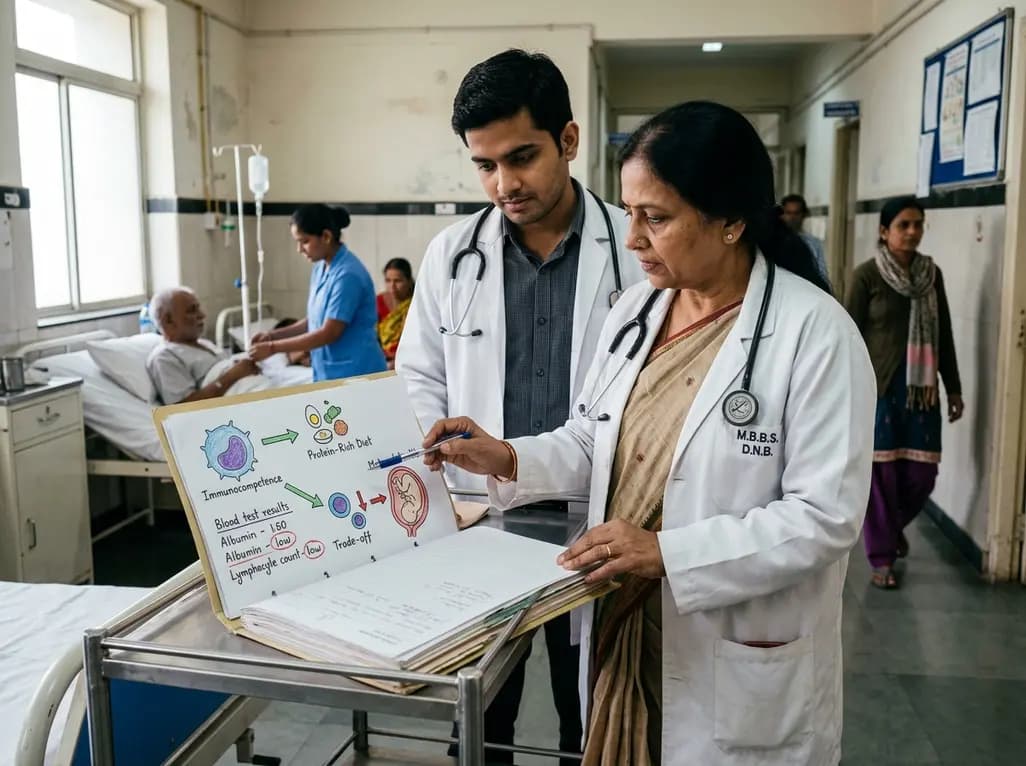
Explore the crucial link between dietary protein and immunocompetence. This review examines how low-protein nutrition shifts metabolic resources away from pathogen defense toward early reproduction, compromising host survival and immunity against severe bacterial infections.
Today
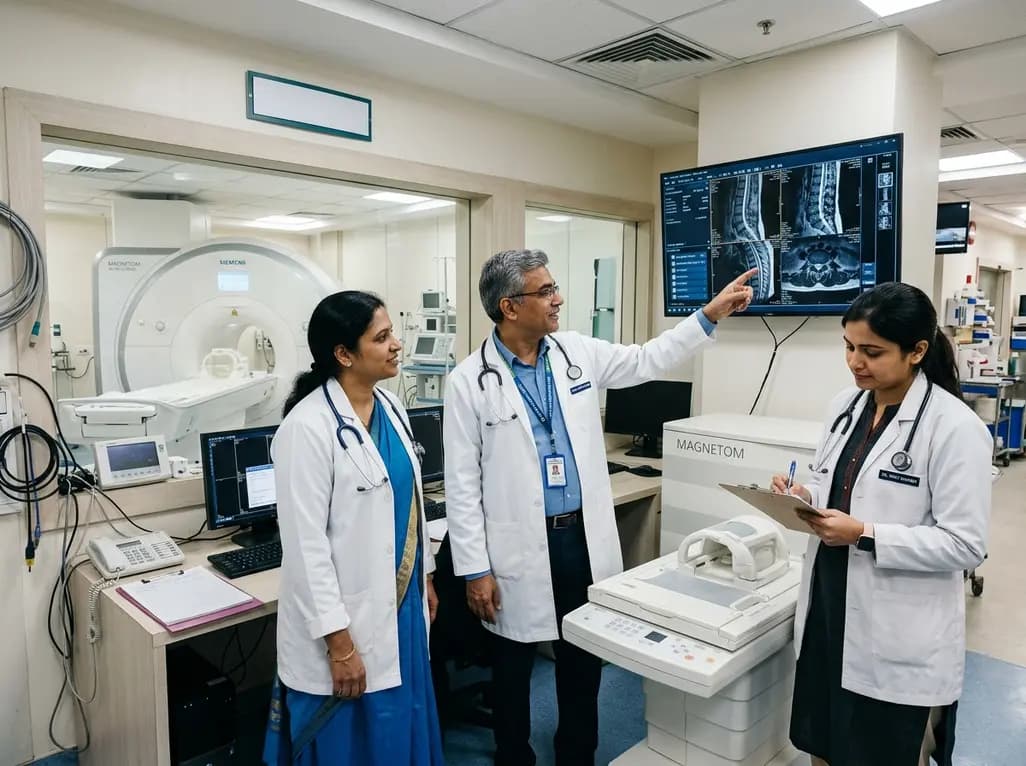
Under India's PLI initiative, domestic production of 57 critical medical devices has commenced, including MRI and CT scanners, cath labs, and heart valves. Global partnerships and local investments are expanding high-end technology, curbing import reliance, and strengthening clinical accessibility nationwide.
Today
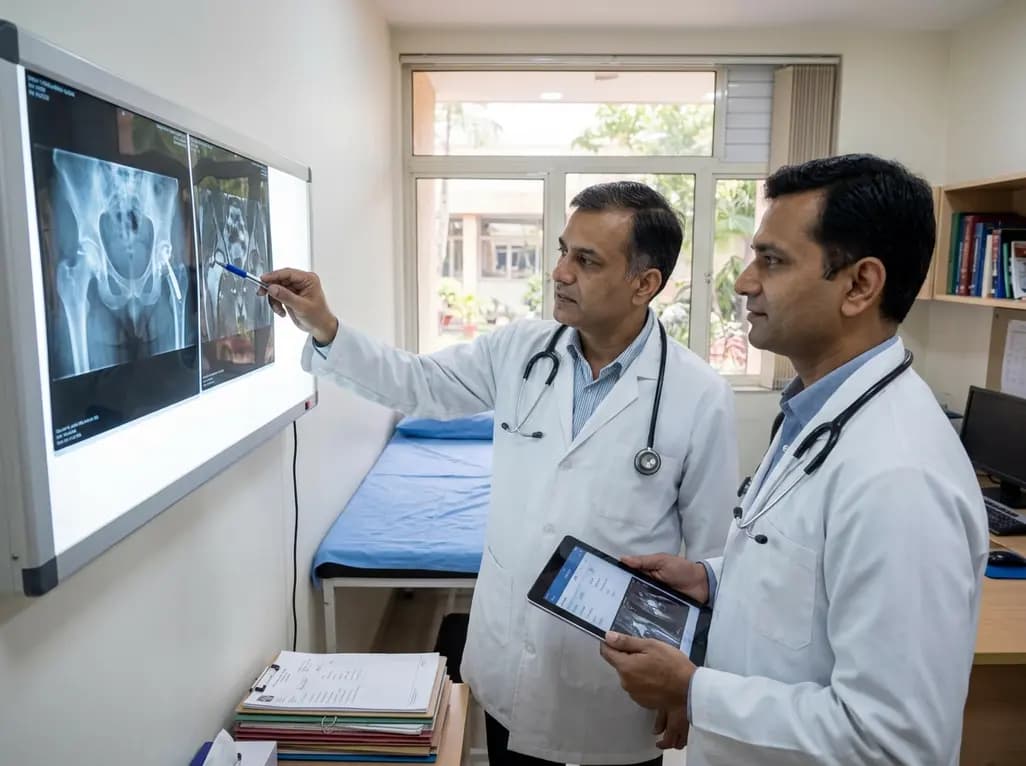
A longitudinal study reveals that patients undergoing staged bilateral hip arthroscopy experience progressive contralateral labral deterioration during surgical intervals. However, structural degradation does not compromise 2-year postoperative clinical outcomes or patient-reported satisfaction scores.
Today
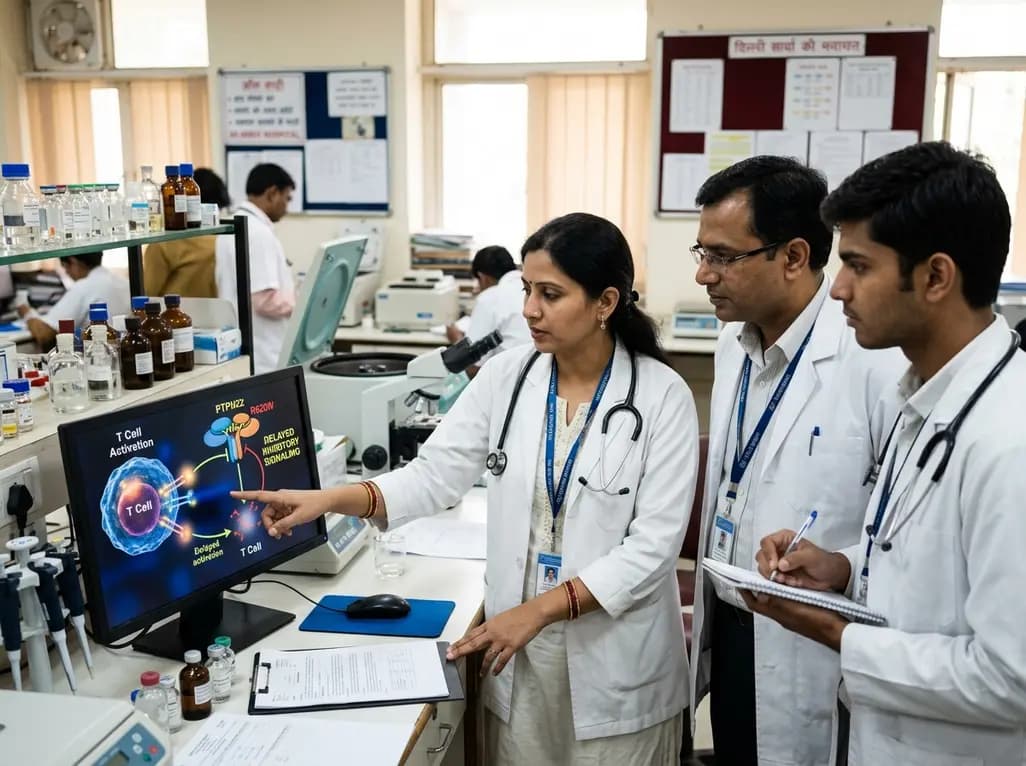
New immunological research reveals how PTPN22 forms a delayed inhibitory signaling complex to restrain T cell activation, explaining how the autoimmune-linked R620W variant disrupts feedback control and promotes persistent inflammation in conditions like rheumatoid arthritis and type 1 diabetes.
Today
