.webp&w=384&q=75)

Loading, please wait...
Loading, please wait...

Modern neuro-oncology faces significant challenges in managing brain metastases. Surgeons often perform resections for large symptomatic lesions to alleviate mass effect. Following surgery, Gamma Knife radiosurgery (GKRS) serves as a standard adjuvant therapy to manage the resection cavity. However, predicting long-term Gamma Knife Radiosurgery Outcomes remains difficult due to the complex interaction of clinical variables. Consequently, clinicians struggle to determine which patients require intensive surveillance versus routine follow-up. This proof-of-concept study introduces a machine learning framework designed to improve local control (LC) prediction accuracy. By utilizing routinely available treatment-time data, researchers aim to provide a quantitative risk stratification tool. Such advancements are particularly relevant in India, where the burden of metastatic disease is rising. Furthermore, integrating artificial intelligence into oncology workflows helps optimize resource allocation in busy tertiary care centers.
Historically, whole-brain radiation therapy was the primary treatment for multiple brain metastases. Nevertheless, the shift toward stereotactic radiosurgery has reduced cognitive toxicity while maintaining high efficacy. Specifically, treating the post-resection cavity rather than the entire brain preserves quality of life. Despite these technological improvements, local control rates after radiosurgery still vary significantly between patients. Some cavities respond exceptionally well, whereas others show rapid recurrence. Therefore, understanding the underlying drivers of local failure is essential for personalized medicine. Notably, this retrospective study analyzed 401 post-resection cavities treated over a decade. Researchers focused on the primary endpoint of local control to assess the utility of machine learning. Ultimately, the goal is to move beyond one-size-fits-all treatment protocols. By identifying high-risk patients early, multidisciplinary teams can adjust follow-up schedules or consider escalating adjuvant therapies. Resultantly, this approach could significantly improve patient survival and neurological stability.
Artificial intelligence offers powerful methods to analyze non-linear relationships in medical datasets. In this study, the research team evaluated multiple models, including a gradient boosting classifier and a feedforward neural network. Interestingly, the gradient boosting model emerged as the superior tool for predicting Gamma Knife Radiosurgery Outcomes. While neural networks are often popular in image recognition, gradient boosting frequently performs better on structured tabular data. Specifically, the gradient boosting model achieved a receiver operating characteristic area under the curve (ROC-AUC) of 0.735. In contrast, the neural network performed worse with an ROC-AUC of 0.672. Furthermore, the model demonstrated a precision-recall AUC (PR-AUC) of 0.802, suggesting high reliability in identifying local control. These metrics indicate that machine learning can meaningfully stratify patients based on their risk profiles. Consequently, these computational tools provide a significant improvement over simple prevalence-based baseline predictions. Therefore, clinicians should consider incorporating these algorithms into their decision-making processes for post-resection management.
The success of predictive modeling depends heavily on selecting relevant input features. This study utilized eight routine treatment-time variables to train the algorithm. These features included patient age, sex, and pre-treatment Karnofsky Performance Status (KPS). Additionally, the model considered the primary tumor category and whether the patient had single or multiple metastases. Importantly, anatomical factors such as the lobe structure, eloquence of the brain region, and total cavity volume were included. Specifically, cavity volume often plays a critical role in local control, as larger cavities present more complex target definitions. Moreover, the eloquence of the location influences the risk-benefit ratio of aggressive radiation dosing. By synthesizing these diverse variables, the gradient boosting classifier identifies patterns that are often invisible to the human eye. Thus, the model provides a comprehensive snapshot of the patient’s clinical status at the time of treatment. Consequently, this multi-factorial analysis ensures that the resulting risk stratification is both robust and clinically actionable.
Implementing artificial intelligence in the Indian healthcare context requires careful consideration of local data and infrastructure. Leading Indian institutions, such as AIIMS and major private oncology networks, are already adopting Gamma Knife technologies like the Perfexion or Esprit models. However, the integration of predictive algorithms remains in its early stages. Furthermore, the high volume of patients seen in Indian cancer centers makes efficient triage tools highly valuable. Specifically, a validated model could help Indian oncologists prioritize limited imaging resources for patients at high risk of local failure. Consequently, this would ensure that those most likely to benefit from early intervention receive timely care. Moreover, the use of routinely available variables means that no expensive additional tests are required. Therefore, these models are cost-effective and scalable across different regions of the country. Ultimately, the successful deployment of AI-driven tools depends on prospective validation within the Indian population to ensure accuracy across diverse genetic and clinical backgrounds.
While this proof-of-concept study shows great promise, the path to widespread clinical adoption requires further steps. Specifically, the gradient boosting model must undergo external validation using datasets from different institutions. This ensures that the algorithm generalizes well to various patient demographics and surgical techniques. Furthermore, prospective clinical trials are necessary to determine if AI-guided surveillance actually improves patient outcomes. Interestingly, the researchers noted that current models still have room for improvement in specificity. At a probability threshold of 0.50, the model achieved a specificity of 0.566, suggesting a need for refined data inputs. Possibly, incorporating radiomic features from pre-treatment MRI scans could further boost performance. Nevertheless, the study provides a solid foundation for using quantitative tools in neuro-oncology. Therefore, future research should focus on refining these algorithms and integrating them into user-friendly clinical software. Resultantly, the next decade of radiosurgery will likely be defined by increasingly precise and data-driven patient management strategies.
The key predictors include the patient\'s Karnofsky Performance Status, the volume of the resection cavity, and the primary tumor type. Additionally, the location of the metastasis and its proximity to eloquent brain regions significantly influence outcomes. These eight clinical features combined allow machine learning models to stratify local control risk effectively.
Machine learning, particularly gradient boosting models, outperforms traditional prevalence-based predictions by analyzing complex, non-linear interactions between variables. While a chance-level baseline provides an AUC of 0.494, the machine learning model achieved an AUC of 0.735. This suggests a significant improvement in identifying patients likely to experience local failure.
Predicting local control is vital because post-resection cavities have variable recurrence rates after radiosurgery. Accurate prediction allows clinicians to tailor follow-up imaging schedules and multidisciplinary interventions. High-risk patients benefit from more frequent surveillance, while low-risk patients may avoid unnecessary medical visits, optimizing the use of healthcare resources and improving patient safety.
Disclaimer: This content is for informational and educational purposes only and does not constitute medical advice, diagnosis, or treatment. Always seek the advice of your physician or other qualified health provider with any questions you may have regarding a medical condition. Refer to the latest local and national guidelines for clinical practice.
References
Reyes JS et al. Machine learning prediction of local control after Gamma Knife radiosurgery to post-resection cavities from brain metastases: a proof-of-concept study. J Neurooncol. 2026 Jul 10. doi: 10.1007/s11060-026-05703-3. PMID: 42430090.
Krishnamurthy R, Mummudi N, Goda JS, Chopra S, Heijmen B, Swamidas J. Using artificial intelligence for optimization of the processes and resource utilization in radiotherapy. JCO Glob Oncol. 2022;8:e2100393. doi: 10.1200/GO.21.00393.
Soliman H et al. Stereotactic radiosurgery (SRS) for post-operative resection cavities from brain metastases. Cochrane Database Syst Rev. 2021;11(11):CD012804. doi: 10.1002/14651858.CD012804.pub2.

Read summarized clinical updates, watch expert medical content, and earn CME certifications right from your smartphone.
Open your smartphone camera to scan and install.





A new study evaluates gradient boosting machine learning models to predict local control after Gamma Knife radiosurgery for post-resection brain metastases, offering a quantitative approach to risk stratification and clinical decision-making.
Last week
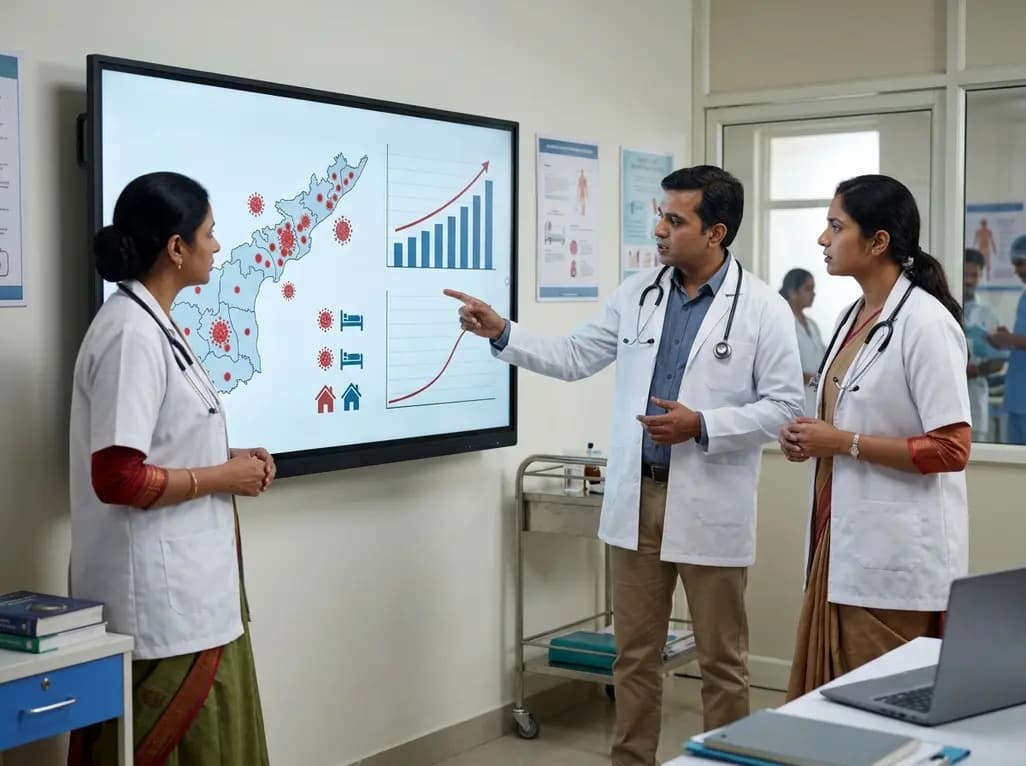
Andhra Pradesh reported 10 new Covid-19 cases, taking the state tally to 49 while deaths remain at four. With 24 patients hospitalized and 16 under home isolation, the Health Department has intensified monitoring. Medical professionals should review regional distribution, diagnostic protocols, and management plans.
Today

An 11-year Swedish registry study of 618 uterine sarcoma patients found that minimally invasive surgery yielded survival comparable to open surgery in early stages. However, adjuvant chemotherapy conferred no survival benefit in localized or advanced disease, highlighting stage and histology as key outcomes.
3 days back
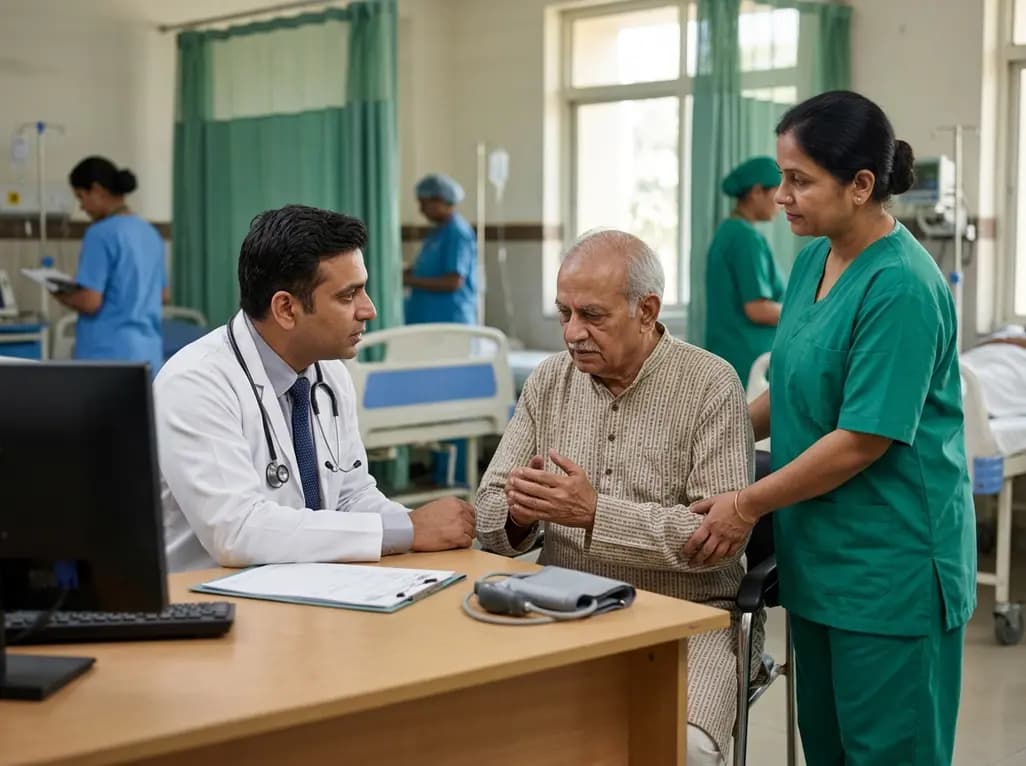
A cross-sectional study evaluates post-intensive care syndrome in cardiac patients 2-4 weeks post-ICU discharge, highlighting cognitive, psychological, and functional impairments and the need for structured multidisciplinary rehabilitation.
3 days back
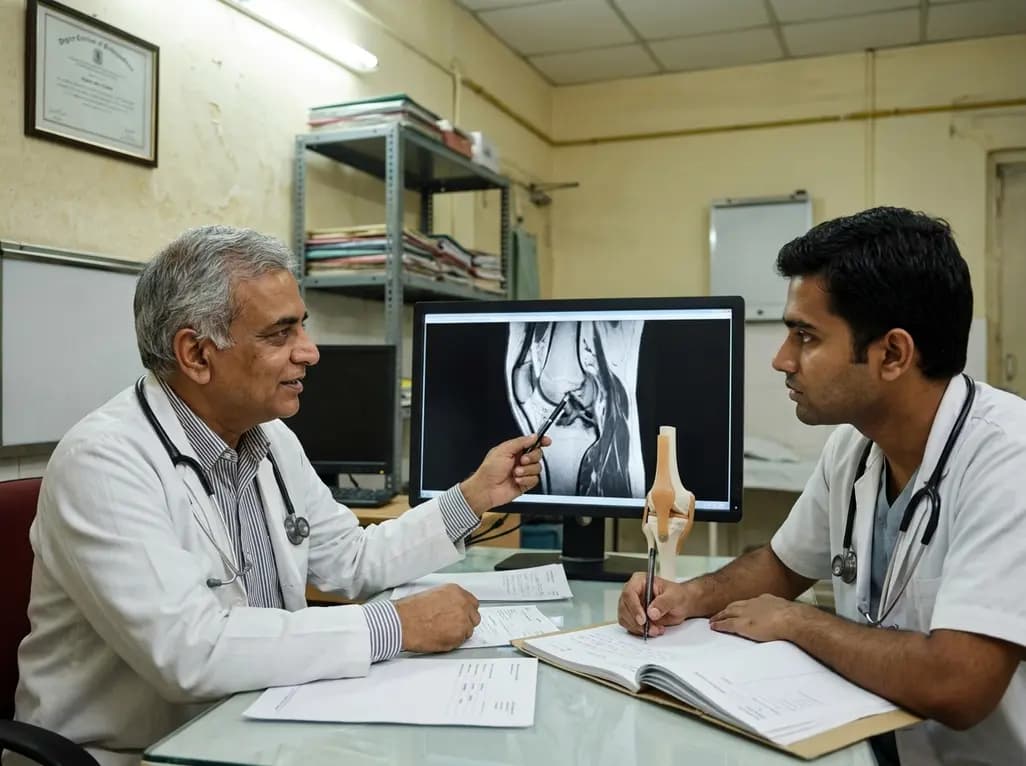
Anterior cruciate ligament reconstruction failure lacks uniform definition. A narrative review proposes an integrative framework incorporating objective and subjective instability, persistent pain, restricted motion, graft rupture, and secondary meniscal injury to standardize clinical reporting.
3 days back
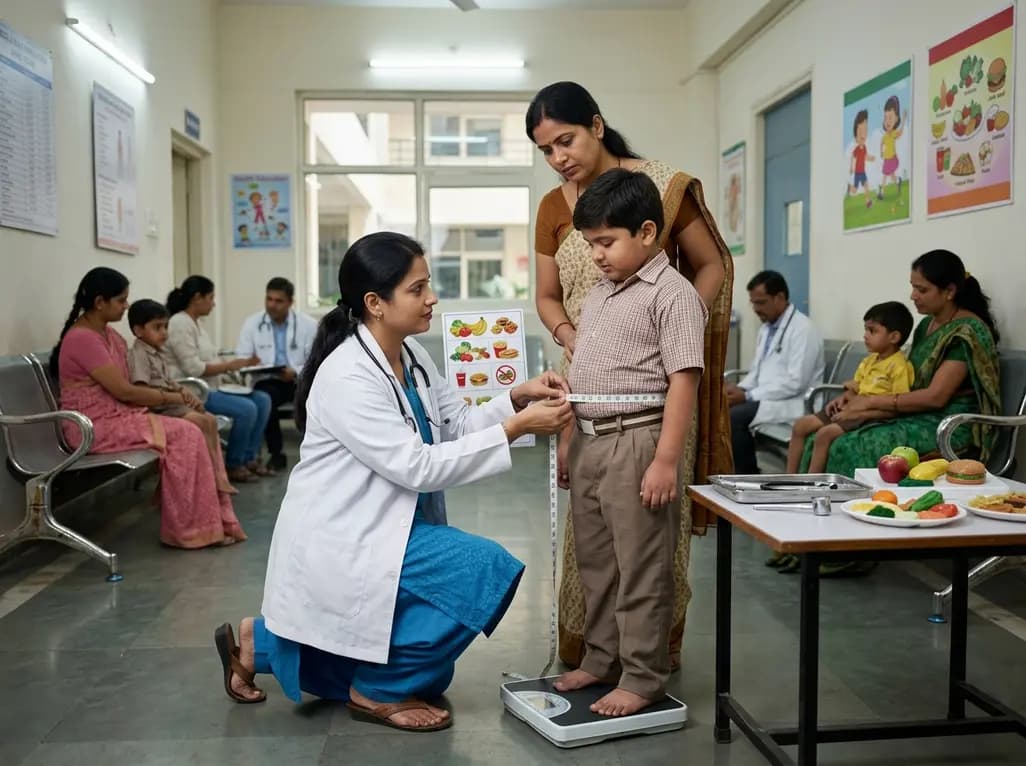
With World Obesity Atlas data warning that over 41 million Indian children are overweight or obese, ICMR and NIN have unveiled a 10-point policy roadmap. The initiative calls for mandatory front-of-pack labeling, HFSS taxes, strict marketing bans, and healthier school environments to curb non-communicable diseases.
Today
