.webp&w=384&q=75)

Loading, please wait...
Loading, please wait...
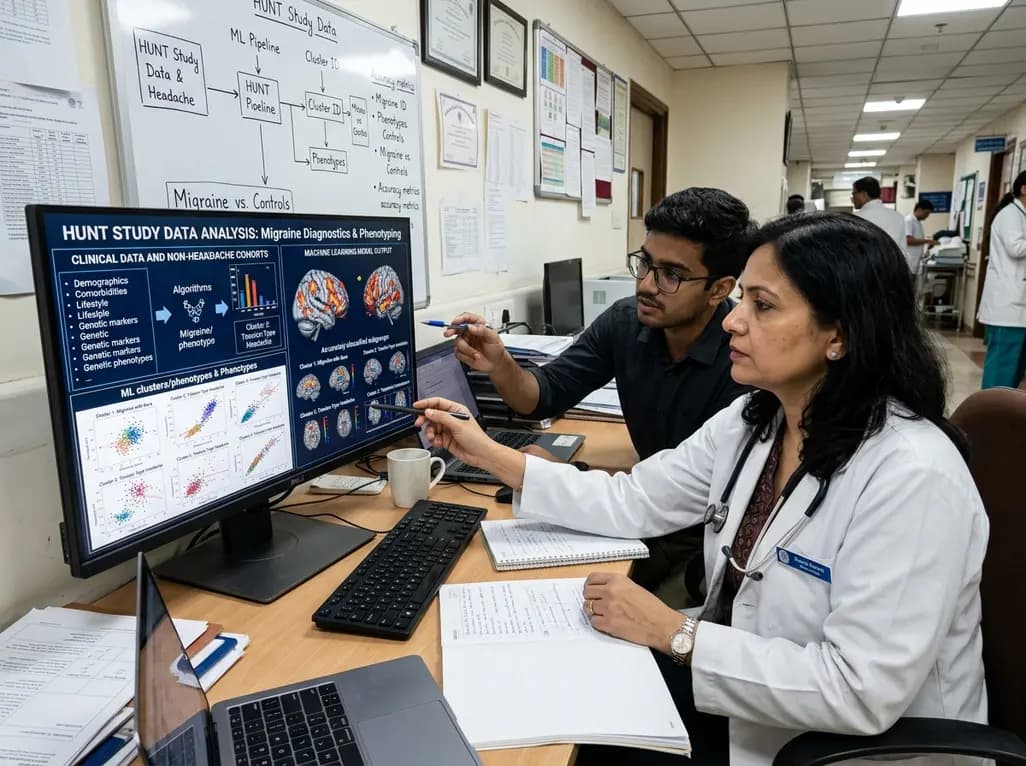
Migraine remains a highly prevalent and disabling neurological disorder worldwide. Despite substantial research, clinicians still lack objective biomarkers for routine clinical evaluation. Consequently, diagnostic protocols rely almost exclusively on subjective symptom reporting and standardized diagnostic criteria. However, cutting-edge applications of machine learning in migraine research now provide deeper biological clarity. A landmark investigation utilizing the Trøndelag Health Study biobank demonstrates that artificial intelligence can characterize complex multimodal patterns. By evaluating nonheadache clinical traits and genomic data, computational models uncover discrete migraine phenotypes. These findings deliver compelling evidence that migraine reflects a systemic biological fingerprint extending well beyond intermittent head pain.
The application of machine learning in migraine evaluation offers an objective method to decode multifactorial disease mechanisms. Traditional classification systems frequently struggle to capture the full spectrum of migraine heterogeneity. Therefore, researchers designed predictive algorithms using multimodal data to diagnose migraine without relying on traditional headache descriptors. Investigators evaluated whether nonheadache variables, such as demographic factors, systemic comorbidities, lifestyle metrics, and genome-wide variants, could differentiate individuals with migraine from headache-free controls. Consequently, this computational strategy shifts the diagnostic paradigm from retrospective clinical questionnaires toward integrative biological profiling. In doing so, modern artificial intelligence models help elucidate hidden pathophysiological links that standard clinical assessments frequently overlook.
This cross-sectional machine learning study utilized data from the extensive Trøndelag Health Study in Norway. The investigators analyzed comprehensive records collected across sequential survey waves between 1995 and 2008. The diagnostic training and testing cohorts encompassed 43,197 genotyped individuals who completed detailed medical assessments. Furthermore, unsupervised clustering models evaluated 12,185 individuals to identify data-driven migraine subgroups. The diagnostic models excluded all self-reported headache features, relying strictly on genotype arrays and general clinical data. Researchers rigorously trained gradient-boosted decision trees and evaluated performance on held-out test datasets. Subsequently, unsupervised clustering algorithms incorporated both phenotypic and genetic risk scores to validate newly identified patient subgroups.
The top-performing model, a light gradient boosting machine, achieved an area under the receiver operating characteristic curve of 0.80 across the held-out test cohort. This level of discrimination highlights that systemic biological and clinical variables encode substantial diagnostic information. Significantly, the predictive framework succeeded without analyzing attack duration, pain severity, or throbbing qualities. The features driving algorithmic decisions included systemic pain complaints, cardiovascular health markers, sleep quality, psychological traits, and genetic variation. Therefore, these results substantiate that migraine is fundamentally a generalized disorder with extensive neurobiological footprints. Multimodal machine learning effectively captures these complex, distributed signals to differentiate affected patients from healthy individuals.
Beyond predictive classification, unsupervised machine learning identified two distinct primary patient clusters. The first cluster included 1,425 individuals, of whom 94% met established clinical criteria for migraine. The second cluster comprised 10,760 individuals, where 71% experienced nonmigraine headaches. When researchers subclustered the migraine-predominant group, four distinct clinical phenotypes emerged. The first subgroup consisted exclusively of male patients. The second presented with prominent neck pain. The third subgroup exhibited severe musculoskeletal pain alongside significant anxiety and depression. Finally, the fourth cohort represented classic migraine presentations. Consequently, these data-driven clusters demonstrate that migraine manifests through distinct phenotypic expressions requiring tailored clinical approaches.
To establish biological validity, researchers compared conventional polygenic risk scores with machine learning-based genetic risk models across each identified subgroup. Traditional polygenic risk calculations often miss complex, nonlinear gene-gene interactions. In contrast, machine learning-based genetic risk models significantly outperformed conventional scores in discriminating among the four migraine subgroups. Genome-wide association analyses confirmed distinct genetic architecture underpinning each phenotype. For example, individuals in the musculoskeletal and mood disorder subgroup exhibited distinct polygenic loading compared to those with classic migraine. Thus, combining machine learning algorithms with genomic architecture reveals that clinical migraine subtypes possess distinct genetic foundations.
These computational insights carry major clinical implications for modern neurology and primary care. Recognizing that neck pain or psychological symptoms define distinct biological subgroups allows clinicians to tailor therapy beyond standard acute analgesics. Furthermore, patients presenting with extensive musculoskeletal complaints and affective distress may benefit earlier from integrated multidisciplinary care. Additionally, the ability to screen migraine risk using nonheadache clinical metrics could improve timely diagnosis in ambiguous clinical presentations. Ultimately, integrating artificial intelligence with deep clinical and genomic datasets advances precision medicine, enabling earlier interventions and personalized therapeutic selections for individuals living with disabling migraine.
Machine learning models analyze complex multimodal inputs, including genetics, comorbidities, and demographic factors, without requiring headache symptoms. By identifying non-linear patterns across large datasets, these algorithms achieve high diagnostic accuracy, helping clinicians understand underlying biological mechanisms and discover systemic risk factors associated with migraine vulnerability.
Unsupervised clustering revealed four distinct subgroups: a male-only cohort, a cluster characterized by prominent neck pain, a phenotype with widespread musculoskeletal pain combined with anxiety and depression, and a classic migraine presentation. Each subgroup displayed distinct clinical characteristics and unique genetic risk profiles.
Yes, the HUNT study demonstrated that machine learning models using only nonheadache clinical and genomic data achieved an AUC of 0.80. This confirms that systemic traits, psychological factors, and genetic markers carry sufficient biological information to distinguish migraine patients from headache-free individuals.
Disclaimer: This content is for informational and educational purposes only. It is not intended to provide medical advice, diagnosis, or treatment. Always consult a qualified healthcare provider for specific clinical queries. Refer to the latest local and national guidelines for clinical practice.
References

Read summarized clinical updates, watch expert medical content, and earn CME certifications right from your smartphone.
Open your smartphone camera to scan and install.





A landmark HUNT study analysis shows machine learning can accurately diagnose migraine from nonheadache data and identify distinct clinical and genetic subgroups, paving the way for refined classification and precision headache care.
last month

Groundbreaking research reveals that naive CD8 T cells are not functionally uniform. Over time, prolonged homeostatic tonic TCR signaling primes long-lived naive cells into superior effectors with enhanced survival and memory potential, providing new opportunities for immunotherapy and vaccine design.
Today
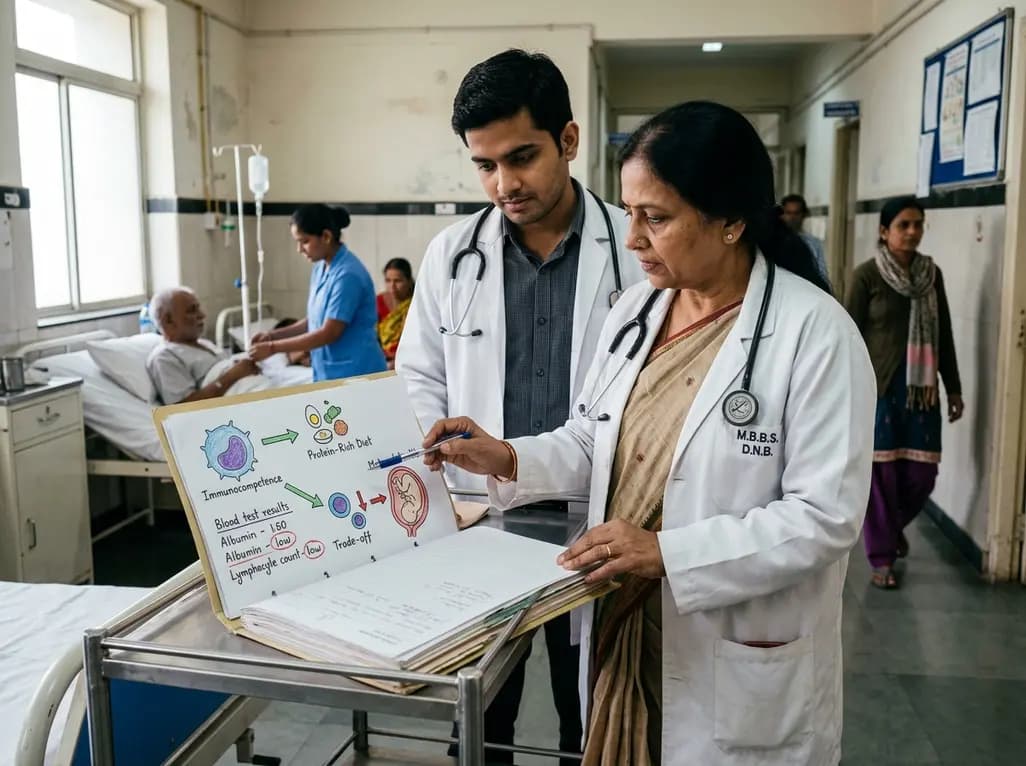
Explore the crucial link between dietary protein and immunocompetence. This review examines how low-protein nutrition shifts metabolic resources away from pathogen defense toward early reproduction, compromising host survival and immunity against severe bacterial infections.
Today
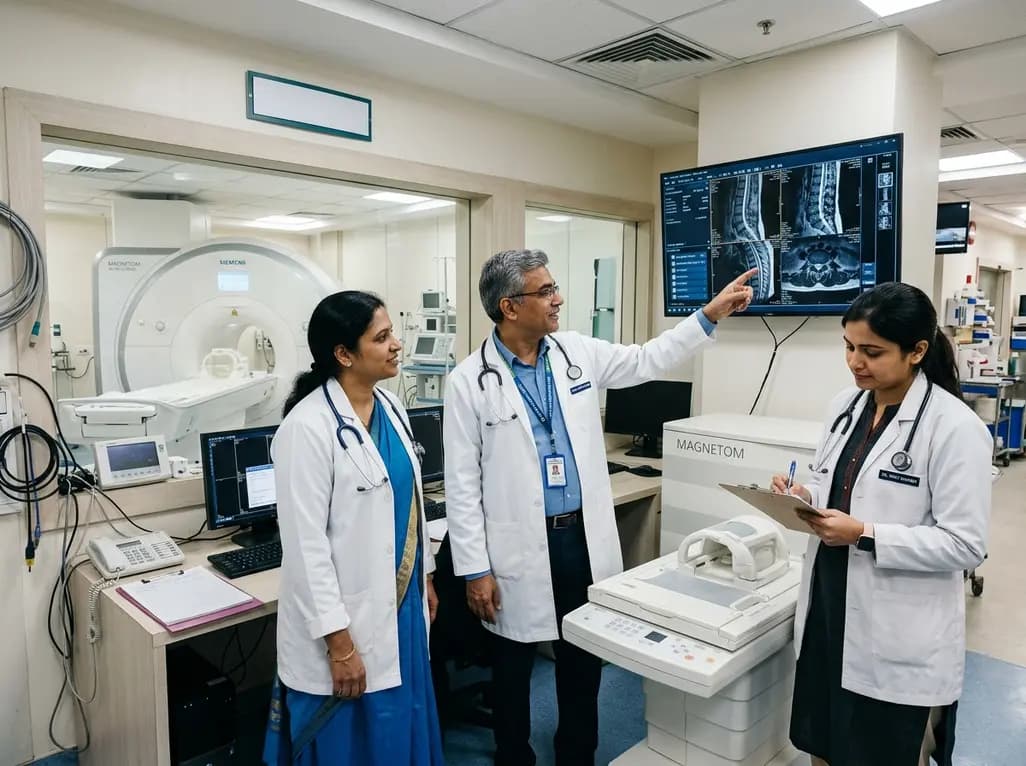
Under India's PLI initiative, domestic production of 57 critical medical devices has commenced, including MRI and CT scanners, cath labs, and heart valves. Global partnerships and local investments are expanding high-end technology, curbing import reliance, and strengthening clinical accessibility nationwide.
Today
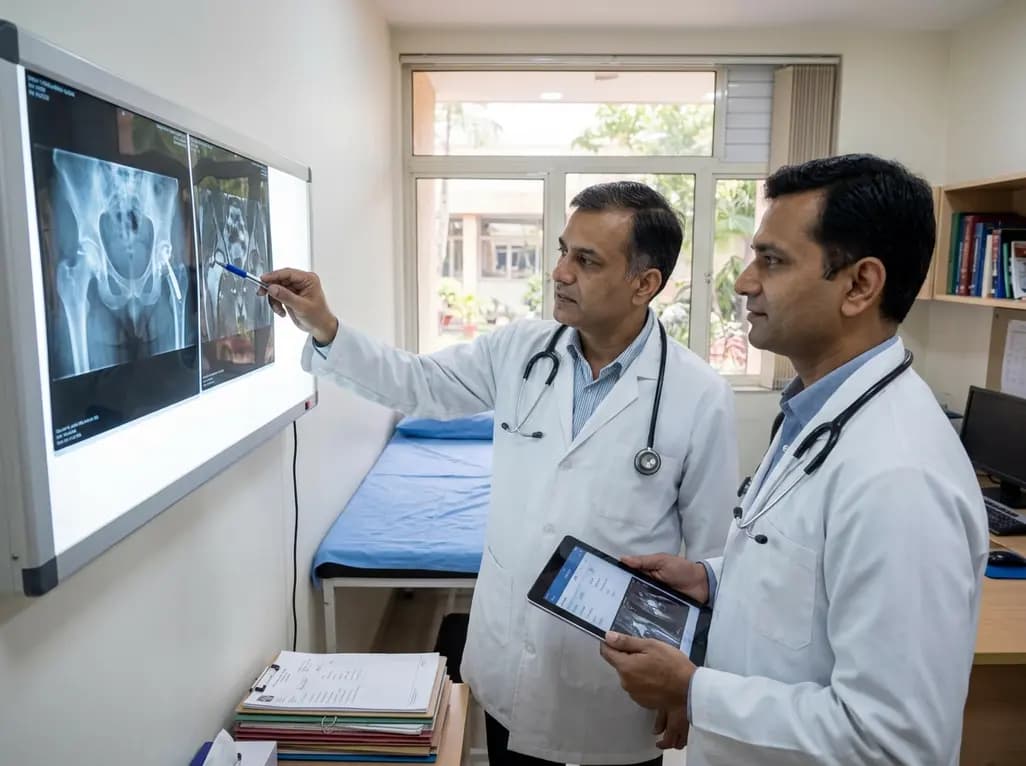
A longitudinal study reveals that patients undergoing staged bilateral hip arthroscopy experience progressive contralateral labral deterioration during surgical intervals. However, structural degradation does not compromise 2-year postoperative clinical outcomes or patient-reported satisfaction scores.
Today
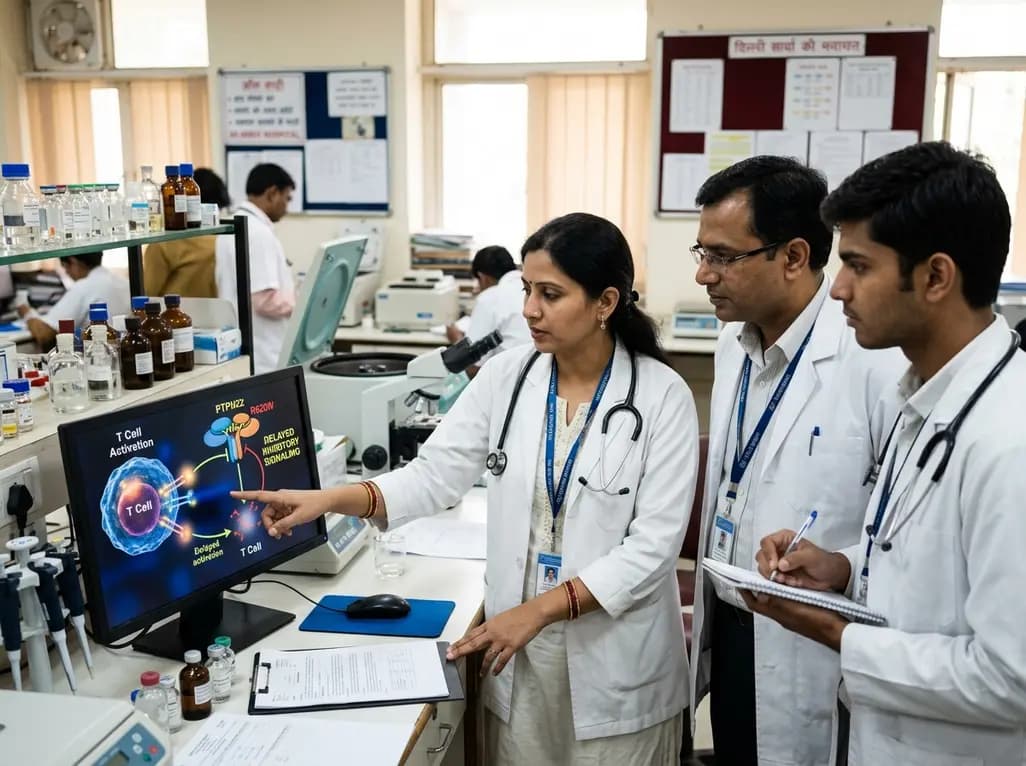
New immunological research reveals how PTPN22 forms a delayed inhibitory signaling complex to restrain T cell activation, explaining how the autoimmune-linked R620W variant disrupts feedback control and promotes persistent inflammation in conditions like rheumatoid arthritis and type 1 diabetes.
Today
