.webp&w=384&q=75)

Loading, please wait...
Loading, please wait...
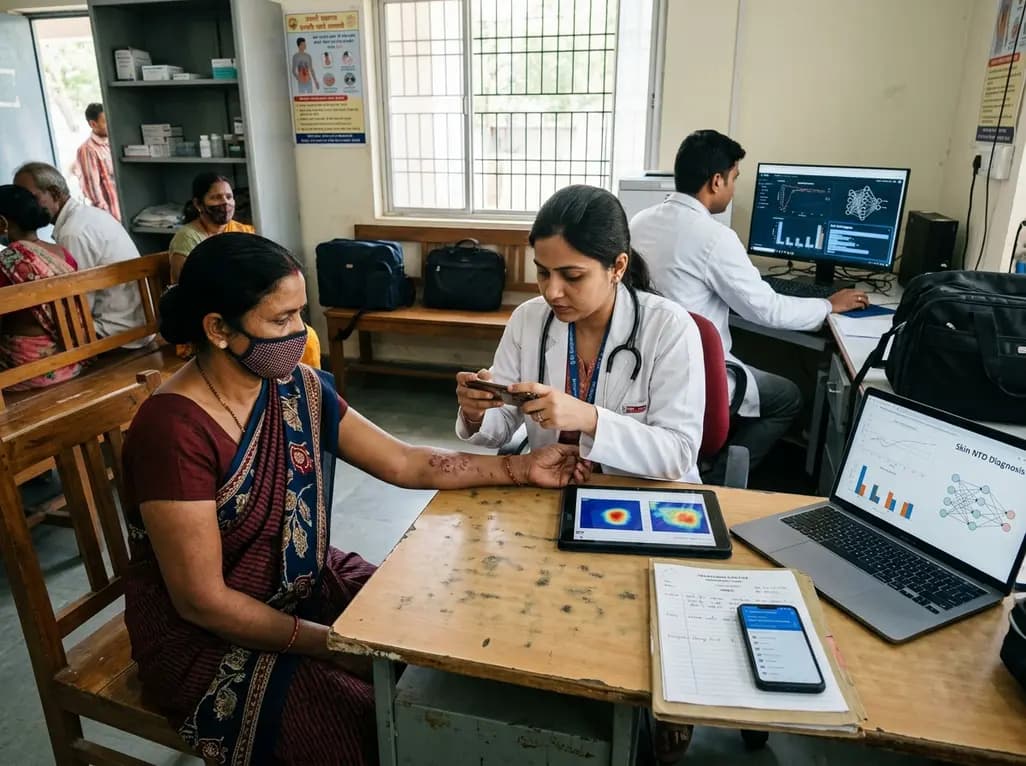
Skin neglected tropical diseases represent a massive public health challenge across endemic regions, particularly in South Asia and Sub-Saharan Africa. These debilitating illnesses, including leprosy, lymphatic filariasis, scabies, and mycetoma, disproportionately affect impoverished communities with restricted access to specialized dermatological care. In countries like India, frontline primary health centers often lack trained dermatologists to evaluate subtle or atypical cutaneous presentations. Consequently, affected individuals frequently endure delayed diagnosis, progressive physical disability, and severe social stigmatization. Traditional diagnostic workflows rely heavily on clinical visual inspection and microscopic confirmation, which remain scarce in remote rural clinics. Therefore, researchers are actively investigating automated diagnostic decision-support tools that leverage accessible tabular metadata, such as demographic factors, medical history, and systemic symptoms. By utilizing routine clinical variables, digital health platforms can augment the diagnostic capabilities of community healthcare workers. This strategic approach supports timely identification at the point of first contact, facilitating prompt treatment initiation. Furthermore, integrating non-invasive metadata analysis into primary triage aligns closely with global initiatives aimed at ending neglect in underserved populations.
Recent research explored the feasibility of tabular machine learning models to classify skin neglected tropical diseases using structured patient metadata from endemic districts in Ethiopia. The investigators evaluated eight distinct supervised algorithms across varying data preprocessing states. These data formats included the initial raw dataset characterized by extensive missing entries, a preprocessed structured dataset, and an advanced feature-engineered dataset. The evaluated models encompassed classical classifiers like naïve Bayes and multilayer perceptrons alongside advanced gradient boosting frameworks such as CatBoost, XGBoost, and LightGBM. Because rural electronic health records often suffer from incomplete entries, determining how algorithms handle sparse metadata remains essential for real-world deployment. The researchers developed systematic preprocessing pipelines to impute missing values without introducing synthetic bias. Additionally, they engineered clinically relevant interaction features from demographic variables, geographic exposure markers, and patient-reported symptoms. Consequently, this rigorous multi-model framework enabled a direct comparative analysis of predictive stability across diverse algorithmic paradigms. Understanding these algorithmic behaviors provides crucial guidance for engineers designing digital health screening applications tailored for resource-constrained primary clinics.
A fundamental challenge in epidemiological data modeling involves severe class imbalance, where rare conditions are significantly underrepresented compared to common presentations. To address this hurdle, the investigators implemented conditional class weighting techniques to prevent majority class dominance during model training. Moreover, standard cross-validation frequently produces overoptimistic diagnostic accuracy estimates due to data leakage across folds. Therefore, the study utilized a robust hybrid validation strategy combining an outer repeated stratified k-fold technique with nested cross-validation. This sophisticated framework independently tunes hyperparameters within inner loops while assessing true generalization error in outer testing partitions. To evaluate performance accurately, the investigators prioritized balanced accuracy, macro precision, macro recall, and macro F1-score over conventional raw accuracy. These balanced metrics ensure that diagnostic efficacy for rare neglected conditions receives equal weight alongside more prevalent diseases. Furthermore, tracking performance variance across nested cross-validation iterations allowed researchers to identify model fragility and overfitting tendencies. Consequently, this methodology establishes a reliable benchmark for developing diagnostic machine learning solutions in highly imbalanced tropical disease datasets.
The experimental findings demonstrated remarkable predictive power across several machine learning architectures when applying the hybrid balancing and validation protocol. Four gradient boosting and ensemble models achieved near-perfect balanced accuracy and macro F1-scores during outer testing evaluations. However, nested cross-validation loops unmasked subtle performance drops in LightGBM and XGBoost, which exhibited mean macro recall and balanced accuracy scores of 0.993. This minor drop highlighted latent predictive biases when handling complex decision boundaries. Meanwhile, naïve Bayes and multilayer perceptrons yielded balanced accuracy scores of 0.997 with macro recall of 0.970. In addition to diagnostic metrics, the investigators thoroughly examined feature importance rankings to assess clinical interpretability. Notably, CatBoost demonstrated optimal feature utilization, balancing diverse metadata attributes without disproportionately relying on narrow clinical proxies. Conversely, four evaluated algorithms displayed clear selection bias by over-utilizing specific features, whereas three models exhibited extreme feature parsimony by utilizing minimal variable subsets. These findings emphasize that high statistical accuracy must be paired with sensible clinical feature utilization to ensure safe automated triaging.
For primary care physicians, infectious disease specialists, and dermatologists in India, automated metadata analysis represents a transformative triage mechanism. Millions of patients in rural districts present with non-specific cutaneous complaints that local healthcare workers struggle to differentiate accurately. Integrating validated machine learning algorithms into handheld mobile applications can provide frontline providers with immediate diagnostic probability scores based entirely on structured intake queries. For example, combining patient age, geographic residence, lesion duration, sensory loss, and systemic signs allows algorithms to flag suspected leprosy or lymphatic filariasis before irreversible complications arise. Moreover, metadata-driven tools do not require expensive dermoscopy hardware or high-bandwidth digital photography, making them practical for remote sub-centers. However, clinicians must recognize that tabular models are decision-support aids rather than autonomous diagnostic authorities. Practicing physicians must corroborate algorithmic recommendations with thorough physical examinations, local epidemiological knowledge, and standard confirmatory laboratory diagnostics whenever available. Responsible adoption ensures that technological innovation strengthens clinical judgment without compromising patient safety or ethical care standards.
Despite encouraging diagnostic scores, the retrospective study faced substantial limitations, including constrained sample sizes, isolated geographic sampling, and absent multimodal information. Relying exclusively on metadata from a single regional cohort introduces geographic overfitting, which limits generalizability across diverse global populations with distinct clinical presentations. Consequently, future research must validate these algorithmic pipelines across diverse cohorts representing varied demographic backgrounds and co-morbid disease distributions. Furthermore, combining tabular patient metadata with clinical lesion photography and point-of-care rapid diagnostic test results offers a promising multimodal frontier. Deep learning architectures trained on photographic images can cross-verify tabular risk predictions, significantly reducing false-positive rates and diagnostic uncertainty. In addition, national public health initiatives should establish centralized, open-access diagnostic registries for neglected tropical conditions to facilitate collaborative model training. By expanding representative data collection and refining adaptive algorithmic frameworks, medical researchers can translate digital decision support from experimental pipelines into everyday community health practice, ultimately reducing preventable morbidity worldwide.
Tabular metadata captures essential clinical and epidemiological indicators such as patient age, geographic residence, occupational exposure, symptom duration, and systemic signs. In low-resource healthcare settings lacking specialized dermatologists, these structured variables enable machine learning algorithms to calculate disease probabilities quickly. Consequently, frontline health workers can triage suspected cases of neglected tropical illnesses effectively without requiring expensive diagnostic instruments or specialized digital imaging hardware.
Class imbalance occurs when certain rare medical conditions have substantially fewer recorded cases than prevalent illnesses within a dataset. Standard diagnostic algorithms trained on imbalanced data often exhibit predictive bias toward the majority class, leading to frequent missed diagnoses for rare conditions. Applying techniques like conditional class weighting and nested cross-validation ensures that minority classes receive appropriate analytical weight, preserving high sensitivity for neglected diseases.
Clinicians and community healthcare workers in endemic Indian districts can utilize metadata-based decision-support tools for rapid, non-invasive risk stratification. By inputting routine demographic and clinical details into mobile applications, healthcare staff can identify high-risk individuals requiring prompt specialist referral or confirmatory testing. This streamlined workflow reduces diagnostic delays for diseases like leprosy and lymphatic filariasis, preventing irreversible physical disabilities and lowering overall community transmission rates.
Disclaimer: This content is for informational and educational purposes only, and should not be taken as medical advice. It is not intended to diagnose, treat, cure, or prevent any condition, nor should it replace professional medical judgment. Always seek the advice of a physician or other qualified healthcare provider with any questions you may have regarding a medical condition. Refer to the latest local and national guidelines for clinical practice.
References

Read summarized clinical updates, watch expert medical content, and earn CME certifications right from your smartphone.
Open your smartphone camera to scan and install.





A retrospective diagnostic study evaluates 8 machine learning models using patient metadata and dual cross-validation to automate the detection of skin neglected tropical diseases in resource-limited clinics.
last month

A breakthrough study identifies transcription factor TBX2 as a master repressor of vascular calcification. In chronic kidney disease, TBX2 deficiency uncouples osteogenic RUNX2 regulation and triggers NLRP3 inflammasome activation, driving severe arterial mineralisation and cardiovascular vulnerability.
Today
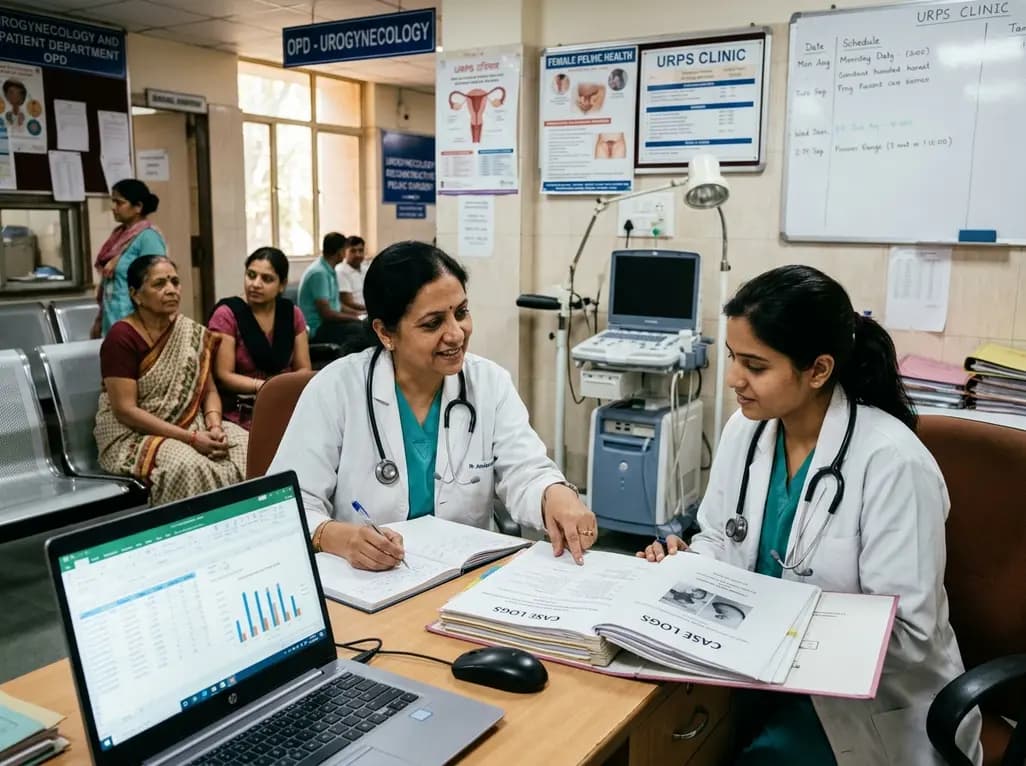
A ten-year cohort study of ABU case logs reveals that URPS fellowship training significantly drives higher annual case volumes, advanced surgical complexity, and increased female representation in pelvic floor reconstruction, underscoring the vital need for structured subspecialty training.
Today

Cardiovascular-kidney-metabolic (CKM) syndrome links metabolic, renal, and cardiovascular diseases along a shared continuum. This review examines holistic CKM management, PREVENT risk assessment, multi-organ pharmacotherapies like SGLT2i and GLP-1 RAs, and multidisciplinary care models to improve patient outcomes.
Today
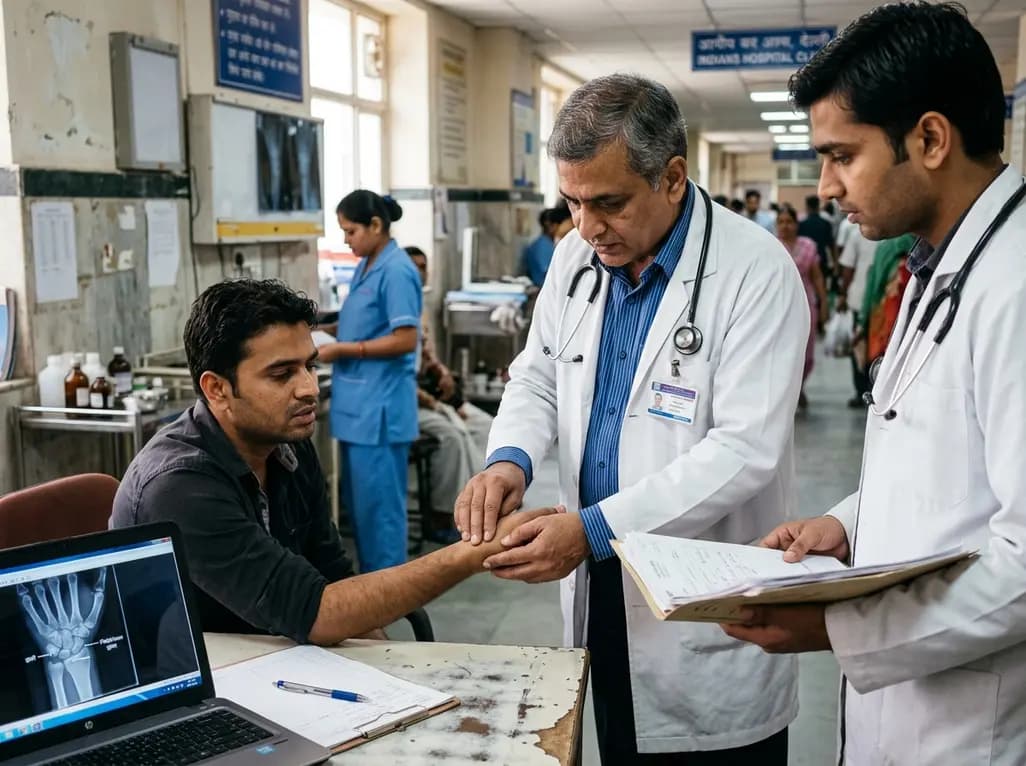
Posttraumatic pisotriquetral instability is a rare wrist injury causing severe hypothenar pain and weakness. Explore clinical examination, imaging, and pisiformectomy.
Today
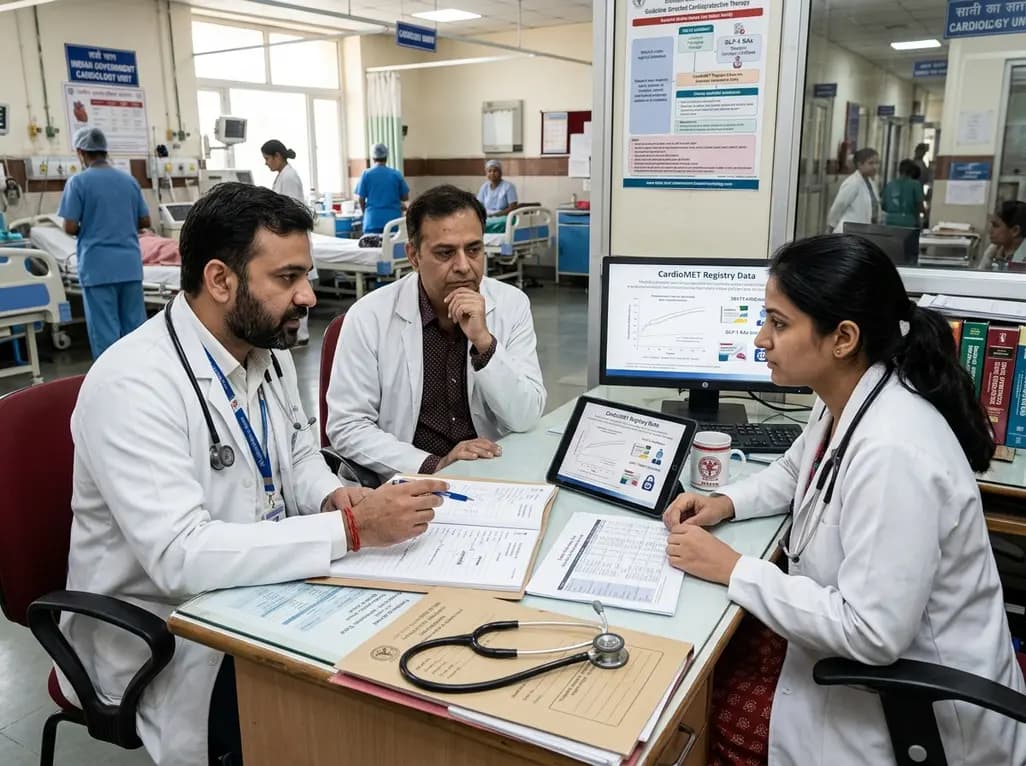
The Italian CardioMET registry evaluated guideline-directed cardioprotective therapy in 2,527 outpatients with type 2 diabetes. Despite high cardiovascular risk, SGLT2 inhibitors and GLP-1 receptor agonists remain underutilized, highlighting the urgent need for multidisciplinary cardiometabolic care.
Today
