.webp&w=384&q=75)

Loading, please wait...
Loading, please wait...

Public health authorities in Maharashtra have issued a critical warning regarding edible fats and culinary oils. Specifically, the state Food and Drug Administration has prohibited unsealed culinary fats, raising urgent concerns around loose edible oil safety across commercial and domestic kitchens. Regulatory inspections revealed severe adulteration, unauthorized blending, and degraded lipid quality across multiple supply chains. Consequently, healthcare providers must understand these risks to counsel patients effectively on dietary fat choices.
The Maharashtra Food and Drug Administration recently launched an aggressive state-wide inspection campaign targeting unsanitary culinary practices. During the fiscal period, food safety officers examined over one thousand edible oil samples from varied market distributors. Consequently, laboratory evaluations identified seventy-seven substandard samples and fifteen distinct misbranding violations across the region. Furthermore, law enforcement authorities seized more than three lakh kilograms of compromised stock valued in crores of rupees.
Regulators identified twelve recurring categories of severe non-compliance among market vendors. For example, unlicensed operations, dangerous acid values, and elevated trans-fat concentrations occurred frequently in commercial batches. In addition, vendors unlawfully blended premium mustard oil with cheap, non-permitted oils, directly violating national food standards. State authorities reiterated that selling loose edible oil remains strictly prohibited under the Food Safety and Standards Act. Therefore, retailers must reject unsealed containers and report non-compliant distributors immediately to regulatory enforcement teams.
Maintaining loose edible oil safety is impossible when supply chains lack proper batch traceability and verified packaging. Unsealed containers completely lack manufacturing dates, analytical certifications, and tamper-evident closures. Consequently, unethical suppliers frequently introduce industrial-grade contaminants, non-edible lipid fractions, or cheap palm oil into culinary batches. Furthermore, inspectors discovered that several distributors transported edible cooking oils in tankers previously used for dangerous chemicals and hazardous industrial liquids.
Packaging integrity presents another grave challenge for public health and clinical nutrition. Many vendors reuse rusted, corroded metal drums and unwashed plastic containers to store cooking fats. Consequently, oxidative degradation accelerates rapidly when lipids encounter heavy metal residues, direct sunlight, and external moisture. Moreover, this secondary contamination triggers lipid peroxidation long before the product reaches the consumer. Therefore, healthcare professionals must emphasize that patients purchase only sealed, branded packages displaying transparent nutritional labels and regulatory certification numbers.
Beyond distribution malpractices, the repeated heating and thermal abuse of cooking fats create profound biochemical hazards. When commercial kitchens reheat vegetable oils multiple times, profound chemical changes alter the lipid structure. Specifically, thermal stress induces lipid peroxidation, forming cytotoxic aldehydes such as 4-hydroxy-2-nonenal and malondialdehyde. Furthermore, high cooking temperatures generate volatile organic compounds, polycyclic aromatic hydrocarbons, and elevated trans-fatty acid fractions within the culinary medium.
These thermal oxidation by-products exert substantial toxic effects on vital physiological systems. When ingested, reactive aldehydes cross intestinal membranes and induce severe systemic oxidative stress. Consequently, the liver faces substantial metabolic strain as hepatocytes attempt to metabolize and detoxify lipid peroxides. Over time, chronic exposure accelerates non-alcoholic steatohepatitis, hepatic fibrosis, and mitochondrial dysfunction. Similarly, renal tissues suffer oxidative injury, impairing glomerular filtration and increasing inflammatory biomarkers. Therefore, consuming thermally abused fats poses direct threats to both hepatic and renal metabolic pathways.
The regular ingestion of adulterated or repeatedly heated fats accelerates atherogenesis and cardiovascular morbidity. Specifically, industrial trans fats and oxidized lipid moieties elevate low-density lipoprotein cholesterol while simultaneously lowering protective high-density lipoproteins. Furthermore, degraded lipid peroxides promote endothelial dysfunction and vascular inflammation across coronary and cerebral arterial beds. As a result, patients facing chronic exposure display heightened risks of premature coronary artery disease, arterial hypertension, and stroke.
In addition to cardiovascular damage, thermal degradation products carry verified mutagenic and oncogenic properties. Reactive oxygen species and lipid peroxidation products interact directly with cellular deoxyribonucleic acid, causing oxidative strand breaks. Furthermore, repeated exposure to carcinogenic aldehydes initiates inflammatory pathways associated with gastrointestinal malignancies. For example, clinical studies link degraded cooking fats to elevated incidence rates of colorectal, gastric, and esophageal carcinomas. Consequently, clinicians must evaluate dietary oil consumption when assessing chronic non-communicable disease risk profiles in diverse patient populations.
Physicians, dietitians, and primary care practitioners play an essential role in mitigating dietary lipid hazards. During routine metabolic assessments, clinicians should actively screen patients for dietary fat sources and street-food consumption patterns. Furthermore, healthcare teams must educate families regarding safe culinary techniques and storage practices. Specifically, households should never reheat deep-frying oil multiple times or store leftover oil in unsealed containers.
Clinicians should advise consumers to verify tamper-evident packaging, FSSAI licensing marks, and clear batch numbers before purchasing oils. Additionally, patients should rotate stable cooking oils like groundnut, mustard, sunflower, and rice bran oils based on appropriate smoke points. Moreover, food business operators must adhere strictly to total polar compound limits, discarding frying oils that exceed regulatory thresholds. By championing regulatory compliance and evidence-based nutrition education, medical professionals can significantly reduce preventable lifestyle diseases across the community.
Q1: Why is the sale of loose edible oil prohibited by food safety regulators?
The sale of loose edible oil is banned because unsealed fats lack batch traceability, tamper-evident seals, and verified origin labeling. Consequently, loose oils carry extreme risks of adulteration with cheaper or non-edible oils, industrial chemical contamination from used containers, and accelerated rancidity. Packaging mandates ensure products remain traceable, pure, and safe for human consumption.
Q2: What specific toxic compounds develop when cooking oil is repeatedly reheated?
Repeated thermal heating causes lipid peroxidation, breaking down unsaturated fatty acids into hazardous compounds. These include cytotoxic aldehydes like 4-hydroxy-2-nonenal, elevated trans-fatty acids, free radicals, and total polar compounds. Ingesting these thermal degradation products promotes systemic oxidative stress, endothelial damage, and chronic inflammation across vital organ systems.
Q3: How does adulterated and reheated edible oil affect cardiovascular and metabolic health?
Adulterated and thermally abused oils significantly raise bad LDL cholesterol, reduce beneficial HDL cholesterol, and induce endothelial inflammation. Consequently, chronic intake accelerates atherosclerosis, increases arterial hypertension risk, and stresses hepatic lipid metabolism. Furthermore, the toxic aldehydes and trans fats within degraded oils contribute to metabolic syndrome, fatty liver changes, and long-term vascular morbidity.
Disclaimer: This content is for informational and educational purposes only. It does not constitute medical advice or replace professional judgment. Refer to the latest local and national guidelines for clinical practice.
References

Read summarized clinical updates, watch expert medical content, and earn CME certifications right from your smartphone.
Open your smartphone camera to scan and install.





The Maharashtra FDA has prohibited the sale of loose edible oil following widespread safety violations, including illegal blending, toxic chemical generation from repeated heating, and hazardous packaging. Clinicians and public health experts must advocate for sealed, traceable dietary fats to prevent chronic toxicity.
last month

Pancreatic cancer cachexia affects over 80% of patients, driving severe muscle wasting, systemic inflammation, and treatment intolerance. This review highlights key pathophysiological drivers, exocrine insufficiency, objective CT imaging, and emerging therapies like GDF-15 inhibitors to improve clinical outcomes.
Today

A scoping review reveals how pregnancy affects phonation through laryngeal edema and reduced phonation time rather than major acoustic pitch alterations. Learn how to identify, evaluate, and manage vocal symptoms in expectant mothers.
Today
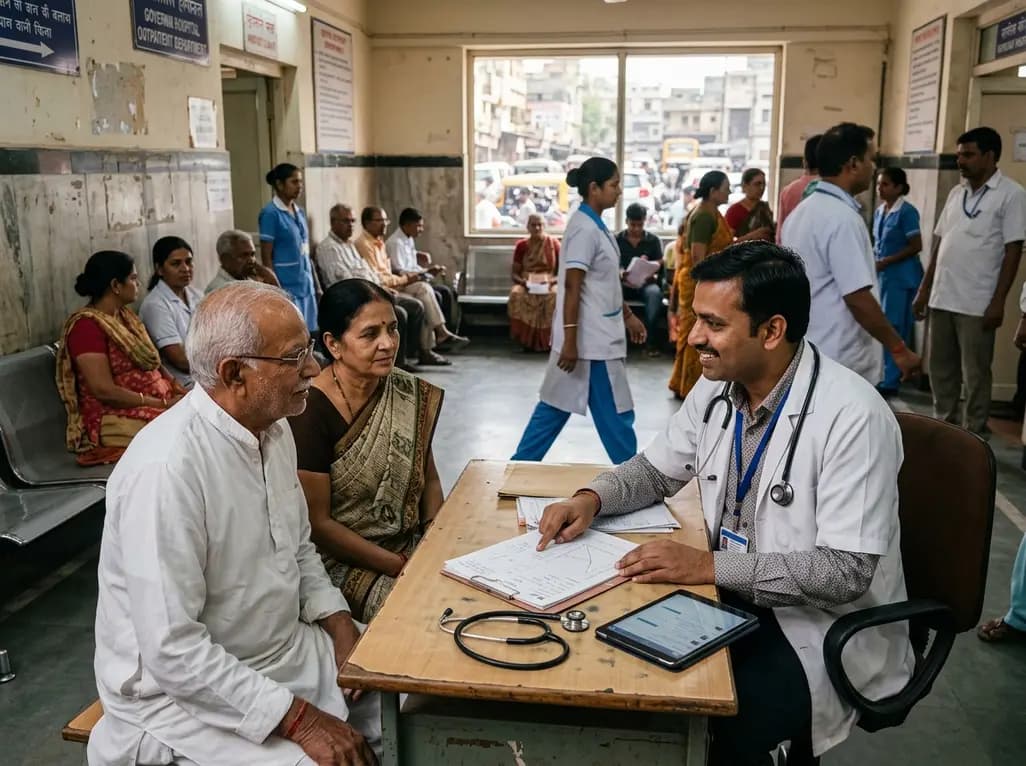
According to WHO data, average lifespan reached 73.3 years in 2023, recovering from pandemic lows. However, healthy life expectancy lags at 62.8 years due to surging noncommunicable conditions like cardiovascular disease and dementia, demanding proactive primary screening and sustained chronic care.
Today

Researchers have engineered an artificial sensory-pain integrated receptor using a multi-threshold organic synaptic transistor. The system distinguishes benign touch from noxious stimuli, enabling safer, more responsive prosthetic limbs with built-in memory and simplified hardware architecture.
Today
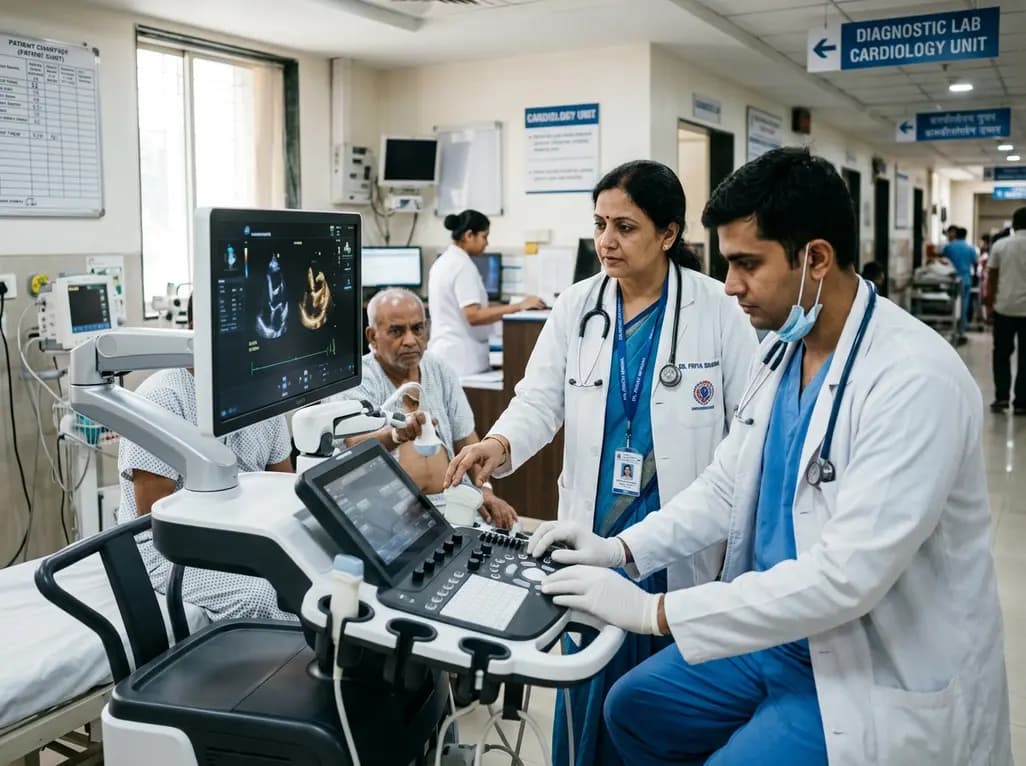
Medical robotics is transitioning beyond operative suites into diagnostics, cardiology, and endocrinology. Explore how innovations in tele-robotics, AI integration, and nanomedicine are overcoming geographical barriers and transforming precision healthcare delivery across India's evolving disease landscape.
Today
