.webp&w=384&q=75)

Loading, please wait...
Loading, please wait...

Frailty represents a significant challenge in geriatric medicine, particularly as global populations age. It is a dynamic clinical syndrome characterized by decreased physiological reserves and heightened vulnerability. Identifying reliable frailty biomarkers older adults can significantly improve early detection and intervention. However, routine assessments often face time constraints in busy clinical settings. Therefore, researchers are now focusing on longitudinal data to better understand the biological progression of this syndrome.
A new scoping review protocol, published in JMIR Research Protocols, aims to map various biological markers. Specifically, the study will investigate inflammatory, hormonal, metabolic, and genetic markers. Furthermore, the review will include imaging-based data to capture a comprehensive biological trajectory. By analyzing longitudinal associations, clinicians can potentially identify frailty before overt symptoms appear. Consequently, this approach allows for more personalized and proactive treatment plans.
The research team identified over 3,000 records in their initial search. This substantial volume indicates a growing interest in objective frailty assessments. Notably, the review includes older adults with comorbidities like cancer or cardiovascular disease. This inclusion is vital because chronic illnesses often exacerbate physiological decline. Additionally, the study will utilize validated tools to ensure the accuracy of frailty assessments across different populations.
Ultimately, this review seeks to bridge the gap between bench research and bedside application. While observational designs have limitations, they provide essential insights into causal pathways. For instance, understanding how interleukin-6 or C-reactive protein levels change over time can guide preventive strategies. Therefore, the findings will likely influence future clinical guidelines and risk stratification models.
Longitudinal studies track changes over time, allowing researchers to see how biomarkers evolve before frailty develops. This helps in identifying early warning signs rather than just observing the end stage of the syndrome.
The scoping review focuses on a wide range of markers, including inflammatory cytokines, metabolic indicators, hormonal levels, and genetic predispositions, as well as neuroimaging markers.
By identifying objective biomarkers, Indian clinicians can implement faster screening processes. This is especially helpful in high-volume settings where comprehensive geriatric assessments are not always feasible.
Disclaimer: This content is for informational and educational purposes only. It does not constitute medical advice or a professional relationship. Always seek the advice of a qualified healthcare provider regarding any medical condition. Refer to the latest local and national guidelines for clinical practice.
References
1. Seok JW et al. Longitudinal Associations Between Biomarkers and Frailty in Older Adults: Protocol for a Scoping Review. JMIR Res Protoc. 2026 Mar 24. doi: 10.2196/83312. PMID: 41875426.
2. Clegg A, et al. Frailty in elderly people. Lancet. 2013;381(9868):752-762. doi: 10.1016/S0140-6736(12)62167-9.
3. Soysal P, et al. Inflammation and frailty in the elderly: A systematic review and meta-analysis. Ageing Res Rev. 2016;31:1-8. doi: 10.1016/j.arr.2016.08.006.

Read summarized clinical updates, watch expert medical content, and earn CME certifications right from your smartphone.
Open your smartphone camera to scan and install.





A new scoping review protocol aims to identify longitudinal biomarkers, such as inflammatory and metabolic markers, linked to frailty in older adults....
6 months ago
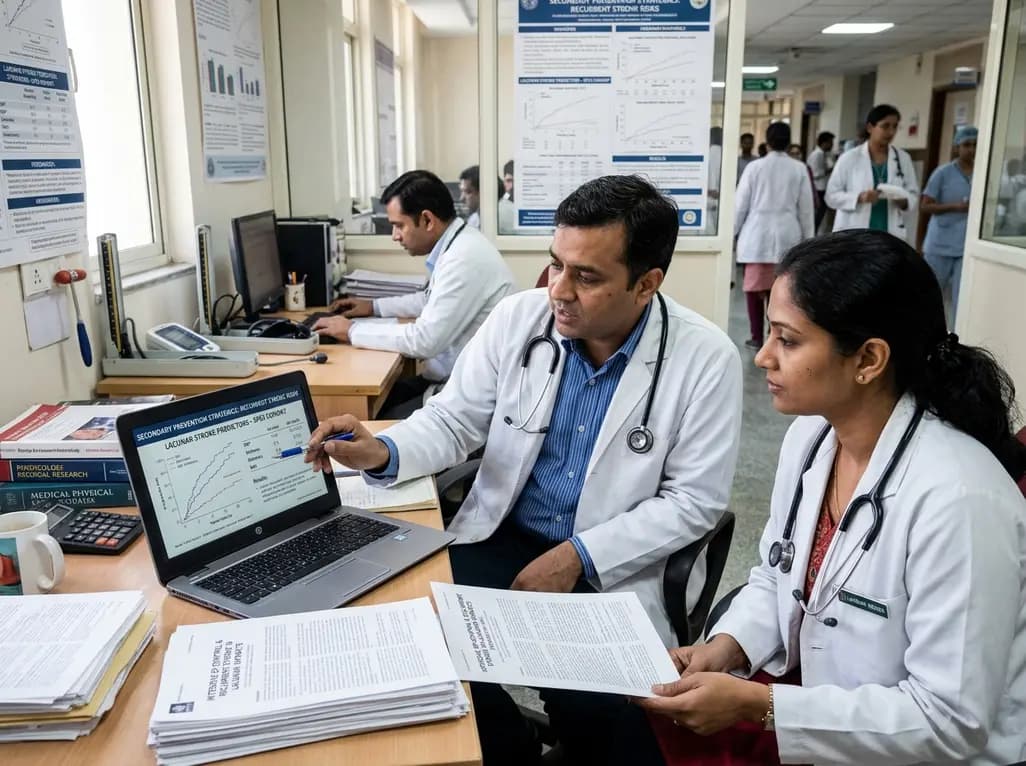
Explore vital recurrent stroke predictors in lacunar stroke patients managed with intensive blood pressure lowering. This analysis examines trial findings from SPS3 to uncover residual vascular risks, metabolic factors, and targeted secondary prevention strategies for high-risk neurological patients.
Today
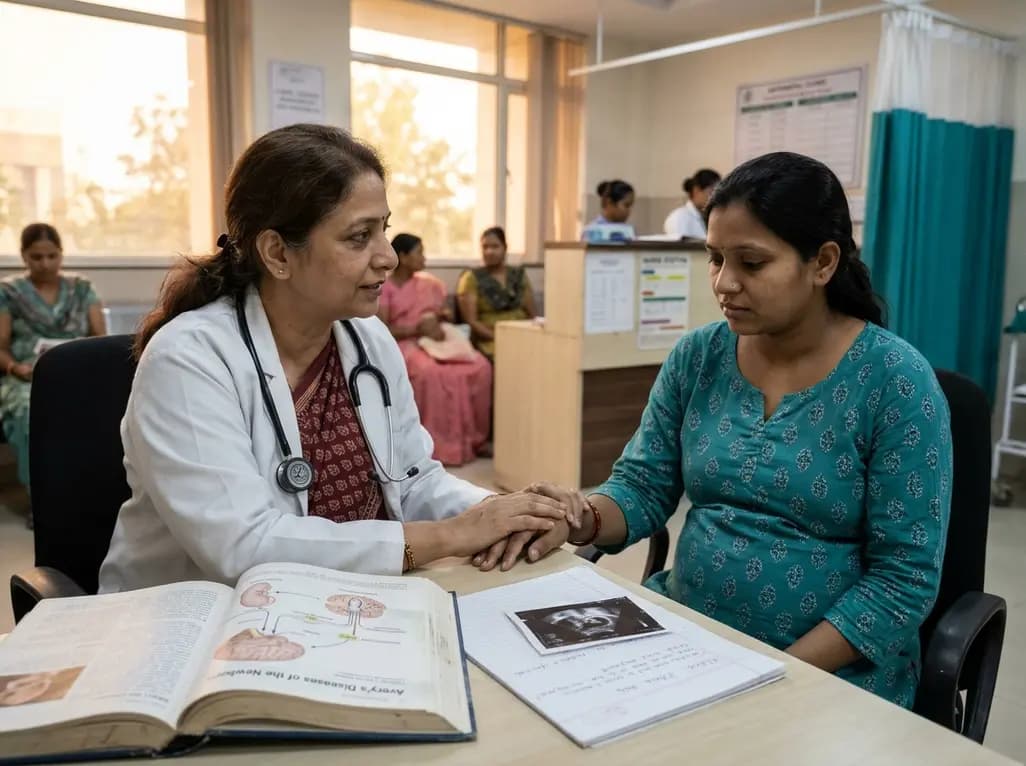
A comprehensive scoping review synthesises evidence linking prenatal maternal mental health to long-term offspring neurodevelopment, evaluating neuroendocrine, inflammatory, and epigenetic pathways while highlighting clinical screening and future research priorities.
Today

The Directorate General of Health Services directs Indian states to halt the hazardous reuse and reprocessing of single-use medical devices. Discover regulatory implications under the Drugs and Cosmetics Act, critical infection risks, legal liabilities, and operational changes required across clinical specialties.
Today

Mitochondria-targeted nanoparticles self-assembled from EGCG and L-glutamic acid effectively restore mitochondrial homeostasis, suppress synovial inflammation, and attenuate chondrocyte senescence in osteoarthritis, offering a promising disease-modifying nanotherapy.
Today

India is advancing preventive healthcare by integrating genomics, artificial intelligence, and quantum technologies. With the SANGAM programme sequencing one million Indian genomes, clinicians can unlock personalized therapies, detect cardiometabolic risks early, and curb the burden of diabetes and heart disease.
Today
