

Loading, please wait...
Loading, please wait...

Emerging neurobiological research demonstrates that sleep disturbances are fundamental drivers of psychiatric vulnerability rather than mere downstream symptoms. Recently, clinical investigators evaluated whether objective sleep metrics could forecast severe diagnostic transitions in young people seeking mental healthcare. In this groundbreaking prospective study, researchers discovered that objective longer sleep duration independently predicted progression to full-threshold bipolar disorder and psychotic disorders. Consequently, evaluating circadian architecture provides clinicians with vital predictive biomarkers for timely intervention.
Psychiatrists frequently encounter sleep-wake and circadian rhythm disturbances when managing distress in adolescents and young adults. Historically, clinicians viewed hypersomnia as an atypical feature of major depression or a non-specific reaction to psychological stress. However, modern chronobiological findings indicate that prolonged sleep duration often reflects profound homeostatic dysregulation. When young patients spend excessive hours sleeping, biological pacing signals within the suprachiasmatic nucleus fail to synchronize properly. Furthermore, prolonged time in bed disrupts social zeitgebers, which weakens external cues that regulate human mood cycles. In this prospective clinical cohort, investigators followed 250 help-seeking youth aged 12 to 30 years over a median period of 2.5 years. The research team captured baseline sleep parameters using objective multi-day actigraphy rather than unreliable self-reported diaries. Remarkably, longer sleep duration at baseline more than doubled the odds of developing severe mental illness. Specifically, participants exhibiting excessive total sleep time progressed to full-threshold bipolar or psychotic disorders with an odds ratio of 2.23. Therefore, medical professionals must recognize that prolonged sleep serves as an actionable early warning sign.
Beyond measuring categorical odds, the researchers tracked time-to-illness progression across longitudinal follow-up assessments lasting up to eight years. Survival analyses revealed that young individuals with longer sleep duration experienced significantly shorter intervals before developing full-threshold disease. Indeed, the adjusted hazard ratio for transitioning to bipolar or psychotic illnesses reached 2.05 among these vulnerable youth. In contrast, sleep parameters did not predict transitions to unipolar depression or generalized anxiety disorders with equal magnitude. This critical divergence demonstrates that hypersomnia possesses unique prognostic specificity for major affective and psychotic spectrum conditions. In addition, researchers examined circadian timing by tracking the midpoint of sleep across several days. Later sleep midpoints, which signify a delayed circadian phase, predicted disease progression across the broad diagnostic spectrum at uncorrected levels. Consequently, late chronotypes combined with extended duration create a compounding biological vulnerability. Mental health teams can use these temporal dynamics to triage clinical monitoring intervals. When clinicians identify youth exhibiting delayed sleep phases and hypersomnia, they must intensify follow-up schedules. Early vigilance ensures that patients receive evidence-based support before acute psychotic breaks or manic episodes emerge.
Several interacting biological pathways explain why extended sleep duration predisposes vulnerable youth to severe psychiatric illness. First, the central circadian pacemaker coordinates monoaminergic neurotransmission, synaptic pruning, and neuroplastic remodeling throughout adolescent brain maturation. When circadian rhythms desynchronize, neural circuitry in the prefrontal cortex and striatum suffers profound functional impairments. Second, prolonged sleep duration often reflects elevated peripheral and central neuroinflammation. Pro-inflammatory cytokines like interleukin-6 and tumor necrosis factor alter sleep architecture, induce profound lethargy, and disrupt dopaminergic pathways. Moreover, these inflammatory molecules directly impair hippocampal neurogenesis, which reduces stress tolerance and heightens vulnerability to psychotic phenomena. In addition, mitochondrial dysfunction and impaired cellular energy metabolism may provoke hypersomnia while simultaneously degrading neuronal resilience. When cells struggle to generate adenosine triphosphate, patients experience persistent exhaustion despite extensive sleep. Finally, hypersomnia disrupts the daily light-dark cycle, depriving the retina of bright morning photons essential for dopamine regulation. Therefore, excessive sleep represents a direct functional indicator of underlying neurochemical instability rather than benign indolence. Clinicians must address these interconnected physiological cascades to halt progressive disease staging.
Accurate assessment of sleep architecture remains notoriously difficult when clinicians rely solely on subjective patient interviews. Young individuals with emerging psychiatric disorders frequently misestimate their total sleep duration, sleep latency, and nighttime awakenings. For example, severe emotional distress and cognitive blunting can cause patients to confuse time in bed with actual restorative sleep. Consequently, subjective clinical histories often produce misleading diagnostic pictures that obscure true circadian pathology. Wrist actigraphy overcomes these diagnostic barriers by continuously tracking physical movement over extended periods in natural home environments. In the Optymise cohort, participants wore wrist devices for 5 to 23 consecutive days, capturing reliable objective activity cycles. Furthermore, actigraphy provides continuous algorithmic estimations of sleep onset, sleep midpoint, and fragmented nighttime arousals. This objective method allows doctors to differentiate true physiological hypersomnia from daytime fatigue, daytime amotivation, or psychomotor retardation. Similarly, repeated actigraphic tracking enables longitudinal assessment of treatment responses following targeted chronotherapeutic interventions. Incorporating wearable digital tools into outpatient psychiatric clinics bridges the gap between patient self-reports and biological reality. Therefore, digital phenotyping provides indispensable diagnostic precision for modern clinical practices.
Identifying objective sleep abnormalities provides clinicians with a powerful therapeutic window for disease prevention. Instead of waiting for full manic episodes or overt psychotic decompensation, teams can implement targeted chronobiological interventions immediately. First, practitioners should recommend social rhythm therapy to regularize daily awakening times, scheduled meals, and interpersonal activities. Consistent morning routines entrain peripheral clocks and reinforce endogenous circadian rhythms against external stressors. Second, clinicians should introduce controlled bright light therapy upon waking to advance circadian phase and suppress daytime melatonin secretion. However, physicians must titrate light intensity cautiously in youth with suspected bipolar diatheses to prevent affective destabilization. Third, cognitive behavioral therapy for hypersomnia and insomnia helps patients align their bed rest with physiological sleep requirements. Clinicians must also review pharmacological regimens carefully, avoiding excessive sedative loads that compound daytime somnolence. When prescribing medications, clinicians should prioritize compounds that preserve natural sleep architecture and stabilize circadian phase. Finally, healthcare providers must educate families regarding the biological significance of changing sleep patterns. By actively treating circadian disruptions during early prodromal stages, medical teams can alter long-term psychiatric trajectories.
Healthy adolescents frequently require additional sleep due to pubertal development and physiological growth. However, pathological longer sleep duration involves excessive total rest exceeding ten hours, accompanied by severe morning grogginess and daytime dysfunction. Furthermore, it resists typical restorative recovery, signaling homeostatic circadian dysfunction rather than ordinary developmental fatigue.
Yes, wrist actigraphy measures physical movement and acceleration to calculate actual sleep epochs rather than passive resting. Consequently, devices accurately differentiate restless bed-dwelling from true physiological sleep duration. This objective measurement helps clinicians separate genuine hypersomnia from depressive lethargy, daytime amotivation, or prolonged sedentary behaviors common in youth.
Clinicians should immediately establish regular wake-up times and eliminate irregular weekend sleep shifts. Additionally, prescribed morning bright light exposure suppresses lingering melatonin and advances delayed circadian phase. Providers must also implement structured daytime routines, minimize evening blue light, and adjust sedating medications to prevent artificial prolongation of sleep.
Disclaimer: This content is for informational and educational purposes only and should not be considered medical advice. Always consult a qualified healthcare provider for diagnosis and treatment of medical conditions. Refer to the latest local and national guidelines for clinical practice.
References

Read summarized clinical updates, watch expert medical content, and earn CME certifications right from your smartphone.
Open your smartphone camera to scan and install.





A landmark longitudinal cohort study reveals that objective longer sleep duration significantly increases the risk of progression to bipolar or psychotic disorders in help-seeking youth, highlighting the clinical value of actigraphy in psychiatric risk stratification and early clinical intervention.
Today

Investigating the patterns, barriers, and facilitators of sedentary behaviour, physical activity, and nutrition among hybrid employees working from home, with practical recommendations for clinicians managing cardiometabolic and musculoskeletal health.
Today
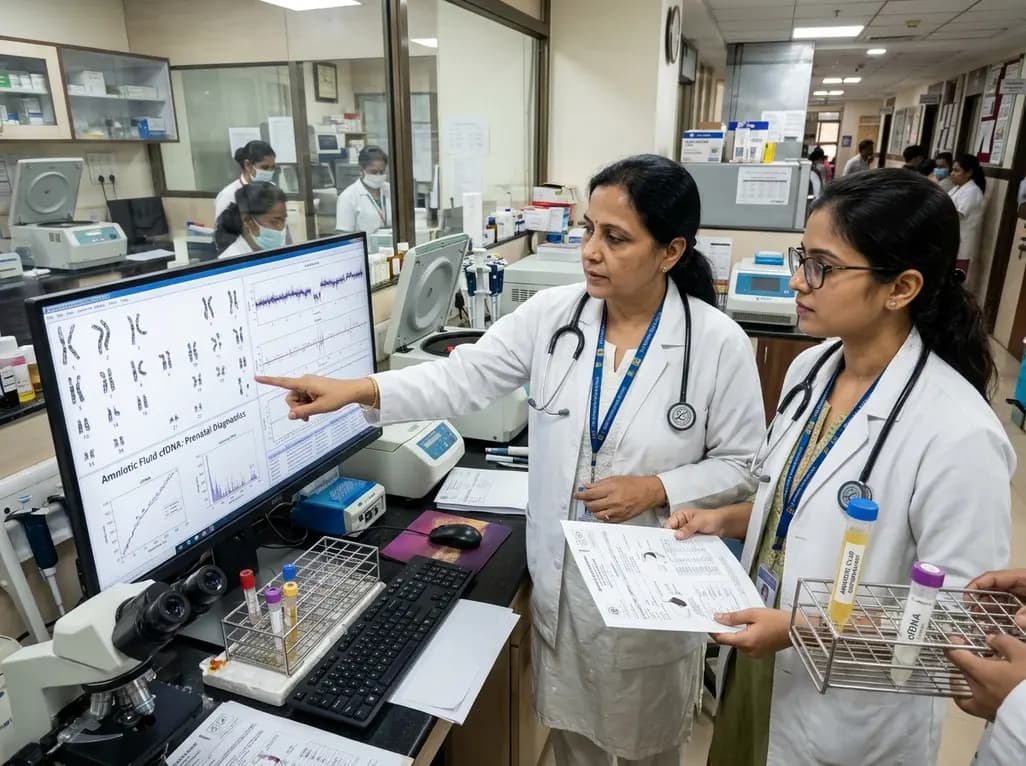
Amniotic fluid cell-free DNA offers a rapid alternative to cultured amniocytes in prenatal testing. With high yield, lack of maternal contamination, and full concordance across microarrays and exome sequencing, it dramatically cuts diagnostic turnaround time.
Today

A prospective phase IIa trial investigated TSG-01, an agent rich in secondary ginsenosides, for chronic heart failure in coronary artery disease. While NYHA functional class did not differ, TSG-01 significantly improved ejection fraction in digoxin-free patients with a favorable safety profile across all groups.
Today
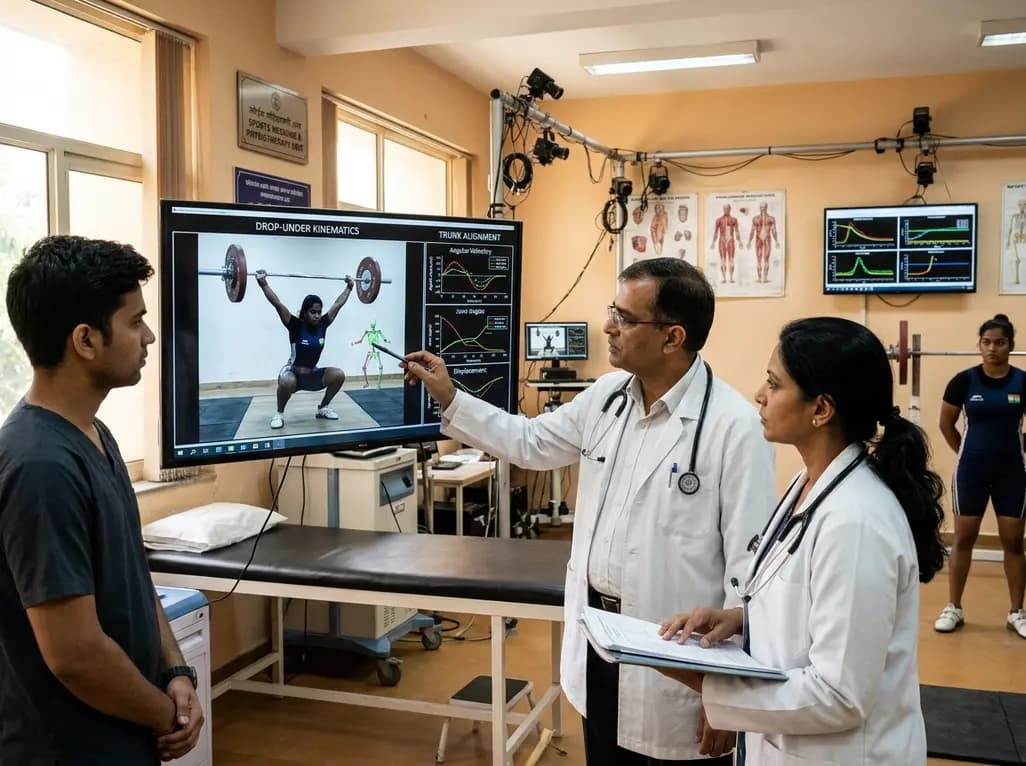
A systematic review of 15 studies and 574 competitive weightlifters establishes normative benchmarks for snatch drop-under kinematics, highlighting turnover speed, horizontal displacement, and trunk alignment to optimize performance and prevent overhead injuries.
Today

Knocking out the adipocyte ETB receptor attenuates high-fat diet-induced dyslipidemia, lowering LDL, cholesterol, and free fatty acids while preserving lipid oxidation gene expression in visceral adipose tissue.
Today
