.webp&w=384&q=75)

Loading, please wait...
Loading, please wait...

Adult spinal deformity causes severe postural compensation, chronic pain, and progressive physical impairment in adult patients. While surgical reconstruction realigns the structural spine, conventional radiographs only capture static alignment rather than dynamic standing equilibrium. Evaluating dynamic postural stability provides crucial clinical insight into actual functional recovery. Recent prospective evidence indicates that adult spinal deformity correction produces durable, long-term improvements in dynamic balance. Furthermore, these balance gains correlate directly with significant pain relief and improved functional independence. Consequently, dynamic postural metrics offer an essential tool to measure postoperative clinical success.
Maintaining upright equilibrium requires harmonious coordination among visual, vestibular, and proprioceptive neural systems. However, adult spinal deformity displaces the upper body mass away from the anatomical base of support. In response, patients engage strenuous compensatory maneuvers, including pelvic retroversion, knee flexion, and thoracic hypokyphosis. These continuous adjustments consume tremendous muscular energy and cause persistent muscular fatigue. Therefore, uncorrected malalignment leads to debilitating back pain, abnormal gait mechanics, and an increased risk of traumatic falls.
Surgical intervention seeks to reconstruct the physiological spinopelvic framework through corrective osteotomies and fusion. Consequently, adult spinal deformity correction restores axial skeletal balance and reduces pathological trunk sway. By realigning the spine over the femoral heads, surgery eliminates exhausting neuromuscular compensation. Furthermore, relieving constant muscular tension allows patients to maintain standing balance with minimal physical effort. As a result, structural reconstruction directly promotes sustained functional mobility and enhances daily living activities.
Force plate posturography provides objective measurement of standing equilibrium by monitoring center of pressure and center of gravity excursions. Patients with spinal deformities typically exhibit exaggerated sway velocities, erratic trajectories, and wider displacement areas. These pathological parameters reflect severe sensorimotor disruption and impaired mechanical leverage. However, corrective spinal realignment induces immediate and significant improvements across key posturographic parameters.
Specifically, patients achieve substantial reductions in coronal center of pressure sway, total sway path length, and sway amplitude following surgery. In addition, coronal center of gravity amplitude and total center of gravity excursion decrease markedly. Coronal head sway also demonstrates significant stabilization, which helps maintain a steady horizontal gaze and optimizes vestibular function. Although coronal center of gravity amplitude may show minor physiological adaptations over time, overall postural stability remains robustly preserved at long-term follow-up. Thus, force plate assessments reliably demonstrate significant dynamic stability gains after complex reconstructive spine surgery.
The long-term durability of postural balance depends on achieving precise structural targets during deformity correction. In particular, reducing the sagittal vertical axis and correcting pelvic incidence-lumbar lordosis mismatch represent critical surgical goals. When reconstructive surgery achieves harmonious spinopelvic parameters, the global center of mass shifts securely inside the physiological cone of economy.
Prospective data demonstrate that these radiographic realignments remain mechanically stable over prolonged follow-up intervals. Moreover, restoring spinopelvic harmony prevents adjacent segment breakdown and premature instrumentation failure. Because patients no longer require dynamic muscular overactivation to stand upright, posturographic improvements persist stably throughout postoperative recovery. Additionally, balanced load distribution protects the spine against abnormal shear stresses. Therefore, precise surgical correction establishes durable biomechanical stability rather than temporary symptomatic improvement.
Dynamic balance improvements correlate directly with validated patient-reported outcome measures. While historical success criteria focused strictly on radiographic corrections, patient satisfaction depends on functional autonomy and pain relief. Recent prospective research demonstrates that posturographic gains parallel meaningful clinical enhancements across multiple standardized health domains.
Specifically, patients achieve statistically significant reductions in Visual Analogue Scale back pain and PROMIS pain interference scores. Furthermore, RAND SF-36 physical functioning and pain subscales show substantial long-term gains. When standing demands less energy, patients experience greater stamina and engage actively in daily tasks. Consequently, individuals resume social activities and low-impact exercise without experiencing severe exhaustion or fear of falling. Moreover, decreasing chronic physical discomfort promotes emotional health and reduces reliance on prescription analgesics. Thus, restoring dynamic balance directly translates into meaningful quality-of-life enhancements.
Integrating dynamic postural assessment into spine practice enriches clinical decision-making. Preoperative evaluations should assess dynamic sway alongside standard two-dimensional radiographs. Recognizing severe postural instability helps surgical teams customize realignment targets according to individual pelvic morphology and bone quality.
Postoperatively, force plate testing offers valuable functional feedback during rehabilitation. When posturography reveals persistent balance deficits, clinicians can prescribe targeted neuromuscular and vestibular physical therapy. Furthermore, dynamic balance tracking aids in detecting early mechanical decompensation or proximal junctional kyphosis before catastrophic hardware failure occurs. Therefore, combining advanced radiographic parameters with dynamic posturography creates an effective multidisciplinary management pathway. This holistic strategy ensures that structural deformity correction delivers safe, long-lasting mobility for complex spine patients.
Although prospective pilot trials show promising outcomes, further research is necessary to advance clinical application. Future investigations should evaluate larger multicenter cohorts and deploy wearable inertial sensors for continuous real-world balance monitoring. Such research will clarify how age, baseline sarcopenia, and neurological conditions affect long-term posturographic recovery.
Additionally, researchers must establish standardized normative posturography benchmarks across diverse patient populations. Integrating artificial intelligence with dynamic force tracking may soon allow surgeons to predict patient-specific alignment targets that optimize dynamic stability. Furthermore, studying sensory integration pathways after surgery could improve prehabilitation programs for vulnerable surgical candidates. Ultimately, incorporating dynamic balance assessments into regular clinical practice will refine surgical precision and enhance long-term patient outcomes.
Surgical realignment restores physiological spinopelvic parameters, including lumbar lordosis and sagittal vertical axis. By centering the body mass within the biomechanical cone of economy, surgery eliminates exhausting compensatory muscle activation. Consequently, patients achieve stable, energy-efficient dynamic equilibrium and maintain durable balance throughout daily physical activities.
Force plate posturography metrics provide the most accurate assessment of dynamic balance recovery. Specifically, total center of pressure sway path, coronal sway amplitude, center of gravity displacement, and coronal head sway quantify postural stability. Reductions in these objective sway parameters reliably reflect restored balance and functional improvement.
Coronal plane stability maintains a horizontal visual gaze and prevents asymmetrical lateral trunk shift. Stabilizing coronal center of pressure and head sway prevents excessive vestibular disturbance and uneven mechanical loading across the lower limbs. Consequently, restoring coronal symmetry significantly decreases fall risk and enhances overall walking endurance.
Disclaimer: This content is for informational and educational purposes only and should not be considered medical advice. Always consult a qualified healthcare provider for diagnosis and treatment decisions. Refer to the latest local and national guidelines for clinical practice.
References

Read summarized clinical updates, watch expert medical content, and earn CME certifications right from your smartphone.
Open your smartphone camera to scan and install.





A prospective study shows that adult spinal deformity correction delivers durable postural stability improvements. Realignment of spinopelvic parameters significantly reduces sway and correlates with decreased back pain and enhanced physical functioning.
last month

A Bayesian multilevel meta-analysis reveals that aerobic training combined with moderate carbohydrate restriction modestly lowers HbA1c in type 2 diabetes. However, sparse data and very low certainty leave incremental benefits over exercise or diet alone unproven, highlighting the need for individualized care.
Today

Findings from Project Viva indicate that sustained postpartum weight retention, rather than excessive gestational weight gain alone, directly worsens women's mid-life cardiovascular health, degrading blood pressure and glycemic parameters decades after delivery.
Today
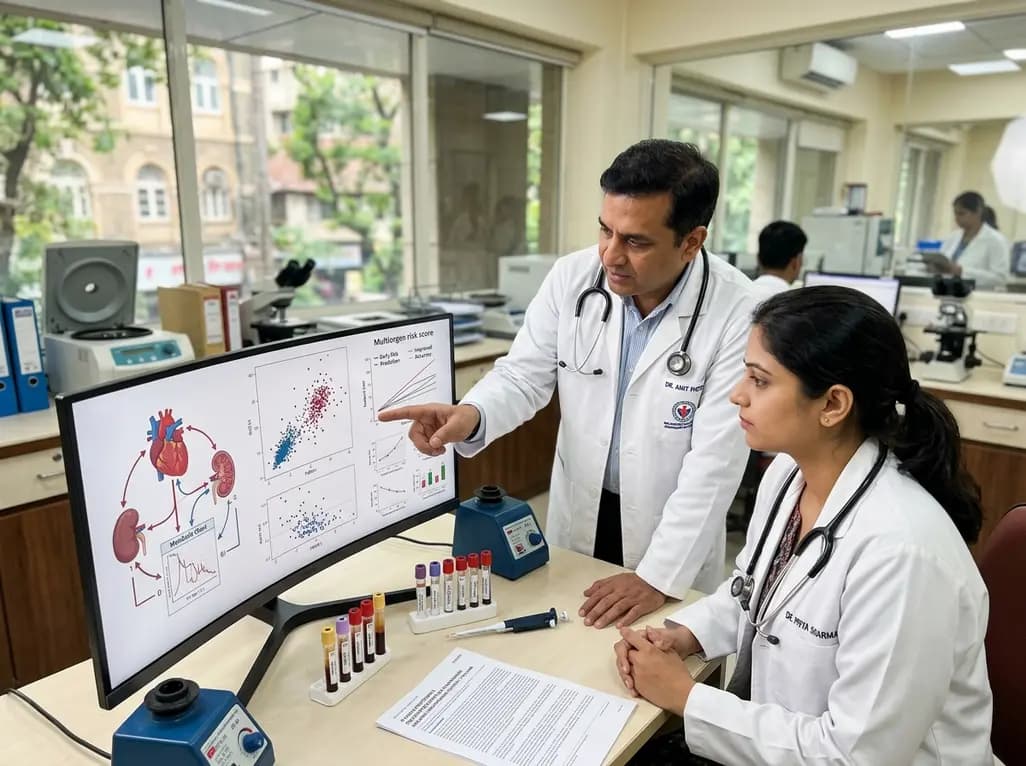
A large UK Biobank study reveals that plasma proteomic signatures capture preclinical organ damage and improve multiorgan risk prediction across early CKM syndrome stages 0 to 2 beyond traditional PREVENT clinical models.
Today
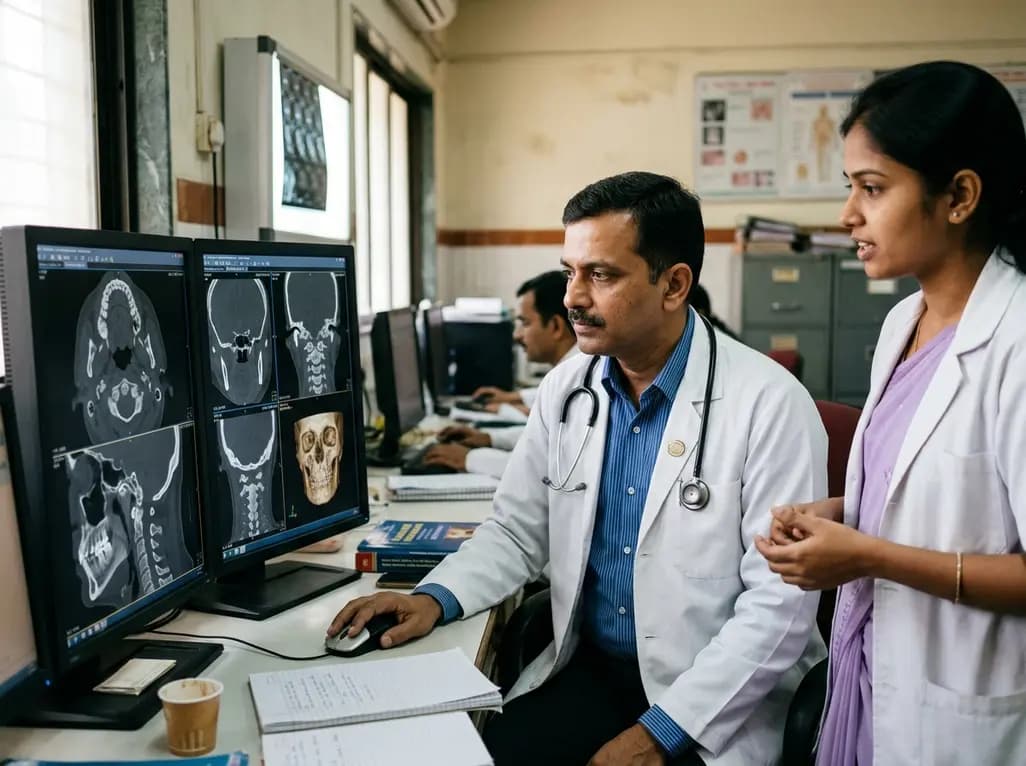
A retrospective CBCT study reveals that superior TMJ space asymmetry correlates moderately with occipital condyle-atlas-axis asymmetry in unilateral TMJ osteoarthritis, highlighting an imaging correlate between jaw biomechanics and upper cervical alignment rather than a standalone diagnostic marker.
Today
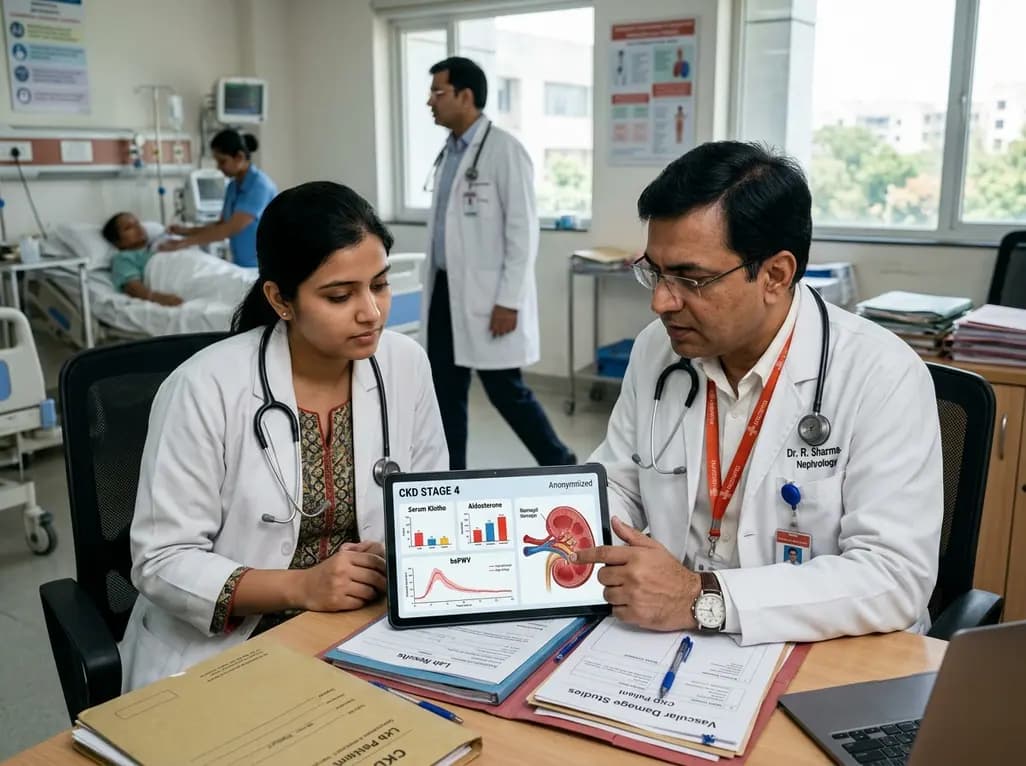
A cross-sectional investigation highlights the complex pathophysiological links between serum Klotho deficiency, secondary hyperaldosteronism, and vascular damage in CKD. Discover key insights into non-invasive vascular stiffness markers and targeted therapeutic pathways for cardiorenal protection.
Today
