.webp&w=384&q=75)

Loading, please wait...
Loading, please wait...
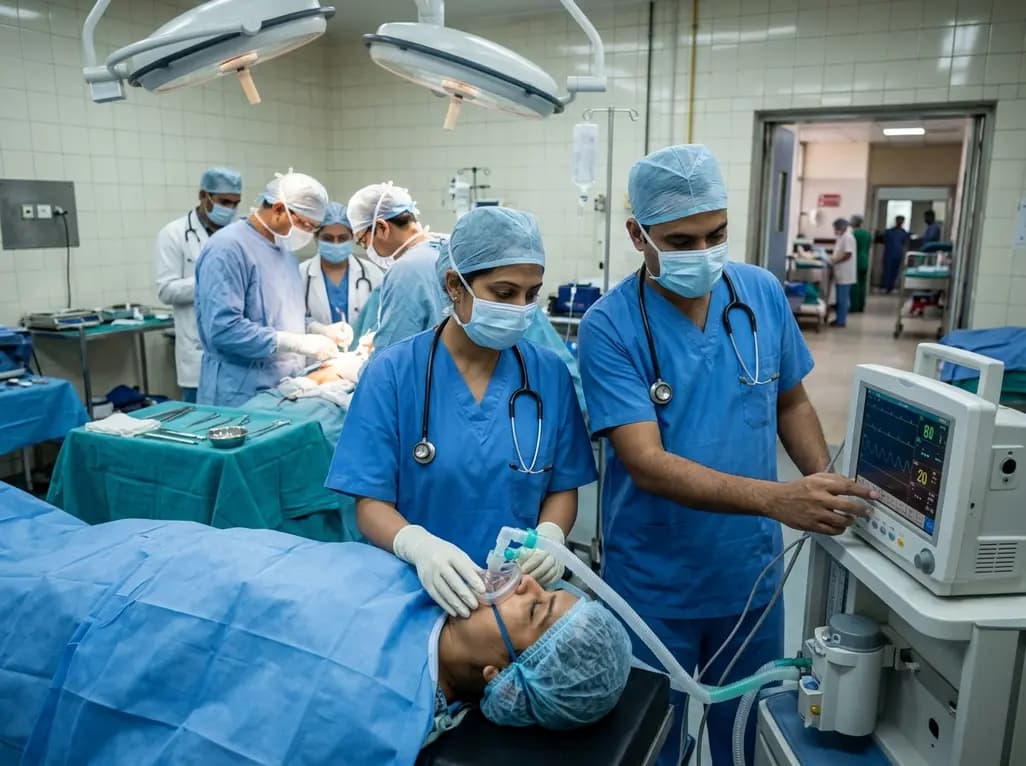
Airway management in solid organ transplantation is undergoing significant evolution. Historically, endotracheal intubation served as the sole standard of care for major abdominal procedures. However, modern anesthetic practice increasingly prioritizes enhanced recovery pathways and minimally invasive interventions. Recent clinical evidence indicates that utilizing an LMA in liver transplantation offers substantial clinical benefits for carefully selected adult recipients. Clinicians traditionally avoided supraglottic devices during liver graft placement due to aspiration concerns and prolonged surgical duration. Nevertheless, refined device design and optimized perioperative protocols are challenging this longstanding paradigm.
Liver transplantation represents one of the most physiologically demanding surgical procedures in modern medicine. Traditionally, clinicians maintained general anesthesia exclusively with cuffed endotracheal tubes. This approach provided secure airway protection against pulmonary aspiration and facilitated high-pressure mechanical ventilation. However, endotracheal intubation carries notable disadvantages, including postoperative sore throat, vocal cord injury, and intense hemodynamic stimulation during extubation. Furthermore, prolonged mechanical ventilation often delays postoperative extubation, which subsequently lengthens intensive care unit stays. Consequently, transplant anesthesiologists are actively exploring alternative airway techniques that align with Enhanced Recovery After Surgery principles. Second-generation supraglottic devices provide effective seal pressures and built-in gastric drainage ports. Therefore, these modern devices significantly reduce traditional aspiration risks in selected surgical populations. In addition, using an LMA supports early extubation strategies immediately after surgical completion. Thus, researchers recently conducted a robust propensity score-matched study to evaluate whether supraglottic airways can safely replace conventional tubes during elective liver transplantation.
The retrospective investigation reviewed adult patients who underwent primary elective liver transplantation across a multi-year period. To minimize confounding baseline differences between cohorts, the investigators implemented rigorous propensity score matching. Following the matching protocol, the study analyzed 25 patients in the LMA group and 44 patients in the endotracheal tube group. The clinical outcomes revealed several notable advantages favoring the supraglottic airway cohort. First, patients in the LMA group achieved a significantly higher rate of immediate airway device removal in the operating theater. Additionally, these patients required lower cumulative doses of rocuronium for anesthetic maintenance during surgery. Postoperatively, the LMA cohort experienced significantly less sore throat and required less noninvasive ventilation support. Moreover, the median postoperative hospital length of stay was significantly shorter in the LMA group compared to the intubated group. Postoperative pulmonary complications occurred numerically less often among LMA recipients, although this difference did not reach statistical significance after matching. Most importantly, investigators observed no increase in major airway-related adverse events.
Maintaining cardiovascular stability is critical during liver transplantation, especially during the anhepatic and reperfusion phases. Traditional tracheal extubation frequently triggers sympathetic stimulation, leading to hypertension and tachycardia. In contrast, supraglottic device removal causes minimal hemodynamic fluctuation and avoids cough reflexes. Furthermore, the study highlighted a meaningful reduction in intraoperative rocuronium consumption in the LMA group. Because second-generation supraglottic devices seat comfortably over the laryngeal inlet, they require less profound neuromuscular blockade during surgical maintenance. Consequently, anesthesiologists can administer lower quantities of muscle relaxants without compromising surgical conditions. This reduced neuromuscular blockade burden directly translates to faster spontaneous respiratory recovery at the end of surgery. In addition, patients experience less residual paralysis in the post-anesthesia care unit. Therefore, clinicians can safely remove the device while the patient is still on the operating table. Ultimately, this approach avoids the necessity of transferring paralyzed or heavily sedated patients to the intensive care unit.
Patient safety remains the paramount priority when altering established airway practices in liver transplantation. Skeptics often cite the risk of aspiration, accidental dislodgement, and inadequate seal pressure during prolonged surgery. However, the study findings demonstrated that the LMA cohort experienced zero increase in major airway-related complications. Specifically, no episodes of clinically significant pulmonary aspiration, severe laryngospasm, or unplanned intraoperative conversions were recorded. Additionally, patients managed with an LMA reported a significantly lower incidence of postoperative sore throat and pharyngeal discomfort. Because supraglottic masks do not pass through the vocal cords, they eliminate direct mechanical trauma to tracheal mucosa. Furthermore, modern second-generation LMAs incorporate dedicated esophageal drainage channels that allow continuous gastric decompression. Consequently, these channels actively prevent gastric distension and reduce regurgitation risk throughout the lengthy operation. Thus, when experienced anesthesiologists adhere to strict exclusion criteria, supraglottic airways offer a remarkably safe safety profile during major abdominal surgery.
The adoption of supraglottic devices in liver transplantation represents more than a simple technical substitution. Instead, it reflects a comprehensive shift toward enhanced recovery and fast-track surgical pathways. Standard ERAS protocols emphasize early mobilization, minimal opioid exposure, and prompt removal of invasive catheters and tubes. By facilitating immediate extubation, the LMA technique avoids unnecessary mechanical ventilation in the intensive care unit. As a result, patients avoid ventilator-associated lung injury and secondary pulmonary infections. Moreover, recipients who wake up comfortably without an endotracheal tube experience less postoperative delirium and anxiety. Consequently, they can participate in early physical therapy, nutritional intake, and rehabilitation protocols on postoperative day one. This streamlined recovery process explains the significantly shorter hospital stay observed in the matched LMA cohort. In addition, reducing intensive care utilization optimizes precious hospital resources and lowers total healthcare costs. Therefore, supraglottic airway management serves as an integral pillar of modern transplant ERAS programs.
These promising findings offer valuable practical guidance for transplant multidisciplinary teams worldwide, including high-volume transplant centers in India. However, clinicians must remember that patient selection remains fundamental to achieving positive outcomes. Supraglottic airway techniques should be reserved for stable, elective transplant recipients with predictable airway anatomy. Conversely, patients with severe acute liver failure, massive ascites, severe encephalopathy, or active gastrointestinal bleeding still require rapid sequence induction with endotracheal intubation. Furthermore, transplant anesthesiologists must possess expertise in managing second-generation supraglottic devices and fiberoptic airway inspection. If seal pressure degrades or ventilation becomes suboptimal, the surgical team must seamlessly convert to an endotracheal tube. In conclusion, using an LMA in liver transplantation is a feasible, safe, and effective strategy in carefully chosen patients. As clinical experience expands, integrating supraglottic devices within recovery-oriented protocols will continue to enhance surgical outcomes and recipient recovery.
Carefully selected adult recipients undergoing primary elective liver transplantation represent ideal candidates for supraglottic airway management. Specifically, patients should present without severe full-stomach risk, severe baseline pulmonary dysfunction, morbid obesity, or complex anticipated difficult airway anatomy. Additionally, the surgical team must maintain excellent hemodynamic control and stable abdominal compliance throughout the procedure. Therefore, multidisciplinary evaluation remains vital before selecting a supraglottic airway for any major transplant surgery.
In clinical studies, supraglottic devices do not increase postoperative pulmonary complications compared to conventional endotracheal tubes. In fact, patients managed with supraglottic airways demonstrate numerically lower rates of respiratory failure and atelectasis. Furthermore, these patients require significantly less postoperative noninvasive ventilation support after surgery. Consequently, supraglottic airway management provides safe and effective ventilation while minimizing mechanical trauma to the sensitive tracheobronchial tree during liver transplantation.
Yes, supraglottic airway management directly facilitates earlier recovery pathways and shortens total hospital stay. Because the device allows immediate postoperative removal, patients avoid prolonged mechanical ventilation and heavy sedation. Consequently, these recipients transition faster through post-anesthesia care and intensive care units. Furthermore, reduced anesthetic drug accumulation enables quicker mobilization and active rehabilitation. Therefore, adopting supraglottic techniques supports broader clinical recovery goals following complex liver graft procedures.
Disclaimer: This content is for informational and educational purposes only. It is not intended to provide medical advice, diagnosis, or treatment. Always consult a qualified healthcare professional with any questions regarding medical conditions or treatments. Refer to the latest local and national guidelines for clinical practice.
References

Read summarized clinical updates, watch expert medical content, and earn CME certifications right from your smartphone.
Open your smartphone camera to scan and install.





A propensity score-matched study demonstrates that using a laryngeal mask airway (LMA) during elective liver transplantation improves early postoperative recovery, reduces rocuronium requirements, and shortens hospital stay without increasing airway complications in carefully selected recipients.
4 weeks back

Recent research defines ferro-aging as a conserved iron-lipid axis driving organ decline across primates. Age-related iron dyshomeostasis stimulates ACSL4-mediated lipid peroxidation, promoting cellular senescence. Notably, vitamin C directly inhibits ACSL4, suppressing phospholipid oxidation and multi-organ decay.
Today
A retrospective cohort study evaluated 1,000 low-risk singleton births to assess maternal and neonatal outcomes during office-hours versus off-hours. Off-hours deliveries were significantly associated with higher odds of intrapartum cesarean sections and episiotomies, highlighting critical obstetric staffing considerations.
Today
New clinical evidence demonstrates a shift away from strict exercise restrictions in genetic heart disease. While patients with channelopathies engage in more vigorous activity than those with cardiomyopathies, shared decision-making and individualized risk assessments ensure safe, beneficial exercise participation.
Today
Sarcopenia significantly impairs functional independence and amplifies fracture risks in patients with osteoarthritis and osteoporosis. Learn about modern diagnostic strategies, GLP-1 therapy considerations, and evidence-based non-pharmacological management across multidisciplinary clinical settings.
Today
Discover how to identify superimposed entrapment neuropathy in diabetic patients. This review details clinical evaluation, surgical decompression evidence, and a structured algorithm for primary care referrals to prevent ulcers and preserve limb function.
Today
